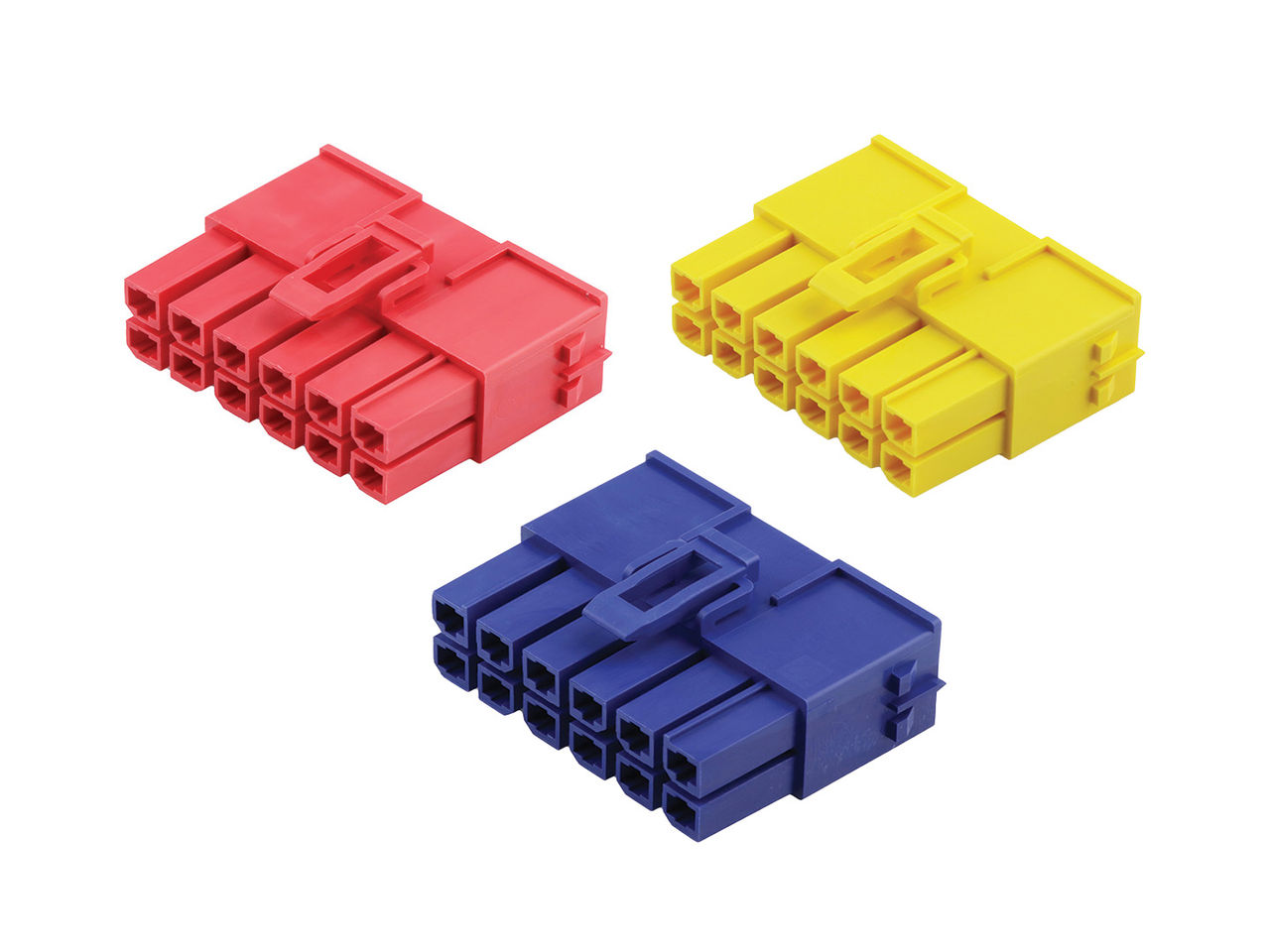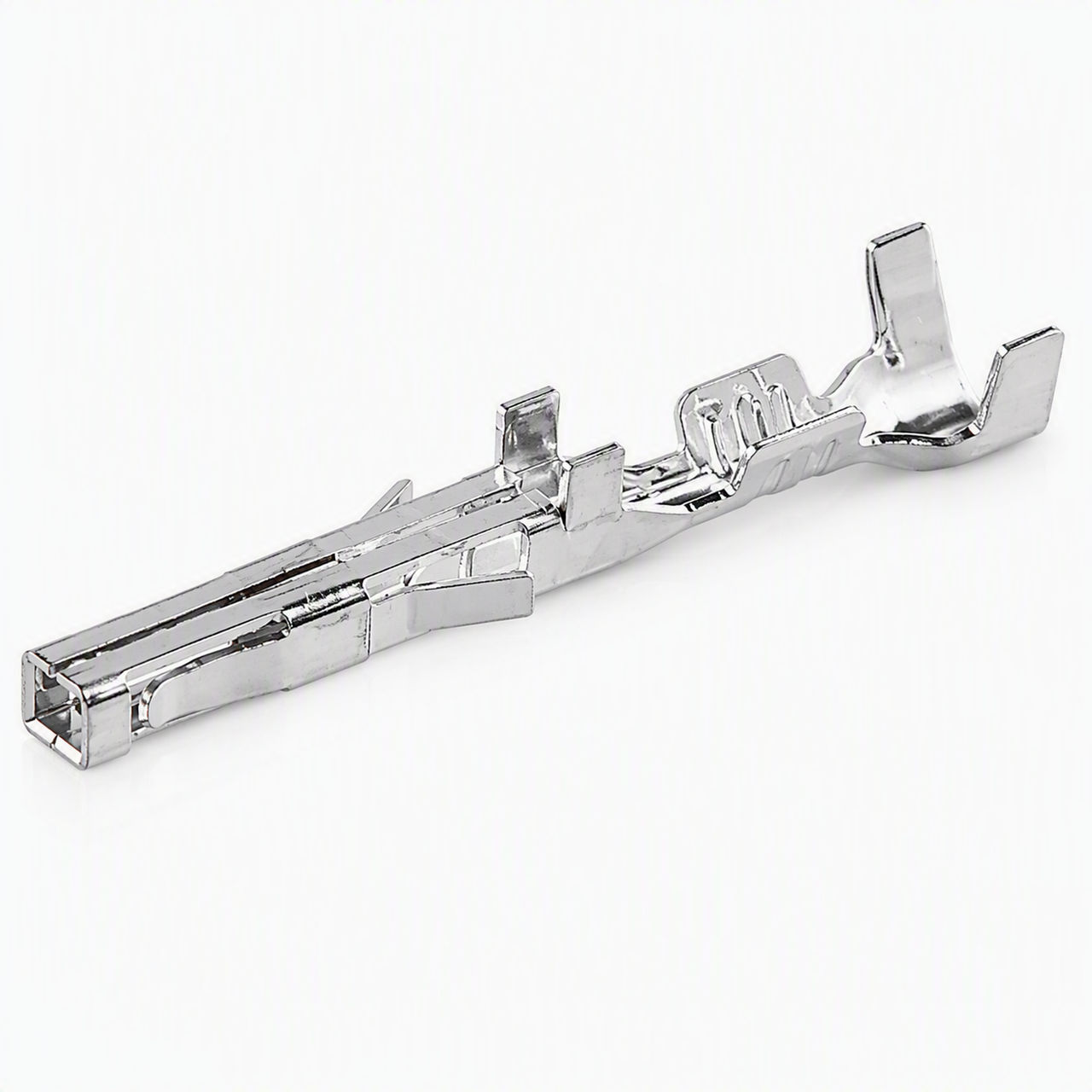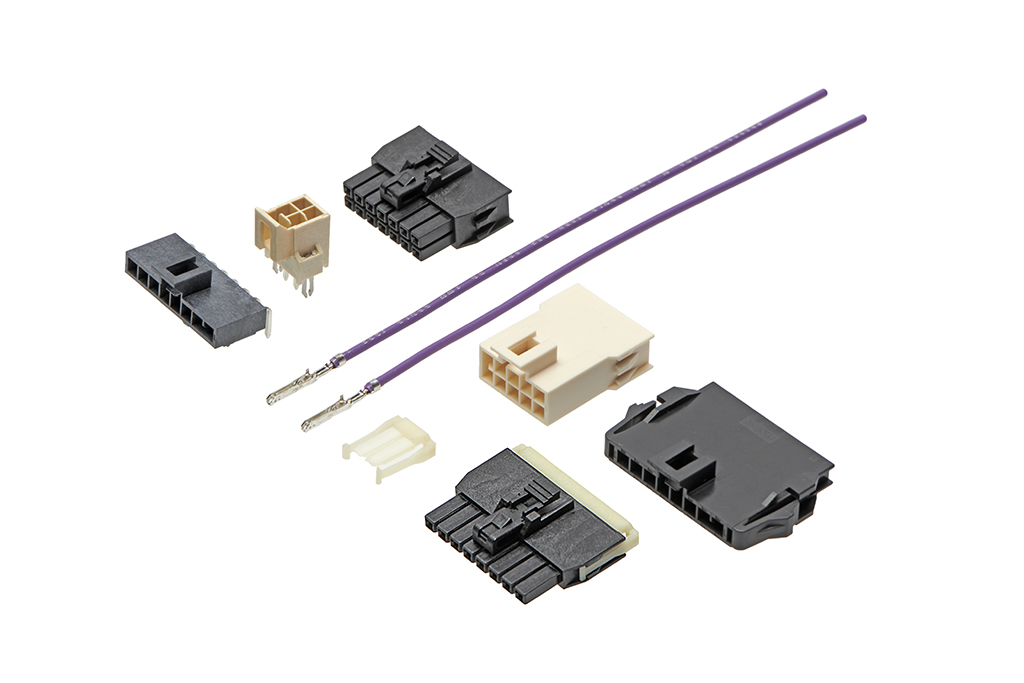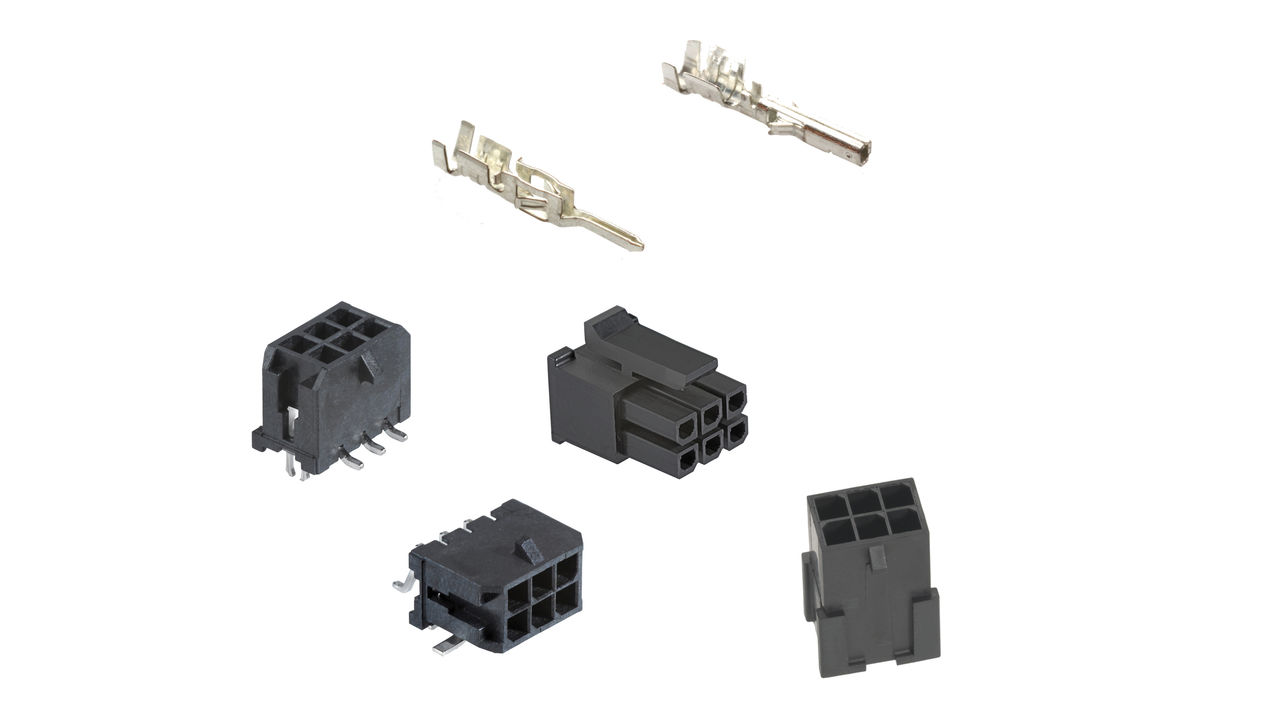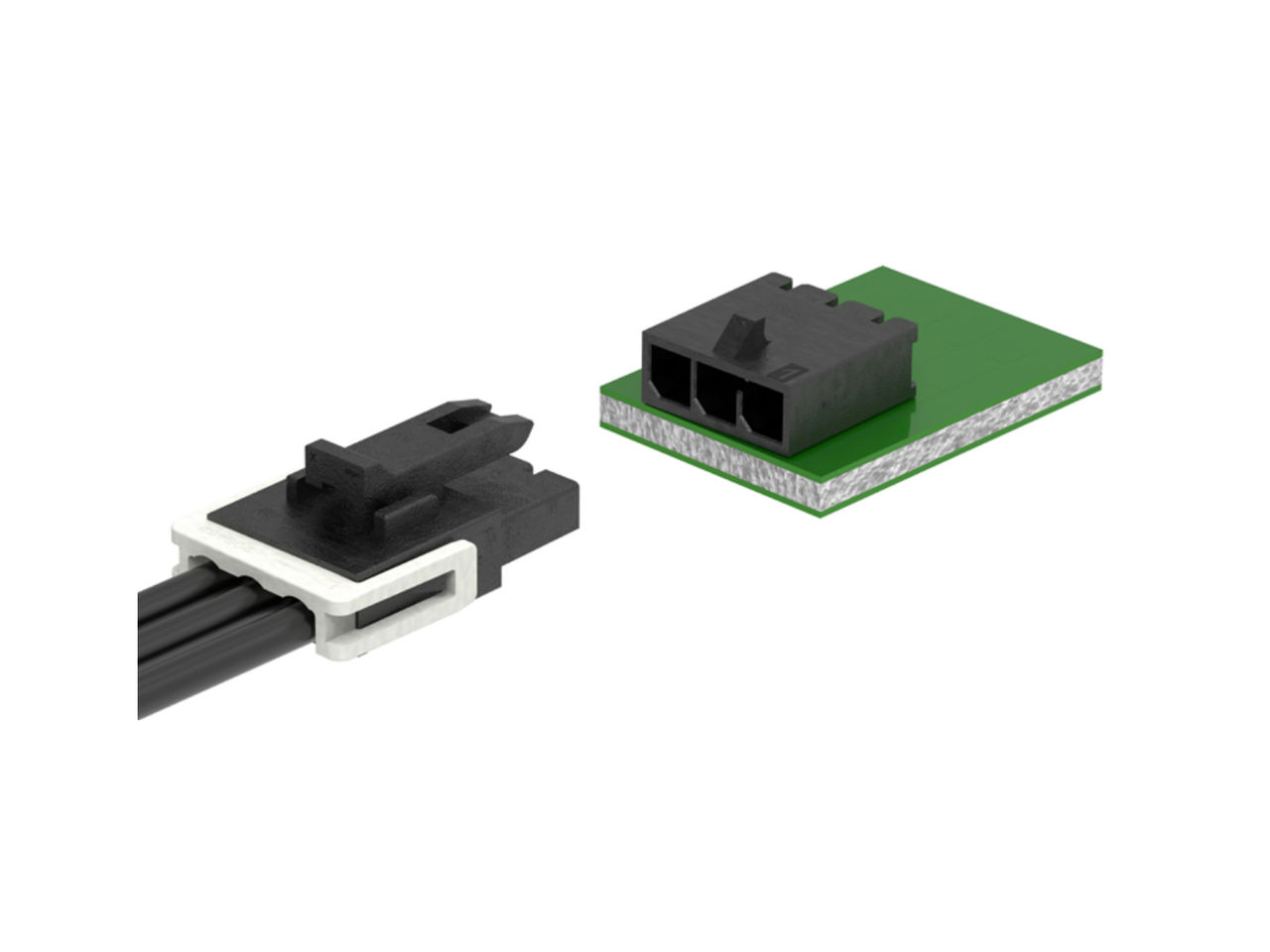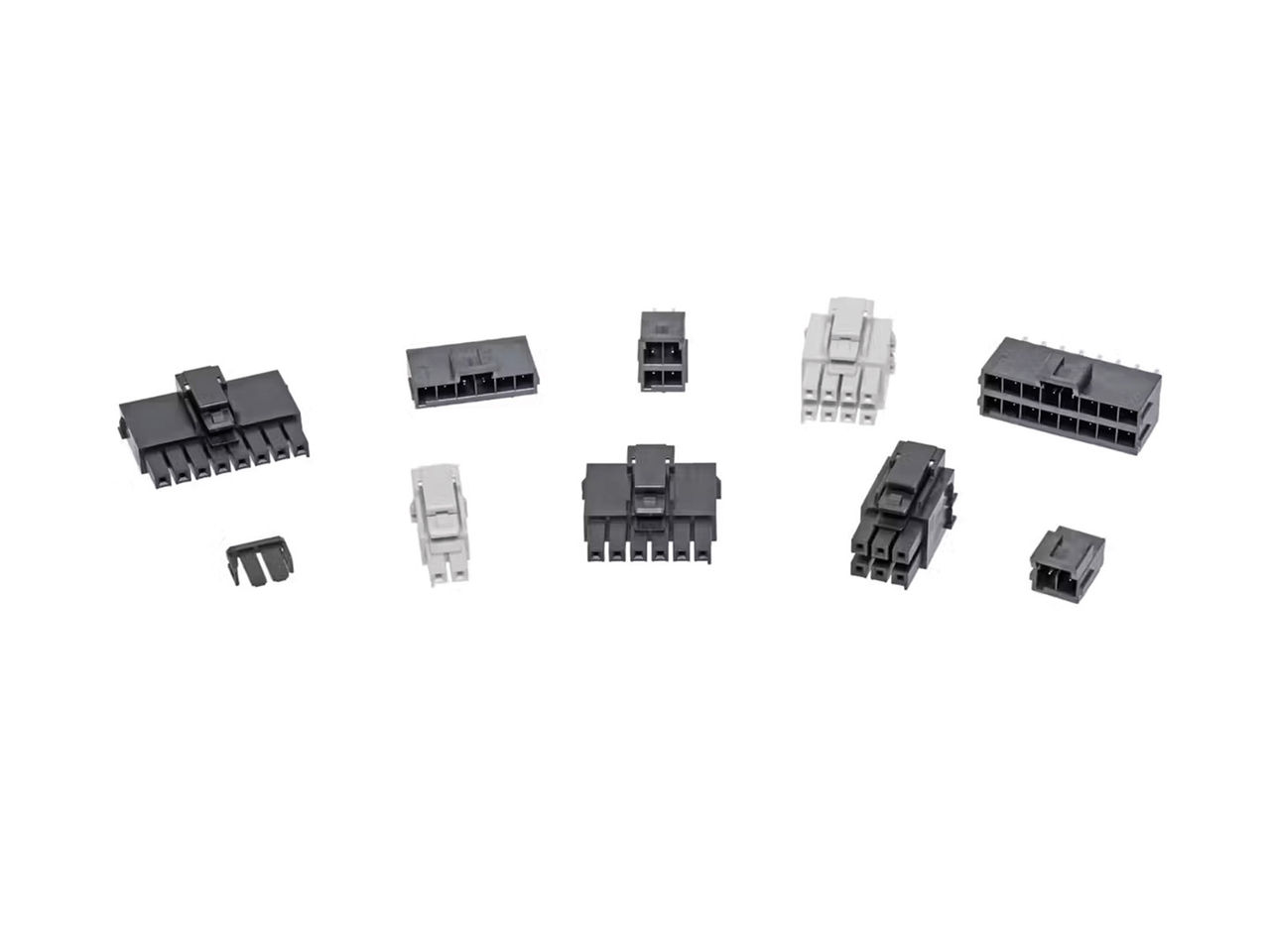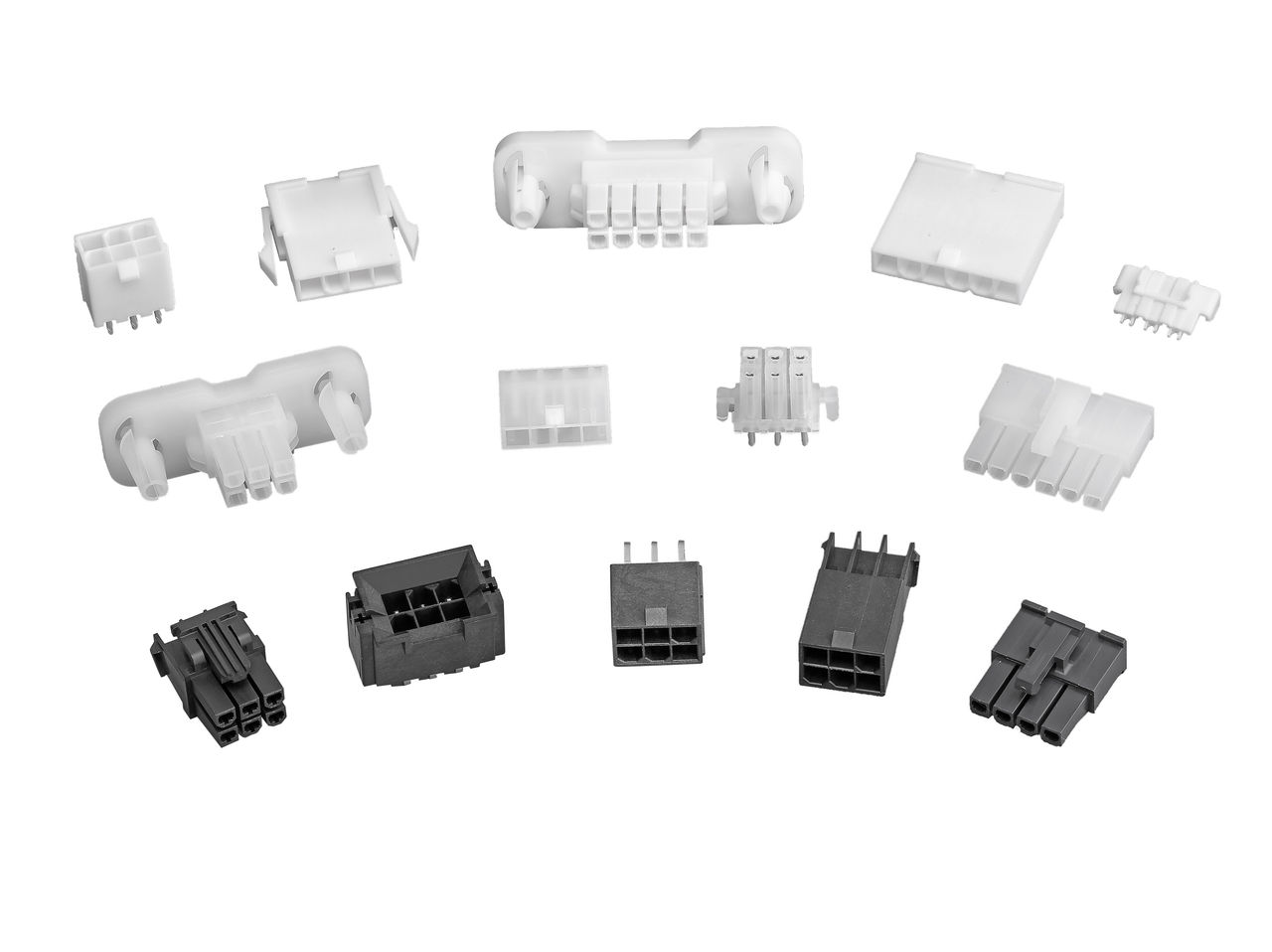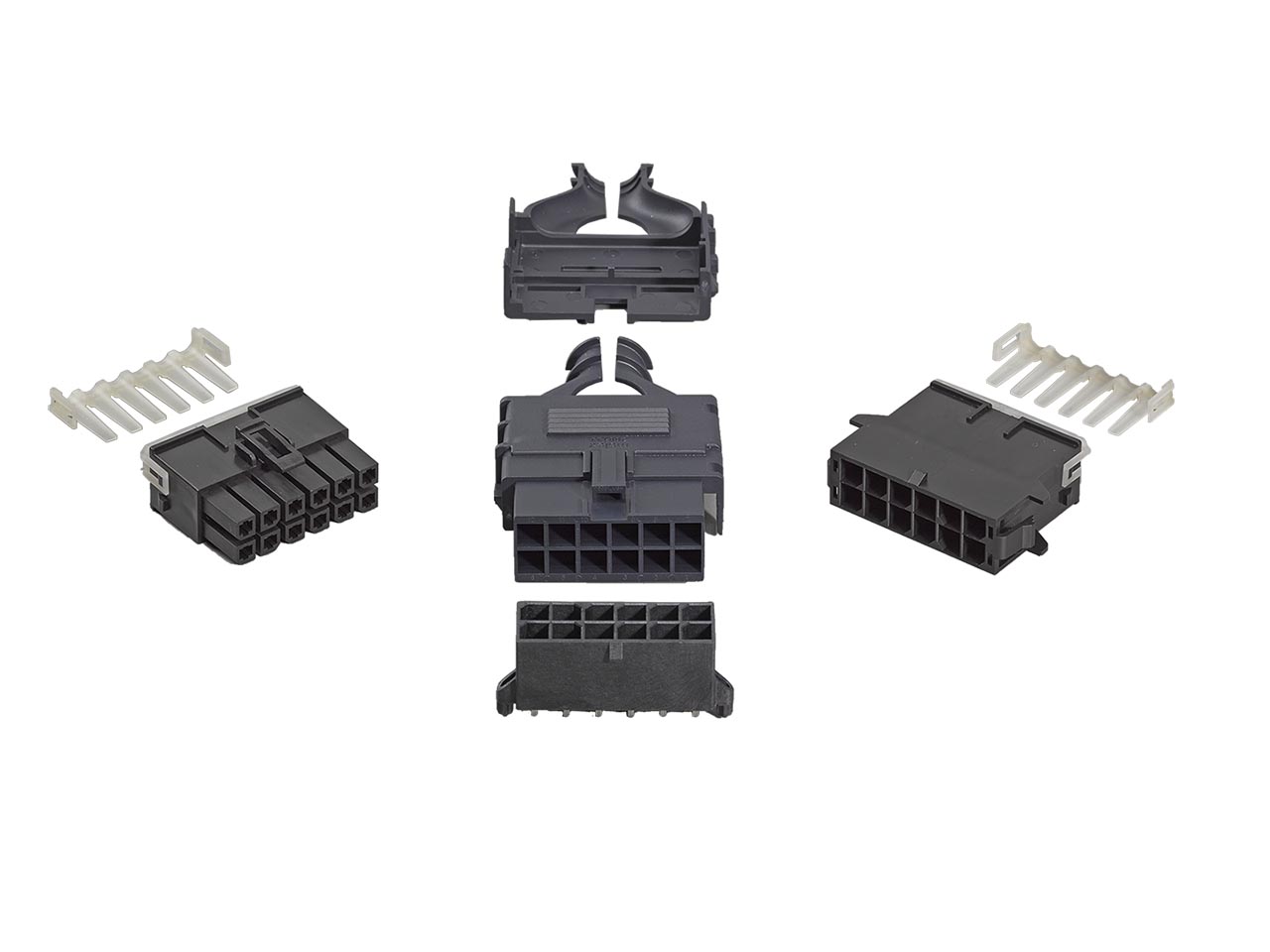
Molex Fit family connectors and cable assemblies.

Fit Family Connectors

As the need for high-power solutions in compact spaces rises, Fit Family connectors provide a scalable connector system spanning Nano-Fit, Micro-Fit, Ultra-Fit, Mini-Fit and Mega-Fit Connectors, designed to overcome many challenges—from space-constrained designs to power-intensive applications. Built-in features, including polarization, color coding and keying, improve efficiency and reduce mis-mating. An optimized balance of connector size, current capacity and reliability across diverse applications offers design engineers a consistent platform for increased power demands and quality performance without connector redesign.

Features and Benefits


Engineers are challenged with balancing space constraints, current capacity and high performance across a wide range of applications. There is also a need to manage fragmented connector choices that increase design complexity and limit scalability. Adapting to changing power, circuit count and packaging requirements without redesigning platforms poses challenges as well.

A cohesive, scalable connector platform designed to expand with applications helps meet reliability expectations for high current in tight spaces. Features ensuring solid retention and quality performance inhibit connector disengagement or contact loss due to vibration, shock or repeated mating/un-mating cycles. Reducing assembly time, errors and maintenance complexity can ease manufacturing issues and avoid field servicing expenses.

The broad Fit Family portfolio, spanning Nano‑Fit, Micro‑Fit, Ultra‑Fit, Mini-Fit and Mega‑Fit Connectors, offers a consistent design philosophy that allows engineers to move up or down within the family as requirements evolve. Fit Family products provide reliable electrical and mechanical performance through multiple contact points, robust housings and positive locking. Streamlined assembly and production, with features such as scoop‑proof housings, wide wire‑gauge support and terminal position assurance (TPA), enhance manufacturability. Engineers can also experience exceptional design flexibility with optional blind‑mate interfaces, color coding and safety‑focused features for complex or crucial applications.
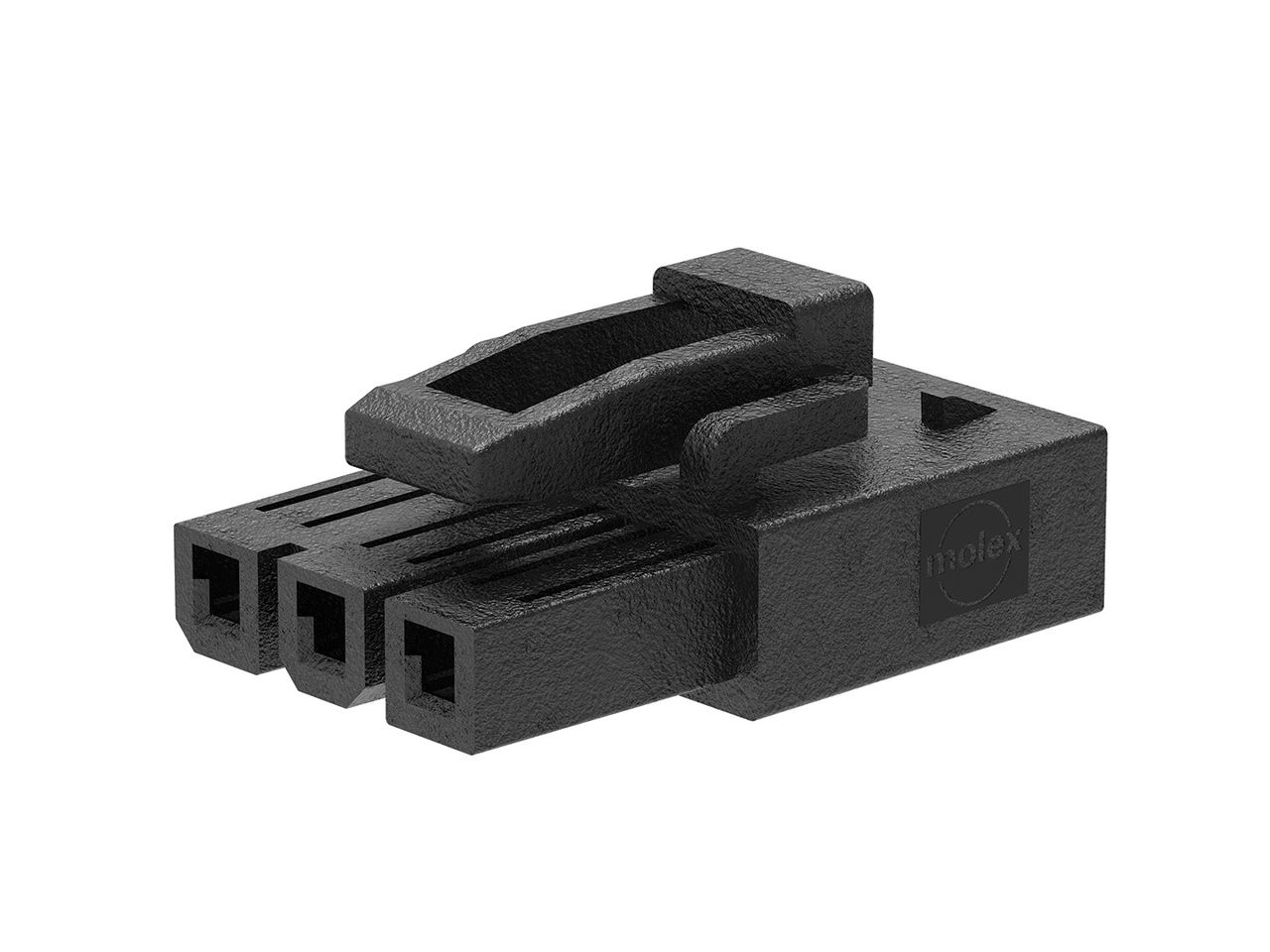
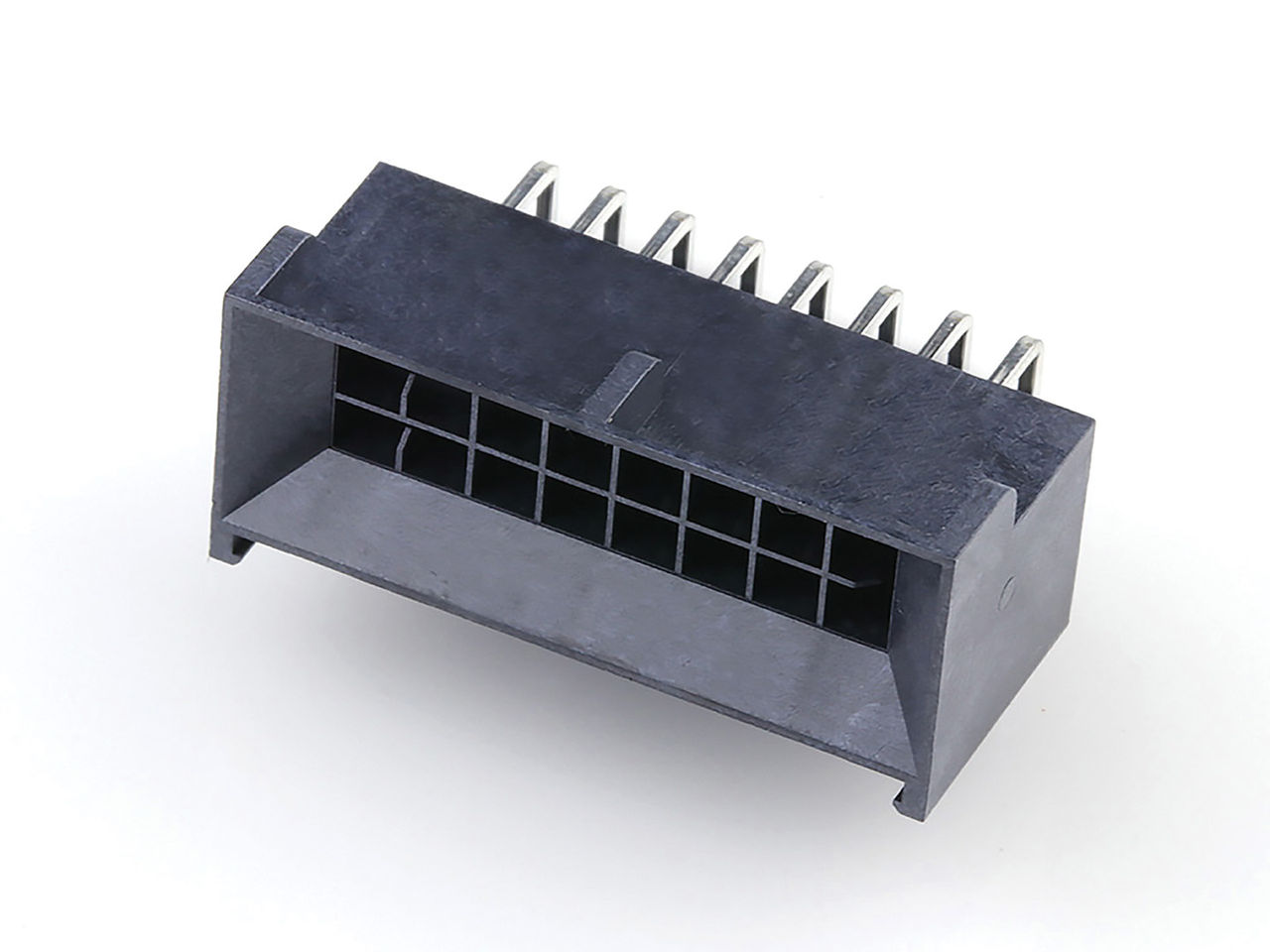
Fit Family Comparison Chart


Connectors Pitch Current Circuits Configurations Wire Gauge Operating Temperatures
Nano-Fit 2.50mm Up to 8.0A 2 to 16 Wire-to-board
Wire-to-wire
Wire-to-panel
26 to 20 AWG Tin/gold: -40 to +125°C
Micro-Fit 3.00mm Up to 10.5A 2 to 24 Board-to-board
Wire-to-board
Wire-to-wire
Wire-to-panel
30 to 18 AWG Tin: -40 to +105°C
Gold: -40 to +125°C
Micro-Fit+ 3.00mm Up to 13.0A 2 to 24 Wire-to-board
Wire-to-wire
Wire-to-panel
30 to 16 AWG Tin/gold: -40 to +125°C
Ultra-Fit 3.50mm Up to 14.0A 2 to 16 Wire-to-board
Wire-to-wire
Wire-to-panel
22 to 16 AWG Tin: -40 to +125°C
Gold: -40 to +120°C
Mini-Fit 4.20mm Up to 13.0A 2 to 24, 36 Board-to-board
Wire-to-board
Wire-to-wire
Wire-to-panel
28 to 16 AWG; double crimp options Tin: -40 to +105°C
Gold: -40 to +125°C
Mini-Fit Sigma 4.20mm Up to 13.5A 2 to 18 Wire-to-board
Wire-to-wire
Wire-to-panel
24 to 16 AWG; double crimp options Tin: -40 to +105/+125°C (high-current system)
Gold: -40 to +125°C
Mini-Fit Max 4.20mm Up to 20.5A 2 to 12 Wire-to-board 16 to 14 AWG Tin: -40 to +105°C
Mega-Fit 5.70mm Up to 30.0A 2 to 12 Wire-to-board
Wire-to-wire
Wire-to-panel
16 to 10 AWG; double crimp options Tin: -40 to +105°C
Gold: -40 to +120°C

Power-Dense Solutions for Compact Designs 

Designers are under significant pressure to meet increasing power demands in compact applications where design flexibility is limited due to space constraints. Combining high-current ratings with space-saving designs, Fit Family connectors, like Ultra-Fit, Mini-Fit and Mega-Fit Connectors, deliver a scalable connector family of power-dense solutions that are designed to maximize current capacity within small footprints.

Molex Mini-Fit Max Connector

Simplified Mating in Hard-to-Reach Areas

Connector misalignment risks and limited access within confined assemblies can make connector mating difficult, leading to reliability issues and longer assembly times. With blind-mate interfaces guiding alignment, Nano‑Fit, Micro‑Fit, and select Mini-Fit Connectors enable consistent and secure engagement even in hard-to-reach spaces or applications, simplifying assembly, reducing errors and improving overall system reliability.

Molex Nano-Fit BMI Connector

Accurate Mating with Color and Keying Options

Complex connector assemblies increase the risk of mis-mating and installation errors, leading to extensive rework and potential reliability issues. Micro-Fit+ Versa and Mega-Fit ColorLock Connectors provide color-coding and mechanical-keying options, helping prevent mis-mating, simplifying installation and improving accuracy across multiple applications.

Molex Mega-Fit ColorLock connectors

Low Mating Force Designs for Easy Assembly

Frequent mating cycles and limited access in tight spaces increase the risks of operator fatigue or connector damage due to increased assembly efforts. Nano-Fit, Micro-Fit+, Ultra-Fit and Mini-Fit Sigma Connectors incorporate optimized terminal designs that reduce insertion and mating forces, improving ergonomics, simplifying assembly and enabling efficient handling of high-circuit-count designs.

Molex Mini-Fit Sigma low mating force crimp terminal.

Datasheets and Guides


Frequently Asked Questions


What are Molex Fit Family connectors?

Fit Family connectors are a portfolio of reliable power connectors designed to support a wide range of power and space requirements, from very compact, low-power applications to higher‑current, higher‑density solutions. Supporting pitches from 2.50 to 5.70mm and current ratings up to 30.0A, these connectors share common design features intended to ensure safe, dependable performance, including mechanical keying to help prevent cross‑mating. Additional features include multiple points of electrical contact for stable current delivery and reduced heating, positive locking to prevent accidental disengagement and fully isolated, scoop‑proof contacts for enhanced safety. Optional TPA and connector position assurance features help ensure terminals are fully seated and securely latched, while reflow‑capable headers support modern manufacturing processes.

What is the difference between Nano-Fit, Micro-Fit, Mini-Fit, Ultra-Fit, and Mega-Fit Connectors?

Fit Family connectors differ primarily in pitch, current capability and physical size, allowing designers to select the best option based on power requirements and available space. Nano-Fit Connectors, with a 2.50mm pitch and current ratings up to 8.0A, are the smallest option intended for compact, low- to mid-power applications. Micro-Fit Connectors, at a 3.00mm pitch, offer a balance of size and power, supporting up to 10.5A, while Micro Fit+ solutions extend that capability to 13.0A at the same pitch. Ultra-Fit Connectors offer a 3.50mm pitch and are designed to support currents up to 14.0A with features optimized to reduce mating force and minimize terminal back out. Mini-Fit Connectors increase pitch to 4.20mm and provide broad design flexibility, supporting up to 13.0A, with variants such as Mini-Fit Sigma Connectors (up to 13.5A) and Mini-Fit Max Connectors (up to 20.5A) for higher current needs. At the top end of the family, Mega-Fit Connectors feature a 5.70mm pitch and deliver the highest current capacity within the Fit Family, supporting up to 30.0A for higher-power applications.

Which Fit Family connector is best for high-current applications?

For the highest current requirements, Mega-Fit Connectors are the best choice, supporting up to 30.0A per circuit at a 5.70mm pitch for robust power delivery. The Fit Family offers a scalable power range, starting with Nano-Fit Connectors (2.50mm pitch) for high power in very compact designs, progressing through Micro-Fit (3.00mm) and Ultra-Fit (3.50mm) Connectors for balanced power density, and Mini-Fit Connectors (4.20mm) variants for high current needs, all within a common connector family framework.

Which markets and applications do the Molex Fit Families support?

Molex Fit Family connectors support major markets and are selected based on electrical requirements (current, pitch, density) and design needs. Markets and applications include: appliances (from compact modules to mid-power systems across refrigerators, washers, dryers, microwaves and more); telecom and networking (routers, switches, servers and power shelves); industrial equipment and automation (control systems, machinery, power distribution and robotics); automotive electronics (infotainment, interior modules, control modules and compact power circuits); commercial vehicles (power converters and high-current modules); datacom/server systems (GPU trays, auxiliary power, compute boards and server power assemblies); and MedTech (diagnostic and patient-monitoring systems).

Why should I choose Fit Family connectors over other power connectors?

Fit Family connectors offer proven reliability, certified safety features like mechanical keying and positive locks, and high-performance, multi-contact terminals—all backed by the proven quality and manufacturing standards of Molex.

When should design engineers choose Nano-Fit Connectors over Micro-Fit or Mini-Fit Connectors?

Nano-Fit Connectors are best for extremely space-constrained applications. With a 2.50mm pitch, these connectors are the smallest in the Fit Family and support up to 8.0A. They also offer blind-mating options and multiple keying configurations, making them suitable for medical devices, compact electronics and industrial controls.

What is the difference between Micro-Fit and Mini-Fit Connectors?

Micro-Fit and Mini-Fit Connectors deliver reliable power in compact, versatile designs. Micro-Fit Connectors, however, offer a smaller, 3.00mm pitch for space-constrained applications while supporting up to 10.5A per circuit. Mini-Fit Connectors, with their larger 4.20mm pitch, provides increased durability and higher-current capacity (up to 13.0A), making it ideal for robust power delivery needs such as computing and industrial systems. Both connector families offer designers flexible options to balance size, performance and power requirements.