
| Voltage | Circuits |
|---|---|
| Up to 300V | Custom |
Features and Benefits
As data centers adopt liquid cooling to support high-density computing, AI workloads and energy efficiency, the risk of fluid leaks becomes a pressing concern. Static interconnect solutions force costly overhauls to meet future bandwidth and power demands. A lack of modularity and backward compatibility slows innovation and increases the total cost of ownership. As power densities rise, connectors and cables that cannot withstand elevated temperatures become points of failure, leading to unplanned downtime, increased maintenance and premature equipment replacement—especially in thermally stressed, liquid-cooled environments.
Manufacturers need scalable solutions that detect leaks, preventing significant damage within data center rack trays. Additionally, small wire diameters for space-constrained applications are necessary. To avoid costly downtime, equipment failure and data loss, a proactive alert system is crucial.
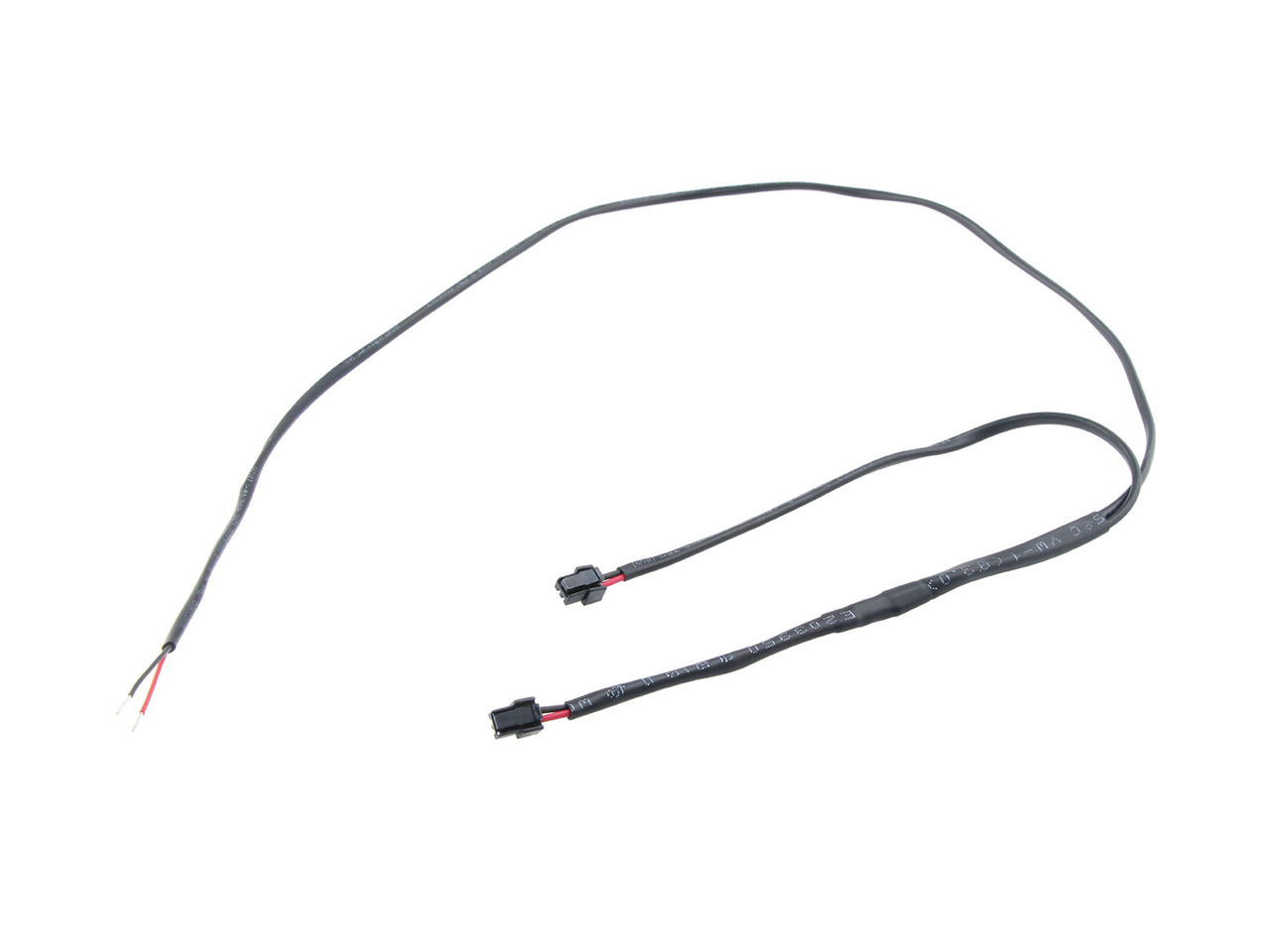
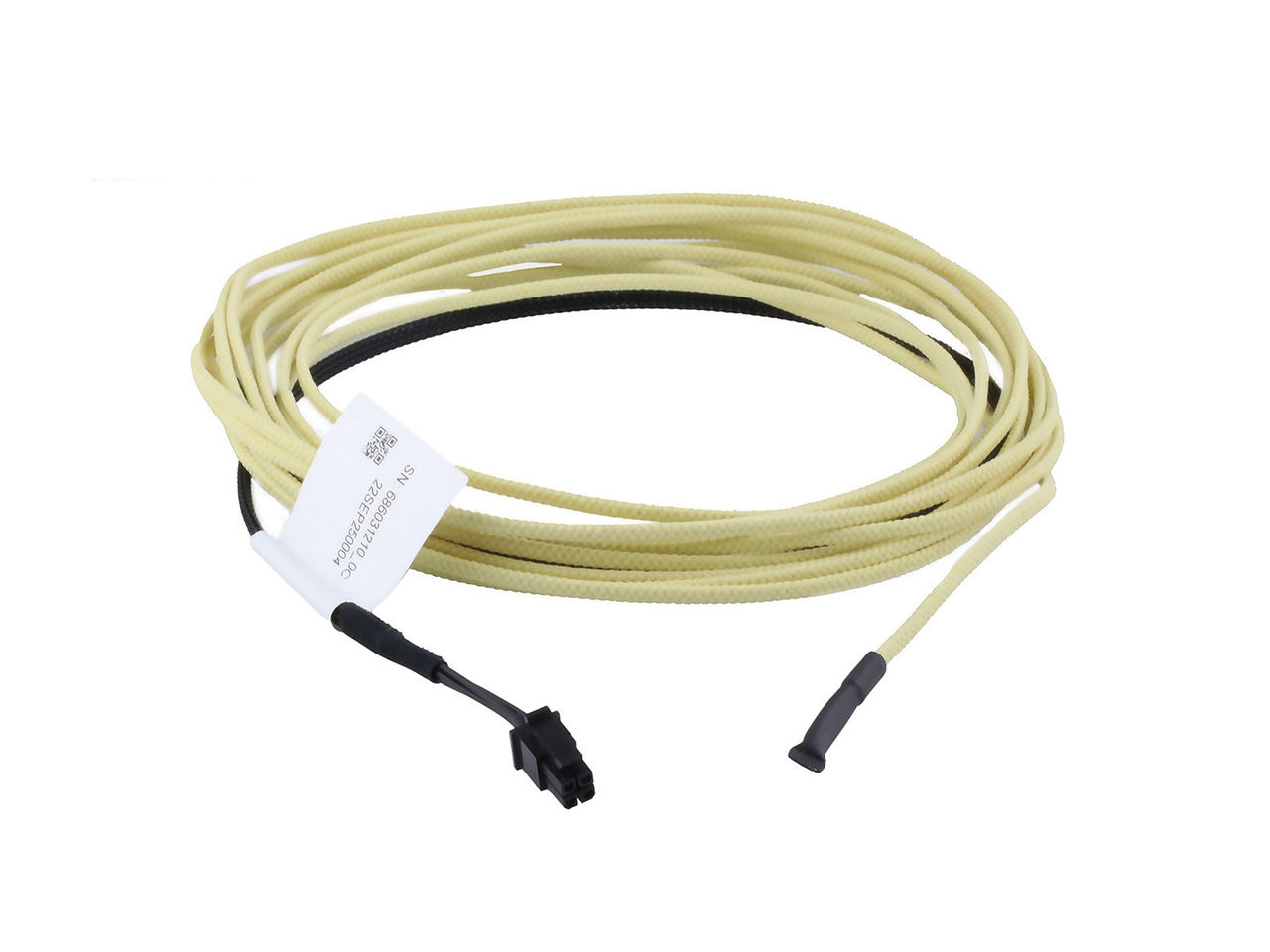
Molex Leak Detection Cables provide an essential safeguard in modern data centers that use liquid cooling systems instead of traditional air-based cooling to improve efficiency and thermal performance. These compact cable assemblies feature small wire diameters, helping prevent damage to server racks and trays by identifying fluid intrusion before it escalates. Data center operators can maintain uptime, protect high-value assets and align with the industry shift toward intelligent, resilient infrastructure. With seamless integration, Leak Detection Cables enable easy implementation without major system overhauls.
Applications by Industry

Liquid-cooled server racks

AI and machine learning
AI racks (multiple trays)
Hyperscale data centers
This is not a definitive list of applications for this product. It represents some of the more common uses.
Frequently Asked Questions
What are Leak Detection Cables?
Leak Detection Cables are a customizable leak-monitoring solution that is used predominantly in data center rack trays and server applications where early detection of liquid intrusion can prevent equipment damage, downtime, safety risks and costly cleanup.
How do Leak Detection Cables work?
Leak detection cables work on the principle that moisture creates an electrical bridge between two conductors, triggering an alert before equipment is damaged. In normal situations, the conductors are kept electrically isolated.
Rope-style leak detection cables use a braided, flexible outer structure that keeps the conductors separated while still allowing moisture to reach them. When water contacts the cable, the liquid forms a conductive path, creating a short that is sent to the monitor to notify the operator.
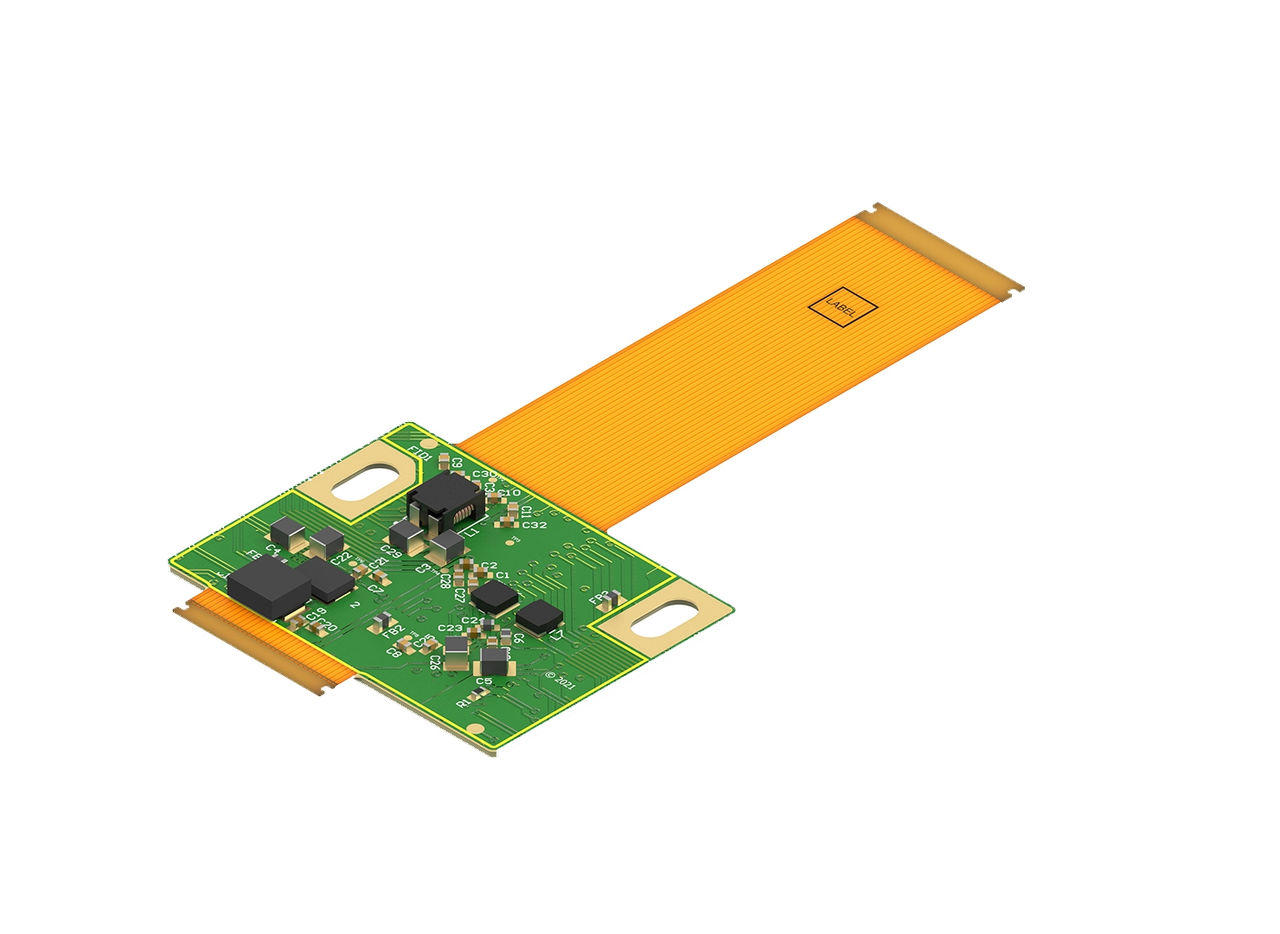
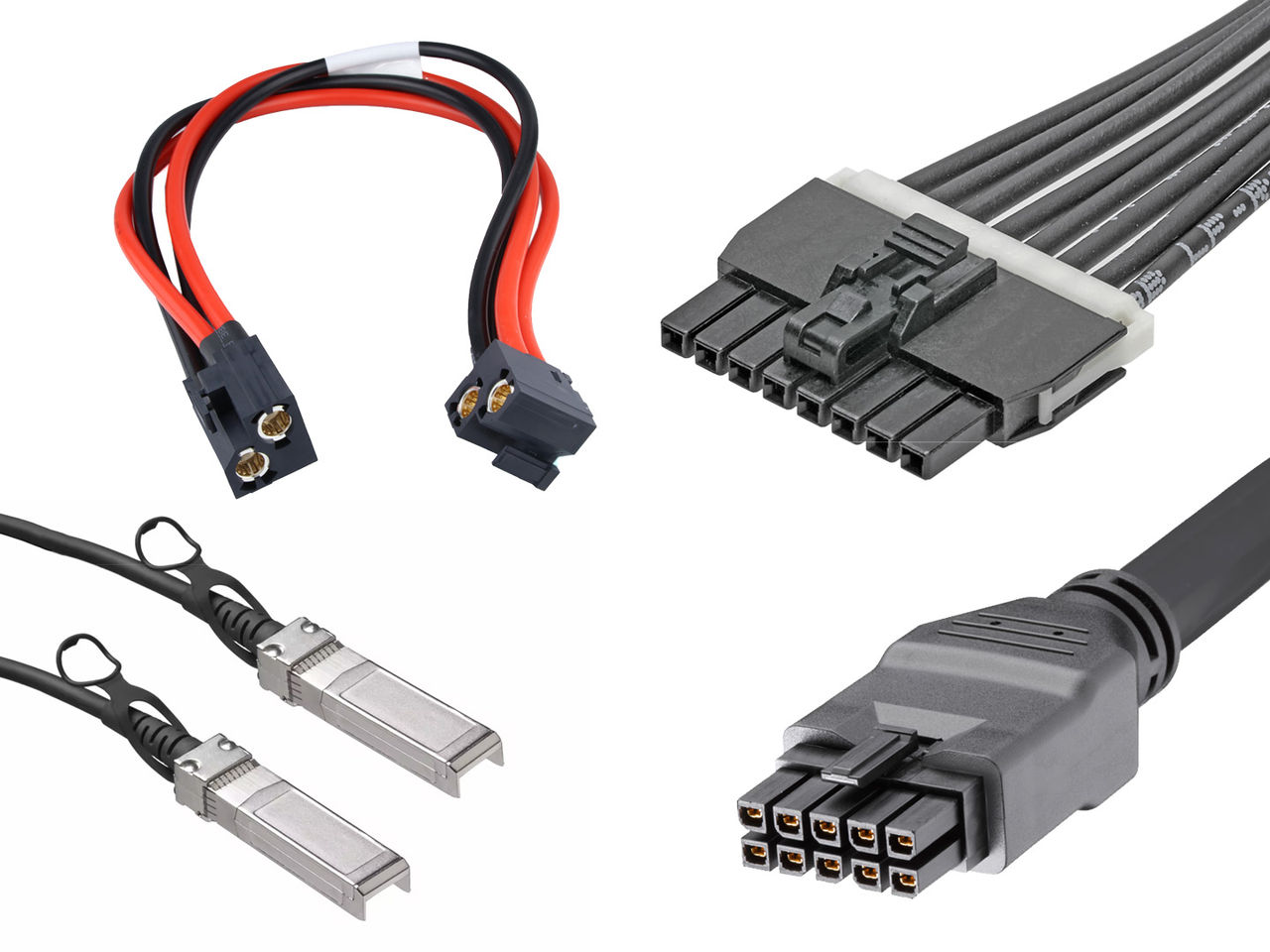
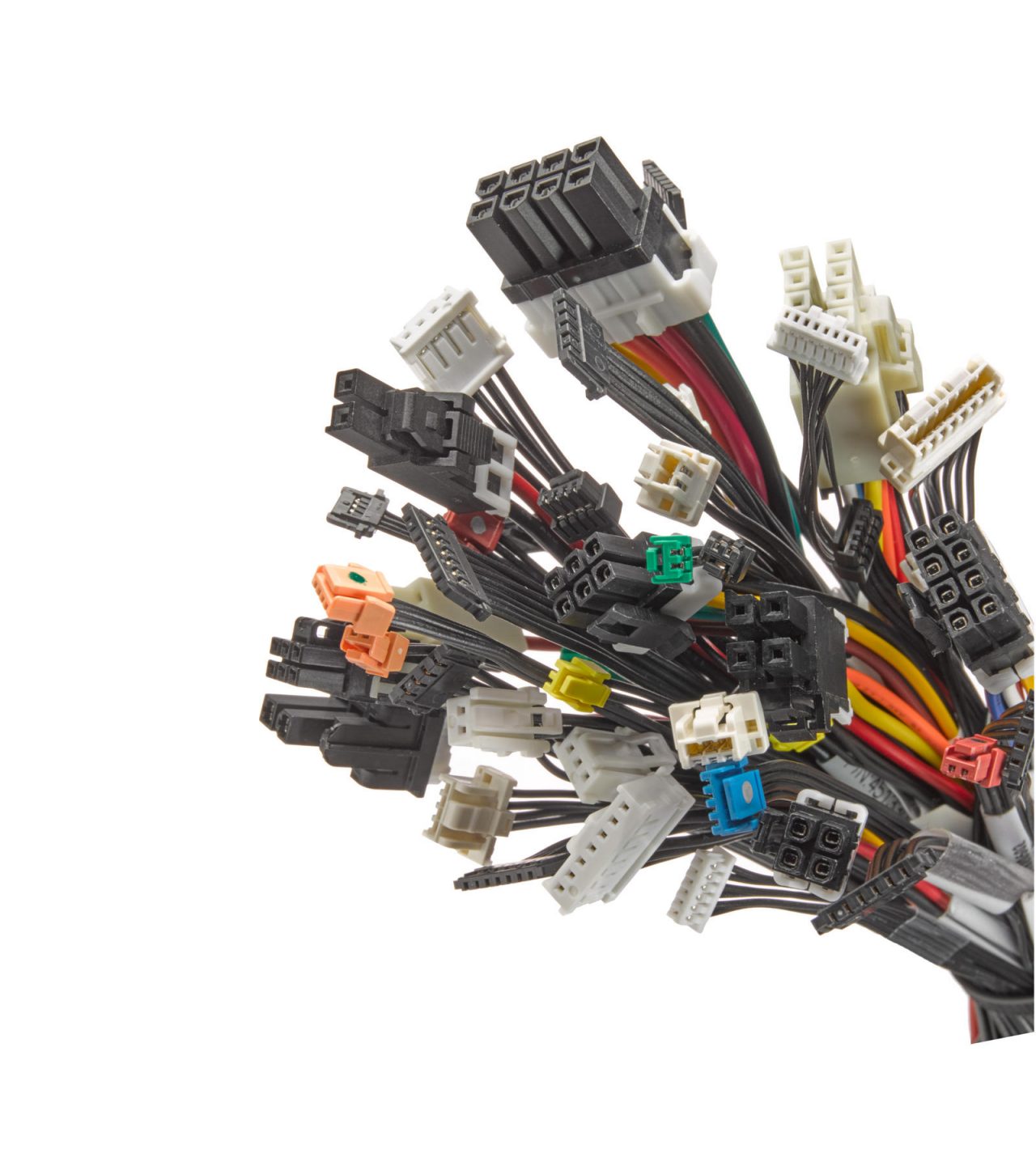
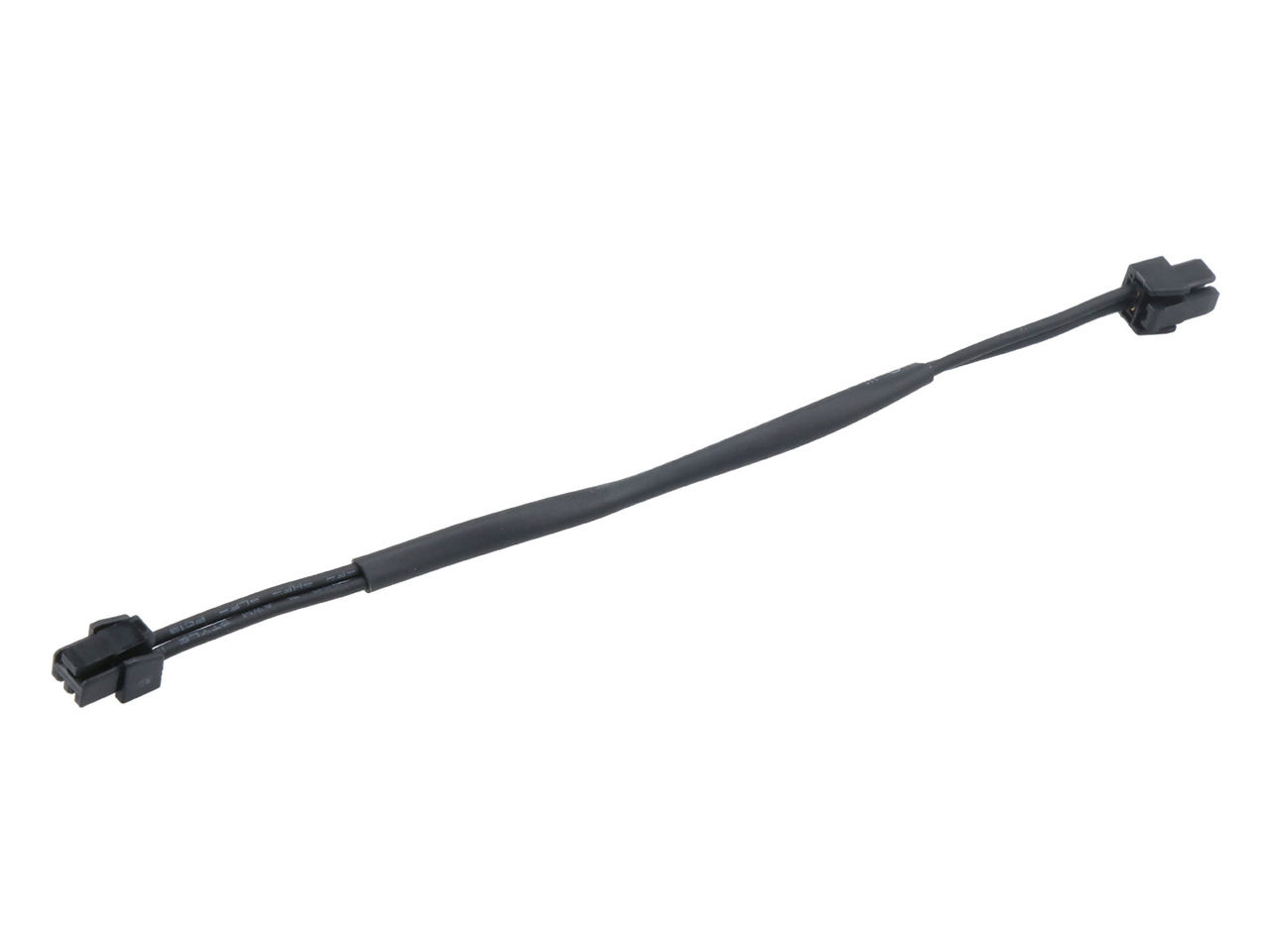
Discrete wire leak detection cables connect the monitoring system to the flexible printed circuit (FPC). The FPC has parallel conducting printed circuits that do not touch each other, and the FPC is laid out on critical areas of the tray. When the conductors come in contact with water, the liquid bridges the conductors, creating a short that is sent to the monitor to notify the operator. The cable assemblies incorporate small connectors such as Micro-Lock Plus, Micro-Fit or Nano-Fit Connectors to provide a solution. The cable and FPC solution is more widely used since the FPC covers a wider area than the rope-style alternative.
Is there a sensor in the cable assemblies?
There are no sensors in the cable assemblies. Instead, two braided conductors function as a sensor in the rope-type cables. The discrete-type cables use FPCs to provide parallel circuits.
How do Leak Detection Cables create value for customers?
Leak Detection Cables help customers detect liquid leakage early, including water and water/glycol mixtures. Once there is a leakage signal, customers will determine the problem area early enough to help prevent process failure and system damage.