IT professional using a laptop in a modern data center with glowing blue server racks.

Next-Generation Near-ASIC Connectivity

As AI and data center platforms scale to 224G and beyond, near-ASIC connectivity has become a critical performance driver. At these speeds, typical bandwidth, power and density constraints require a system-level approach that integrates electrical, mechanical and thermal design together from the outset. Molex supports this shift with high-speed connectivity solutions and early design collaboration that help optimize the full signal path from the ASIC to the fabric.

Solving for 224G Performance, Density and Serviceability with Near-ASIC Connectivity


As data rates reach and surpass 224G, traditional board-level signaling is becoming a constraint on AI and data center performance. Interconnects in these dense systems no longer just impact signal integrity; they now affect airflow, mechanical layout and thermal budgets across the entire system.

To recover performance, designers are moving connectivity closer to the ASIC. However, this approach has introduced new tradeoffs: serviceability is more complex, mechanical tolerances are tighter and small design decisions carry enterprise-scale implications. Navigating these challenges requires an integrated design strategy where connectors, cables and board interfaces are validated as a single high-speed channel.

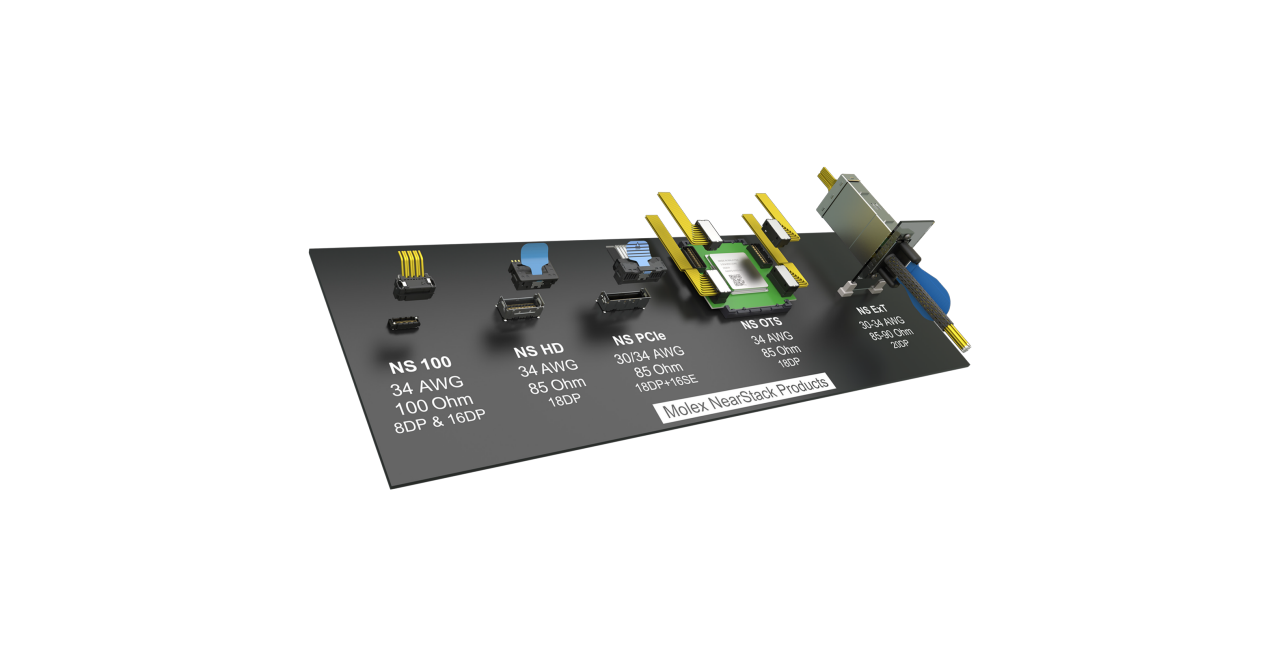
The Molex portfolio features co-packaged copper (CPC) and co-packaged optics (CPO) near-ASIC connectivity solutions designed for high-speed environments and tighter integration. A 224G-ready lineup, combined with early design collaboration and cross-disciplinary engineering, helps engineers maximize short-reach performance while maintaining serviceability and reliable system deployment.

Optimizing Near-ASIC Connectivity for 224G Systems


Overcoming Near-ASIC 224G Signal Integrity Challenges

As they get closer to the chip, traditional PCB materials and signaling approaches struggle with insertion loss and crosstalk, creating a bottleneck for next-generation AI and high-performance computing systems. Maintaining signal integrity at these speeds requires treating the full interconnect path as one system, from the ASIC package through the connector and into the cable assembly.

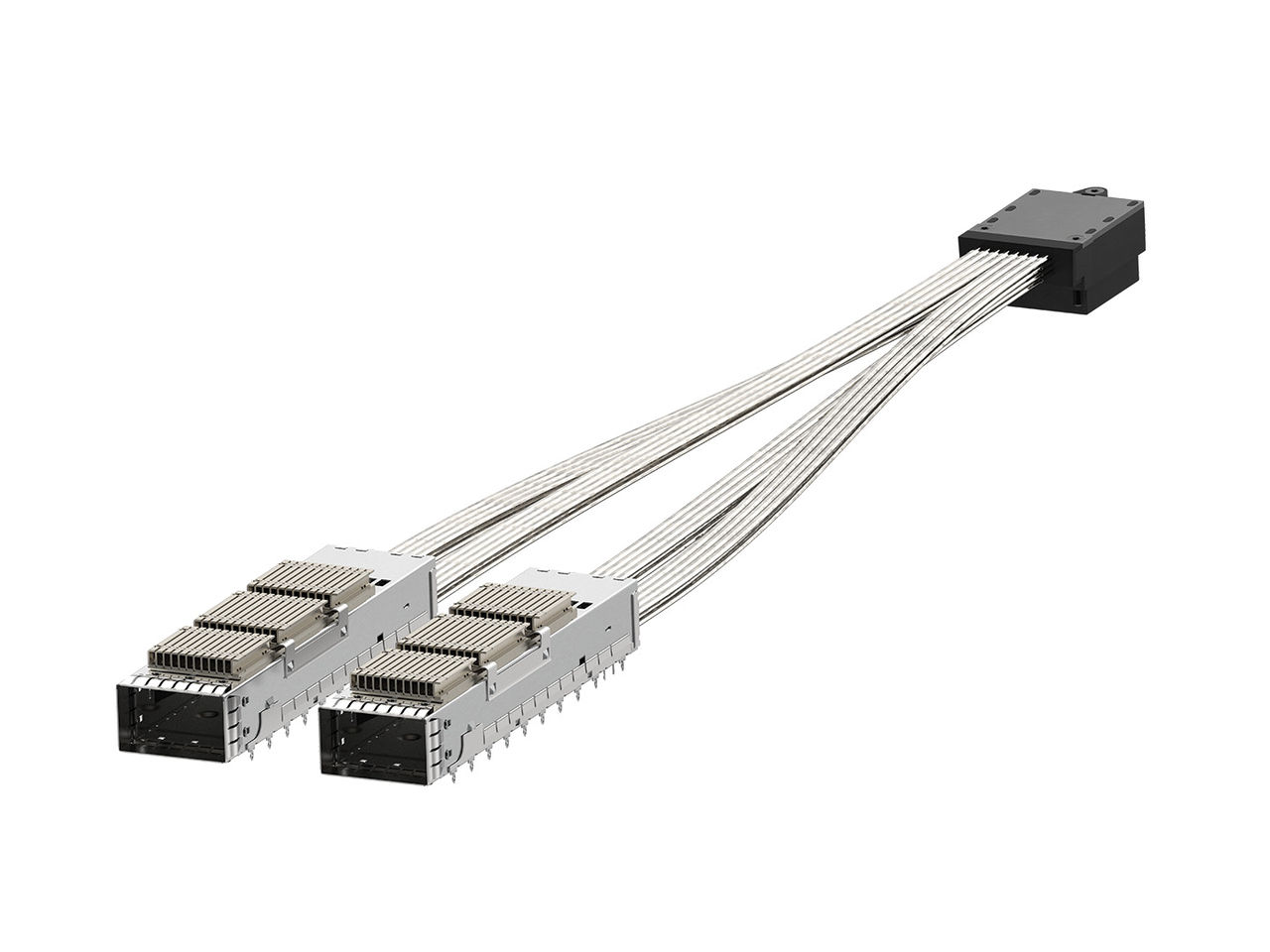
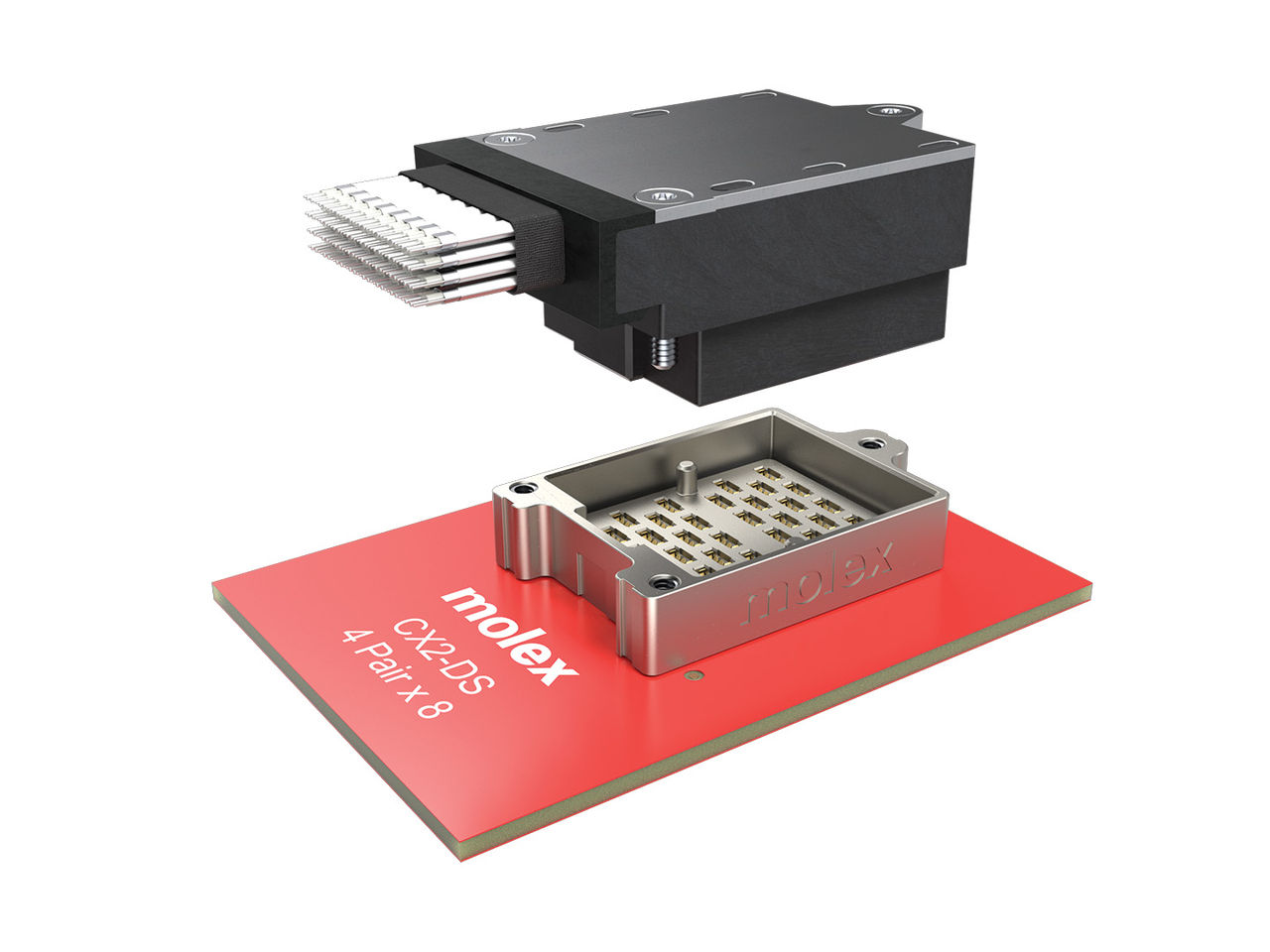
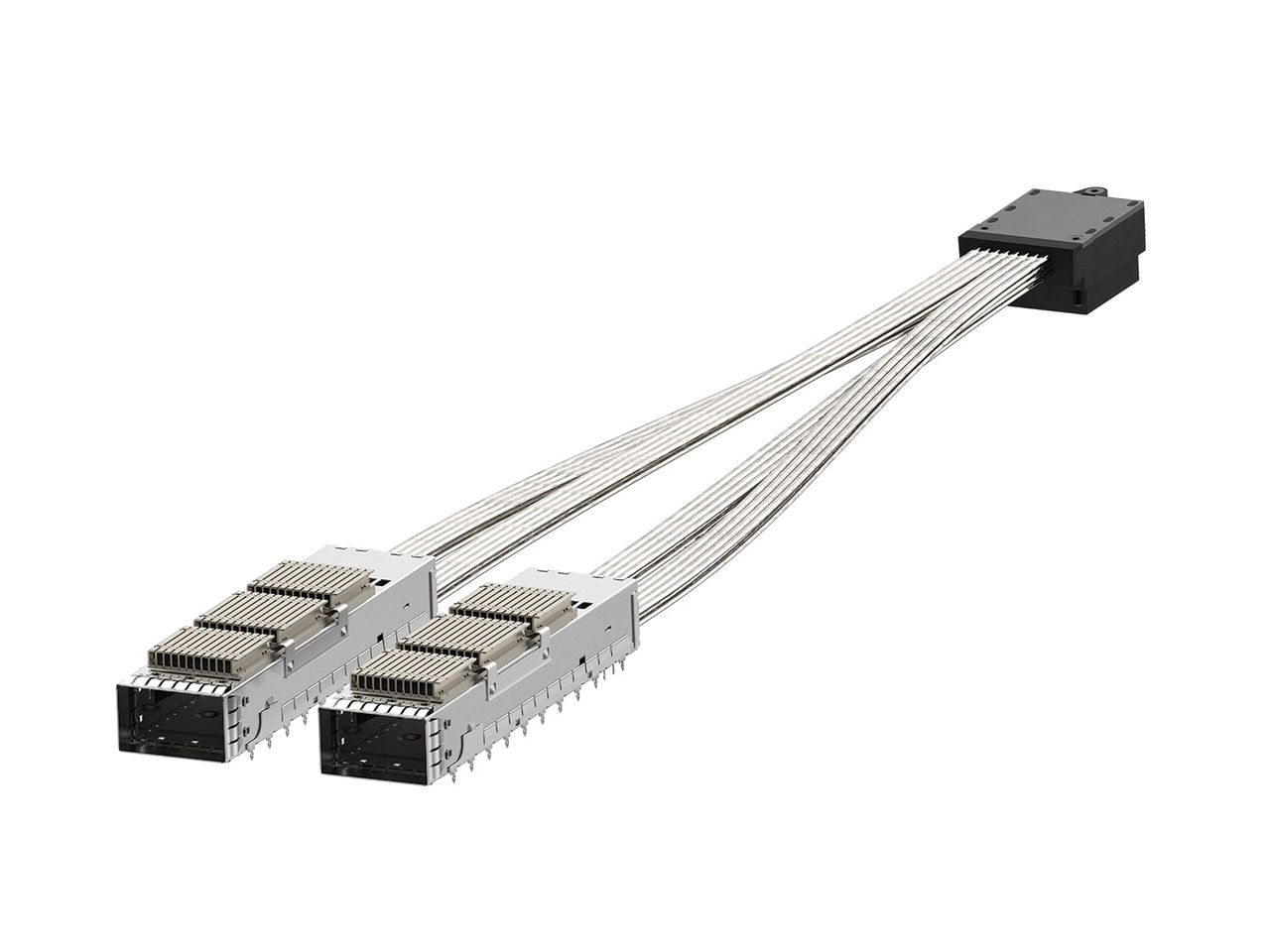
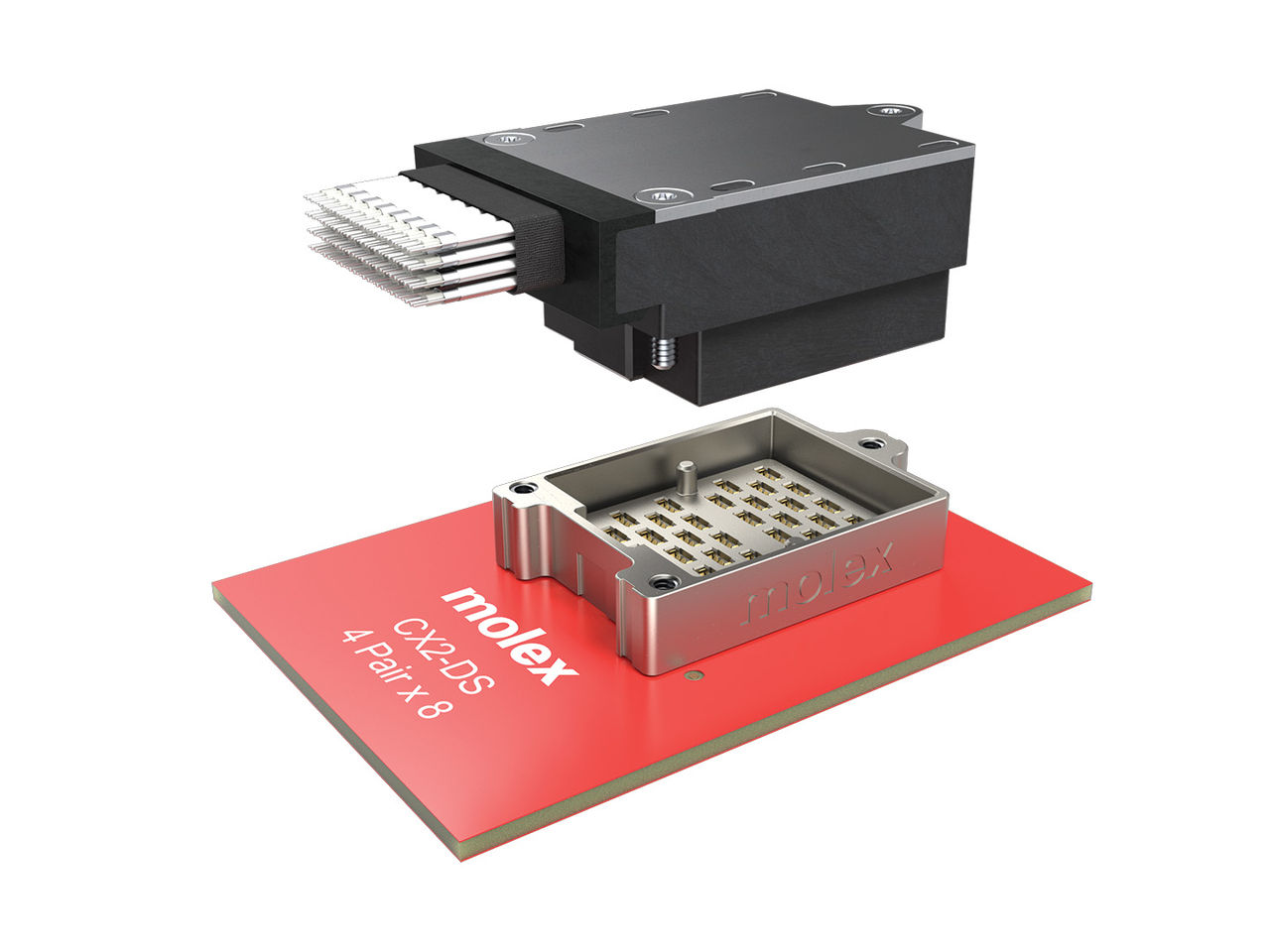
Molex designs near-ASIC solutions that transition high-speed signals from the PCB into twinax cable architectures that reduce channel loss. Platforms such as Mirror Mezz Enhanced, Inception and CX2 Dual-Speed support higher density and shielded paths to extend reach and maintain performance at 224G data rates.

Engineer servicing high-density server clusters for AI and machine learning workloads in a hyperscale data center.

Managing Thermal and Mechanical Constraints Near the ASIC

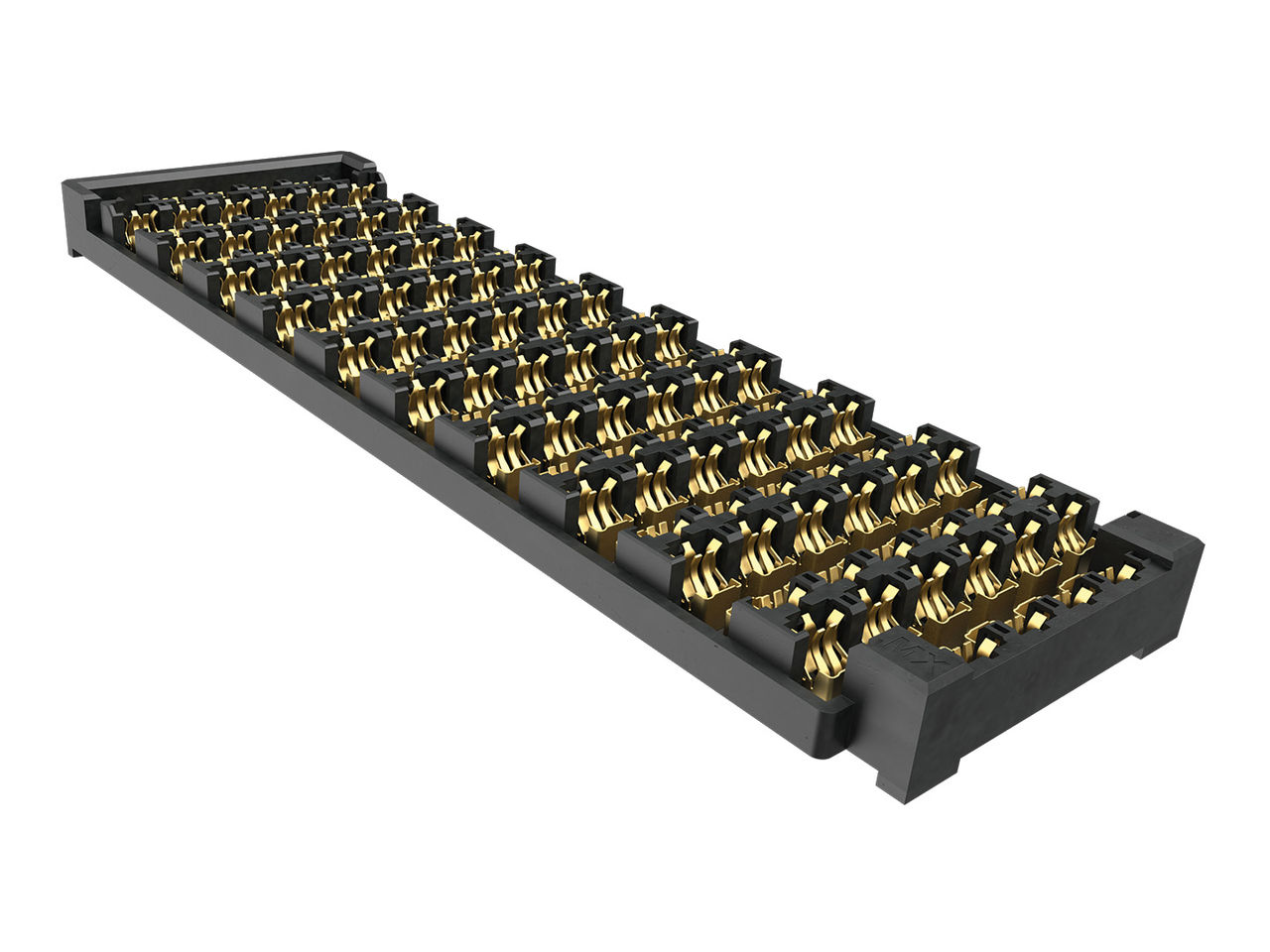
As power and density rise, interconnects placed near the ASIC can introduce mechanical stress and additional heat, increasing the risk of substrate warpage and thermal overload. Mitigation requires interfaces that manage load without transferring stress to the substrate, along with architectures that separate heat sources from sensitive regions of the package.

Molex supports this approach with compression-based copper designs and externalized optical paths that help protect the ASIC while maintaining effective thermal performance.

Advanced liquid cooling system in modern data center.

Co-Packaged Interconnects for Scaling and Serviceability

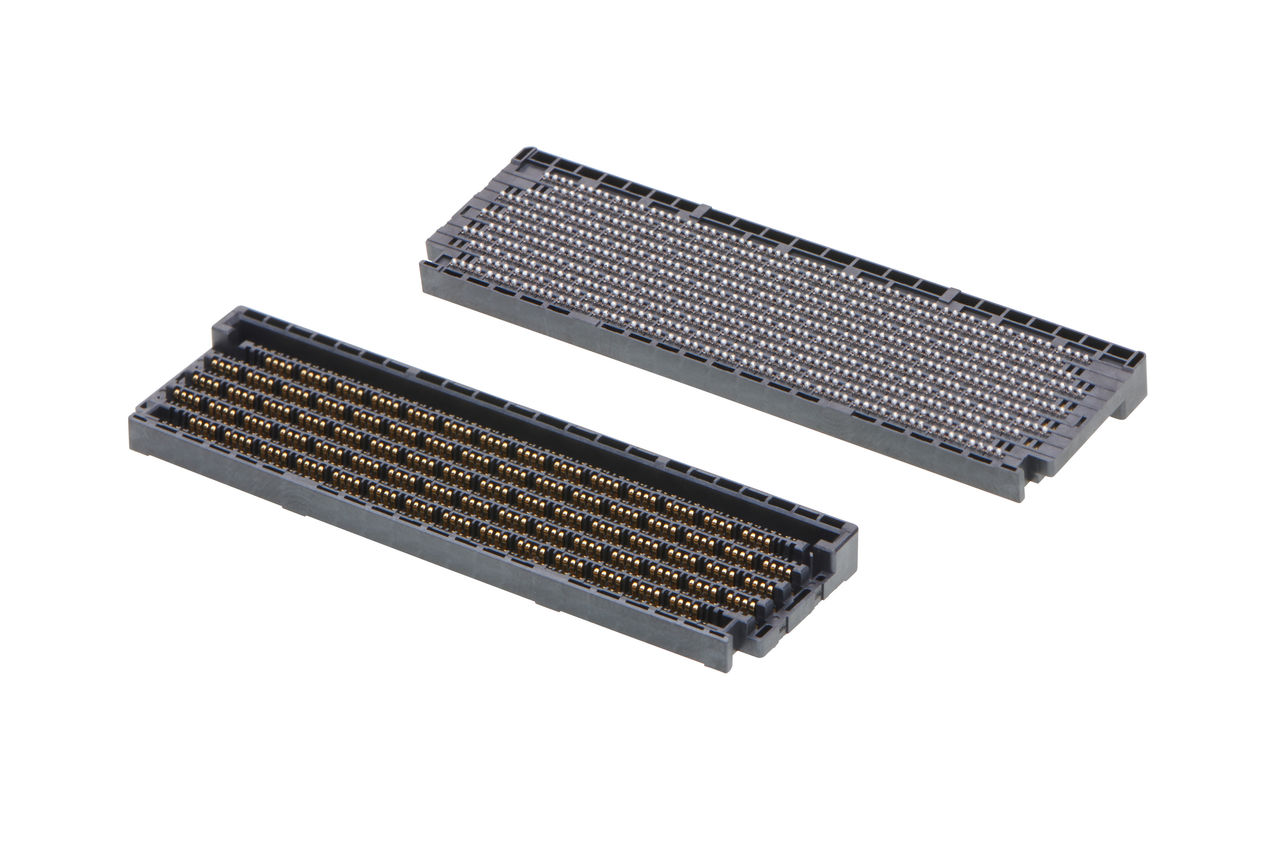
As connectivity moves closer to the ASIC, permanent or tightly integrated interconnects can increase the risk of substrate damage and make repair or replacement more difficult. Maintaining serviceability at these densities requires high-speed connectivity that supports rework while preserving signal integrity and thermal flexibility.

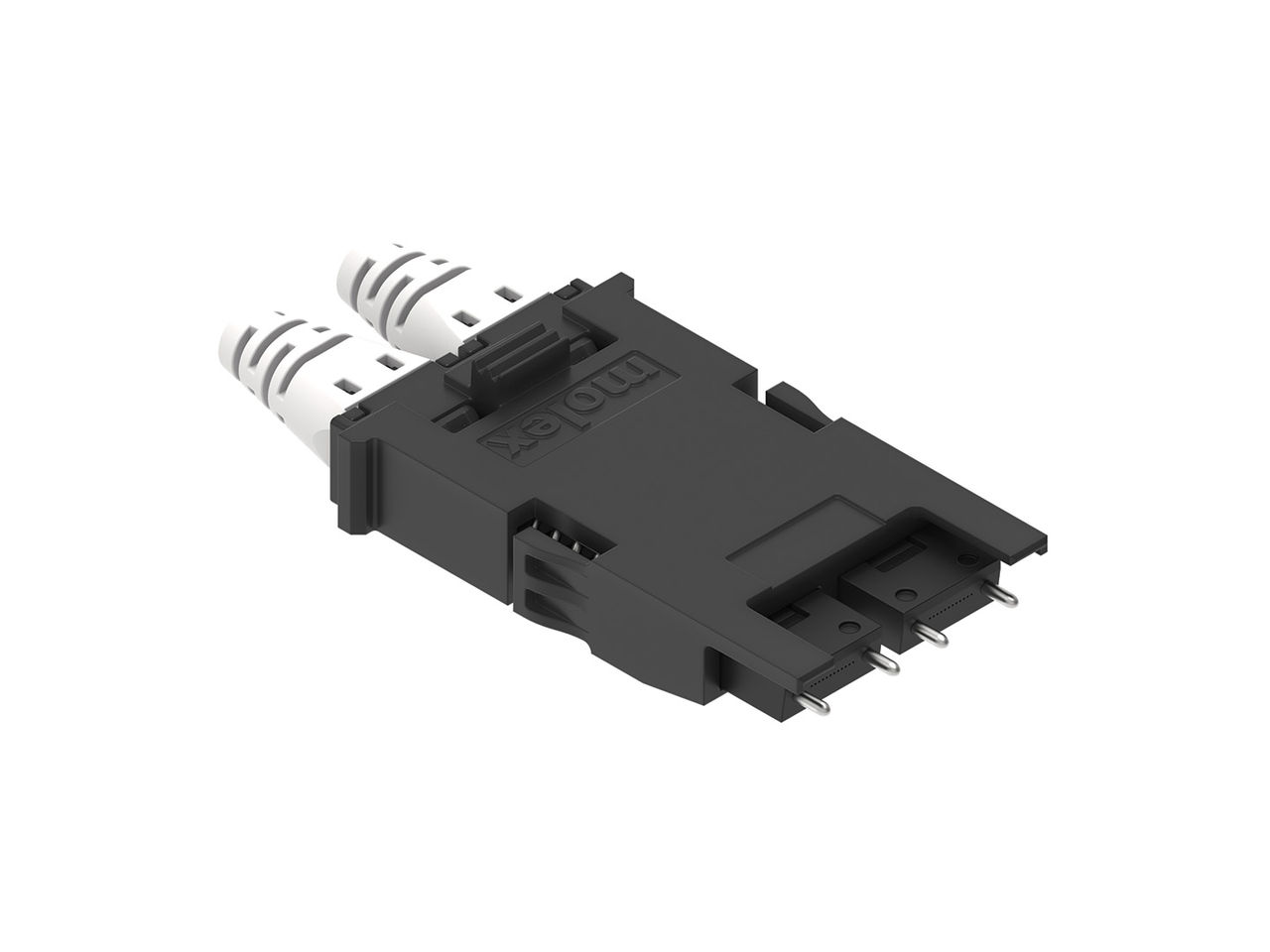
Molex overcomes this challenge with a dual-path approach, offering Impress CPC for serviceable near-ASIC copper and ELSFP CPO for scalable, low-power optical integration.

A central processing component for high-speed electronics.

Near-ASIC Resources


Blog

On-ASIC Integration

While on-ASIC integration can improve performance, permanent attachment methods can introduce serviceability and rework risk at the substrate level. A shift toward compression-based, solderless interfaces and separable fiber-to-chip designs allows connectivity to remain accessible while maintaining signal integrity.

See how Molex approaches on-ASIC connectivity, including compression-based co-packaged copper designs that support high-speed performance while preserving serviceability.

A futuristic data center interior featuring rows of server racks with high-speed data processing and on-ASIC integration in a hyperscale environment.

Blog

XPO MSA: A New Form Factor for High-Density I/O

The higher the density, the more likely traditional I/O interfaces will limit airflow, mechanical spacing and power efficiency in AI systems. These constraints are driving the need for new form factors that combine high-density signaling with integrated liquid cooling to support next-generation architectures.

Read how the XPO MSA approaches these challenges with a design that aligns direct liquid cooling to high-density signaling.

Two IT professionals stand on a walkway in a large, modern data center filled with server racks.

Blog

Why Interconnects Are Moving Closer to the Chip

Rising demands from AI and high-performance computing have system designs hurtling toward a performance wall, which is driving interconnects closer to the chip substrate. This shift requires tighter control of both physical proximity and the connections between boards and substrates to maintain signal integrity and system reliability.

In this blog, learn how deep experience in near-ASIC design helps inform on-ASIC strategies that prioritize reworkable interfaces and substrate protection.

AI data center with sleek technology, glowing servers, and network hardware in a large, modern facility.