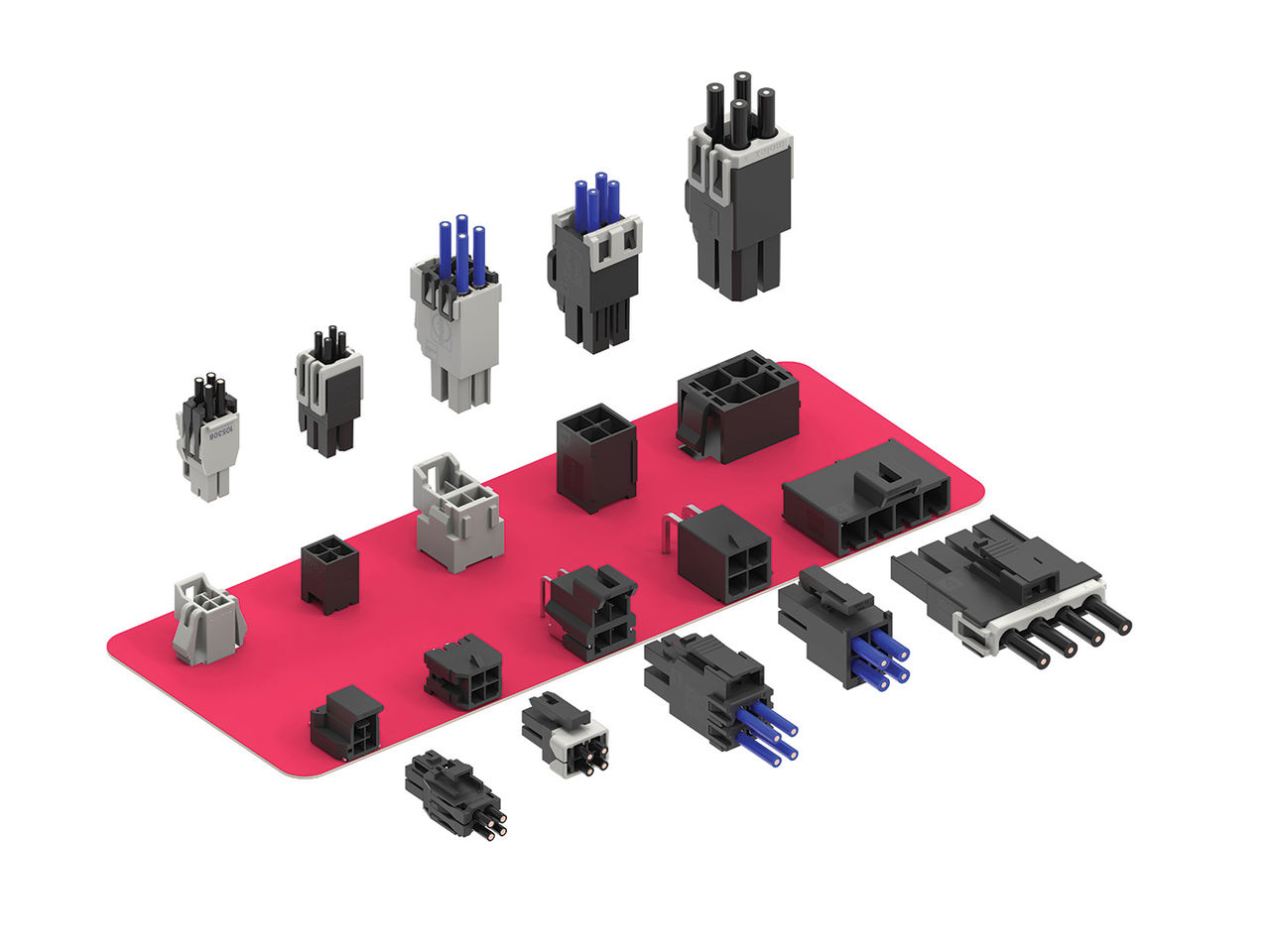

| Pitch | Current | Wire Gauge | Operating Temperature |
|---|---|---|---|
| 3.00mm | Up to 10.5A | 30 to 18 AWG | -40 to +125°C |
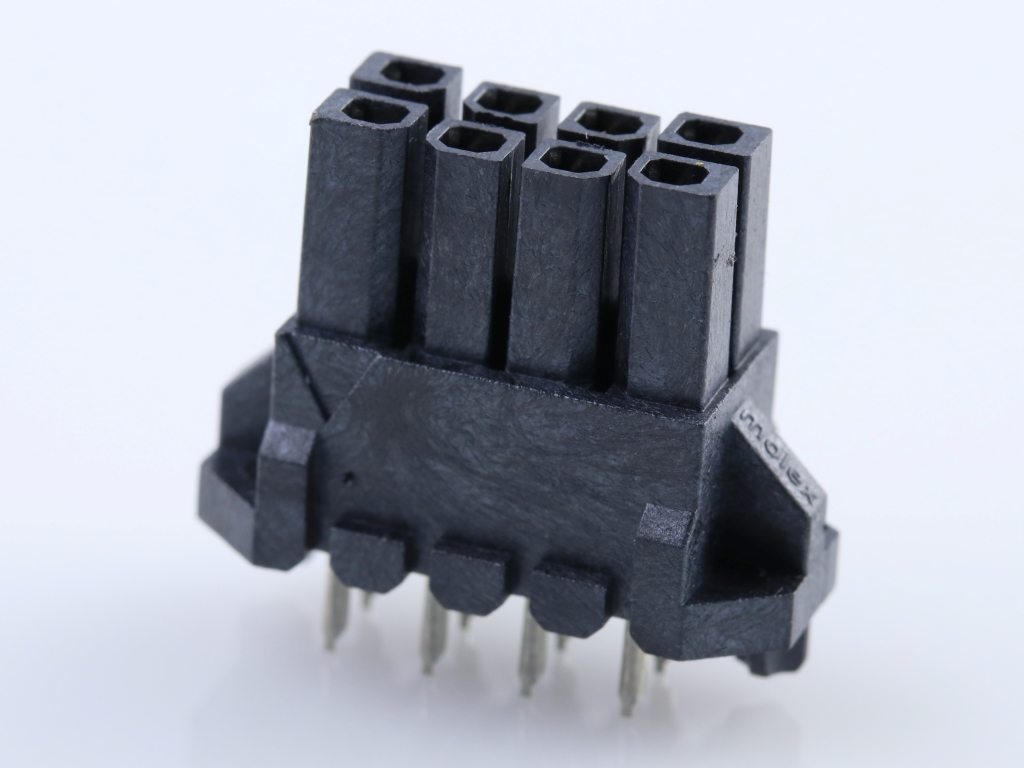
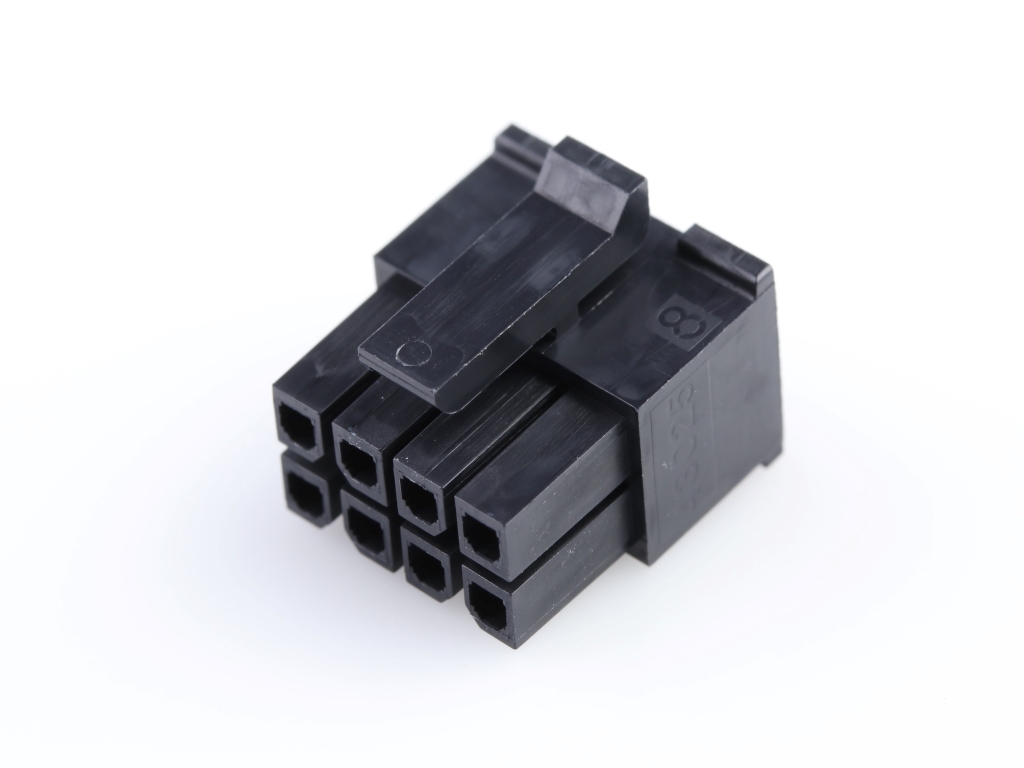
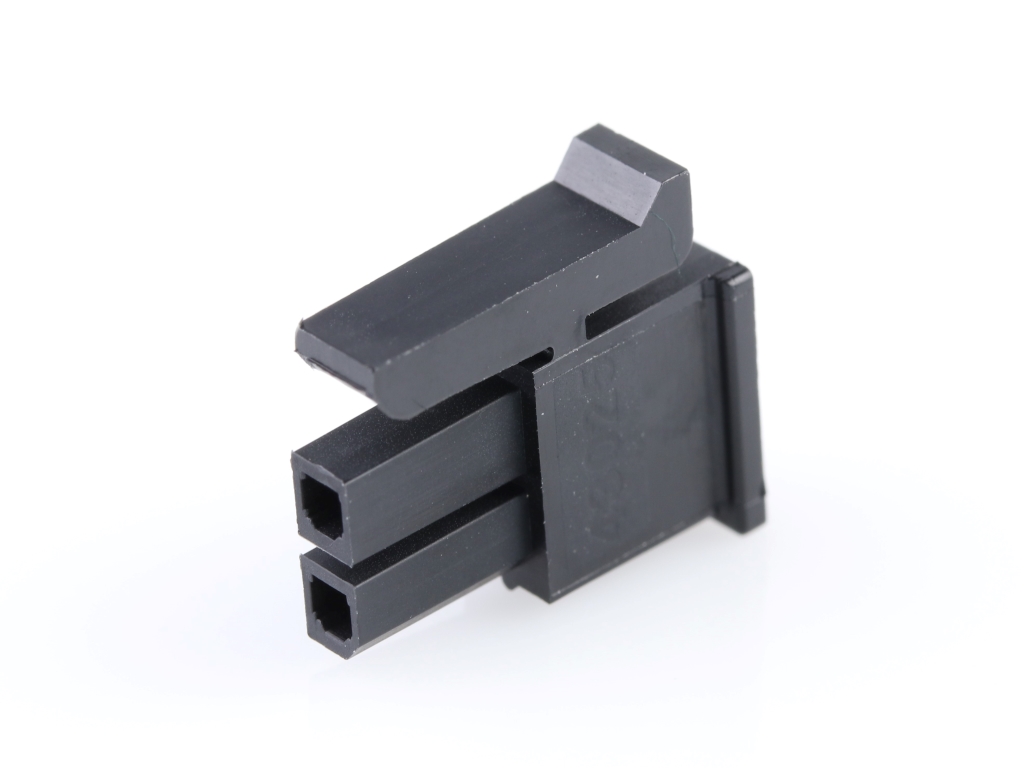
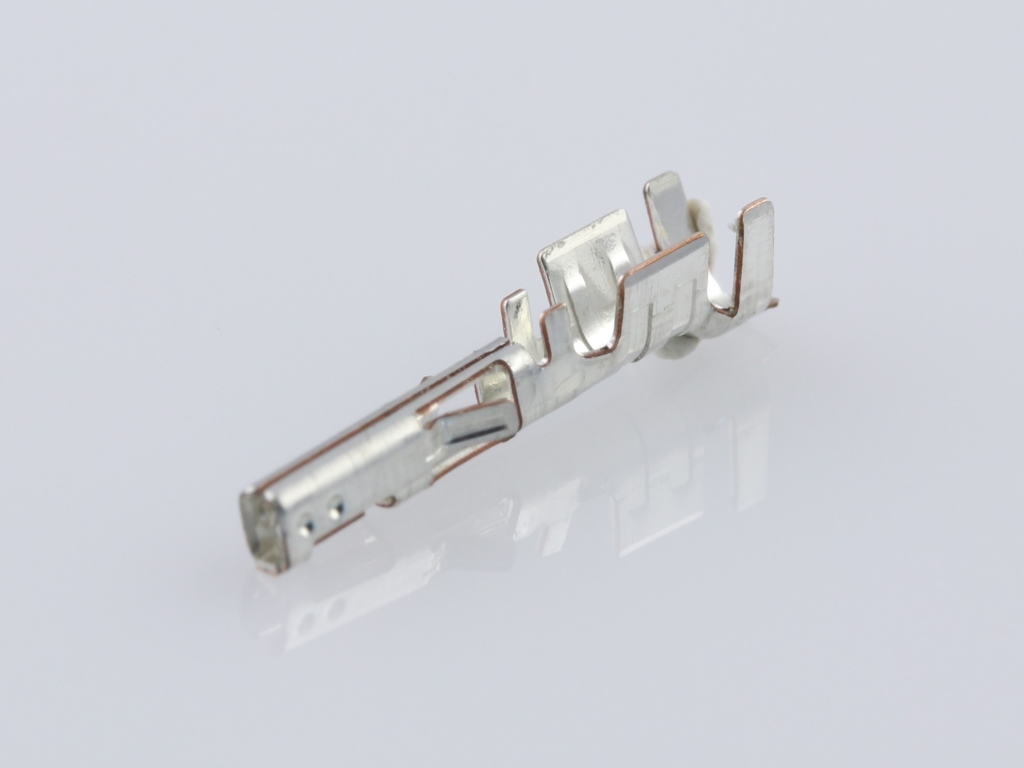
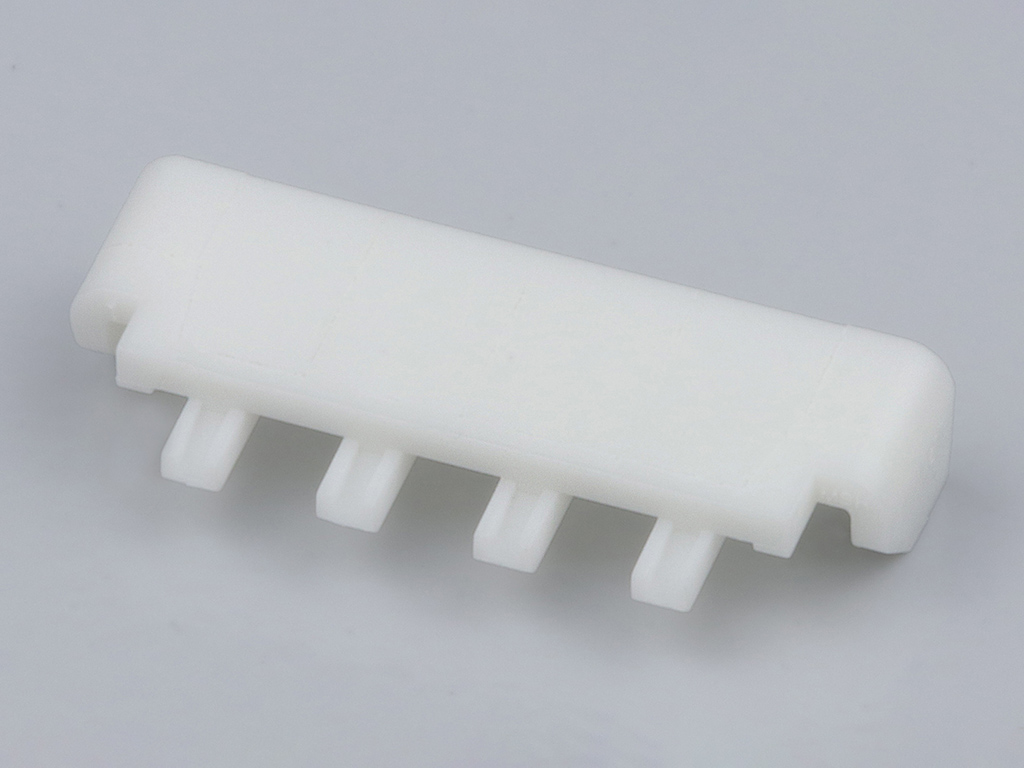
Features and Benefits
As thicker PCBs are needed to support increased power demands and multiple signals introduce additional complexities, design engineers look for ways to maximize PCB space and overcome space constraints in applications. Micro-Fit Connectors offer a compact, high-performance interconnect solution, blending power and flexibility without compromising space or reliability. Designed for durability and ease of use, these connectors feature reduced mating force terminals that can withstand up to 250 mating cycles at a reduced insertion force—overall, enhancing the product lifespan and assembly operator ergonomics.
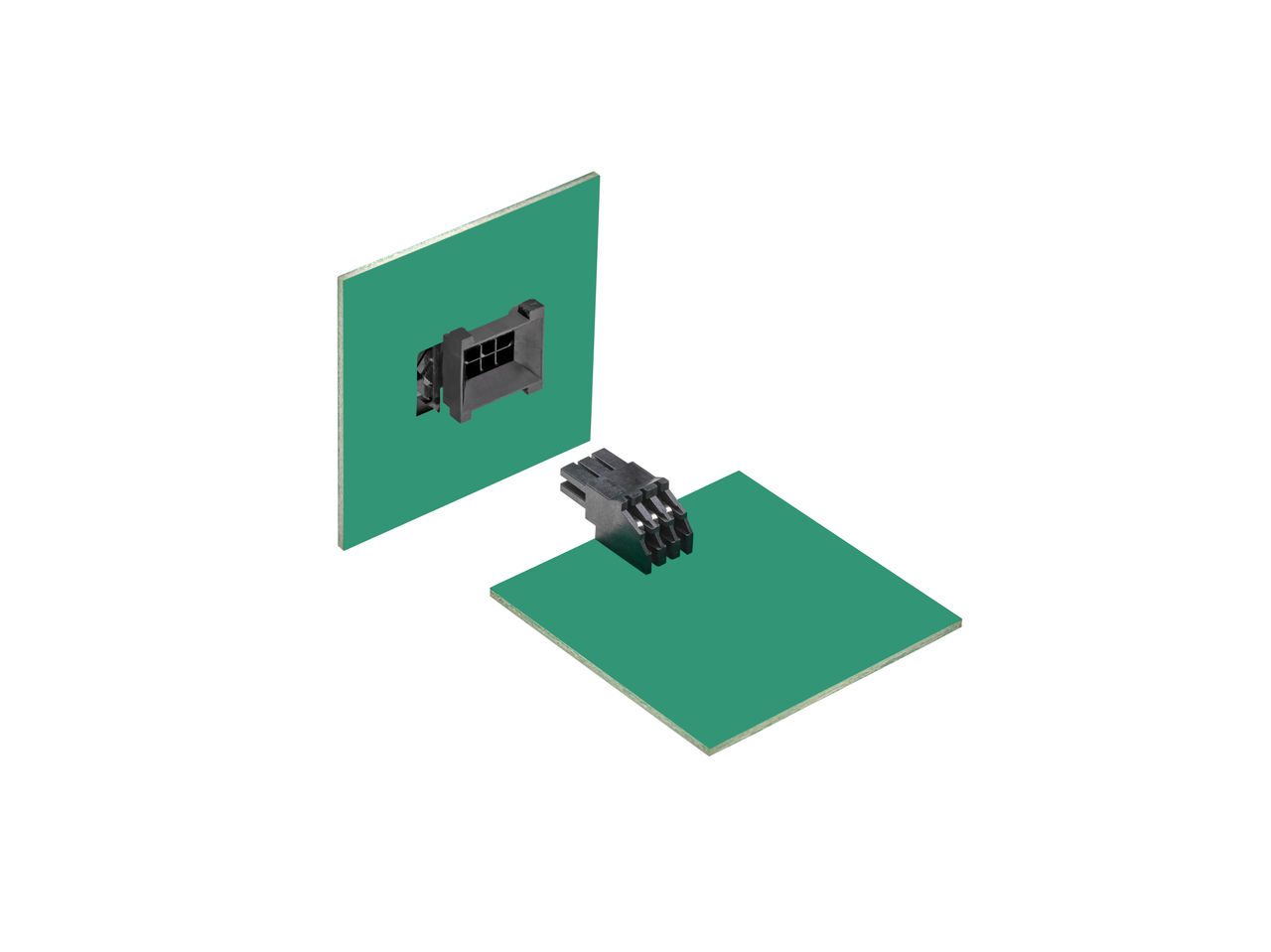
Micro-Fit Connectors support diverse assembly requirements with surface mount, press-fit, through-hole and compliant-pin interface (CPI) versions offering unmatched design flexibility. The inclusion of fitting nails and solderable clips provides robust header retention and strain relief to safeguard against mechanical stresses. Customers can expect significant cost savings by avoiding the need for additional manufacturing processes to terminate product to the PCB.
The built-in blind-mating interface (BMI) feature allows for up to 2.54mm of misalignment, facilitating a smoother and more forgiving assembly process. These connectors are engineered to meet the exacting demands of compact, high-performance applications and the requirements of government regulations for EH&S compliance.
Datasheets and Guides
Tech Brief (PDF)
Videos
Applications by Industry

Harness manufacturers
In-cabin applications
Interior automotive devices
Non-sealed applications

Refrigerators
Freezers
Printers
Scanners
Security systems
Smart Homes
Washing machines

Commercial HVAC systems
Residential HVAC systems

Automation
Industrial robotics
Power distribution
Robotics

Routers and switches
Servers
Storage systems


Routers and switches
Servers
Storage systems
This is not a definitive list of applications for this product. It represents some of the more common uses.
Frequently Asked Questions
What are Micro‑Fit Connectors?
Micro‑Fit Connectors are compact wire‑to‑board interconnects designed to deliver reliable power and signal connections in space‑constrained applications. These connectors feature a 3.00mm pitch and support currents up to 10.5A, making them ideal for designs that require a balance of size, performance and flexibility. Micro‑Fit Connectors are commonly used in systems where engineers need high‑density connectivity, reliable electrical performance and compact form factors.
When should engineers use Micro-Fit Connectors?
Engineers should use Micro‑Fit Connectors when they need compact, high‑performance connectivity for both power and signal in space‑limited designs. These connectors are especially useful when PCB space is constrained, a combination of moderate power and signal is needed, assembly efficiency and reliability are crucial and applications require durability across multiple mating cycles.
How do Micro‑Fit Connectors compare to Mini‑Fit Connectors?
Micro‑Fit Connectors are smaller and designed for higher‑density applications, while Mini‑Fit Connectors are larger and typically support higher current levels. With a compact 3.00mm pitch, Micro‑Fit Connectors are ideal for space‑constrained designs that require both power and signal in a single interface, such as compact electronics, appliances and embedded systems. In contrast, Mini‑Fit Connectors feature a larger pitch and are better suited for applications where delivering higher power is the primary requirement, and space is less restricted, such as power supplies. In general, Micro‑Fit Connectors are best for maximizing density and design flexibility while Mini‑Fit Connectors are preferred for higher power capacity.
What applications are best suited for Micro‑Fit Connectors?
Micro‑Fit Connectors are best suited for compact systems that require reliable power and signal connectivity across a range of applications. They are commonly used in home appliances including washing machines and control systems, as well as in servers, storage and telecom equipment, automotive unsealed applications, and industrial or embedded electronics. These connectors are particularly valuable in designs where engineers must balance limited space with performance, ensuring high reliability while also enabling efficient and user‑friendly assembly.
What are blind-mate connectors?
Blind mating is a feature that allows connectors to be joined without direct visual access during assembly, making the process faster and more forgiving. In Micro‑Fit Connectors, the blind‑mate interface can accommodate up to 2.54mm of misalignment, automatically guiding the connector into the correct position and reducing the need for manual adjustment. This simplifies the assembly process, improving speed and ease of use while also enhancing reliability in manufacturing environments.
How do Micro-Fit Connectors support compact PCB designs?
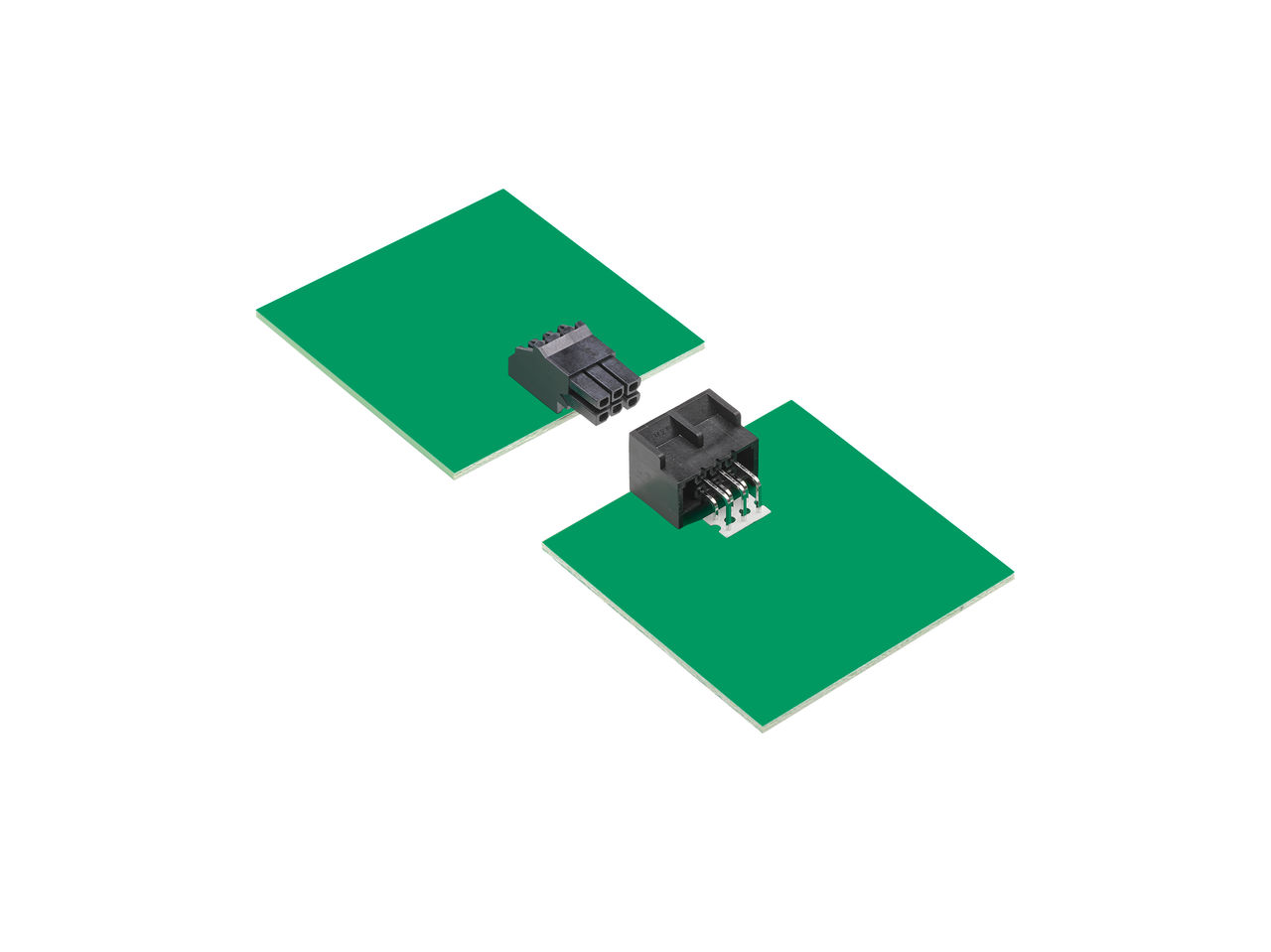
Micro‑Fit Connectors enable compact PCB design by minimizing space requirements while maintaining strong electrical performance and mechanical reliability. Their small form factor and tight pitch allow engineers to maximize board space, while the ability to combine power and signal in a single connector reduces the need for multiple components. Flexible configurations—including wire‑to‑board, board‑to‑board, and wire‑to‑wire—provide additional design versatility. Available features such as blind mating and reduced mating force (RMF) terminals support efficient, user‑friendly assembly. Together, these capabilities allow engineers to design smaller, more streamlined systems without compromising reliability.
What termination interface styles are available for Micro-Fit Connectors?
The Micro-Fit product family has many diverse design options depending on the PCB thickness or component layout on the board. Options include through-hole, through-hole kinked pin, through-hole compliant pin and surface-mount. Additionally, Molex has solder options for electrical testing.
What options are available for terminal position assurance (TPA) within the Micro-Fit product family?
There are two options for TPA within the Micro-Fit family. The first is an additional TPA piece that is added after the terminals/wires are inserted into the housing. The second option is a secondary locking mechanism that is attached to the housing. Both TPA options feature designs to help prevent terminal back-out and provide strain relief in tight-spaced or high-vibration applications.
Do first mate, last break (FMLB) terminals work with standard Micro-Fit Connectors?
Yes, since FMLB terminals work with standard Micro‑Fit housings, customers can adopt this functionality without redesigning their connectors.