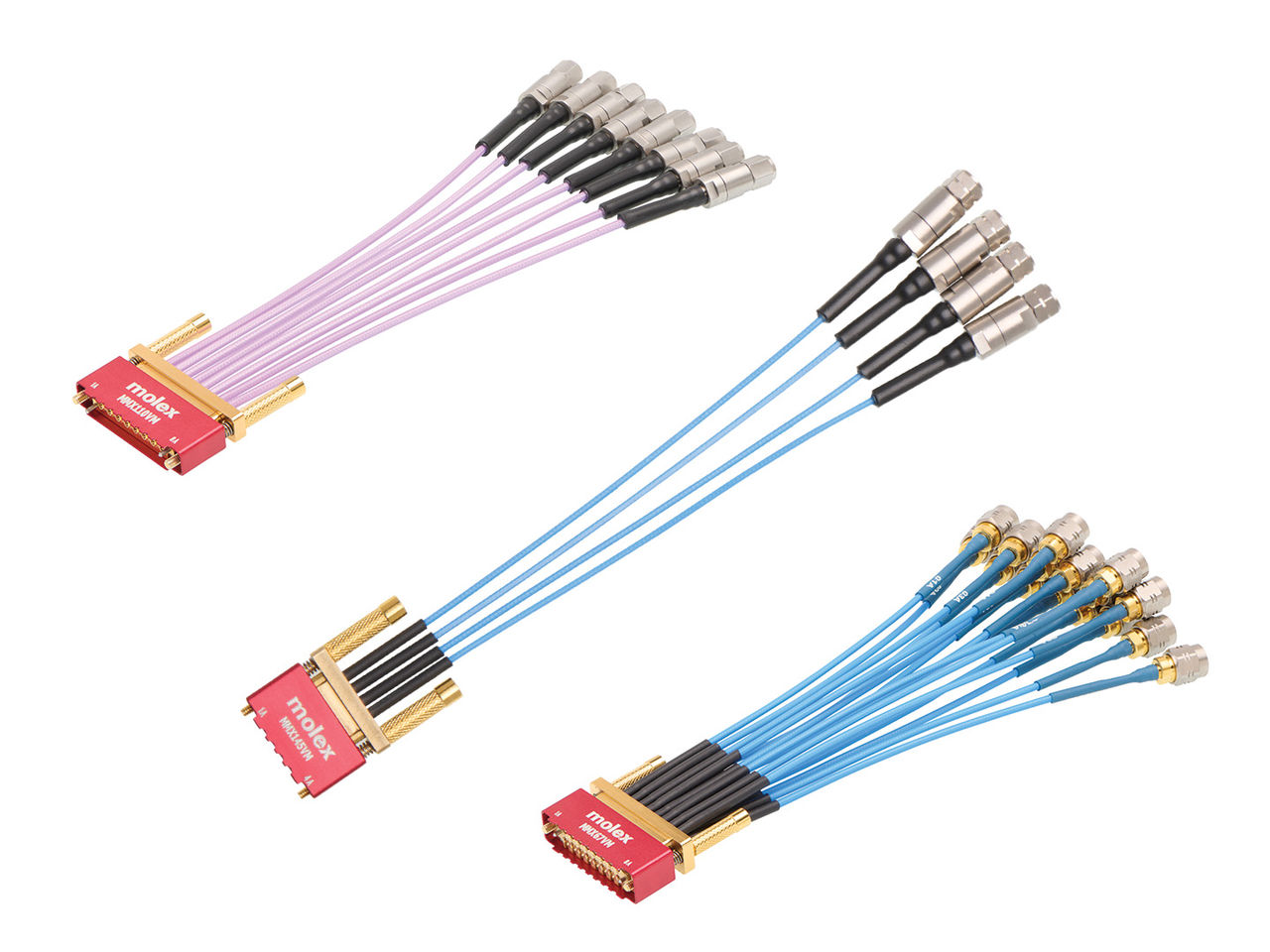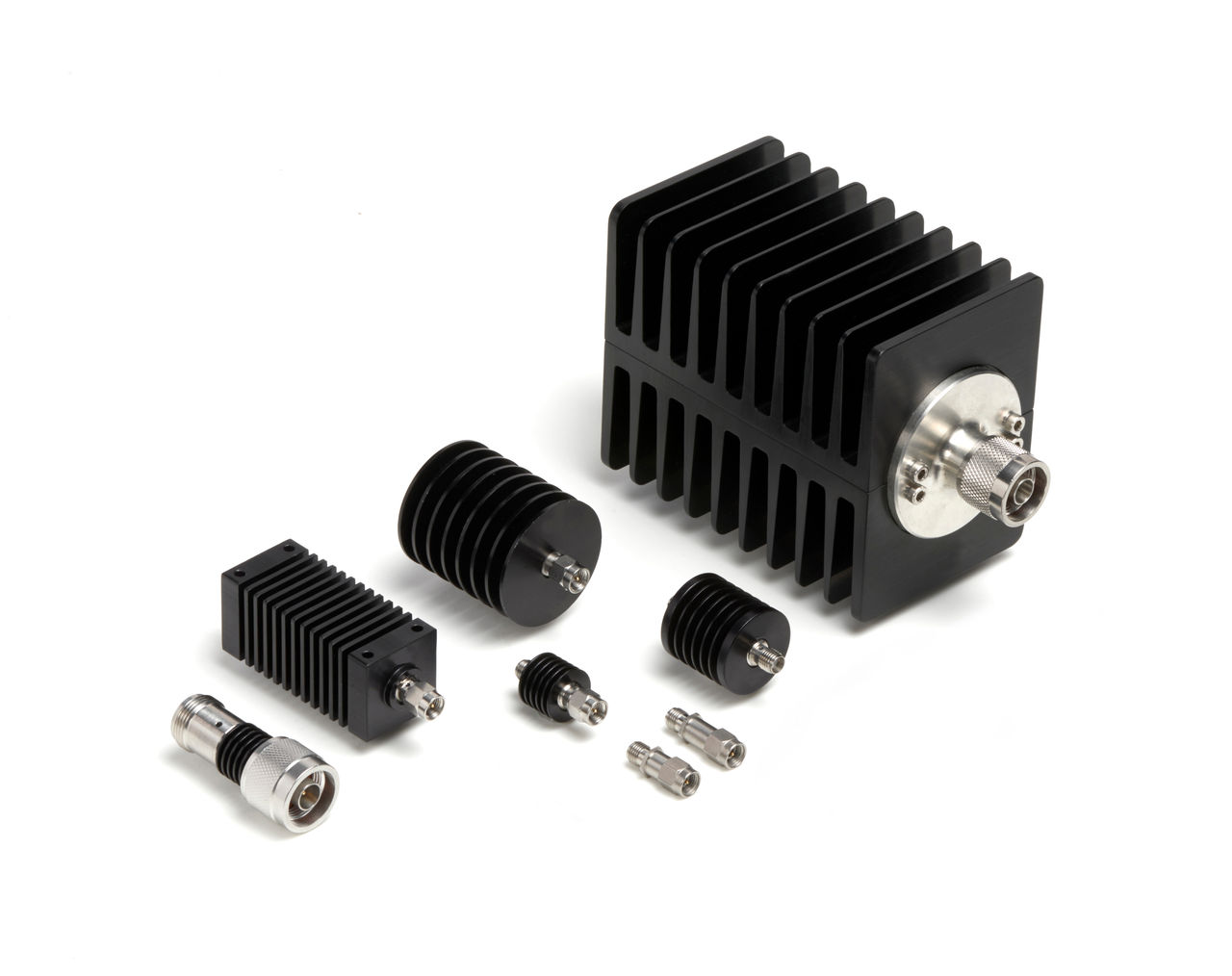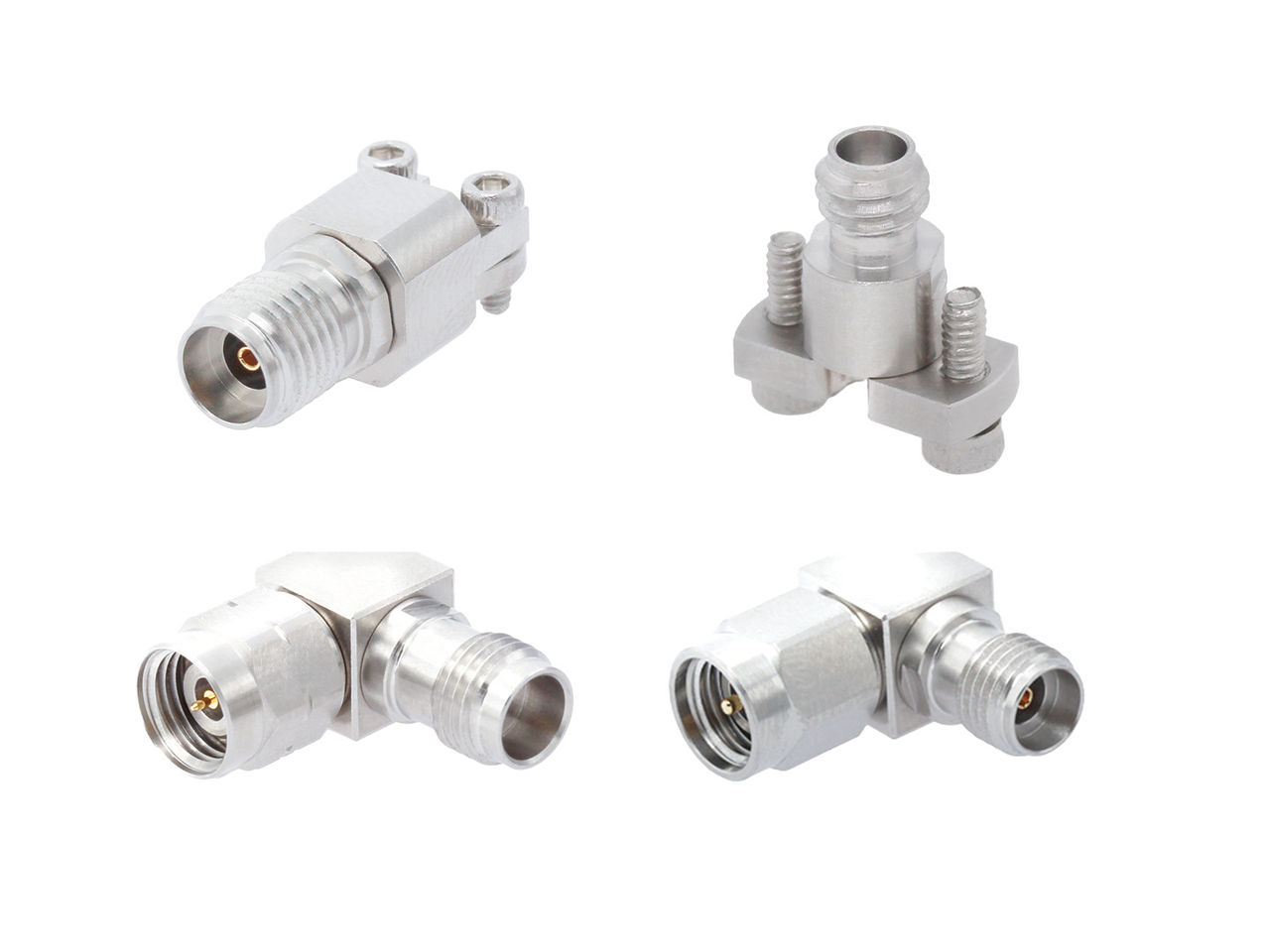

At high frequencies, connectors emerge as a common source of measurement error. Engineers routinely contend with insertion loss, phase instability and wear-related repeatability issues that compromise accuracy over time. In high-cycle and automated test setups, these effects are amplified, often forcing teams to spend valuable debug time determining whether anomalies originate in the device under test (DUT) or from connector degradation. Differences in connector strategies across lab, manufacturing and field environments further complicate correlation and validation workflows.
Addressing these challenges requires interconnect solutions designed explicitly for the rigors of RF test and measurement. High-performance connectors with low insertion loss and phase stability under flexure are essential to mitigating signal degradation at mmWave frequencies. Equally important are calibration practices that establish the reference plane at the connector interface leveraging SOLT, TRL or ECal techniques to de-embed the test setup and isolate the DUT performance. When combined with disciplined inspection, cleaning and lifecycle tracking, these approaches minimize measurement uncertainty and support repeatable, trustworthy results.
Molex applies lifecycle management and application-driven calibration practices to help engineers achieve consistent signal integrity across test environments. Tight mechanical tolerances and optimized connector designs mitigate loss and phase instability, while proactive maintenance and mating-cycle control reduce wear-related variability. By aligning calibration methods to real connector interfaces, Molex solutions improve efficiency in lab-to-production workflows and build greater confidence in RF test accuracy.