
| Circuit Options | Capacitance Values | Current |
|---|---|---|
| C, LC, Pi | 100 pF to 1 µF (bolt in) 1,500 pF to 0.22 µF (high voltage) |
3.0 to 25.0A (bolt in) 25.0 to 100.0A (high voltage) |
Features and Benefits
As digital and wireless devices proliferate, consistent and accurate EMI filtering is increasingly essential. For many applications, EMI filters must withstand dust, moisture, shock forces and extreme temperatures. Increasingly complex electronic systems also present significant design challenges, including mechanical integration of components and compliance with performance standards.
Sealed, high-performance EMI filters enhance equipment reliability, reduce downtime and minimize maintenance costs by ensuring consistent operation even in challenging conditions. Offering a variety of mounting styles can reduce design challenges, accelerate product development, shorten time to market, and improve compliance and risk mitigation.
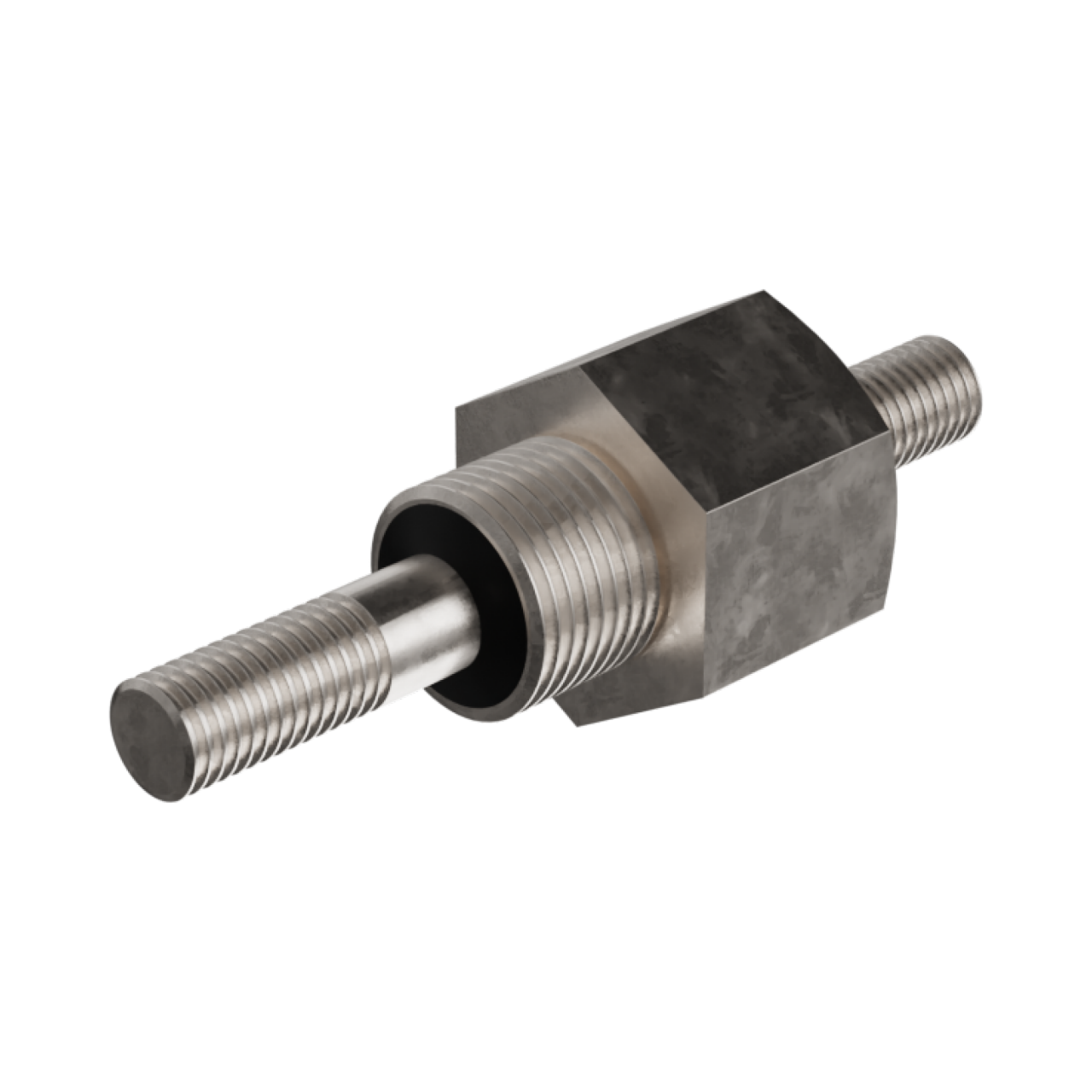
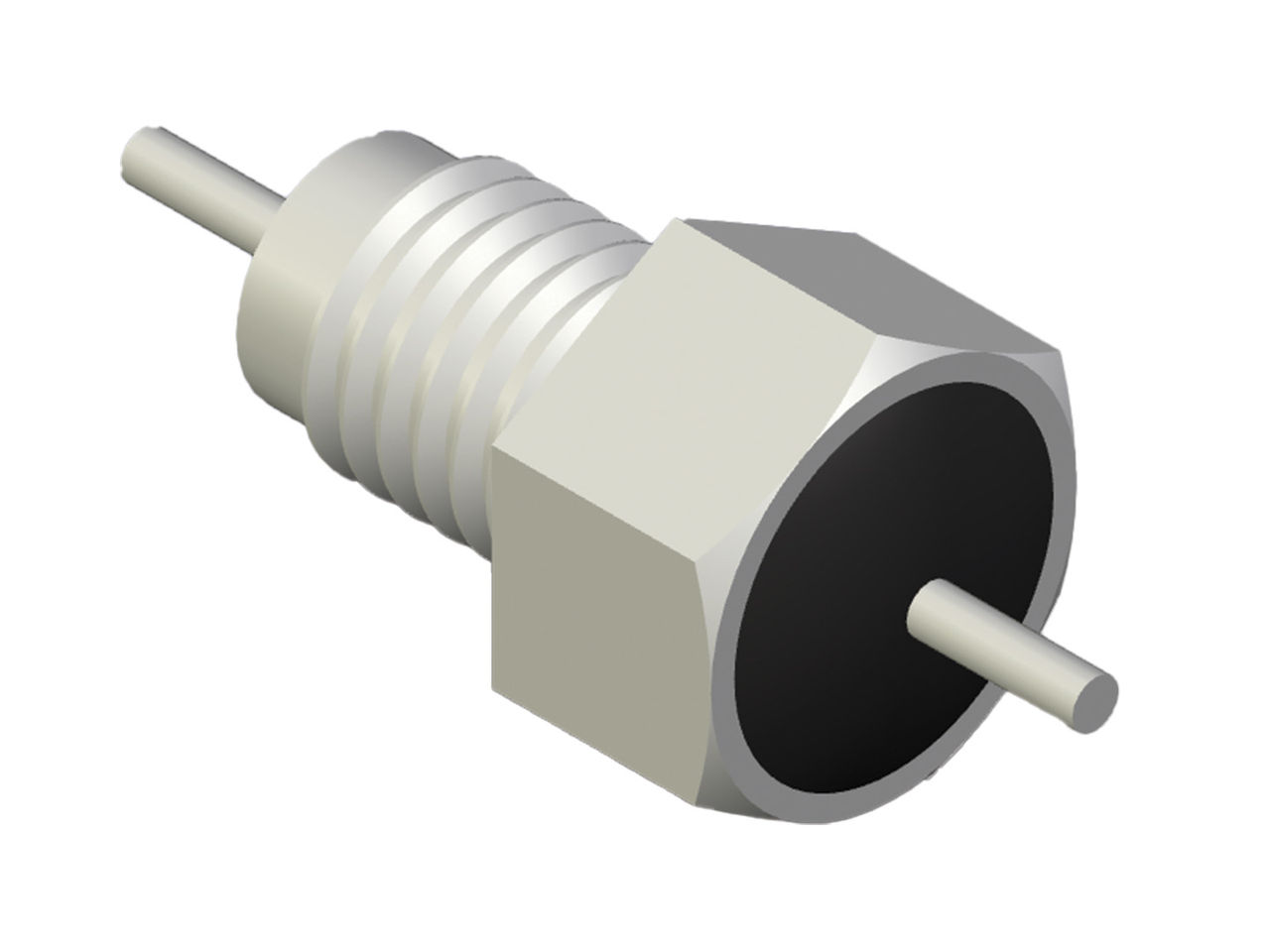
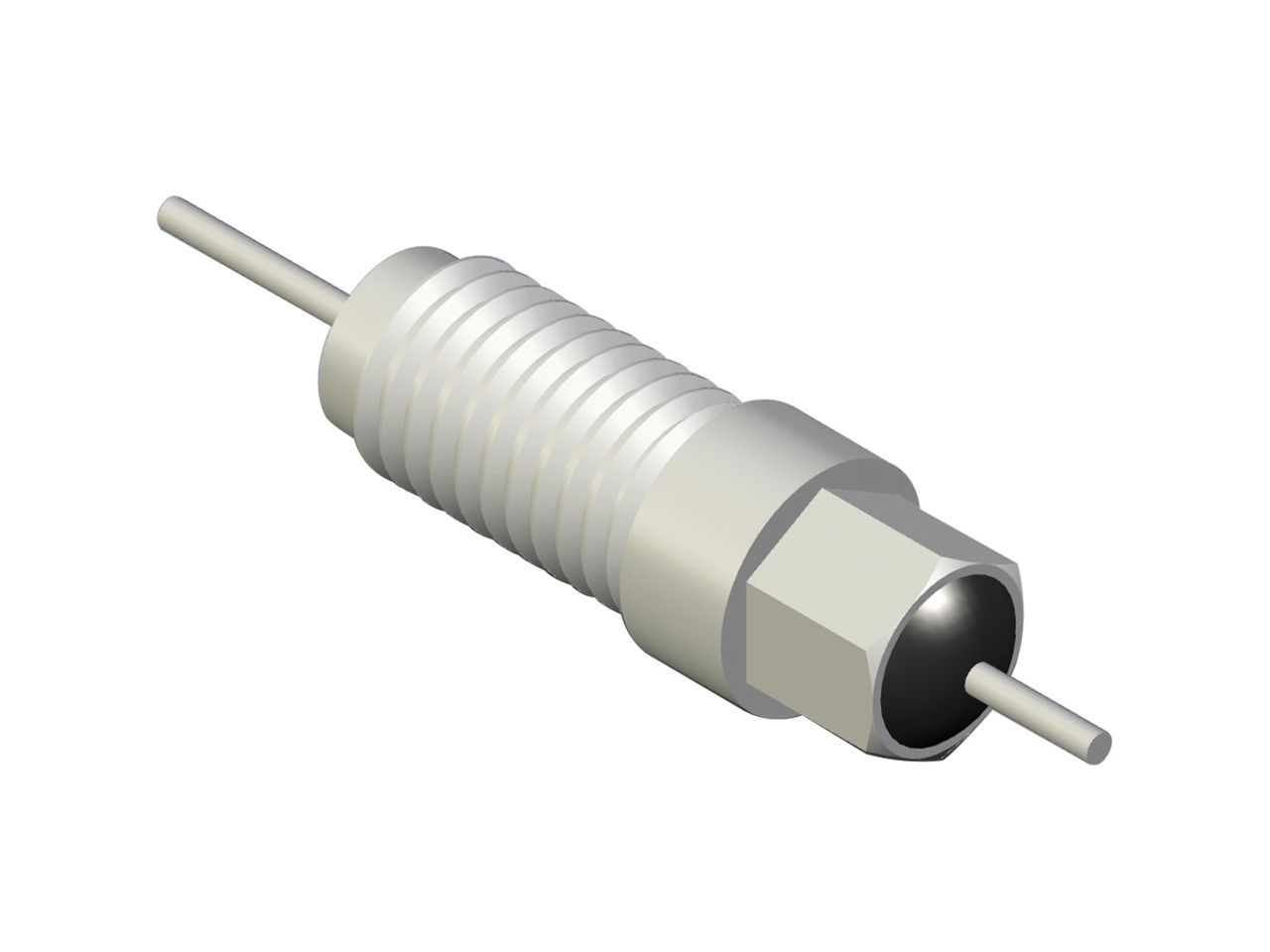
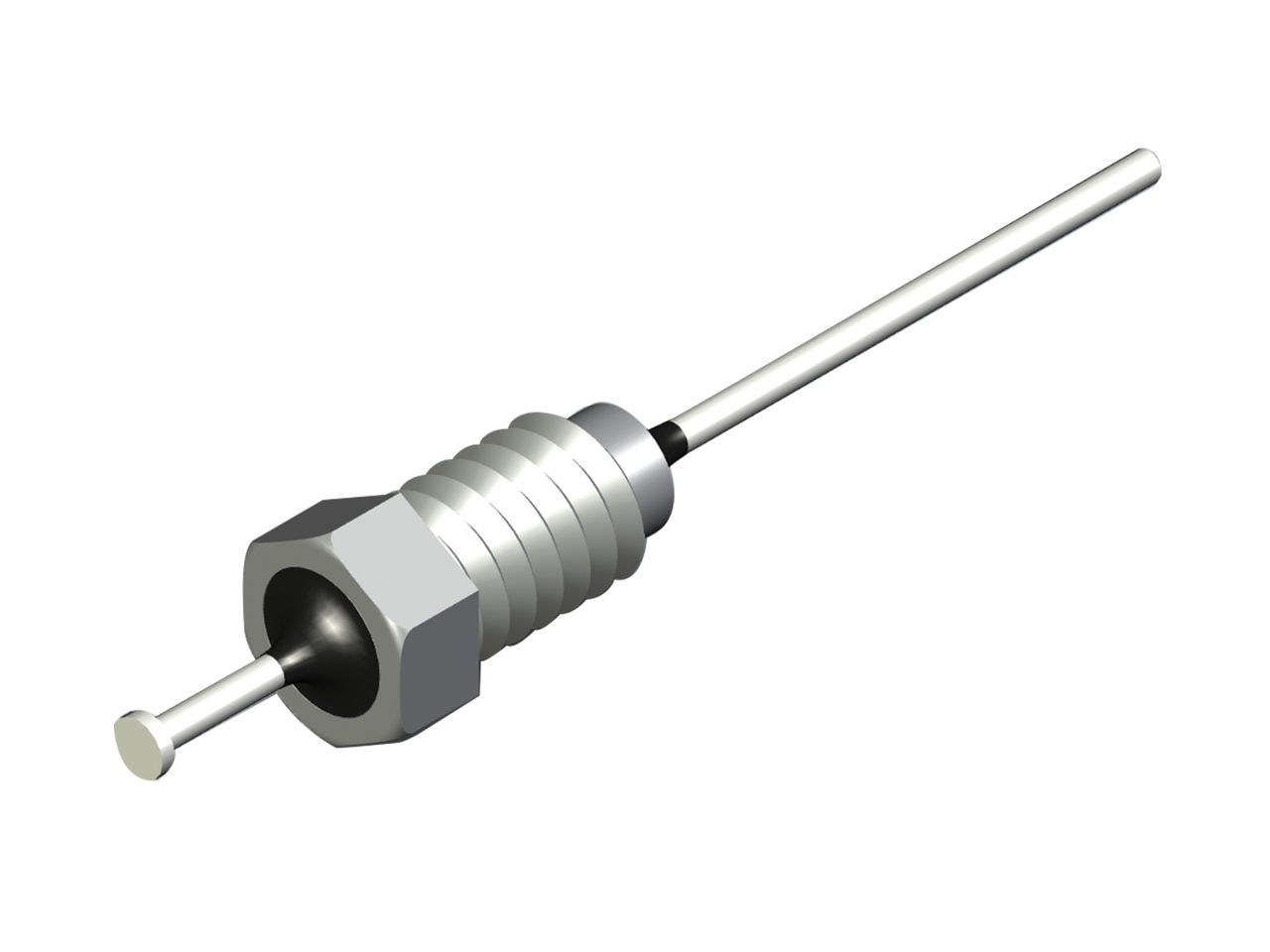
Resin-Sealed EMI Filters from Molex are optimized to provide protection against contaminants and environmental effects, providing effective EMI filtering while maintaining environmental sealing. These EMI filters are available with a broad range of bolt-in thread sizes as well as multiple lead styles and finishes. They comply with stringent electrical and mechanical standards such as MIL-PRF-15733 for certain options.
Applications by Industry

Cockpit controls
Communication equipment
Hydraulic and control systems
Power supplies
Radar systems

Cockpit controls
Communication equipment
Hydraulic and control systems
Military vehicles
Power supplies
Radar systems
Weapon systems

DC-to-DC converters
Industrial motor controls
Instrumentation
Power lines
Power supplies
Test equipment

Implantable products
Medical imaging equipment
Patient care monitors
Portable dialysis systems
Surgical tools

Computer and peripheral equipment
Digital and switching equipment
Internet protocol digital subscriber line access multiplexer (IP DSLAM) systems
Microwave, data and signal lines
This is not a definitive list of applications for this product. It represents some of the more common uses.
Frequently Asked Questions
What are Resin-Sealed EMI Filters?
Resin-Sealed EMI Filters are filters sealed with a resin compound to maintain EMI filtering performance in environments subject to moisture, dust, mechanical stress or thermal cycling. Their sealed design and robust EMI filtering capability, together with rugged mechanical reliability, provide dependable electrical performance while reducing costs when compared with hermetic glass-sealed alternatives.
What are the differences between the various circuit types?
C circuit filters are ideal for low DC resistance and strong high-frequency shunt filtering. LC, or feed-through, circuit options provide enhanced midband attenuation with series impedance. Pi circuit options deliver the best broadband attenuation but result in increased insertion loss and a larger package size. Engineers choose circuits based on their system’s noise spectrum and filtering needs.
How do Resin-Sealed EMI Filters ensure mechanical reliability in demanding applications?
These filters feature threaded bolt-in feed-through designs with specified mounting torque values and secure installation using nuts and lock washers. This ensures robust mechanical retention even under conditions of vibration, shock and thermal cycling, making them ideal for harsh industrial and defense environments.
What applications are best suited for Resin-Sealed EMI Filters?
Enclosure penetrations requiring both EMI suppression and environmental protection, DC rails for radio-frequency/local-oscillator (RF/LO) synthesizers and other precision instruments, shielded compartments where data lines or signal cables enter, and industrial and defense applications needing high voltage/current handling along with mechanical and environmental reliability are examples of applications for which Resin-Sealed EMI Filters are ideal.
How do these filters compare to hermetic glass-sealed EMI filters?
Resin-Sealed EMI Filters offer comparable environmental protection at a lower cost and with greater availability than hermetic glass-sealed filters. Additionally, resin-sealed filters are more versatile in terms of lead styles, mounting options and circuit configurations, providing engineers with scalable solutions for various applications without sacrificing quality or durability.