


| Communication Protocol | Frequency Bandwidth | Noise Performance | Latency |
|---|---|---|---|
| A2B | 500 to 6,500 Hz (programmable) | <60μg/√Hz for all axes | <100μs |
Features and Benefits
Innovations in automotive and commercial vehicle design mean manufacturers must incorporate increasingly advanced technologies to meet passenger and end-user needs. Quiet EVs make road noise more noticeable, making RNC more important. The advent of autonomous driving technologies also makes automated detection of impacts and mechanical problems necessary.
Advanced sensors are a necessary part of advanced detection and monitoring technologies, from RNC and nonvisual object detection systems to load leveling and predictive maintenance technologies. These sensors must be rugged, reliable, high-precision and capable of real-time data transmission.
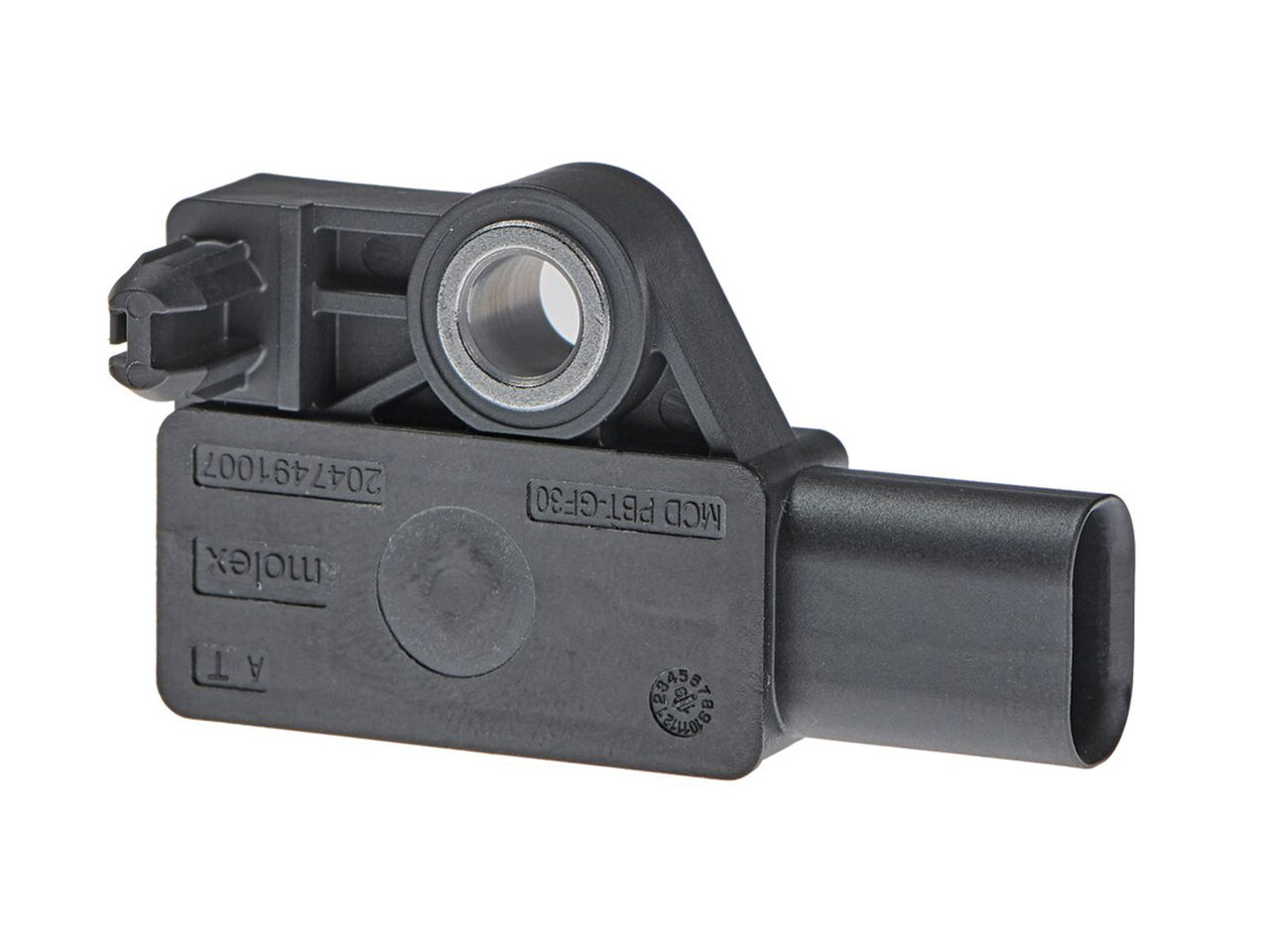
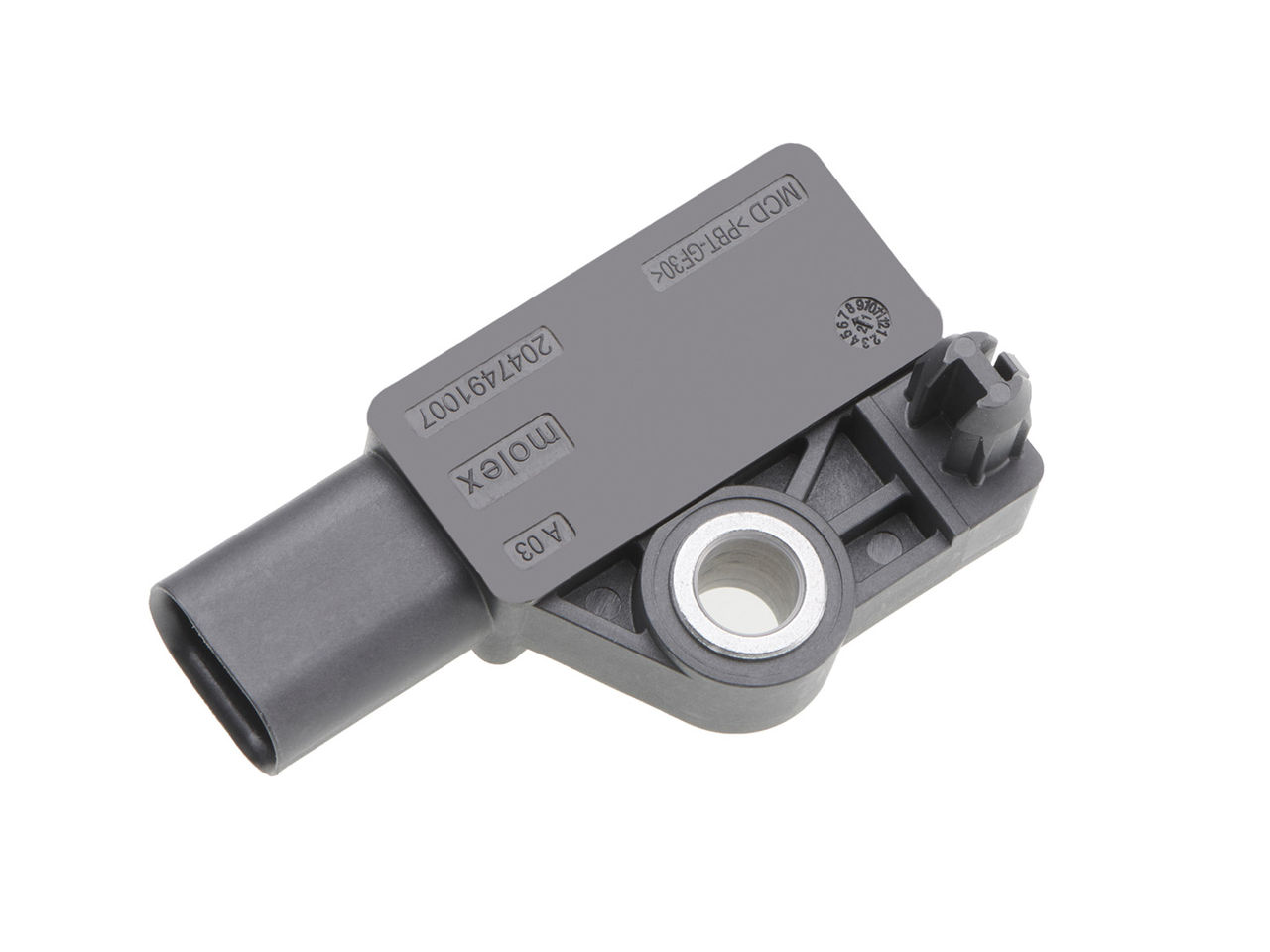
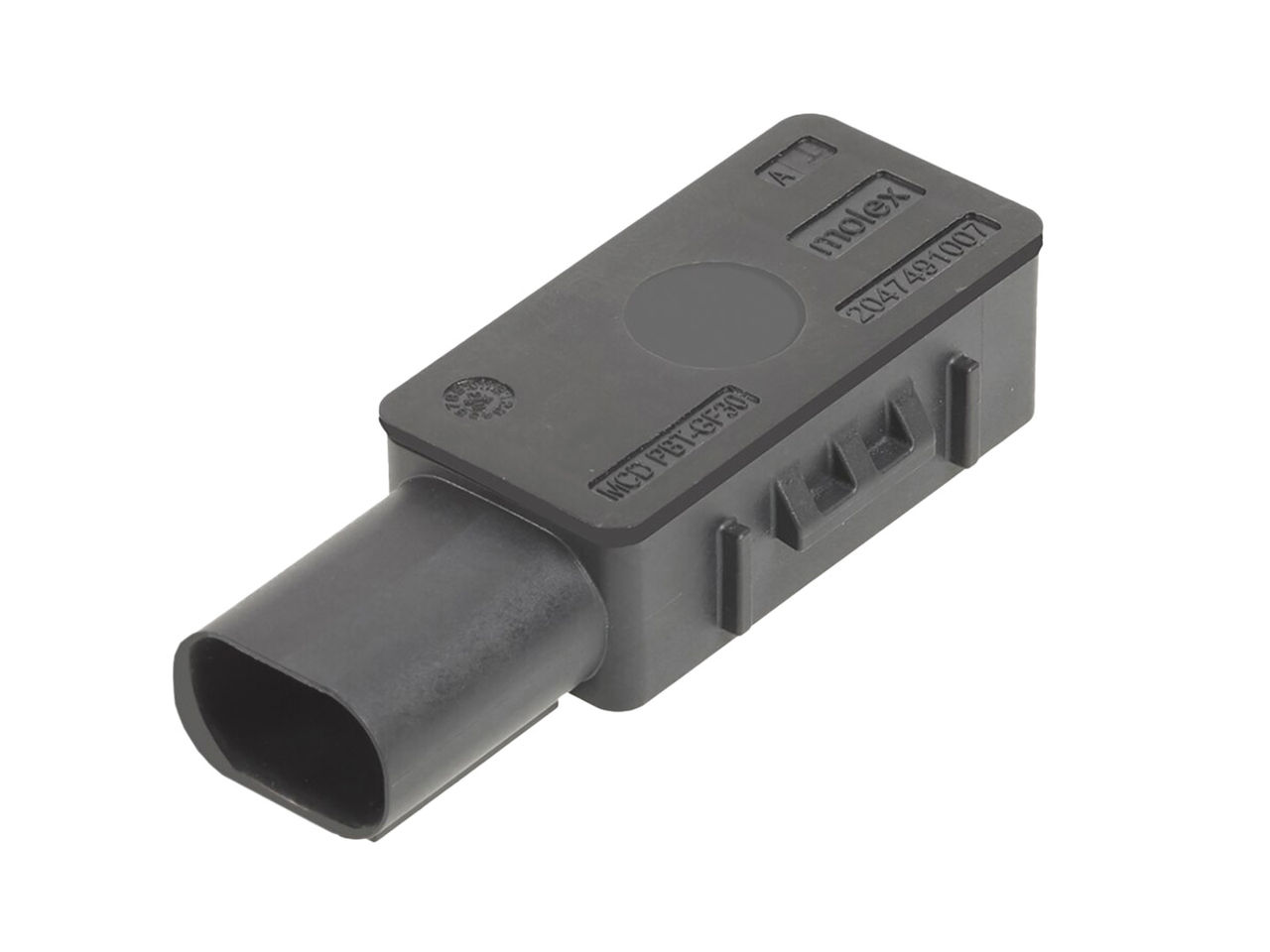
Percept Accelerometer Sensors support a variety of adaptable and versatile applications by providing monitoring of vibration and movement. Industry-leading latency and a low noise floor enable real-time active RNC, which lowers weight and extends EV/hybrid ranges by reducing the need for sound-dampening materials. Broad frequency options help enable predictive maintenance and support scalable, upgradable applications for commercial and autonomous vehicles. The daisy-chained A2B configuration simplifies implementation and reduces costs, allowing the use of a common sensor form factor across multiple applications.
Applications by Industry

Impact- and damage-detection equipment
Load- and level-sensing for implements and attachments
Operator-comfort and noise/vibration-monitoring equipment
Predictive-maintenance analytics systems for fleet optimization
Preventive-maintenance and condition-monitoring systems
Structural health monitoring of frames and booms
Terrain and surface-condition monitoring systems
Vibration-based fault detection for rotating equipment

ADAS
Automated parking sensors
Autonomous vehicles
Commercial aviation
Condition-based monitoring
Electric vehicles
Fleet and commercial vehicle monitoring
In-cabin applications
Load- and level-sensing systems
Low-speed collision and object-detection systems
Off-highway and construction vehicles
Preventive maintenance and vehicle-health monitoring systems
Ride-quality and vehicle-dynamics analysis systems
RNC systems
Security/anti-vandalism systems
Suspension and chassis-vibration monitoring systems
Train and locomotive monitoring
Vehicle diagnostics
Vehicle-interaction (touch/impact detection) monitoring systems

Early fault detection and anomaly-monitoring systems
Impact- and misuse-detection equipment
Machine condition monitoring for Industry 4.0 systems
Predictive maintenance and equipment health monitoring systems
Structural monitoring systems for automated equipment
Vibration-monitoring equipment for motors, pumps, conveyors and gearboxes
Vibration pattern analysis equipment
This is not a definitive list of applications for this product. It represents some of the more common uses.
Frequently Asked Questions
What are Percept Accelerometer Sensors?
Percept Accelerometer Sensors are advanced, automotive-grade sensor modules that convert physical vibrations into digital data. These sensors enable applications such as road noise cancellation (RNC), touch detection, predictive maintenance and load leveling, all in a single, compact platform that is optimized for reliable performance in harsh automotive environments.
What makes Percept Accelerometer Sensors different from the competition?
Percept automotive MEMS accelerometer sensors are state-of-the-art solutions that combine innovative accelerometer technology and high-speed A2B connectivity with advanced daisy-chain architecture to provide capabilities beyond what is possible with older accelerometer-based systems.
Why should I choose Percept Accelerometer Sensors?
The daisy-chain design and A2B communication protocol of Percept Accelerometer Sensors help simplify system integration, reduce weight and minimize costs while enabling networks of multiple sensors to provide real-time information for advanced monitoring capabilities. Applications such as predictive maintenance and load leveling can improve vehicle reliability and reduce maintenance costs, improving the end-user experience for both automotive and commercial-vehicle implementations.
How do Percept Accelerometer Sensors support road noise cancellation (RNC)?
Percept Accelerometer Sensors detect and enable the cancellation of unwanted road noise, which is particularly noticeable in electric and hybrid vehicles where engine noise is minimal. The low latency of <100μs offers precise signal inversion timing for real-time active RNC, which enhances the in-cabin experience by creating a quieter environment and enhancing driver and passenger comfort in both EVs and internal combustion engine vehicles.
Can Percept Accelerometer Sensors detect road noise at lower speeds?
Yes, Percept sensors have a low noise floor, allowing them to detect low-amplitude vibrations at slower speeds. This enhances their effectiveness at lowering in-cabin noise levels across a wide range of driving conditions.
What makes Percept Accelerometer Sensors superior to traditional noise-dampening materials?
Percept Accelerometer Sensors use low-latency daisy-chain wiring and A2B audio bus technology to provide more effective and economical noise cancellation solutions compared with traditional noise-dampening materials. By employing real-time active noise cancellation, the Percept system counteracts the effects of road noise and reduces the need for noise-dampening materials. This improves results across a variety of driving conditions and reduces vehicle weight, extending the vehicle’s range and enhancing efficiency.