Features and Benefits
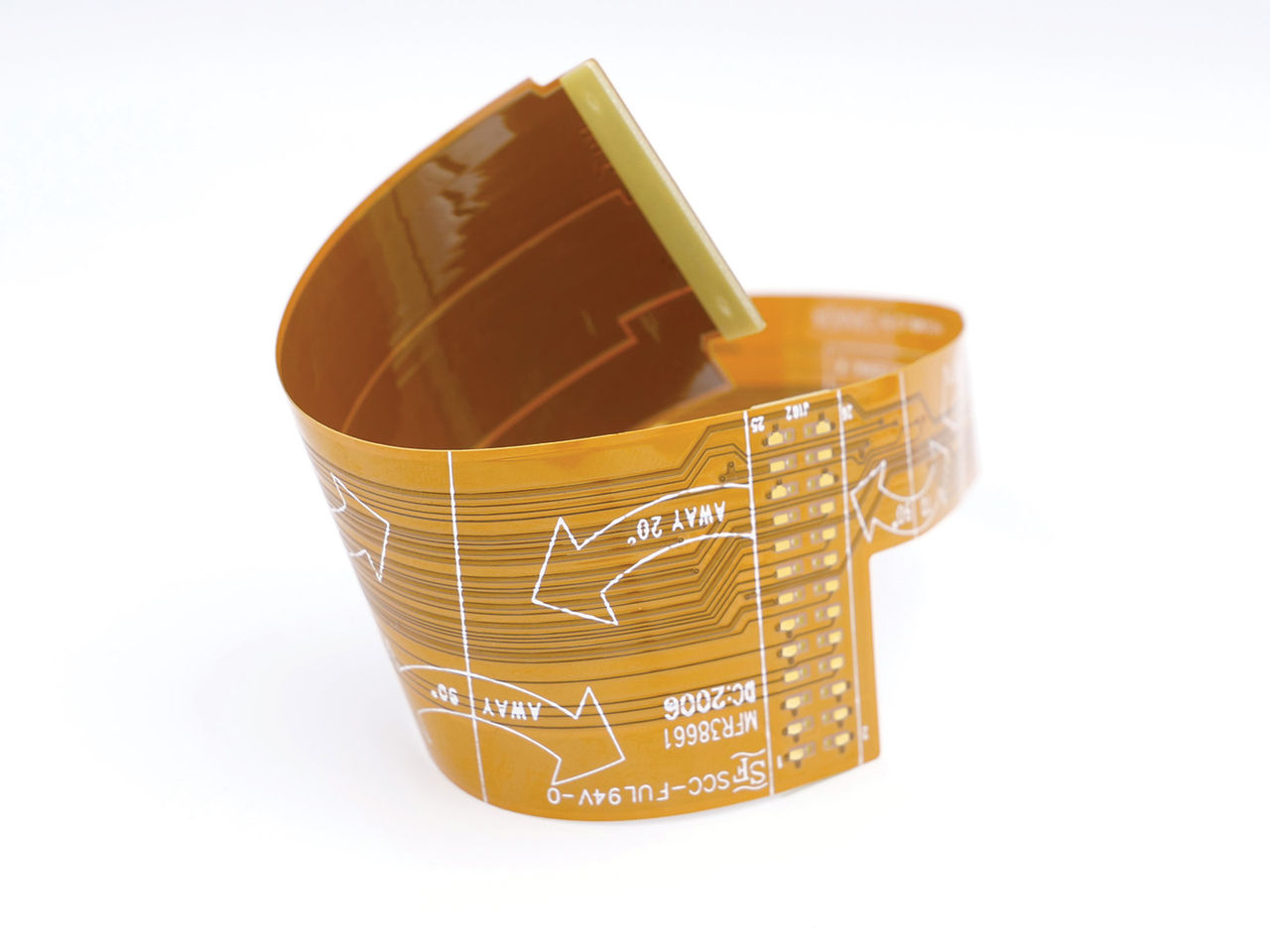
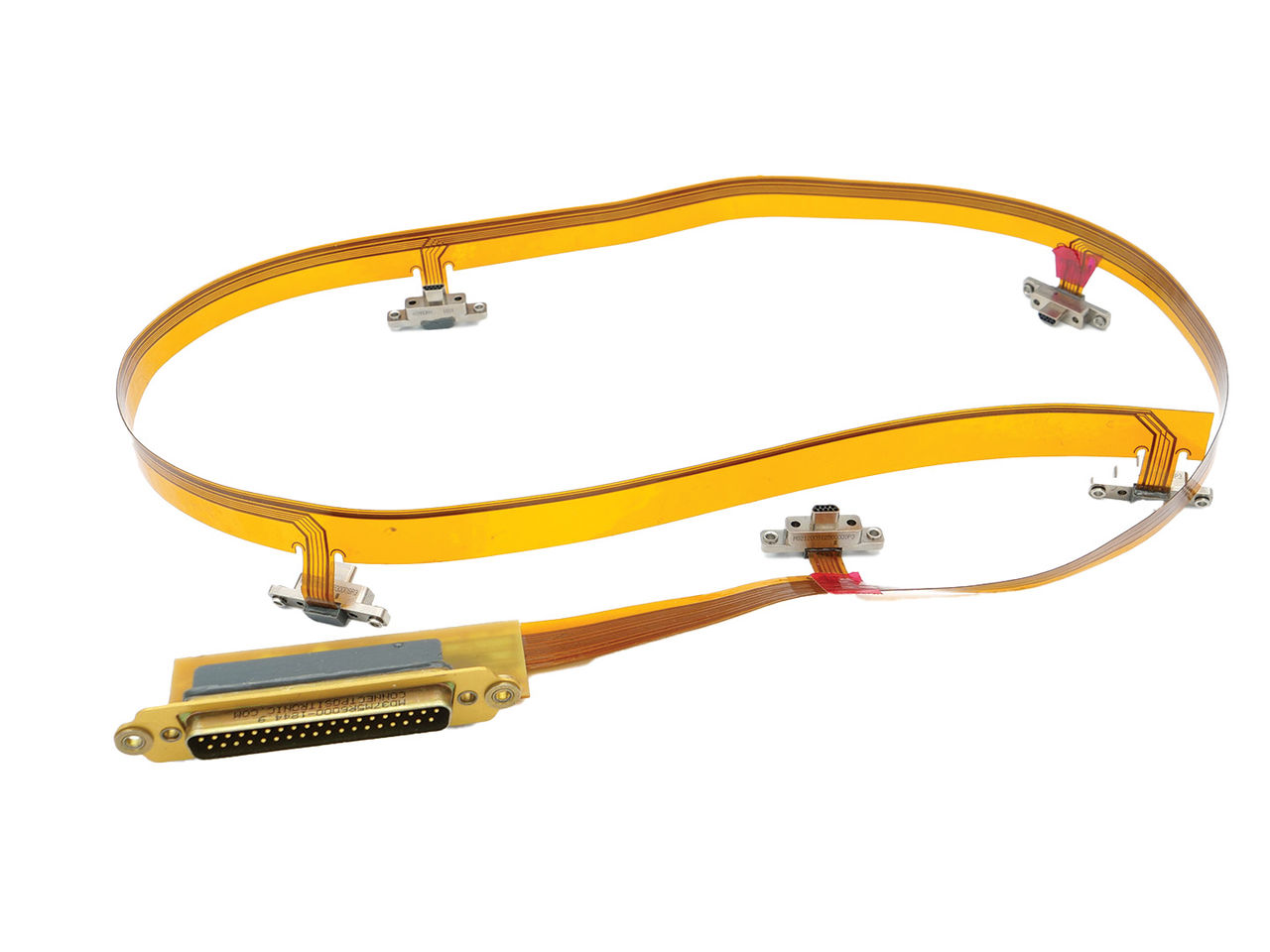
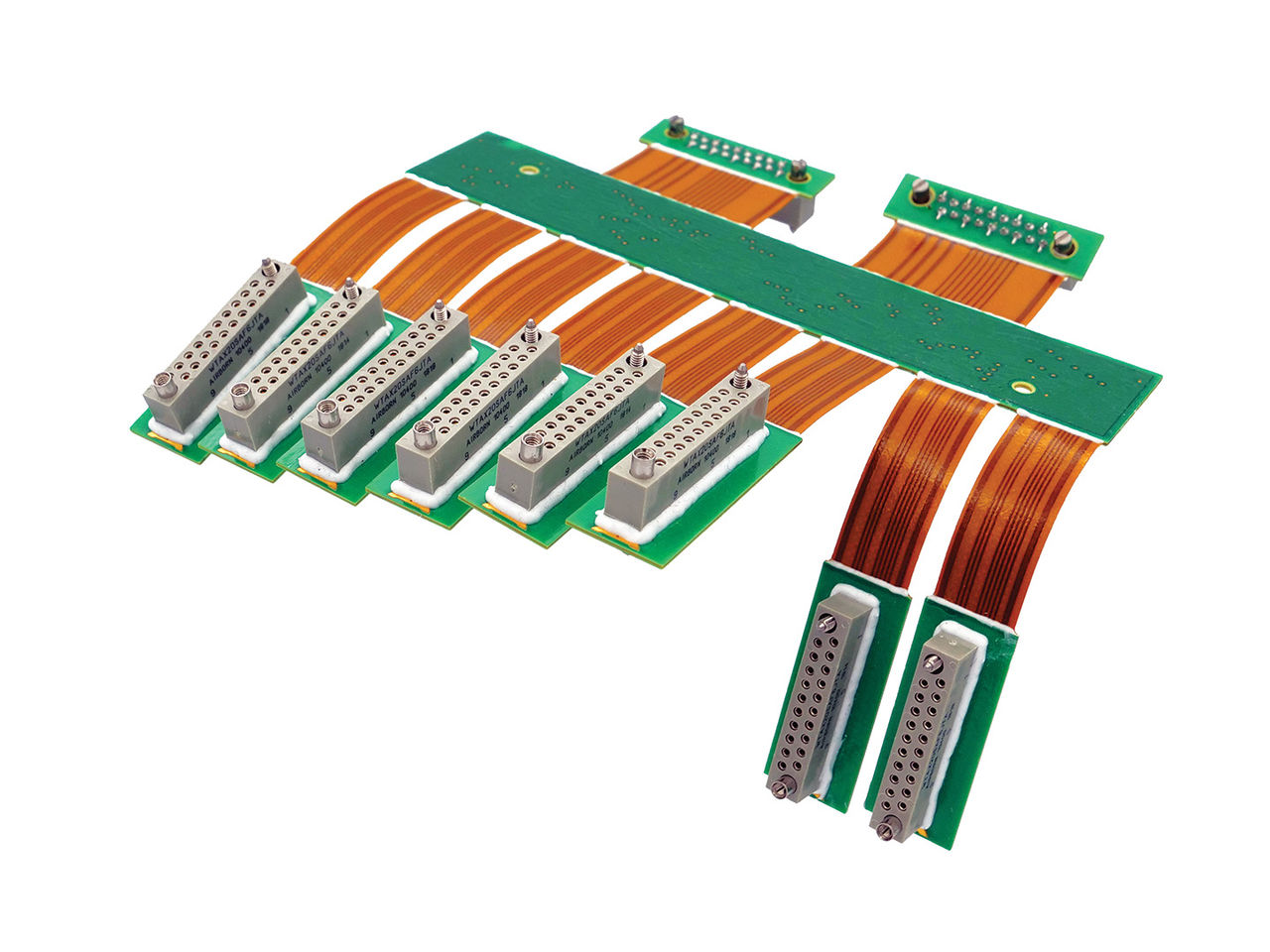
AirBorn Rugged Flexible Circuit Assemblies deliver advanced interconnect solutions for mission-critical applications across aerospace, defense, robotics and medical devices. Engineered for both static and dynamic flexing, these assemblies enable compact, lightweight designs while maintaining reliable electrical performance under vibration, repeated movement and extreme environmental conditions. Multiple configurations including single- and double-sided, multilayer, rigid-flex, sculptured flex and HDEC flex formats allow engineers to implement complex interconnects without compromising durability or signal integrity.
Material selection and specialized finishes ensure consistent operation in harsh conditions. AirBorn flexible circuit assemblies utilize polyimide, copper alloys and advanced coatings to resist high temperatures, chemical exposure and mechanical stress. Unique technologies such as HDEC enhance routing density and long-term reliability. Custom solutions supporting up to 15 layers meet the most demanding interconnect challenges while minimizing size, weight and complexity.
Each assembly benefits from full-lifecycle support, including initial design consultation, prototyping, assembly, automated inspection, testing and supply chain management. This integrated approach accelerates time to market and reduces development risk, enabling reliable deployment in the harshest operational environments.
Applications by Industry
This is not a definitive list of applications for this product. It represents some of the more common uses.
Frequently Asked Questions
What are AirBorn Rugged Flexible Circuit Assemblies?
AirBorn Rugged Flexible Circuit Assemblies are flexible printed circuit solutions engineered for high reliability in harsh aerospace, defense, medical, industrial and space applications. They are available in a variety of formats, including single-sided, double-sided, multilayer, rigid-flex, sculptured-flex and HDECs flex.
What flexible circuit configurations are available?
AirBorn Rugged Flexible Circuit Assemblies are offered in single-sided, double-sided, multilayer (up to 15 layers), rigid-flex (two to 15 layers), sculptured flex (one to two layers) and HDEC formats, providing flexibility for compact and complex interconnect designs.
What materials and finishes are used?
Material options include multiple polyimide types (FR, LF, AP and TK), rolled annealed and electro-deposited copper, and beryllium alloy. Surface finishes include ENIG, hard gold, immersion silver/tin, soldermask, PIC, tin/lead and hot air solder leveling.
What are the temperature and environmental ratings?
AirBorn flexible circuit assemblies are engineered to withstand high temperatures, vibration and chemical exposure. Additional shielding options using copper, silver ink epoxy or solid copper provide enhanced EMI protection and environmental resistance.
How does Molex support design and prototyping of AirBorn Rugged Flexible Circuit Assemblies?
Molex provides comprehensive design support, including CAD, schematic capture, impedance modeling, DFX for manufacturability, mock-ups and production-ready prototyping, directly on manufacturing lines.
What assembly and testing capabilities are offered?
Assembly services include SMT and hand soldering for both flex and rigid-flex circuits, epoxy adhesive bonding, wave soldering and conformal coating, along with automated and hand assembly. Testing services include automated optical inspection (AOI), first article inspection (FAI), microsection, impedance, continuity, functionality and environmental testing.
How are quality and reliability ensured?
Quality and reliability are ensured through comprehensive inspection and testing, including AOI, FAI, microsection, impedance, functional and environmental tests. These assemblies are certified to AS9100, ISO 9001, IPC 6013 Class 3, MIL-PRF-31032, MIL-PRF-50884F and UL94V-0/1 standards.
Can the product be customized for specific needs?
Yes, AirBorn Rugged Flexible Circuit Assemblies can be customized for specific requirements, including design, materials, layer counts, surface finishes, assemblies and connector integration.
What industries use these flexible assemblies?
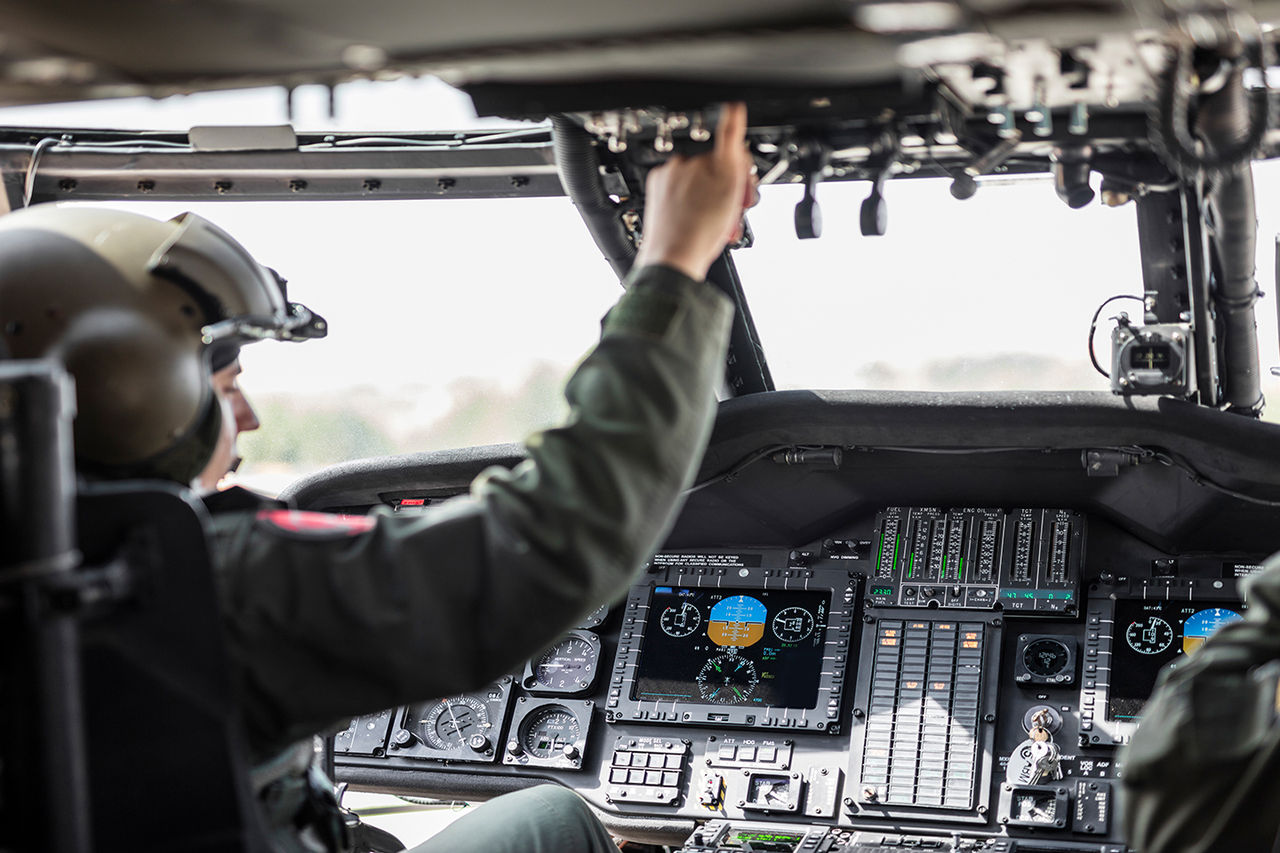
These assemblies are used across aerospace, defense, medical, space, industrial automation, robotics and other demanding applications.