Close-up of a server-grade CPU socket architecture, demonstrating the high-density pin layout required for co-packaged copper interconnects.

Co-Packaged Copper for AI Data Centers

Hyperscale AI systems are hitting a signal integrity wall. As bandwidth scales, traditional board-routed copper can no longer keep pace. To maintain performance, systems must minimize channel lengths and move away from power-intensive compensation strategies. Molex delivers co-packaged copper (CPC) solutions for near-ASIC connections, combining high-speed performance with a serviceable architecture that protects the substrate.

Co-Packaged Copper: Scaling for 224G and 1.6T Infrastructure


As AI and hyperscale networks push toward 800Gbps and 1.6Tbps, traditional board-routed copper can no longer maintain the required signal integrity or power efficiency. While moving interconnects closer to the ASIC is necessary, permanent attachment methods introduce risk, making rework difficult and increasing the potential for damaging high-value substrates. Many engineering teams are left navigating between copper approaches that are reaching their limits and optical architectures that are not yet practical for broad deployment.

Shortening the electrical path is now a requirement for sustaining performance at higher data rates. The shift must also preserve serviceability by using attachment methods that allow maintenance and upgrades without compromising the substrate or ASIC package. This pragmatic approach balances performance gains with operational realities, creating a bridge that extends copper while aligning with future near-ASIC and optical architectures.

Molex addresses these challenges with a full-channel co-packaged copper (CPC) solution that includes on-substrate routing with validated 224Gbps-PAM-4 performance and a clear roadmap to 448G. This architecture reduces channel loss while easing PCB design constraints. By utilizing the Impress CPC compression-attached design, which does not require surface mount technology (SMT) nor drilling, the system protects the substrate and supports rework by maintaining a clear service boundary away from the ASIC package. Based upon proven on-substrate platforms, this approach provides a scalable path toward External Laser Small Form Factor Pluggable (ELSFP) and co-packaged optics while delivering the reliability and practicality expected from copper.

How Co-Packaged Copper Supports Higher-Bandwidth AI Systems


Overcoming Reach Limits with On-ASIC Integration

At data rates beyond 800Gbps, conventional PCB copper channels struggle to maintain reach without excessive power and signal degradation. Placing the interconnect on or near the ASIC substrate shortens the path, reducing loss and enabling higher bandwidth within tighter system constraints.

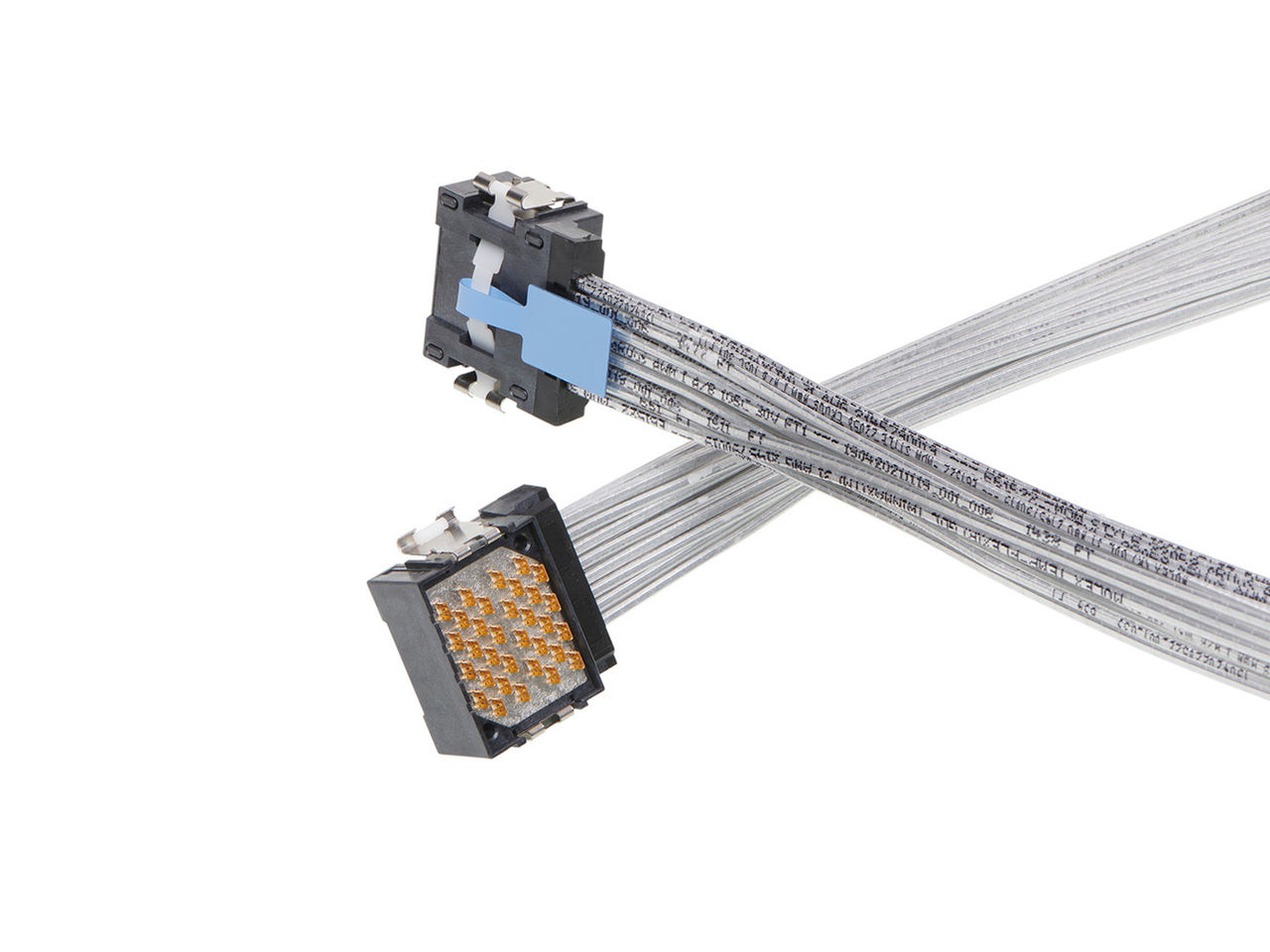
Molex delivers on-ASIC, market-ready solutions with twinax and on-substrate routing designed for high-speed, high-density environments.

A futuristic data center interior featuring high-speed data processing and on-ASIC integration in a hyperscale environment.

Serviceable Connectivity for Next-Generation Architectures

SMT and reflow-based attachment methods leave little room for recovery, with minor interconnect failures generating high scrap costs and increasing the risk of substrate damage. Compression-based interfaces remove the need for heat-driven assembly, allowing interconnects to be serviced or replaced without compromising the ASIC package.

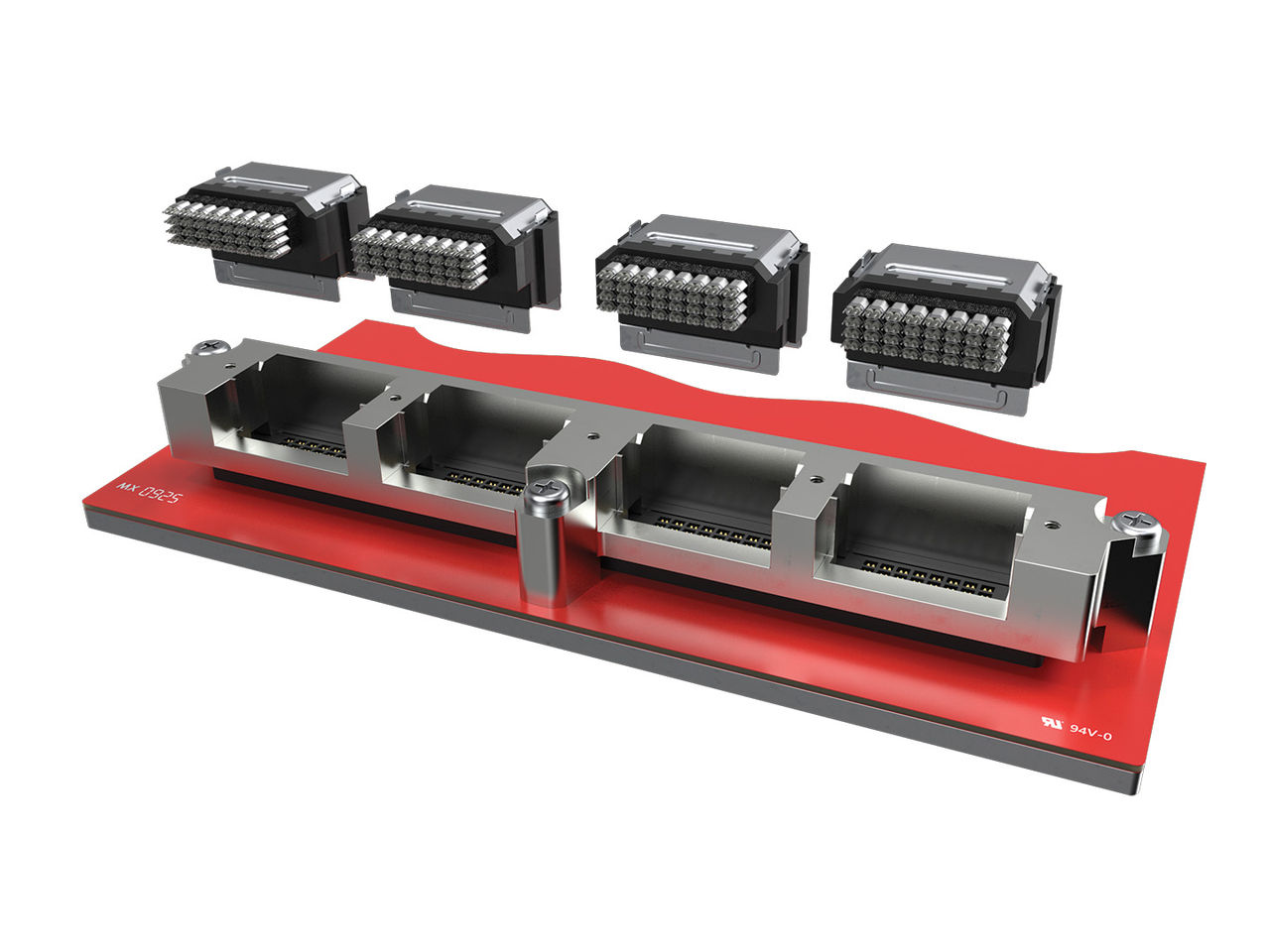
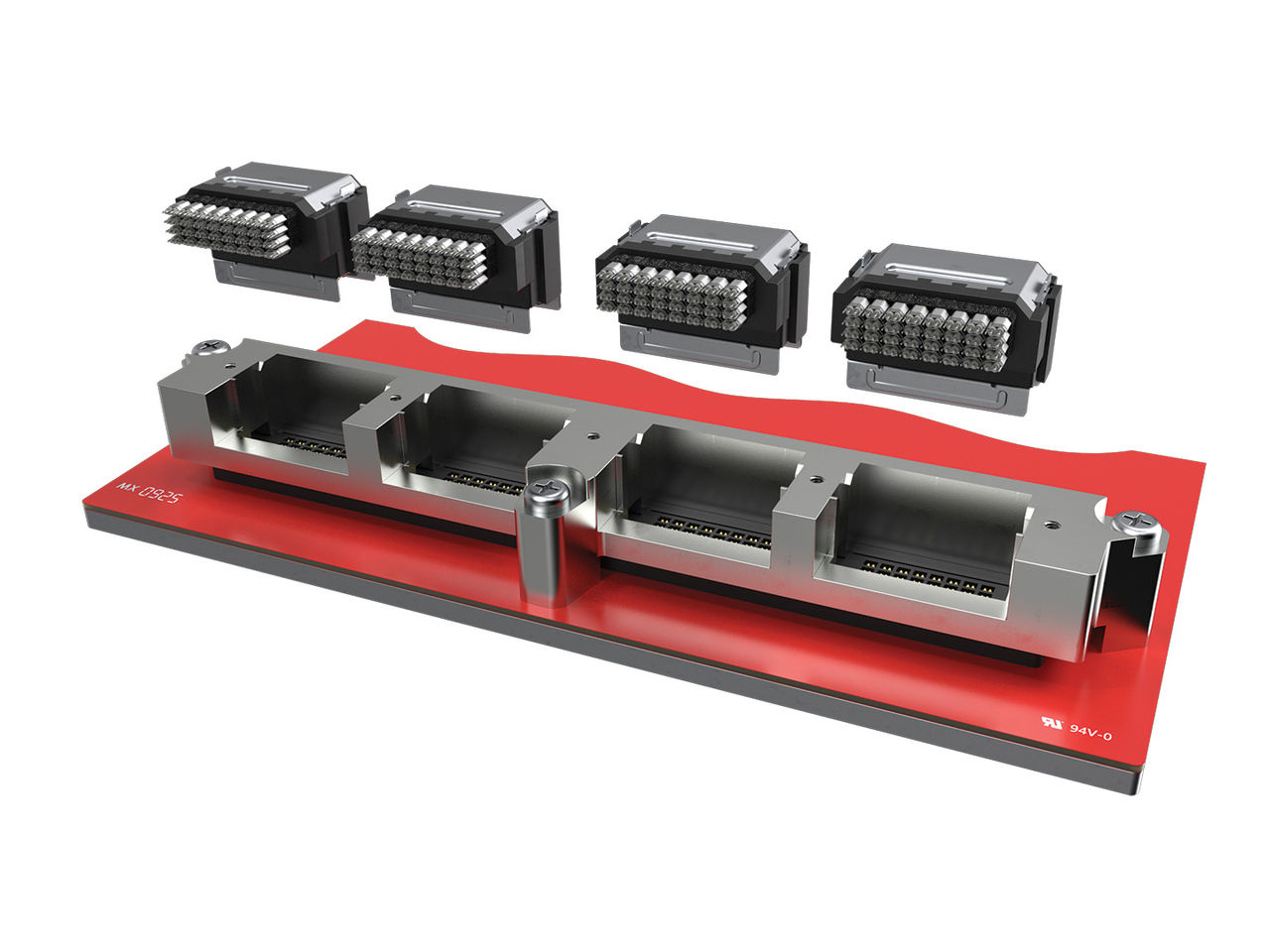
Molex delivers this capability through the Impress Co-Packaged Copper two-piece solution, reducing thermal exposure and improving serviceability across the system lifecycle.

 Impress Co-Packaged Copper Solution mounted to a PCB.

Breaking the Performance Wall with Chip-Level Connectivity

A widening gap between board-level copper and emerging optical solutions is making it harder to scale toward 1.6Tbps without added complexity or risk. A bridge architecture that extends copper closer to the ASIC provides a practical way to meet near-term bandwidth demands while maintaining flexibility for future transitions.

Molex supports this approach with proven near-ASIC and on-ASIC solutions that enable phased migration while protecting high-value substrates.

AI data center with sleek technology, glowing servers and network hardware in a large, modern facility.

224G and 448G Resources


Application

224G for Next-Generation Data Centers

Insertion loss and crosstalk become more pronounced at 224G, particularly as signaling paths extend across conventional PCB materials near the ASIC. Maintaining performance depends on designing the entire channel as a single system, balancing electrical, mechanical and routing considerations end to end.

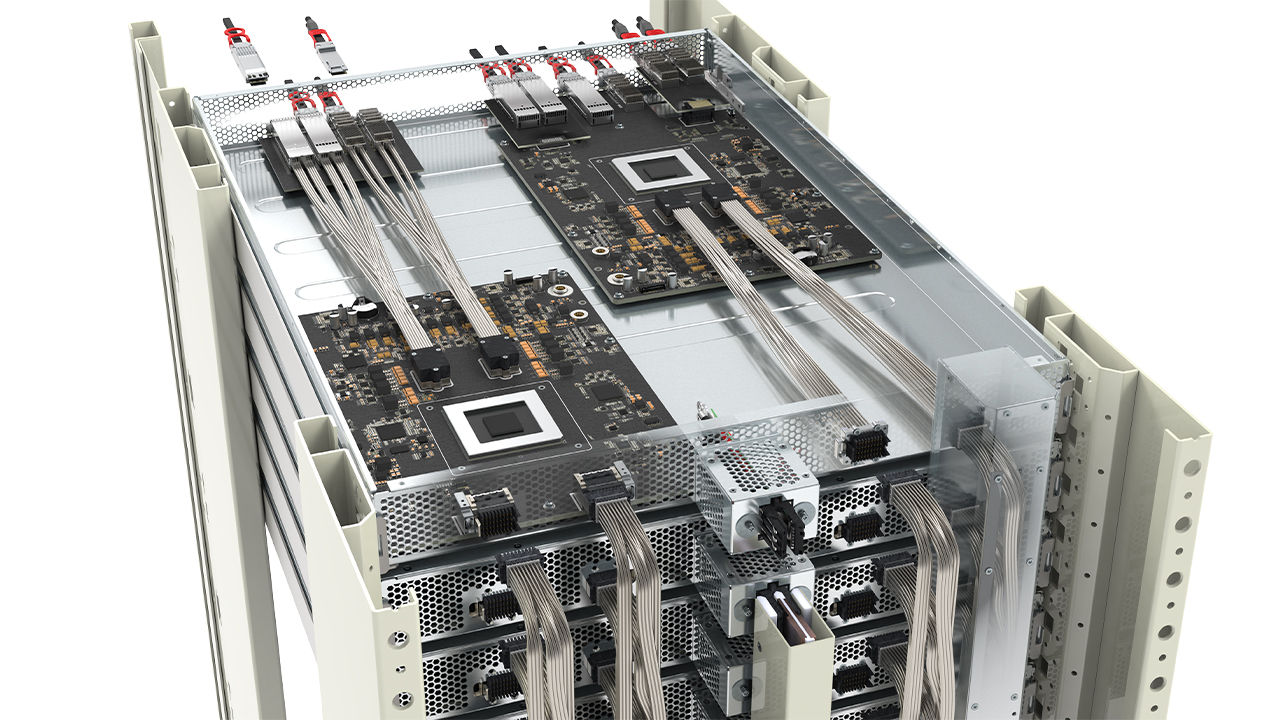
Molex delivers signal integrity solutions that shift high-speed data from the PCB into twinax assemblies, minimizing loss and improving overall channel efficiency.

Molex 224G connector solutions for next-generation data centers.

White Paper

Performance Analysis of Modulation Techniques Over 448G Channels

Traditional PCB routing becomes increasingly constrained at 448G, where insertion loss and noise dominate channel behavior. A move toward near-ASIC and direct-to-chip connectivity is required to overcome these physical limitations and maintain signal fidelity. This Molex white paper examines co-packaged copper solutions that enable higher-speed channel performance.

Molex performance analysis of 448Gbps modulation techniques in data center server and storage applications.

White Paper

Performance Evaluation and Modulation Strategies for 448G Interconnects

Reaching 448G with PAM-4 places extreme bandwidth demands on interconnects, often exceeding what conventional architectures can support. Shifting to PAM-6 or PAM-8 lowers the required bandwidth, creating a more practical path for copper-based transmission. Molex research evaluates these options within co-packaged copper solutions built for ultra-high-speed signaling.

Two engineers examining server equipment in a high-tech data center.