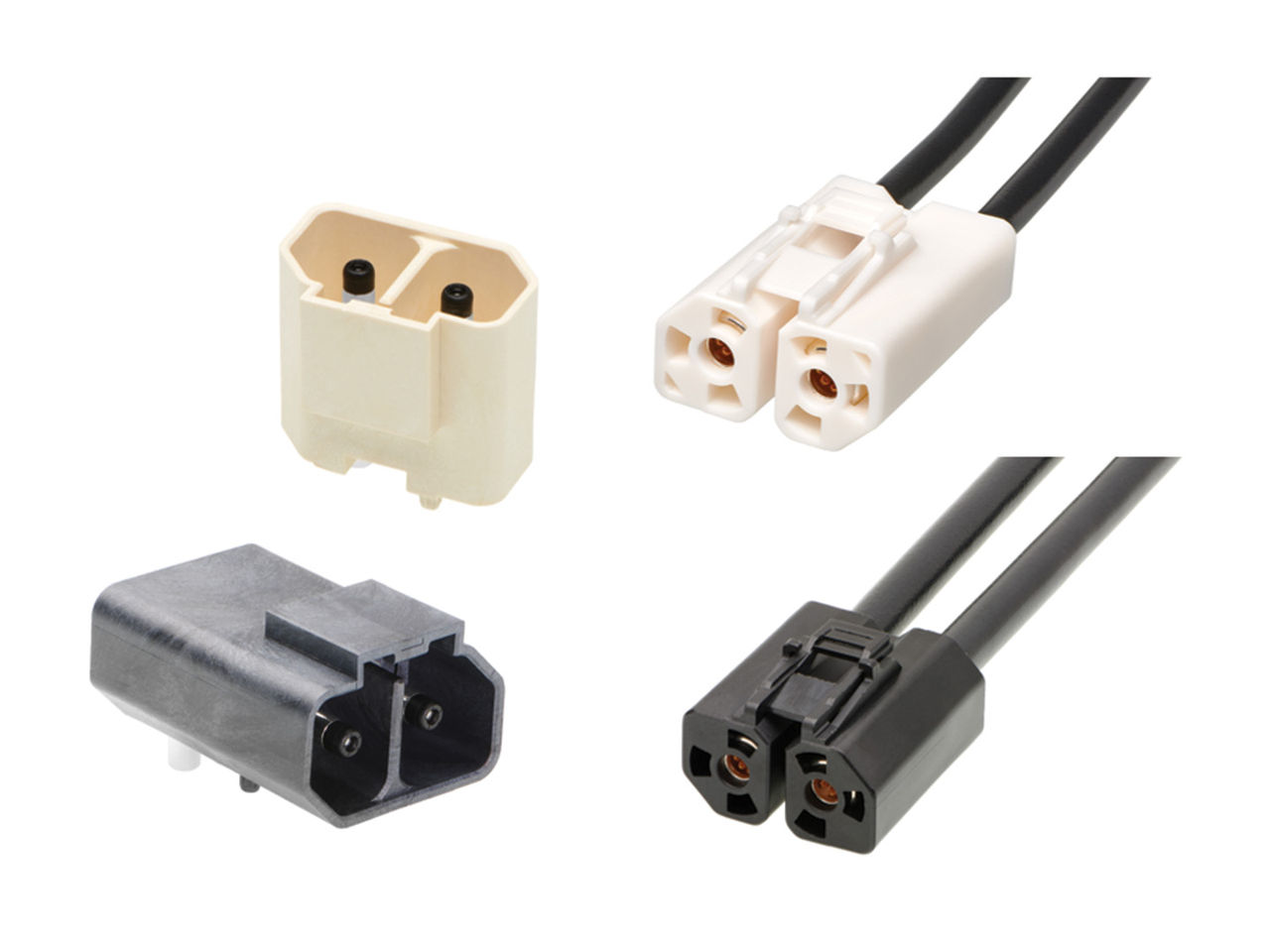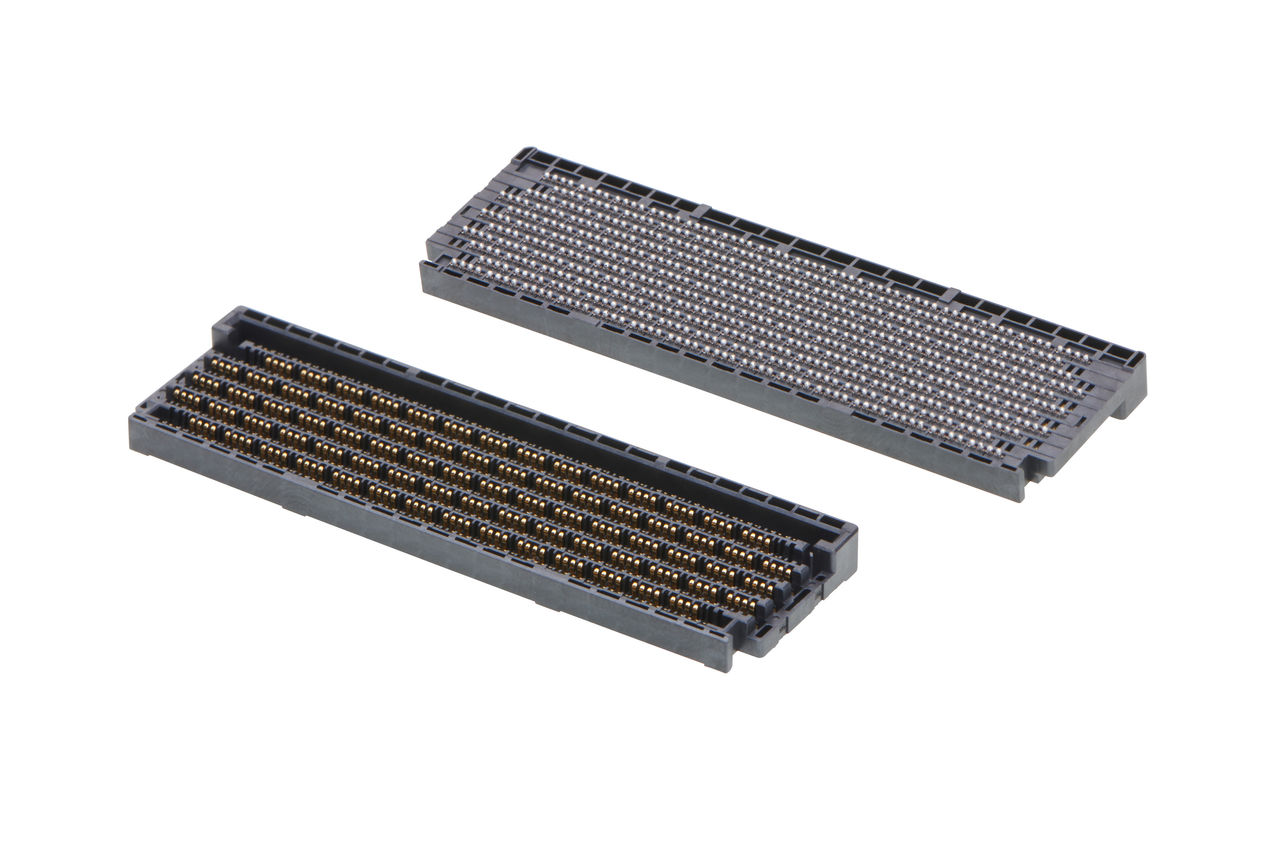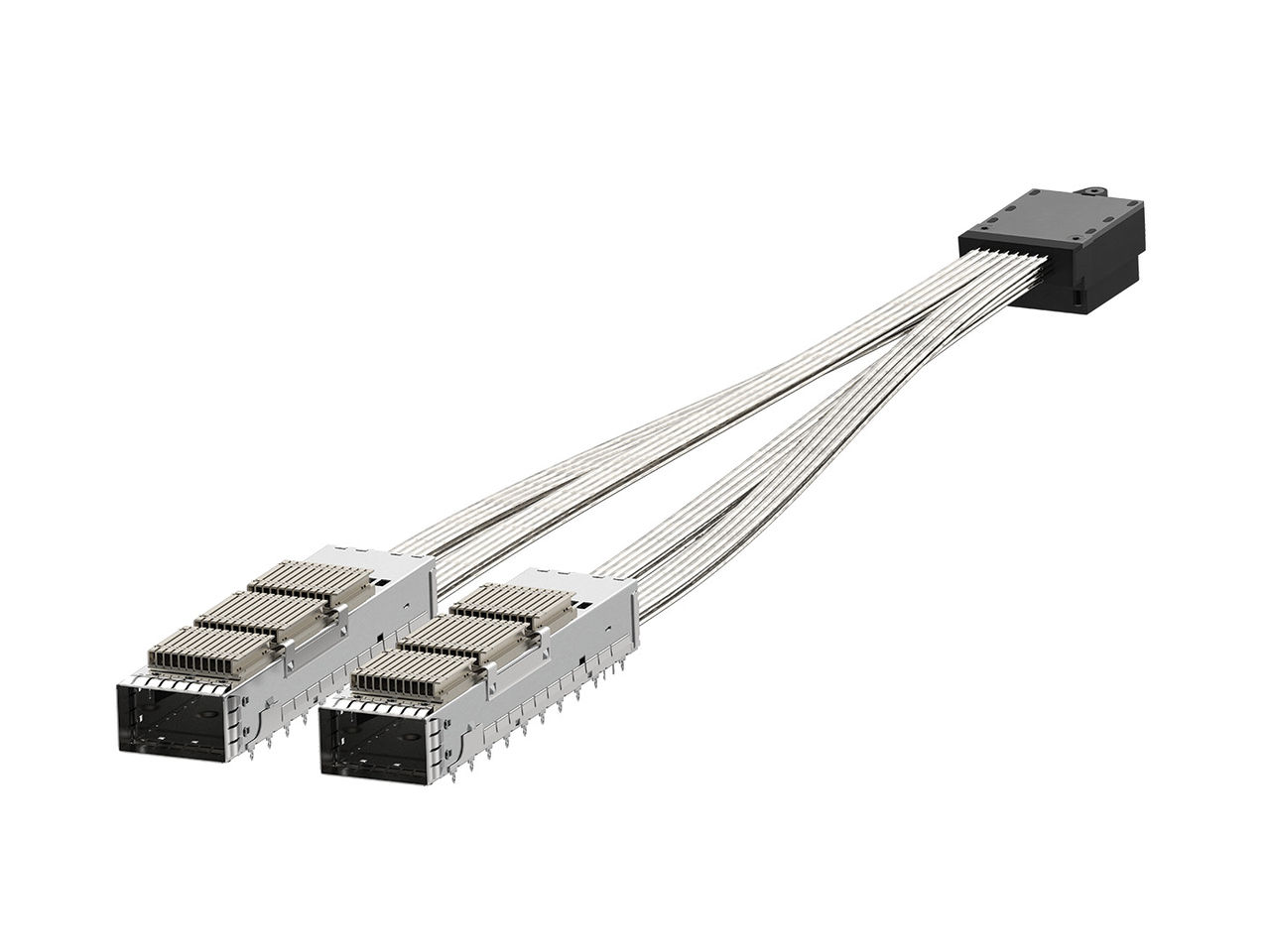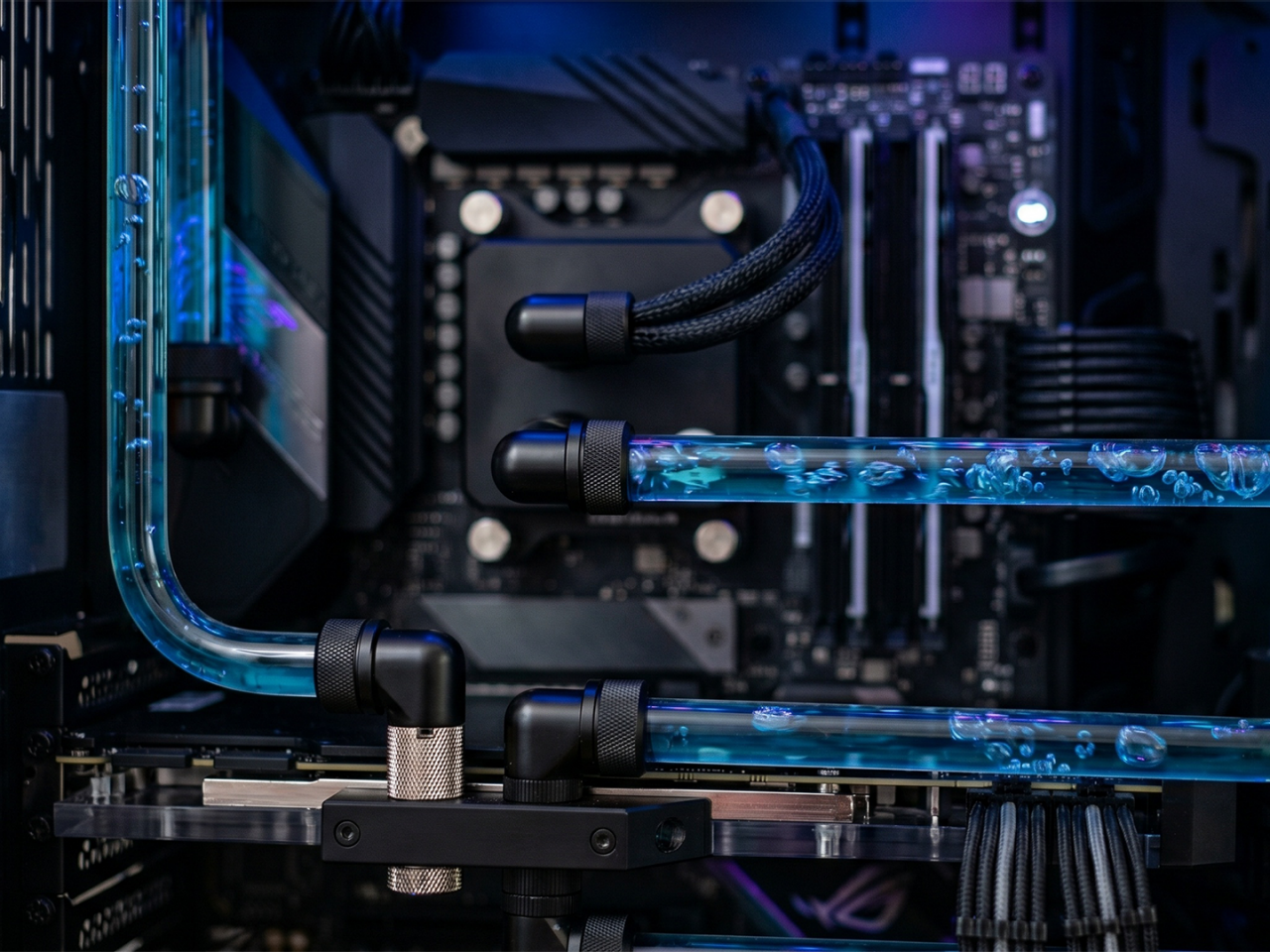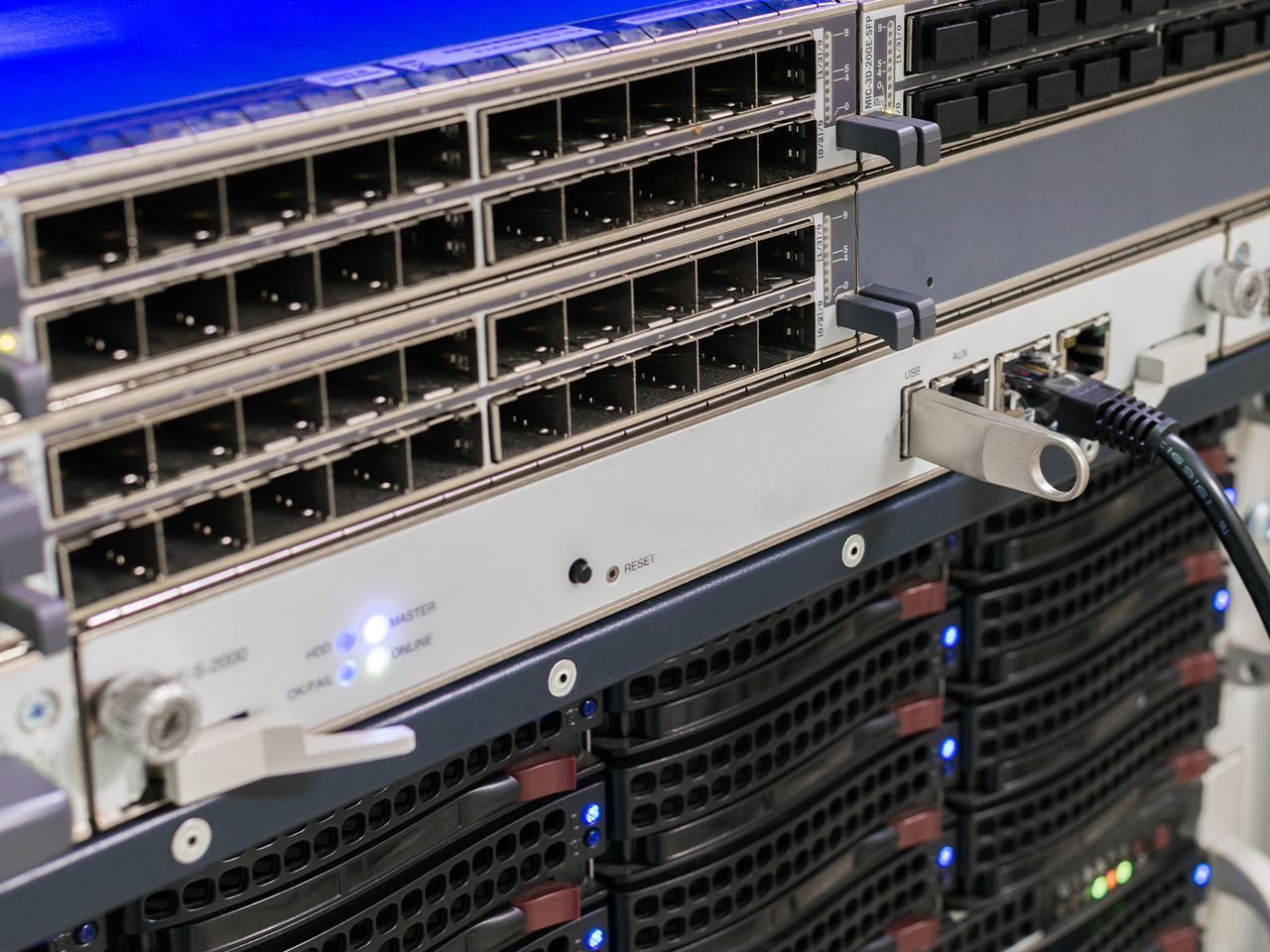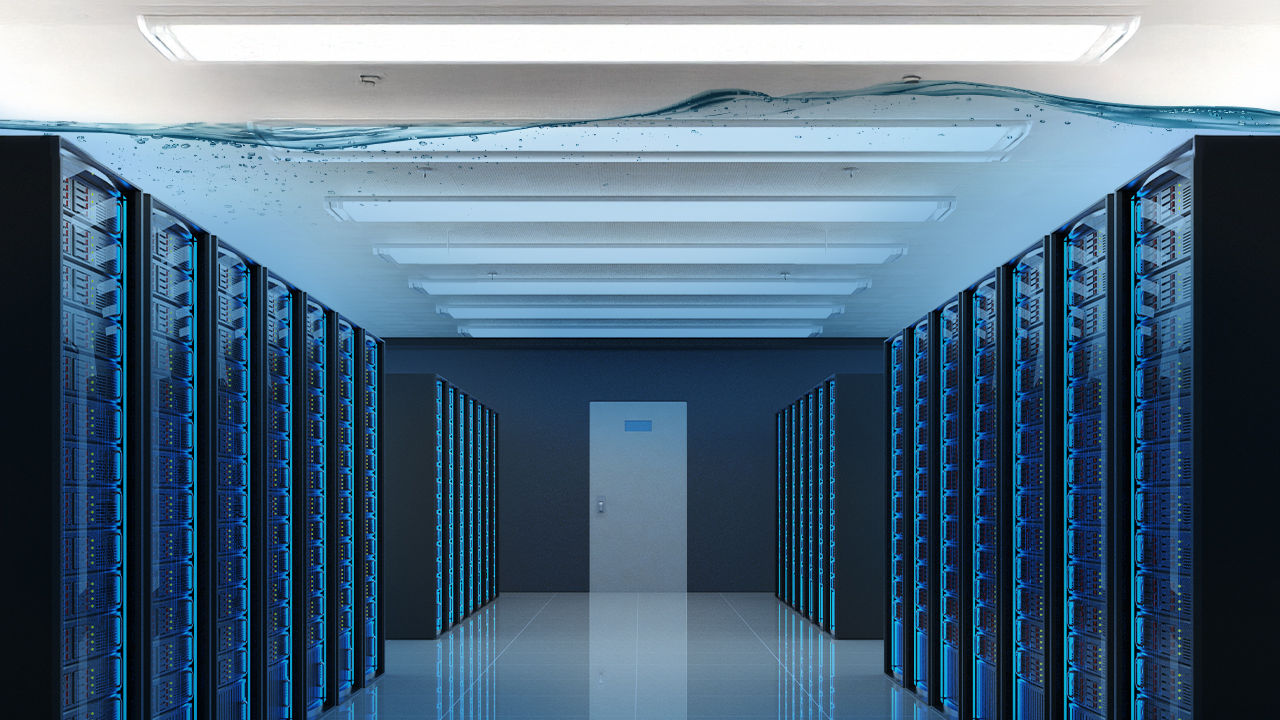
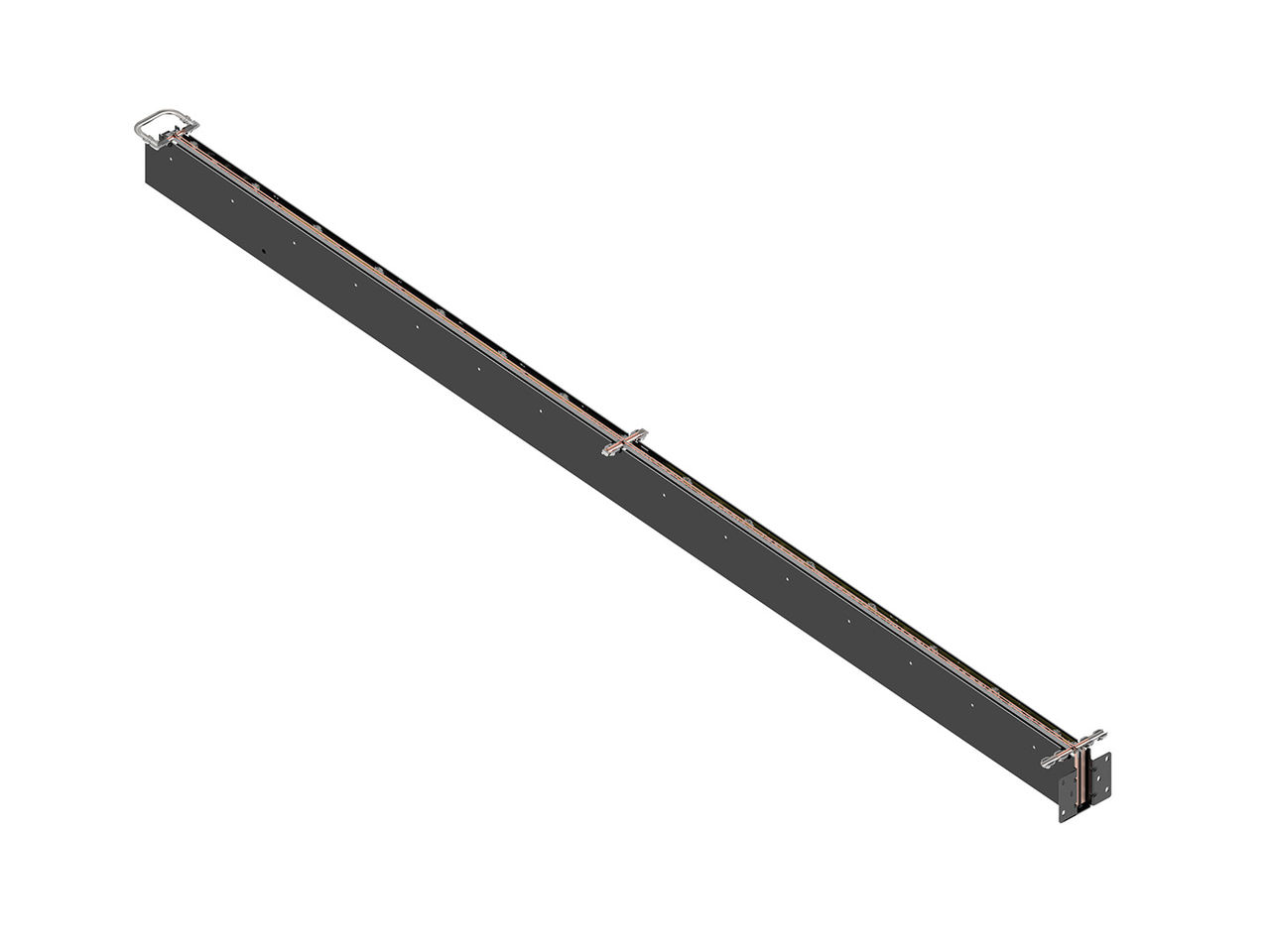
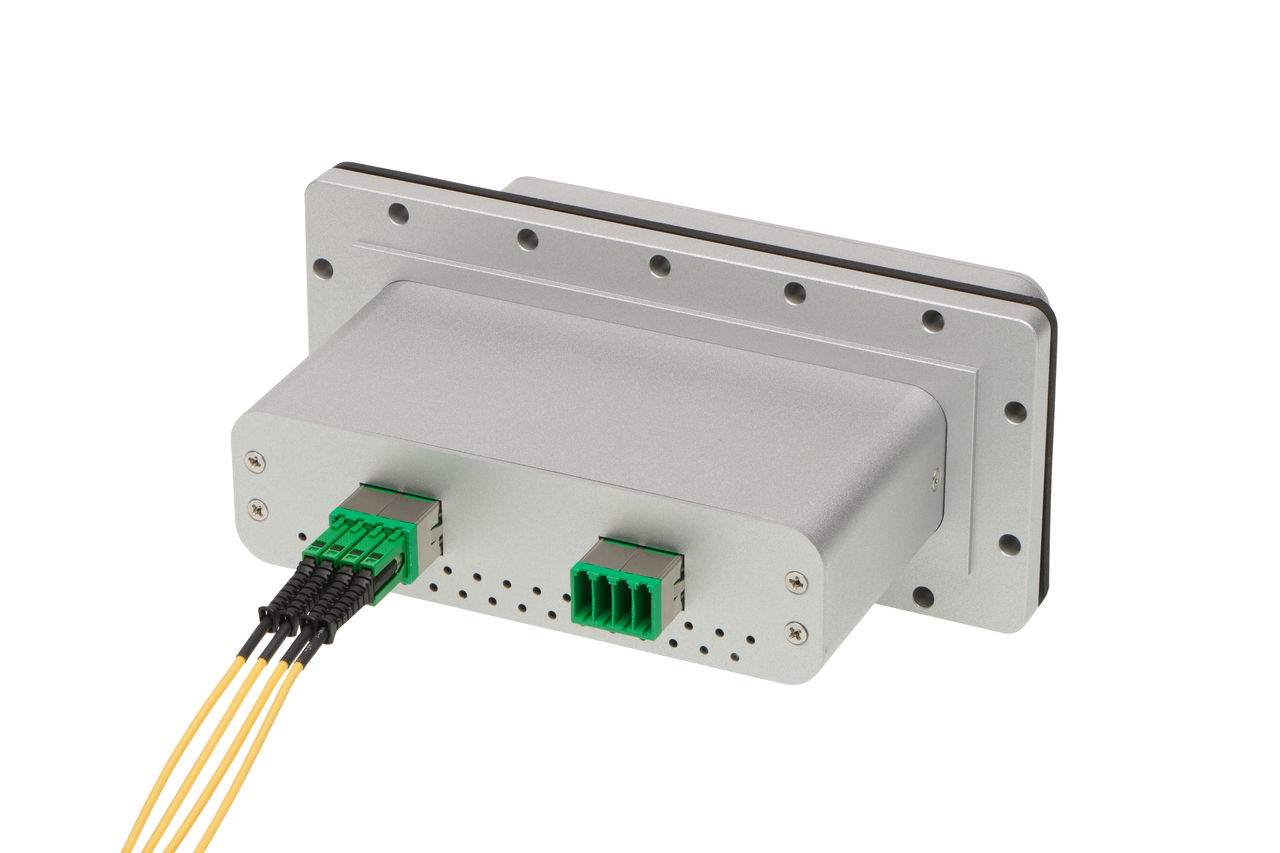
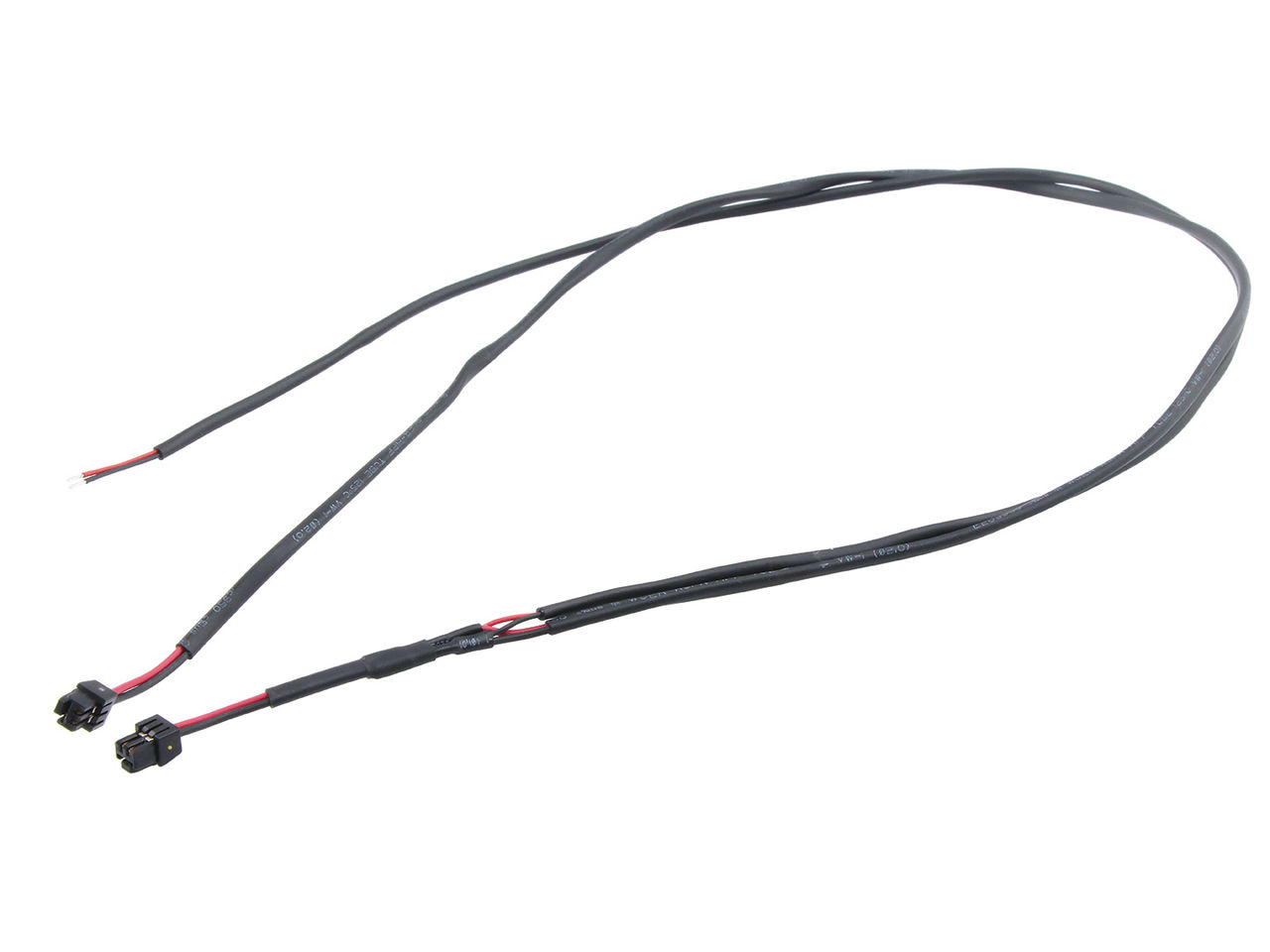
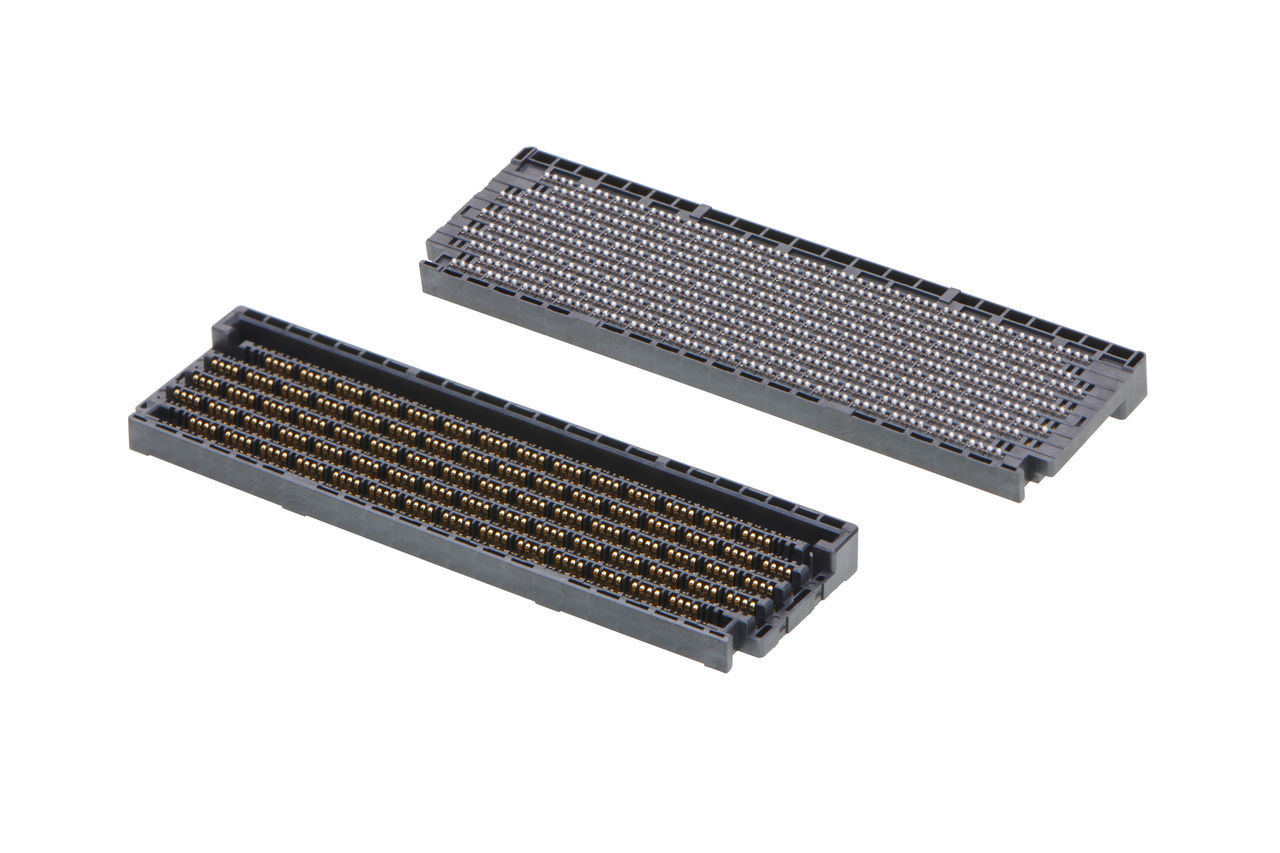
Advanced data center infrastructure featuring high-performance GPU server racks and cooling systems.

Data Center Thermal Management for High-Density Racks and AI Workloads

Legacy air-cooling infrastructure is reaching its physical limits. As AI clusters and high-density compute environments drive unprecedented thermal loads, heat management requires a coordinated approach. To maintain reliability and signal integrity at scale, data centers must align fluidics, optics and high-speed interconnects. Molex delivers an integrated ecosystem of OCP-compliant connectivity and liquid cooling solutions that help bridge the transition from legacy air-cooled architectures to reliability-validated liquid-cooled infrastructure.

Advanced Thermal Management for AI Workloads


AI workloads are changing the thermal profile of the modern data center. Systems built around traditional air cooling must now support 1,000W+ GPUs and densely packed 30W+ transceivers that generate far more heat than legacy architectures were designed to handle. As airflow paths narrow and fan speeds increase, heat builds around secondary components, creating performance instability, thermal throttling and long-term reliability concerns that are difficult to diagnose once systems are deployed.

The move toward liquid cooling introduces a different set of engineering challenges. While direct-to-chip and immersion cooling architectures improve heat transfer efficiency, they also raise the stakes for reliability. In an AI data center, a minor leak, trapped vapor or momentary misalignment during a hot swap can have immediate consequences. Meanwhile, heavier liquid-cooled hardware and constant vibration from high-speed airflow place additional stress on connectors, solder joints and signal paths that must continue operating at 224G data rates without interruption.

Molex approaches data center thermal management as an intertwined mechanical, thermal and electrical challenge rather than a standalone cooling problem. Integrated cold plate cages and thermal bridges move heat away from processors and transceivers, while OCP-compliant dry-break liquid-cooling interfaces reduce the risk of fluid ingress during maintenance. To account for physical movement, floating interconnects and vibration-resistant contact systems maintain alignment and signal integrity as racks expand, contract and shift under thermal load. The result is a liquid-cooled infrastructure built with greater long-term reliability.
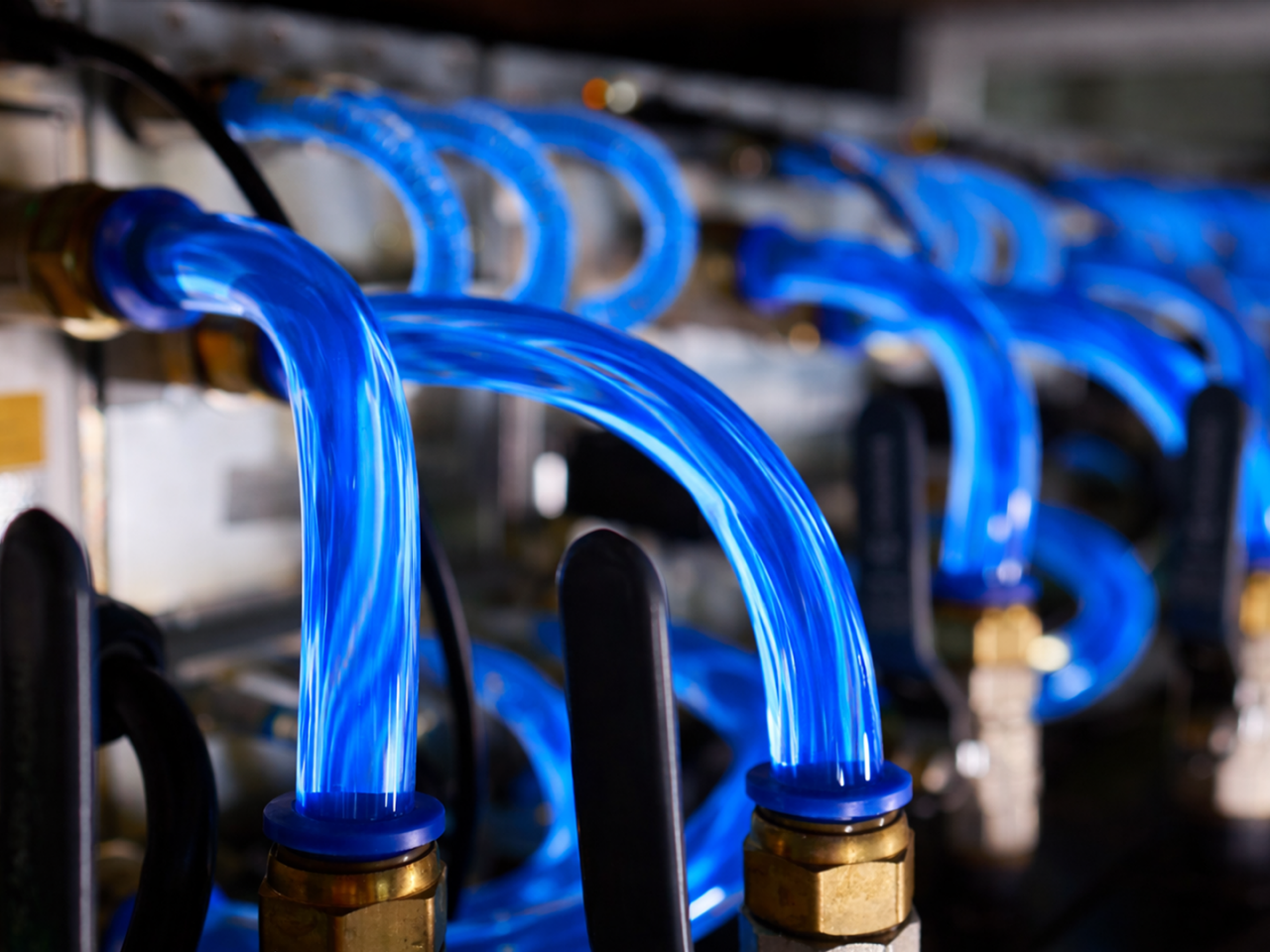
Solving Thermal Management Challenges in Modern Data Centers


Raising the Thermal Ceiling and Reducing 1.6T Bottlenecks

Traditional air-cooling systems are reaching their physical limits. With 1,000W+ AI processors and 1.6Tbps networking modules generating concentrated thermal loads, operators face an increased risk of throttling, signal instability and long-term mechanical fatigue. Managing these environments requires a coordinated approach that combines 3D kinematic alignment, immersion-rated material science and active leak-detection telemetry across both air-cooled and liquid-cooled architectures.

Molex resolves these challenges with an integrated suite of cooling and connectivity solutions. OCP-compliant blind-mate liquid cooling interfaces and floating thermal bridges are engineered to maximize compute density, while vibration-resilient interconnect systems maintain stable high-speed performance and zero-leak reliability.

Close-up of a liquid cooling system in a data center, showing coolant tubes and heat sinks designed for high-performance thermal management.

Enabling Leak-Free Operational Reliability

Liquid and immersion cooling can improve thermal performance, but they also raise the stakes for operational reliability. A small coolant leak, trapped vapor pocket or degraded seal during a hot swap can quickly become a costly outage in high-density AI environments.

Molex helps reduce that risk with OCP-compliant dry-break interfaces, hermetic optical feedthroughs and integrated telemetry systems that detect moisture and fluid anomalies early, improving uptime, serviceability and long-term infrastructure stability.

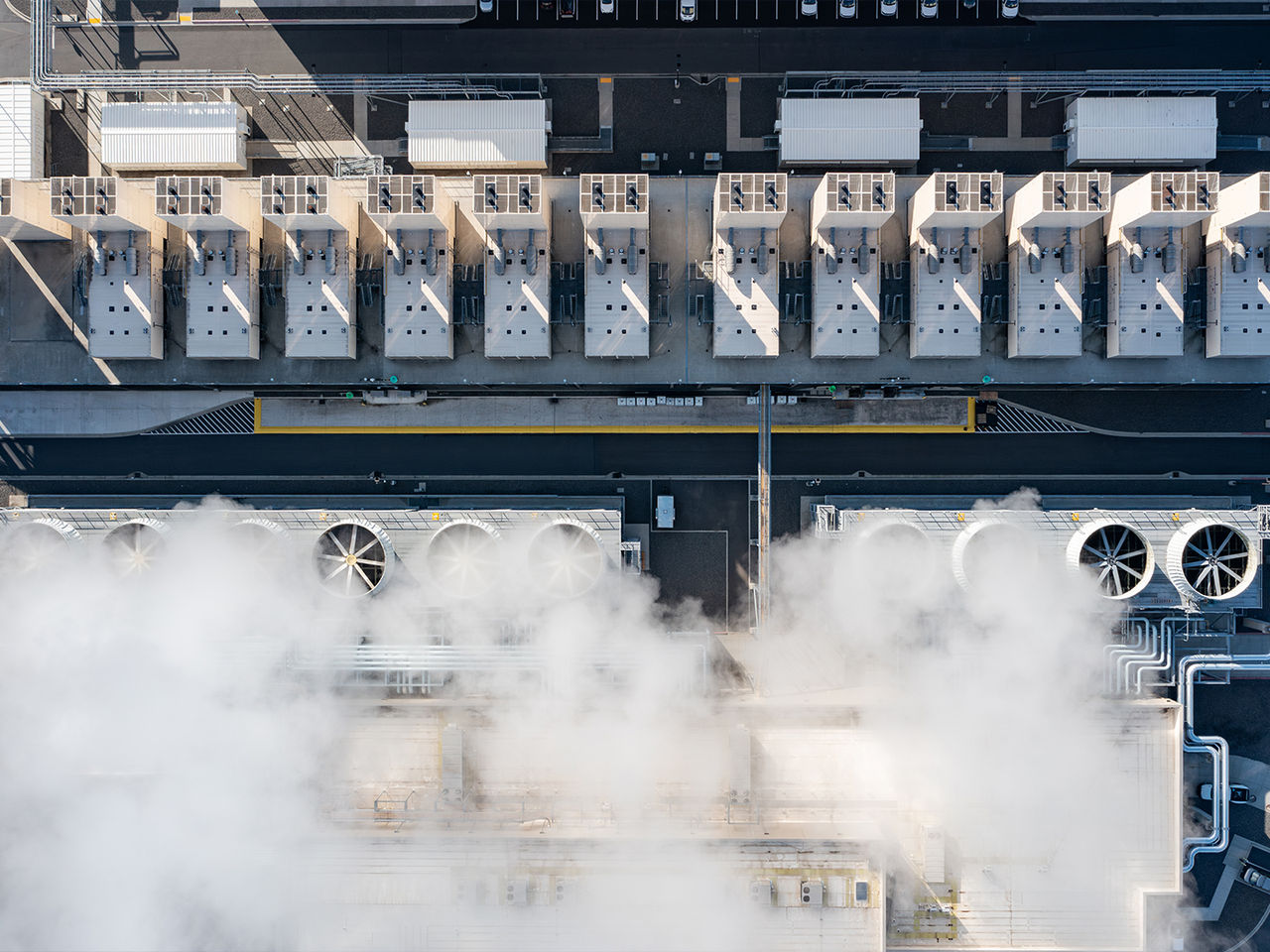
Aerial drone view of a hyperscale data center featuring rows of industrial cooling fans and evaporative cooling infrastructure.

Achieving Mechanical Compliance and Precision

Heavy liquid-cooled server blades and expanding thermal loads can gradually shift mechanical alignment inside the rack. The movement places stress on connectors, solder joints and high-speed signal paths, components that are expected to maintain clean 224G performance over years of operation. Keeping these systems stable requires connectivity designs that can flex with the hardware rather than resist it. By using floating mechanisms and hardened contact materials, these designs can tolerate vibration, movement and repeated service cycles.

Self-aligning, spring-loaded interconnect solutions from Molex help absorb mechanical stress and harmonic resonance while maintaining reliable surface contact and signal continuity across high-density AI infrastructure.

Corridor featuring server racks with blue LED status lights representing efficient data center thermal management.

Data Center Thermal Management Resources


Report

Cooling for Next-Generation Data Centers

AI workloads are exposing new limits in traditional cooling strategies, particularly in high-speed I/O modules where thermal density is highest. Managing these conditions requires an examination of how airflow, liquid cooling and component-level design interact and affect thermal loads.

Learn how Molex is rethinking data center thermal management in this in-depth report on advanced cooling strategies and system design.

A graphic depicting liquid cooling hardware for data center thermal management.

Blog

Thermal Management Strategies for High-Speed Systems

Immersion cooling is expanding in high-performance data centers, bringing new challenges related to material compatibility and thermal stability. Maintaining consistent long-term performance requires control of fluid behavior and temperature.

See how Molex solves these problems in its design and validation strategies for scalable thermal architectures.

Immersion cooling infrastructure in modern data center.

Blog

ORV3 Immersion Cooling Insights 

Immersion cooling is gaining traction in high-performance data centers, introducing new challenges related to material compatibility, thermal stability and interconnect performance. These environments demand precise control of fluid behavior, temperature rise and component interaction to ensure consistent, long-term operation.

Discover how Molex design and validation strategies help address these challenges and enable scalable thermal architectures.

A room of servers in a hyperscale data center.