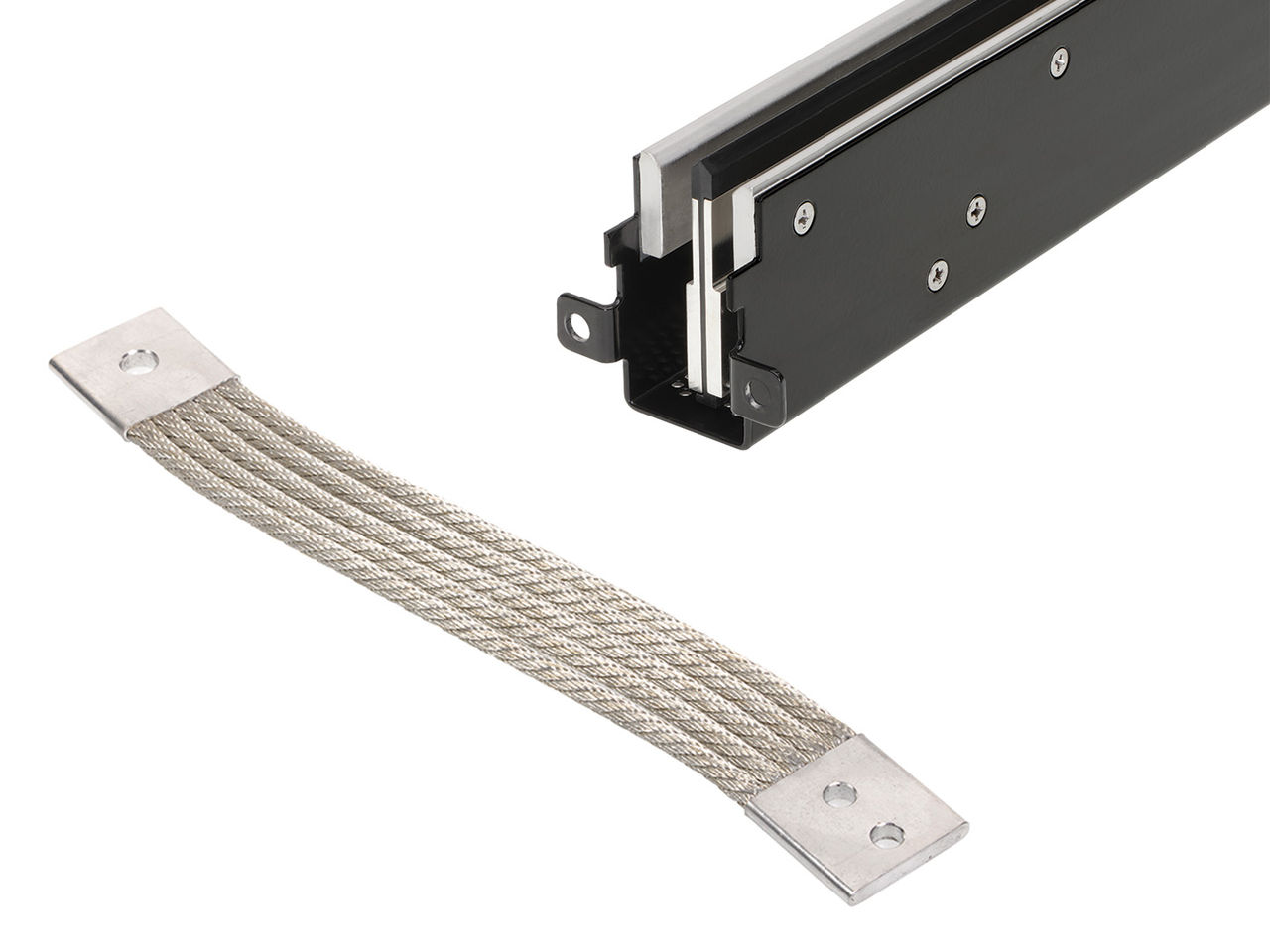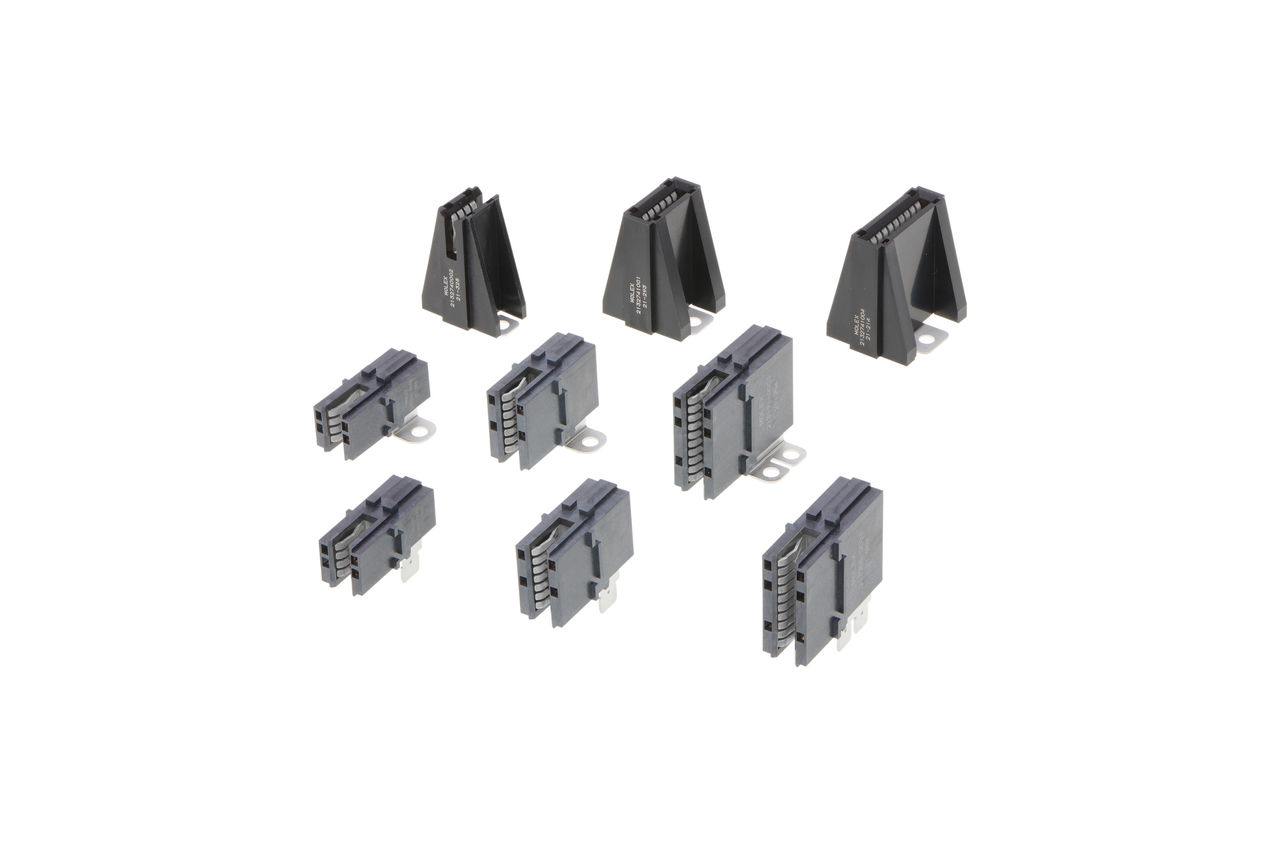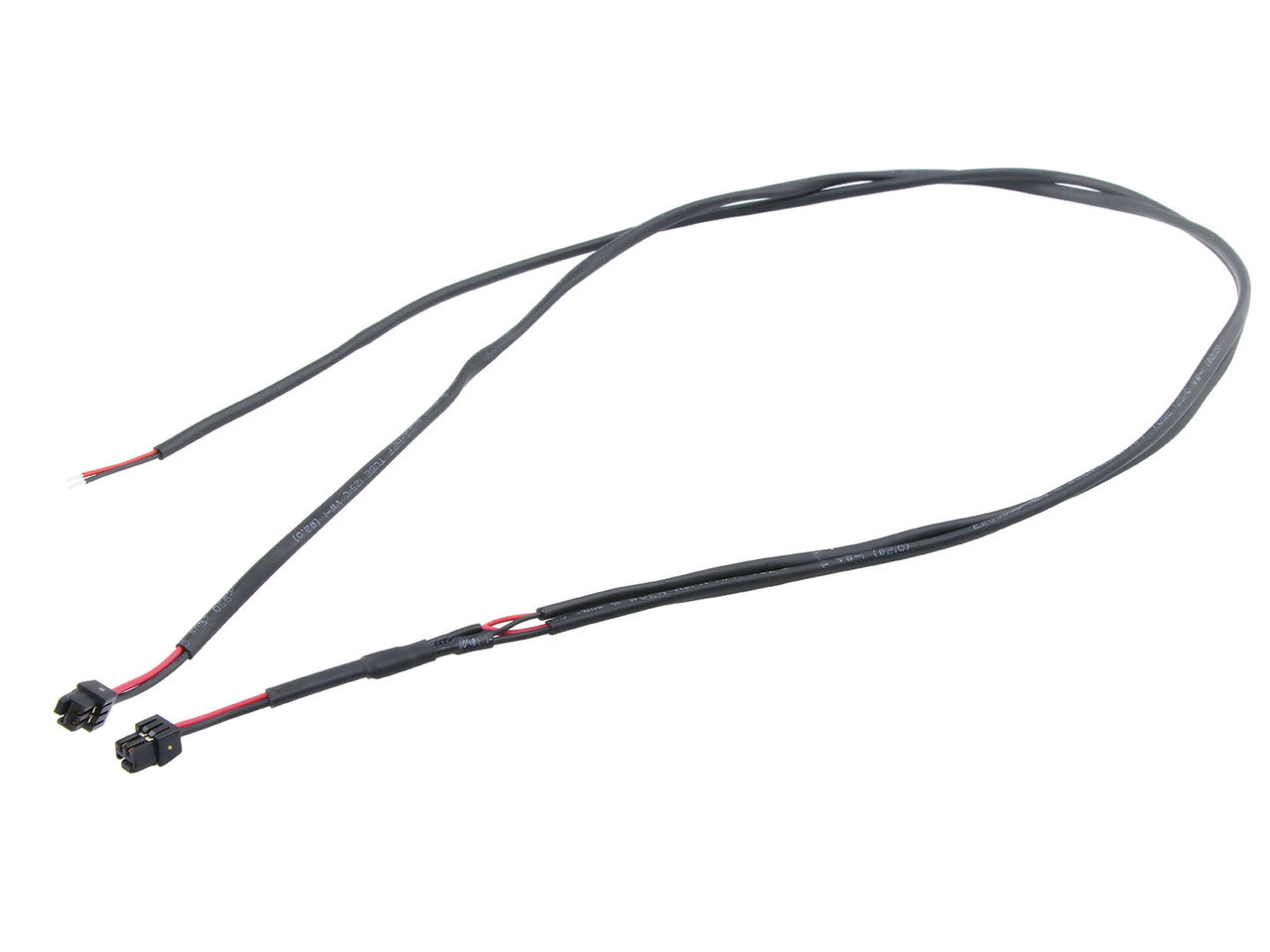

| Industry Standards | Current | Design Configuration | Coolant Compatibility |
|---|---|---|---|
| OCP ORv3 High Power Rack (HPR) | Up to 15.0kA | Custom | Dielectric and non‑dielectric liquids |
Features and Benefits
Rack-level power distribution is increasingly constrained by thermal challenges, as air-based cooling systems struggle to remove the growing heat loads generated by high-density, power-delivery components, leading to hot spots and reduced thermal stability. Traditional power distribution hardware consumes valuable rack space, restricting airflow and design flexibility, while variability in cooling infrastructure and integration requirements can create adoption barriers and increase system complexity.
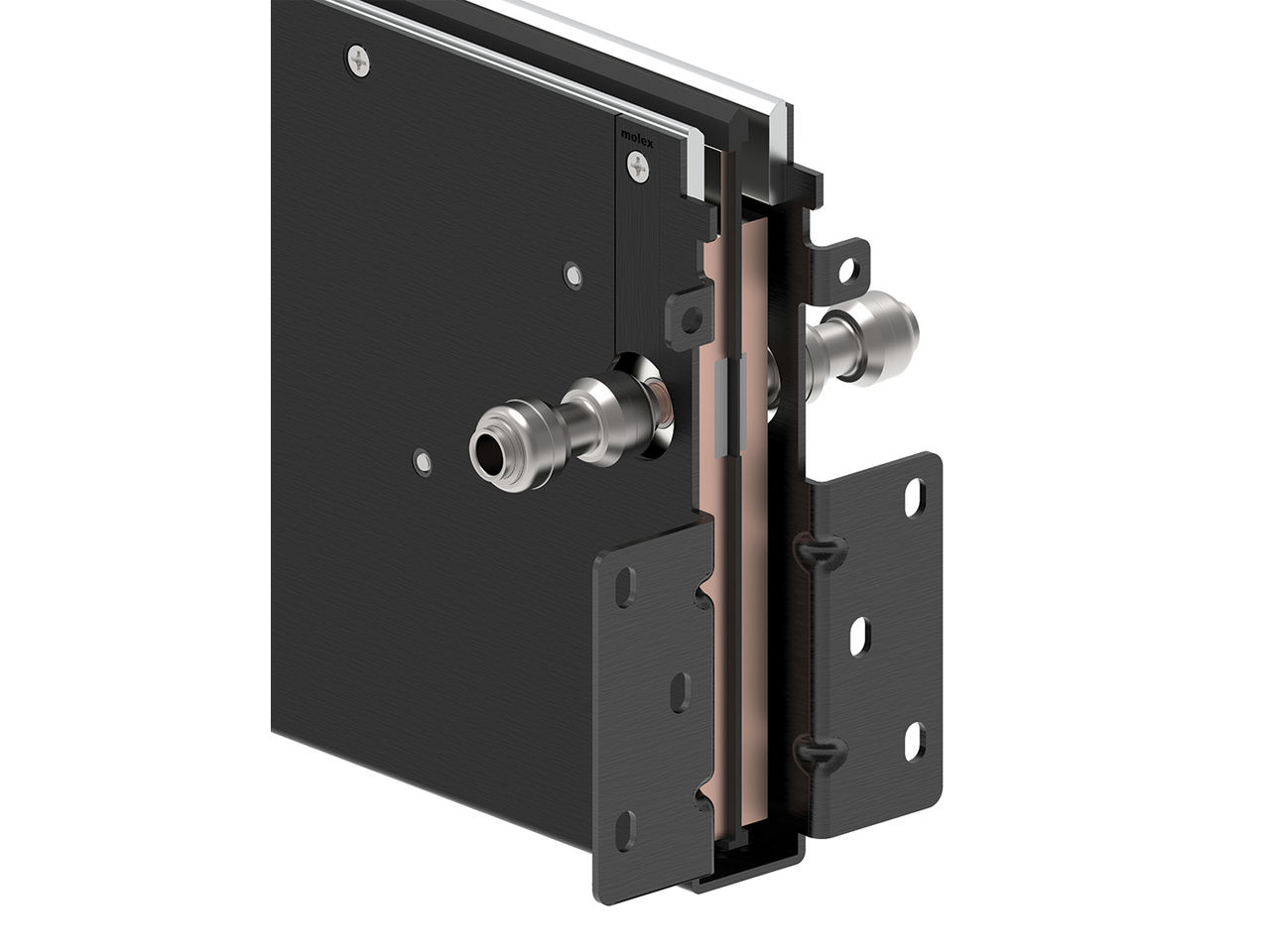
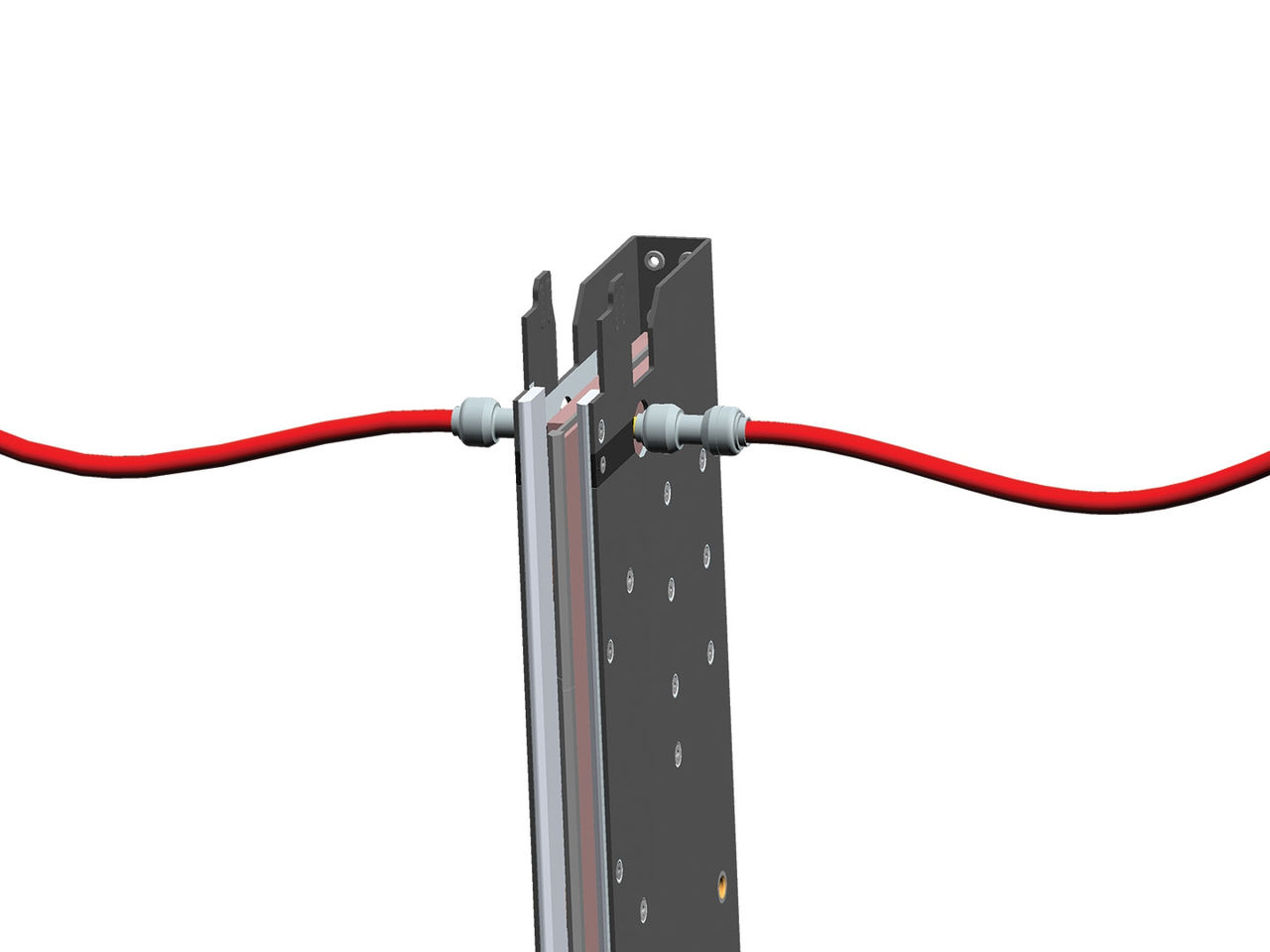
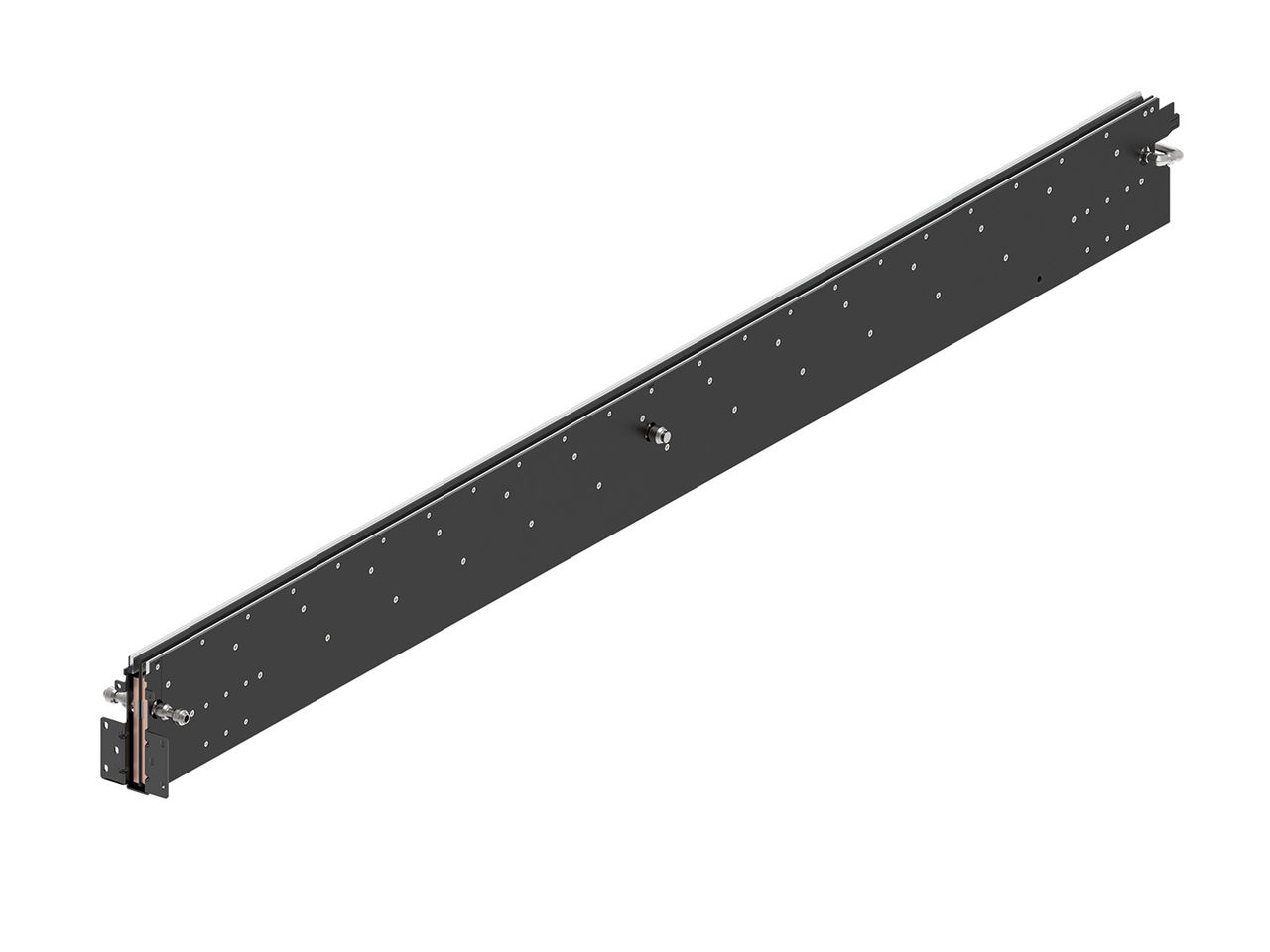
Liquid-cooled busbar technology addresses thermal limitations by integrating liquid cooling directly into compact, high-density power distribution systems. By offering a compact, configurable architecture that is footprint compatible with Open Compute Project (OCP) ORv3 mechanical standards, these busbars support tight rack layouts. Hydraulically efficient liquid-cooled busbar designs and advanced multi-channel cooling architectures maximize heat transfer and reduce thermal stress.
Molex liquid-cooled busbars efficiently remove heat at the source, eliminating hot spots and enabling stable, reliable rack performance at high power densities. These customizable busbars enable a seamless transition from air to liquid cooling without requiring rack infrastructure redesign. This preserves existing footprints while unlocking greater design flexibility and cooling efficiency. With customizable form factors and flexible configurations, Molex liquid-cooled busbar capabilities provide a solution that integrates easily into existing environments, ensuring consistent performance, improved reliability and simplified deployment across diverse liquid cooling systems.
Applications by Industry

Networking and telecom equipment

Power distribution
Power supply and battery backup units

AI and machine learning
AI/GPU servers
Hyperscale data centers
Open compute project
Server and storage systems
This is not a definitive list of applications for this product. It represents some of the more common uses.
Frequently Asked Questions
What are liquid‑cooled busbars?
Liquid‑cooled busbars are power distribution components that integrate liquid cooling channels directly into the busbar structure. This allows heat generated by high-current loads to be removed at the source, enabling higher power density, improved efficiency and more stable performance in advanced data center architectures.
Where do Molex liquid‑cooled busbars fit in a hyperscale power architecture?
Molex liquid-cooled busbars are designed for high-current power distribution (~750kW) in dense environments such as AI and accelerator racks. These busbars can be applied at the rack level to support 48V/52V power-distribution liquid cooling and above 240kW high-power distribution schemes where air-cooled or passive busbars reach thermal limits.
Why are liquid‑cooled busbars becoming necessary for AI and accelerator workloads?
AI rack power distribution and accelerator workloads drive significantly higher current densities and thermal loads than other application workloads within the rack. Traditional air‑cooled or passive copper busbars struggle to manage the resulting heat without increasing size or spacing. Liquid‑cooled busbars for data centers remove heat more efficiently, enabling higher power delivery without expanding the physical footprint.
How do liquid‑cooled busbars improve thermal performance compared to air‑cooled options?
By circulating coolants directly through the busbar, heat is removed at the conductor rather than relying on ambient airflow. This reduces peak temperatures, stabilizes electrical performance at high currents and supports higher sustained power levels than air-cooled alternatives.
What electrical performance benefits do Molex liquid‑cooled busbars provide?
Molex liquid‑cooled power busbars reduce conductor temperature, which lowers electrical resistance and voltage drop under high-current conditions. This helps improve overall power efficiency and supports stable operation during transient load changes common in AI and hyperscale computing environments.
What coolants are compatible with Molex liquid‑cooled busbars?
Molex liquid‑cooled busbars are designed to be compatible with common datacenter cooling fluids, such as deionized water or engineered coolant solutions (propylene glycol-based coolant, dielectric and non-dielectric liquids), depending on system requirements. Material selection and internal finishes are chosen to support long-term coolant exposure and system compatibility.
Can liquid‑cooled busbars integrate with existing cooling infrastructure?
Yes, Molex liquid‑cooled busbars are intended to integrate with broader rack‑level or facility‑level liquid cooling architectures. This allows hyperscale operators to leverage existing pumps, manifolds and monitoring systems while extending liquid cooling deeper into the power distribution path.
How do liquid‑cooled busbars affect rack design and scalability?
Liquid‑cooled busbars enable higher power delivery within the same rack footprint, reducing the need for larger conductors or increased spacing. This supports scalable rack designs and helps futureproof data center infrastructure as power demands continue to rise.