
| Frequencies | Connector Styles | VSWR | Dielectric Withstanding Voltage |
|---|---|---|---|
| DC to 67 GHz, depending on connector | 1.85, 2.40, 2.92mm | ≤1.30 (2.92mm), ≤1.35 (1.85 and 2.40mm) | 750V DC (2.92mm), 500V DC (1.85 and 2.40mm) |
Features and Benefits
As frequencies increase and higher speeds drive the need for tighter tolerances, RF connections must meet more stringent requirements for accuracy. RF cables in production and test environments can be subject to flexing, extreme temperature changes and repeated connection/disconnection cycles, all of which can contribute to performance problems. Phase and amplitude drift can lead to inconsistent results; high-frequency accuracy can be impaired by mismatch and loss that distort S-parameters and reduce usable dynamic range; and connection failures can lead to downtime and increase costs by requiring more frequent component replacement.
By using rugged coaxial cables designed to deliver consistent performance despite the effects of flexure and temperature changes, engineers can ensure stable electrical behavior and accurate test results. Cables and connectors that support high frequencies with precise phase and amplitude stability across a wide bandwidth help minimize reflections and mismatch at high frequencies, provide repeatable results and prevent rework. Cable assemblies offering multiple connectors improve adaptability and improve flexibility for test applications.
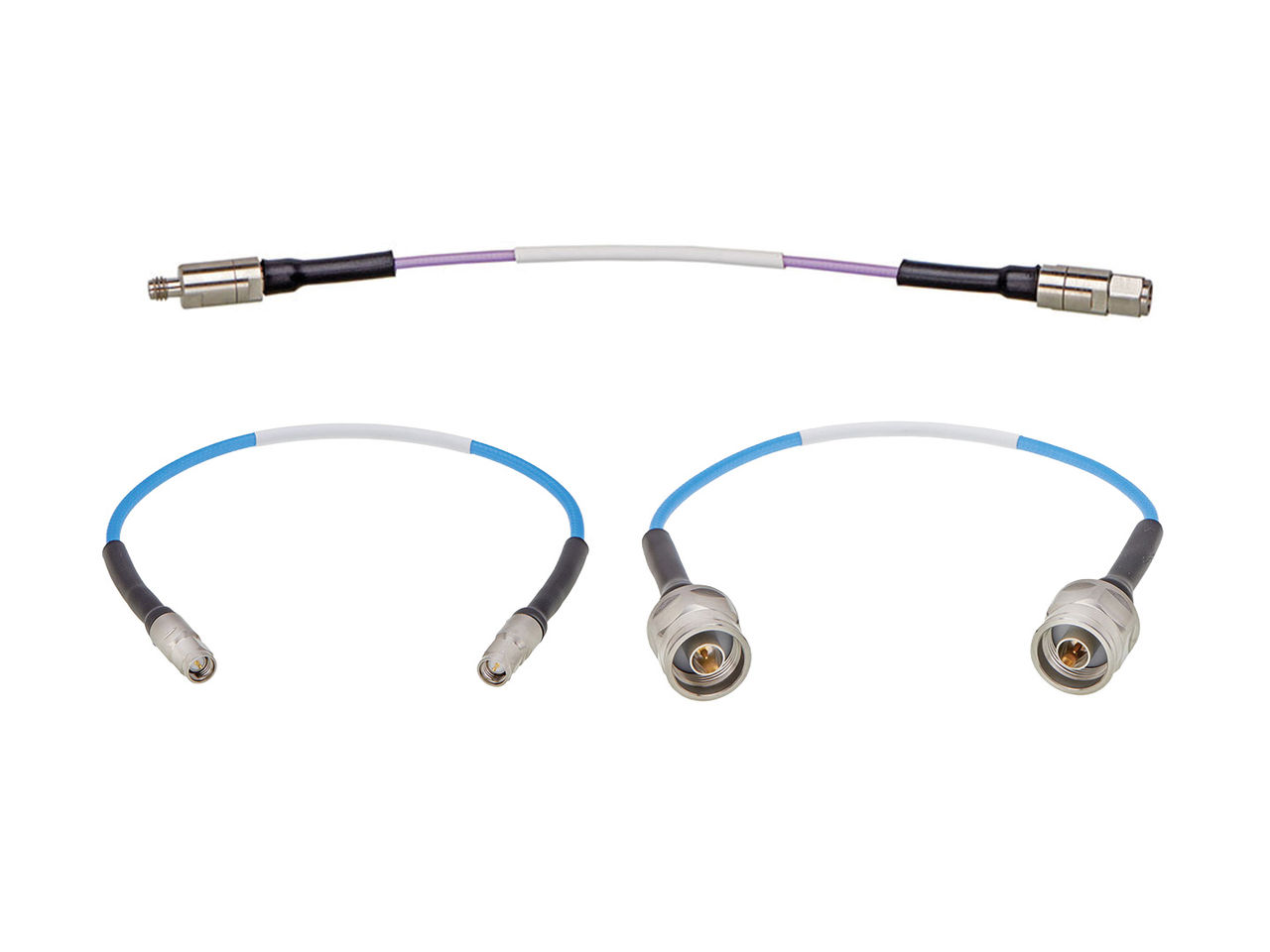
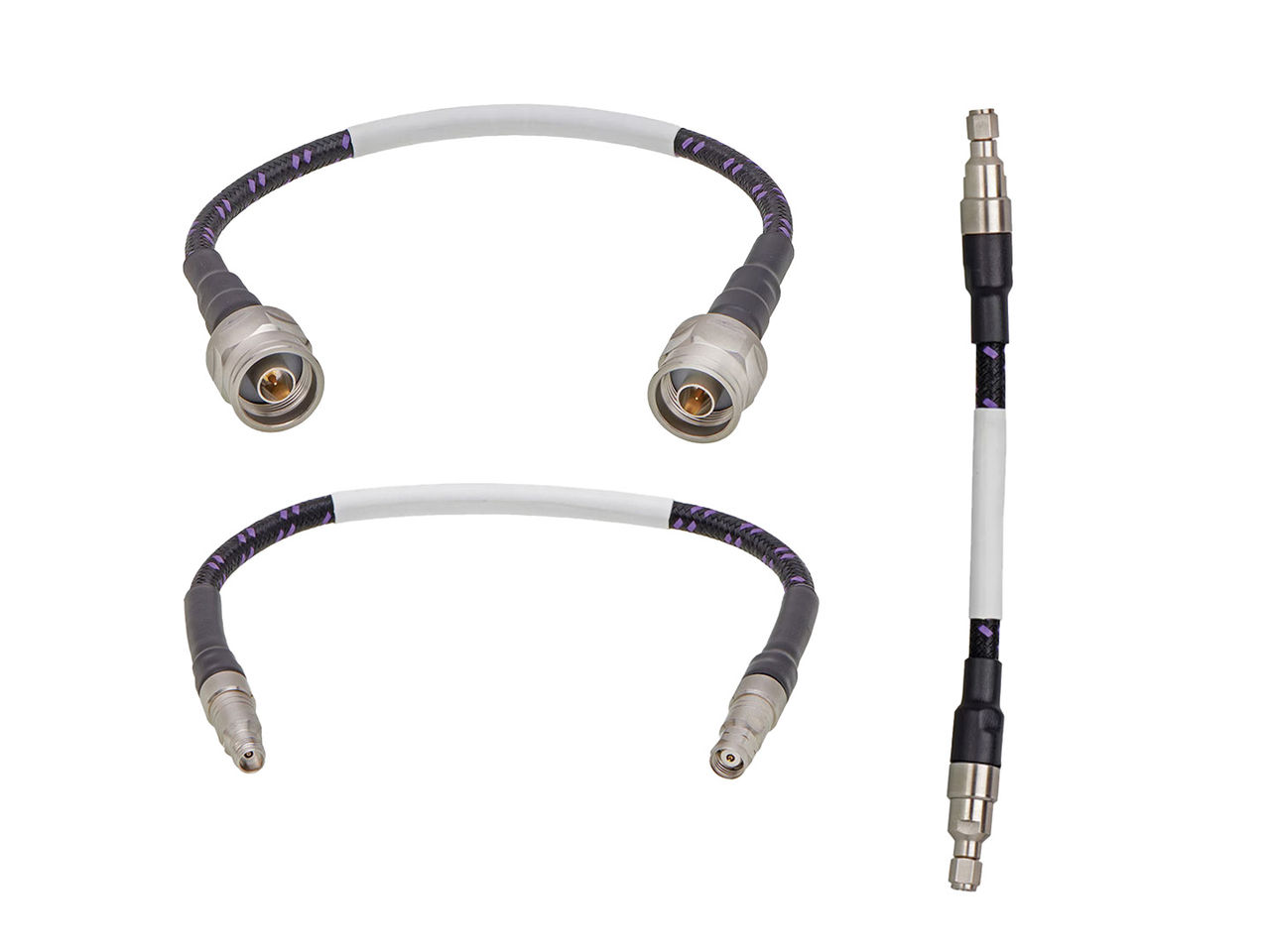
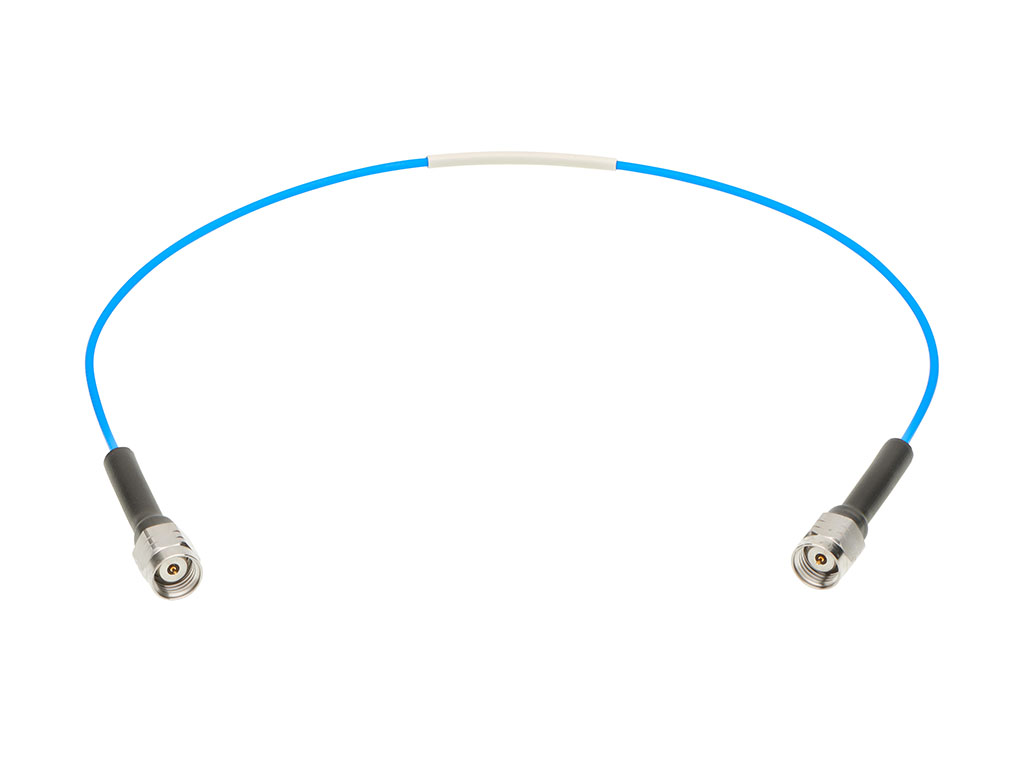
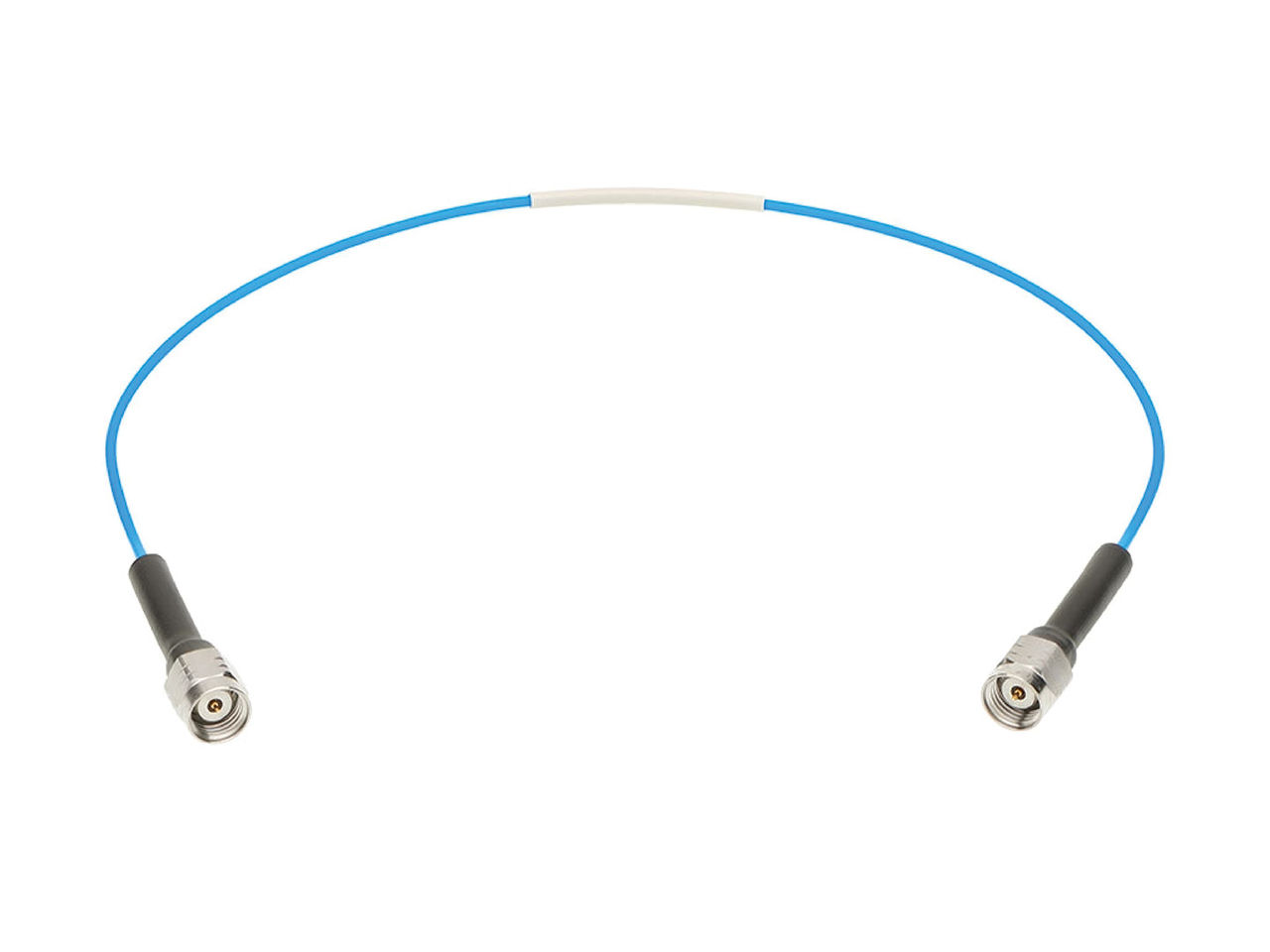
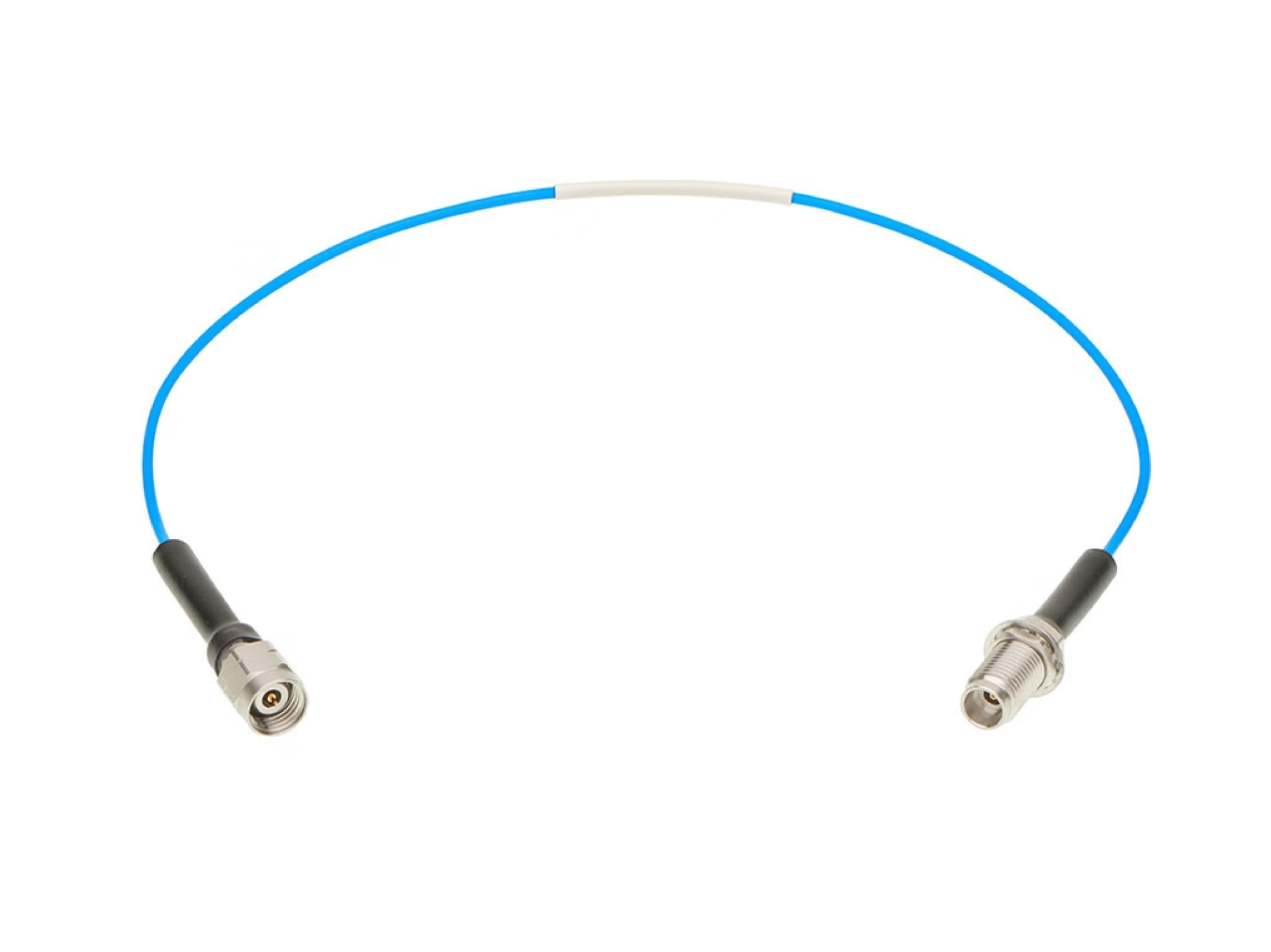
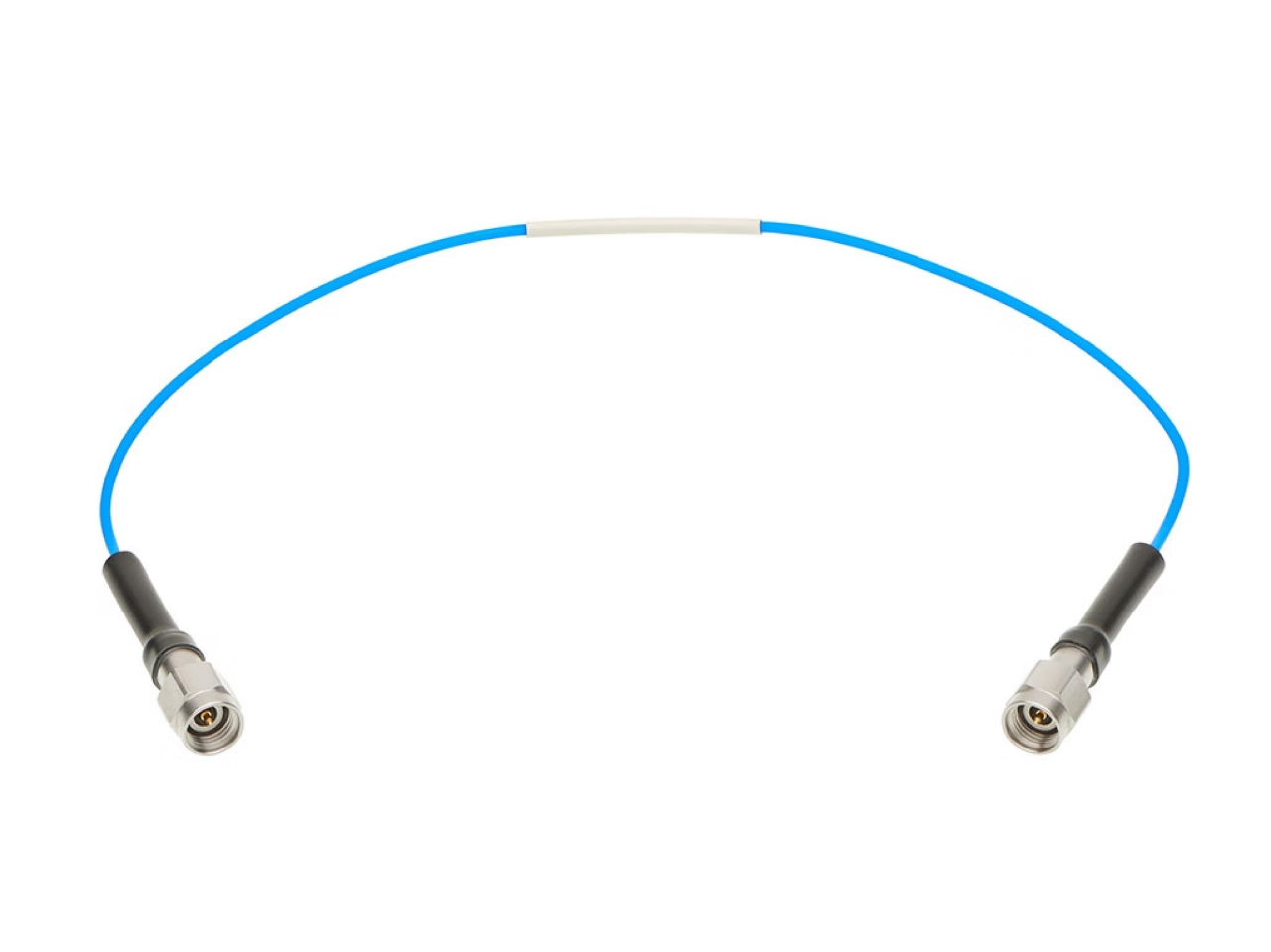
Cardinal Wave High-Frequency RF Test Cables are engineered for reliable phase and amplitude stability for challenging environments and frequencies up to 67 GHz. These robust cable assemblies are rated to withstand flexure, temperature swings and repeated connection/disconnection cycles while maintaining low insertion loss and VSWR. This provides more repeatable S-parameter results and minimizes re-tests. A variety of connector types and configurations, durable construction that enables 500+ mating cycles, and various off-the-shelf and custom cable lengths help minimize downtime, increase design flexibility and reduce inventory complexity.
Applications by Industry

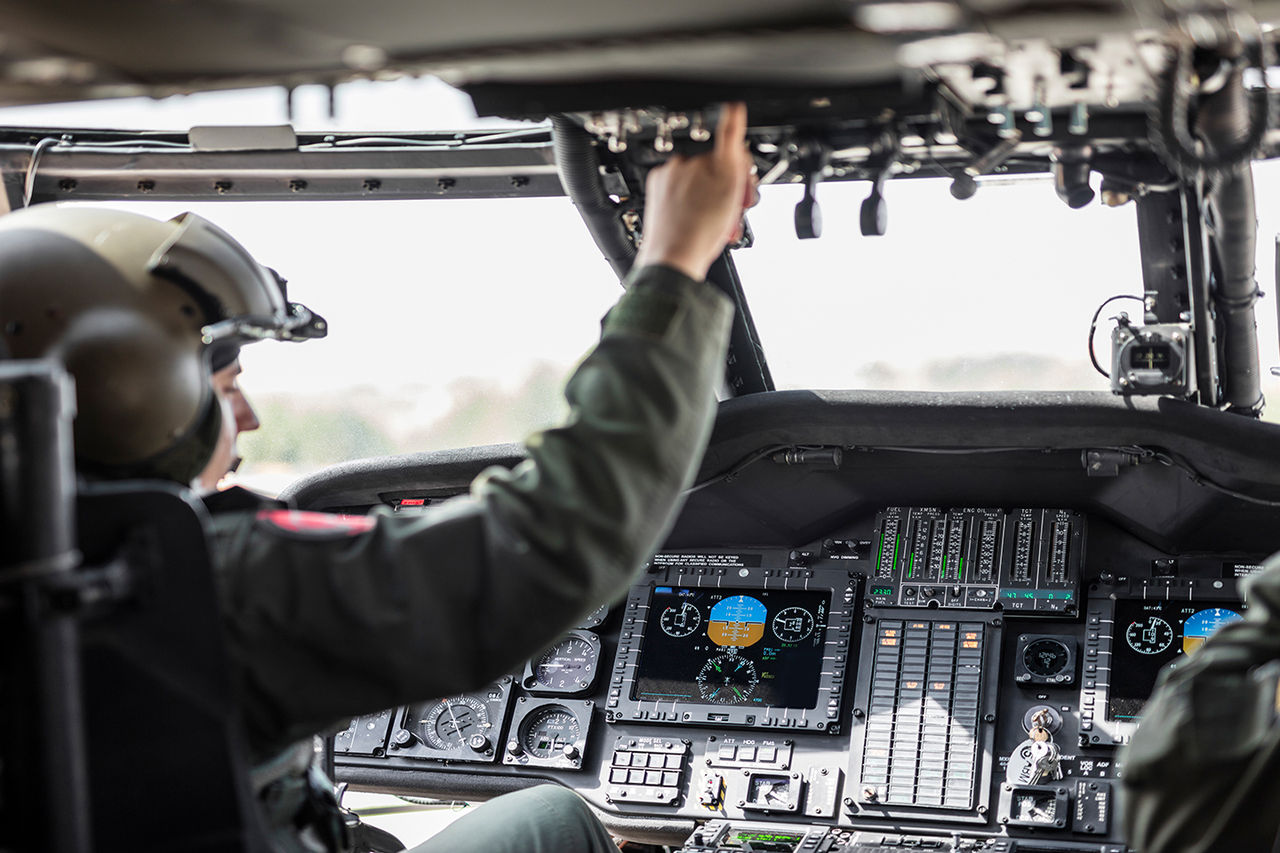
Electronic warfare systems
Military communications equipment
Radars
Satellite communications equipment
Electronic warfare systems
Military communications equipment
Radars
Satellite communications equipment

Chipset automated test equipment
High-speed signal-integrity test devices
Point-to-point microwave backhaul radios

Benchtop test and measurement equipment
Field-portable RF/microwave test equipment
This is not a definitive list of applications for this product. It represents some of the more common uses.
Frequently Asked Questions
What are Cardinal Wave High-Frequency RF Test Cables?
Cardinal Wave High-Frequency RF Test Cables from Molex are robust, high-precision coaxial cable assemblies engineered for production and test-and-measurement applications. These cables offer are rated for 500+ mating cycles at up to 67 GHz and offer low insertion loss, high phase and amplitude stability, and various connector options.
What are Cardinal Wave High-Frequency RF Test Cables used for?
Cardinal Wave test cables are used for lab and production test systems, including benchtop, field-portable, signal-integrity and automated test equipment (ATE) environments, ensuring reliable broadband RF connections.
What is a VNA test cable assembly, and are Cardinal Wave cables suitable?
A vector network analyzer (VNA) test cable assembly connects the VNA to the device under test (DUT) or fixture. The performance of the test cable assembly is determined by phase match (voltage standing wave ratio, or VSWR) and stability. Cardinal Wave test cables are suitable for VNA-style measurement setups with defined VSWR targets, providing phase and amplitude stability over temperature variations and flexure.
What frequencies do Cardinal Wave cables support?
Cardinal Wave cables are offered in three frequency tiers to match common test needs: DC to 40 GHz, DC to 50 GHz and DC to 67 GHz.
Why is low loss important in RF test cables, and what do Cardinal Wave test cables provide?
Low loss is important for RF test cables because, especially at high frequencies, loss can reduce measurement efficiency. Cardinal Wave test cables are engineered with low insertion loss and exceptional VSWR as primary design intents, providing high-quality and efficient signal transmission at high frequencies.
What is the typical VSWR of Cardinal Wave High-Frequency RF Test Cables?
The typical VSWR of Cardinal Wave test cables varies by frequency tier. Versions rated at DC to 40 GHz deliver VSWR of ≤1.30:1, while versions rated at DC to 50 GHz and DC to 67 GHz deliver VSWR of ≤1.35:1.
What is phase stability in cable assemblies such as Cardinal Wave test cables?
Phase stability is a measurement of how consistently the cable assembly performs when flexed or exposed to temperature changes. Cardinal Wave cables exhibit typical stability measurements of less than ± 5° at 67 GHz.
How do Cardinal Wave cables help improve measurement consistency?
Cardinal Wave test cables are designed to support consistent measurement results through controlled reflection (low VSWR targets) with phase and amplitude stability over temperature variations and mechanical flexure.
What makes Cardinal Wave cables reliable for repeated lab/production use?
Cardinal Wave cables are designed for mechanical robustness and repeated use, including defined durability ratings and coupling guidance.
Are bulkhead-mount options available, and why use them?
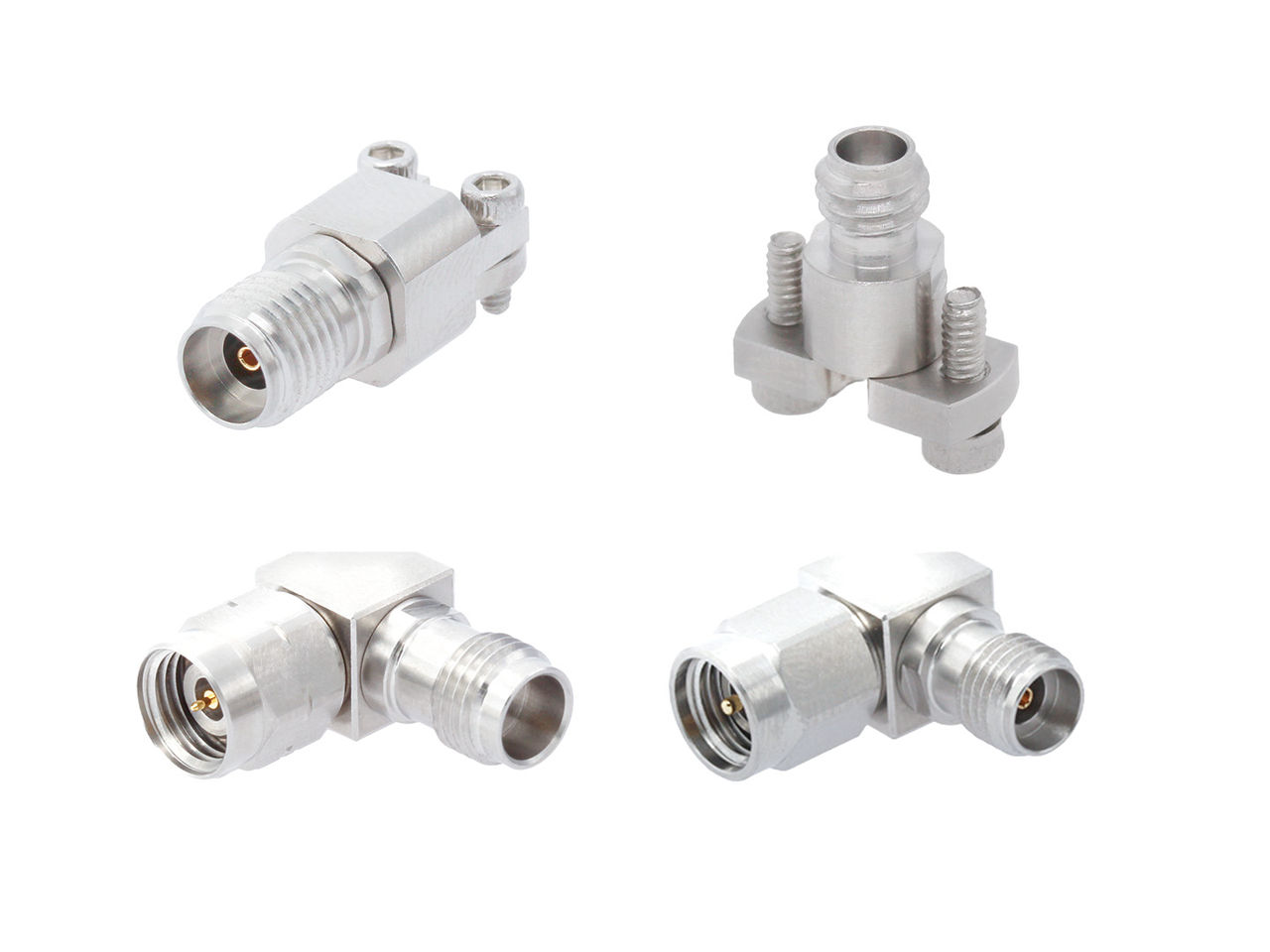
Yes, bulkhead-mount jack configurations are available. These solutions help create a secure, stable panel/enclosure interface by adding protection from external elements such as dust, moisture and mechanical stress.
Are custom lengths/configurations available?
Yes, custom configurations of Cardinal Wave High-Frequency RF Test Cables are available with a minimum of 6" and no maximum length. Various connector combinations are available to match specific application needs.
How do I choose the right Cardinal Wave cable configuration?
Choosing the right Cardinal Wave cable configuration begins with selecting the correct tier based on the required frequency range, followed by choosing the matching connector family, cable size and length. Bulkhead jacks should be used when a fixed panel/fixture interface is required. Available cable sizes including 0.047" (minimum bend radius 0.23" static/0.59" dynamic) or 0.086" (minimum bend radius 0.55" static/1.10" dynamic) with standard lengths of 6", 12", 24" and 36".