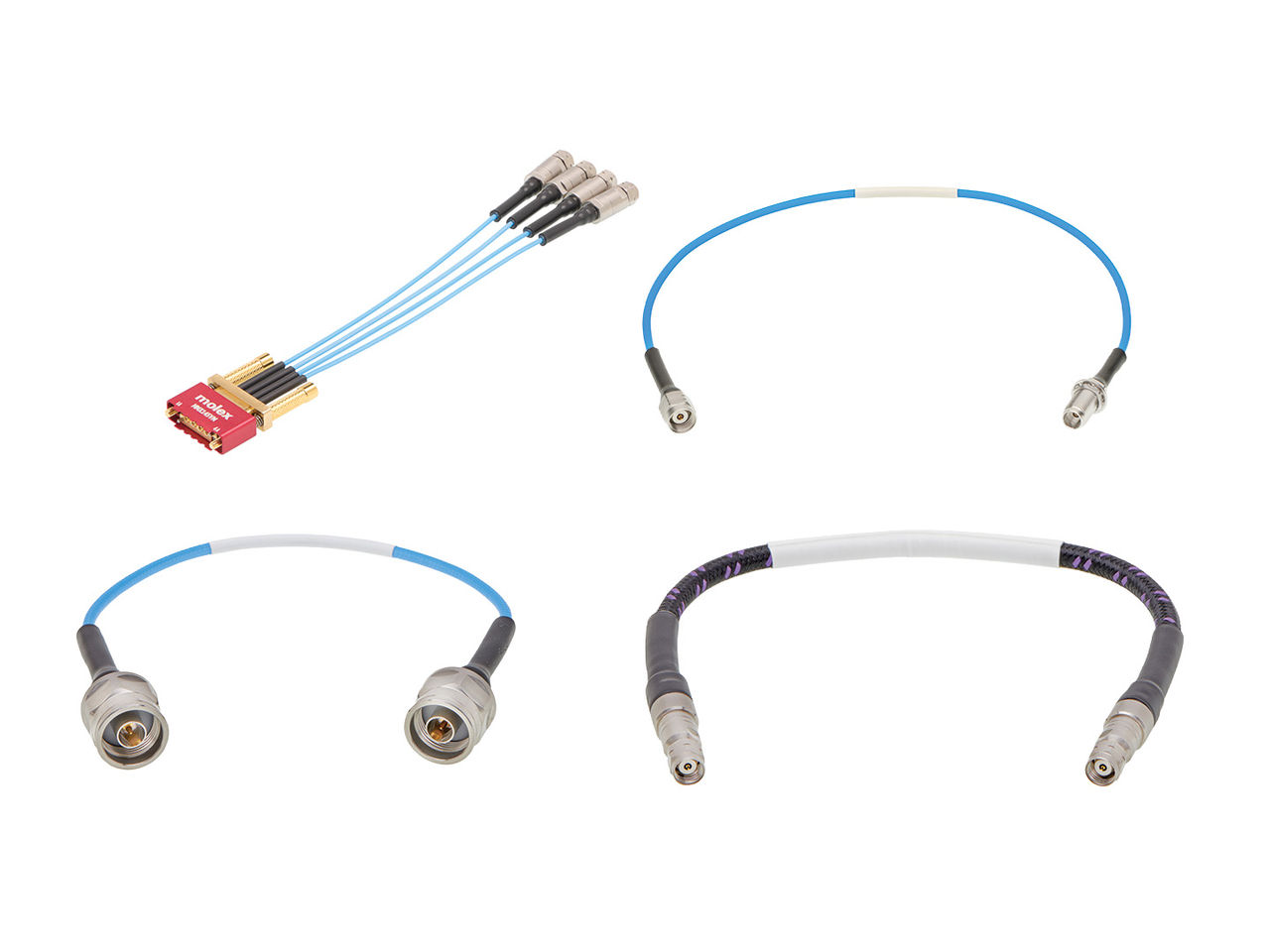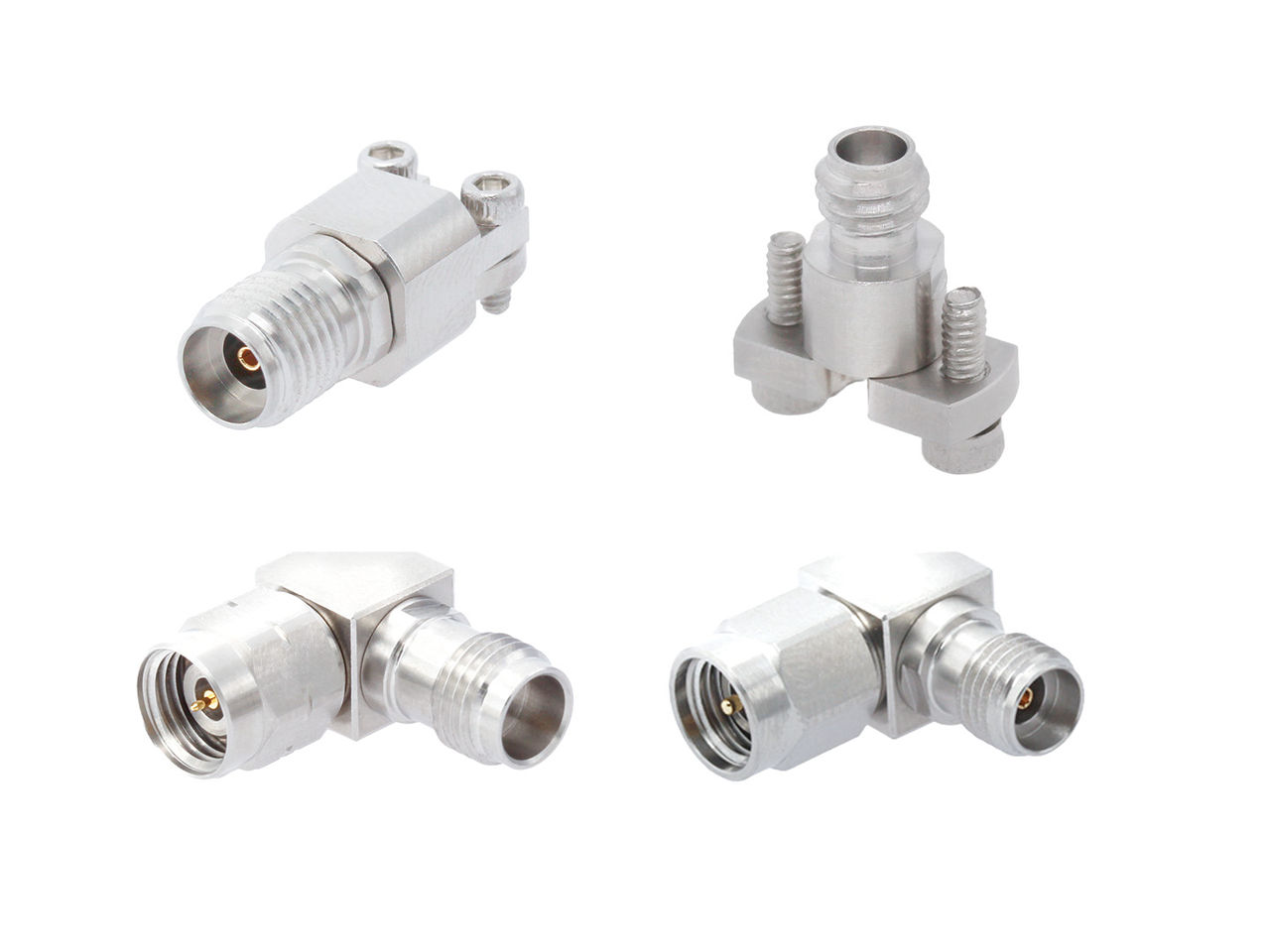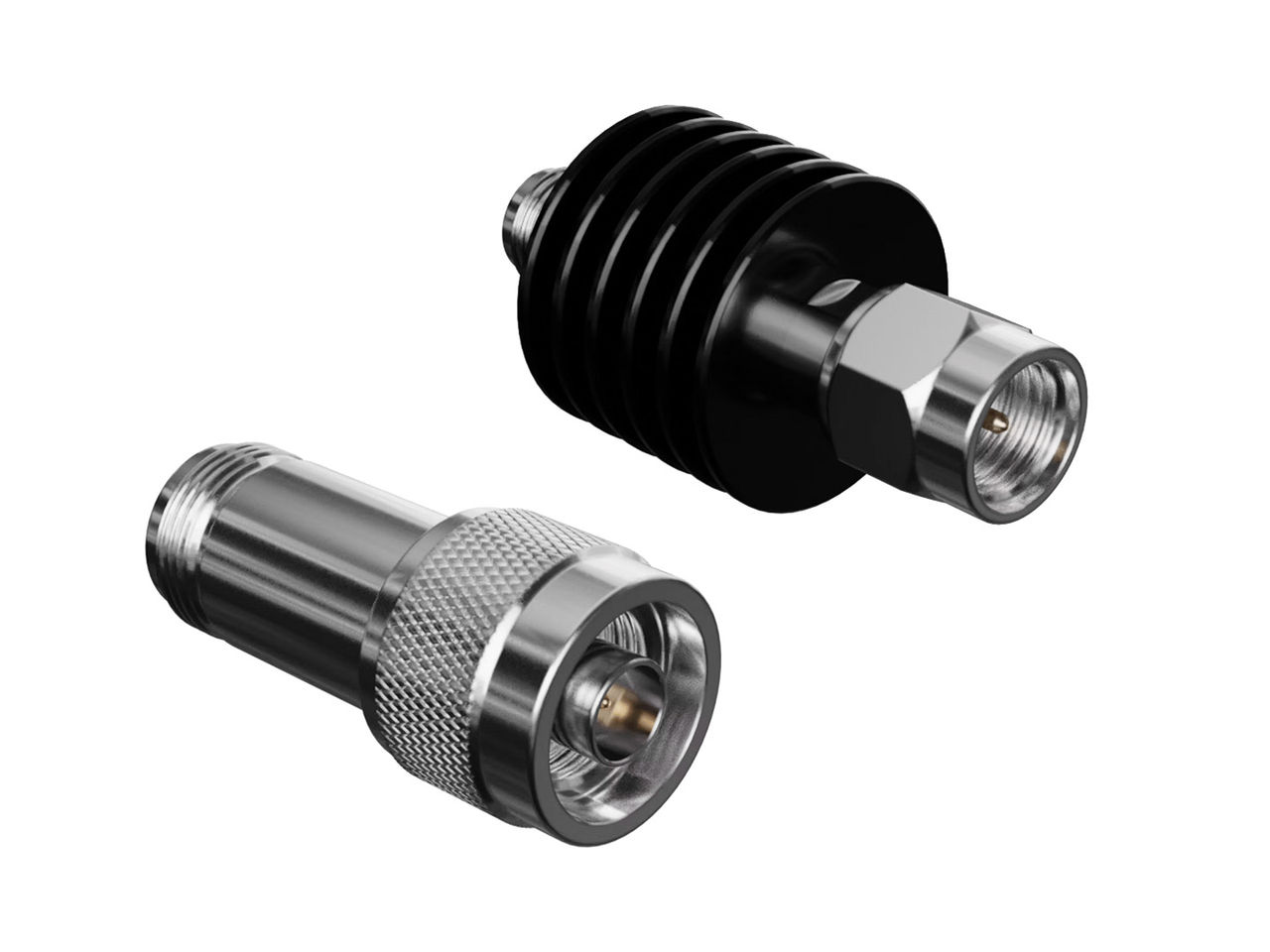

| Frequency Range | Typical VSWR | Phase Stability | Connector Interface Options |
|---|---|---|---|
| 18 to 110 GHz | < 1.4:1 up to 110 GHz (dependent upon connector selection) | < ±5° @ 67 GHz, < ±10° @ 110 GHz | 1.0, 1.85, 2.4, 2.92 or 3.5mm, SMA, N Type |
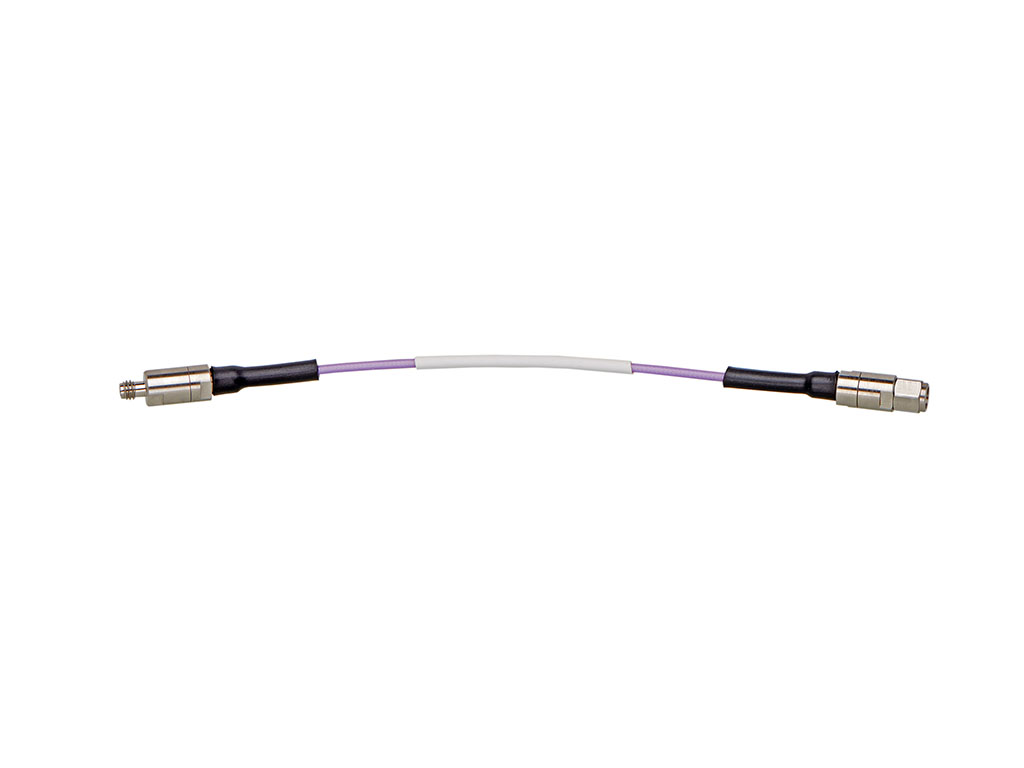
Features and Benefits
As AI-driven demands for higher performance increase requirements for testing and measurement, engineers must ensure results are accurate and repeatable even as devices get smaller and frequencies rise. Interconnects used in testing must withstand high connection/disconnection cycles, tight-radius routing in confined test setups and repeated handling, all while maintaining consistent phase stability and impedance control to ensure reliable results and shortened testing cycles.
Using interconnect solutions that are engineered for test and measurement use can help ensure consistent performance and repeatable measurements. Ruggedized cable assemblies can facilitate reliable performance despite tight-radius bending and repeated handling and mating cycles. Cable assemblies with multiple connector options can mitigate adapter stack-up issues, accelerating testing work, while pre-validated components help accurately assess test results and accelerate measurement work.
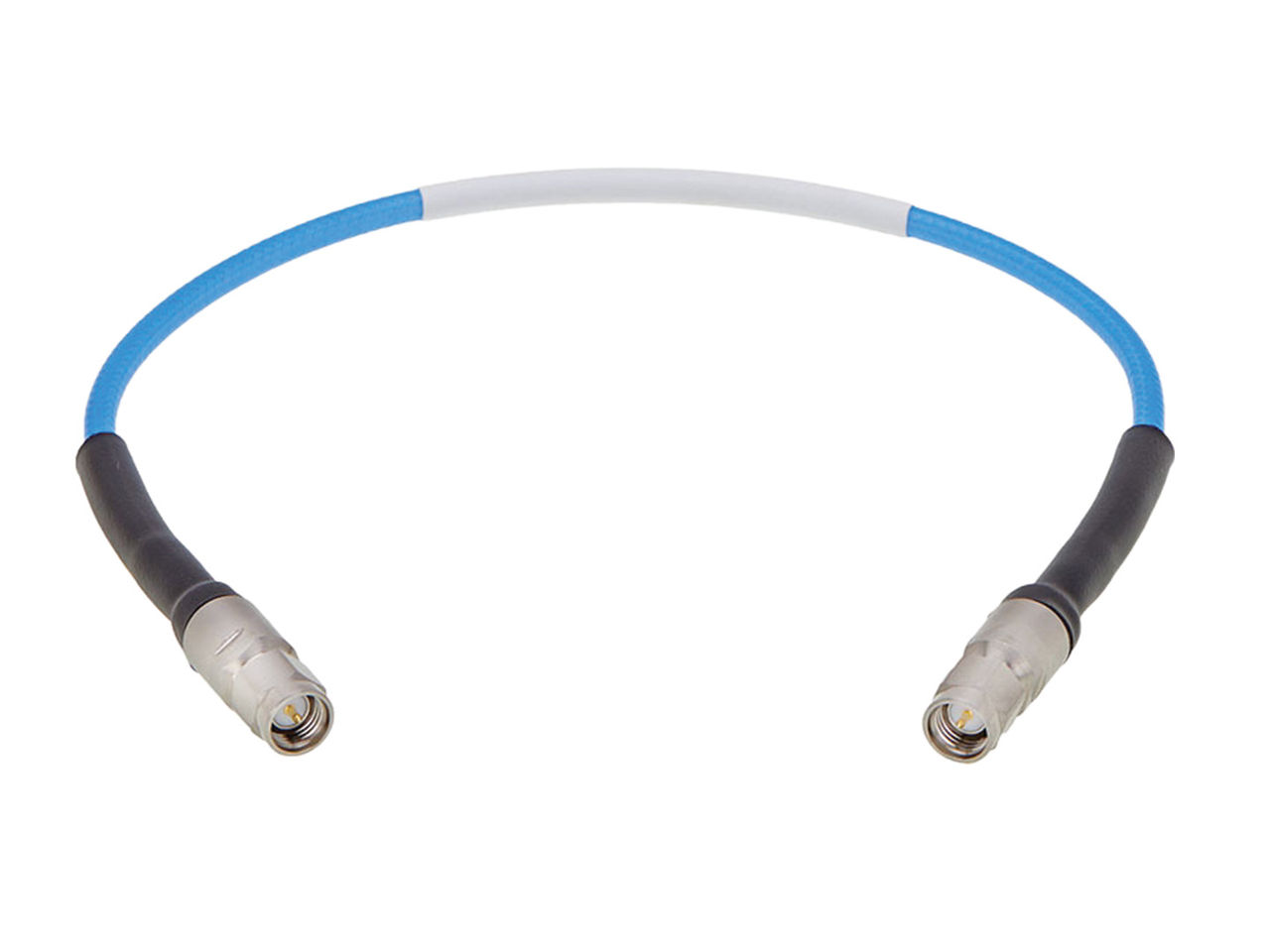
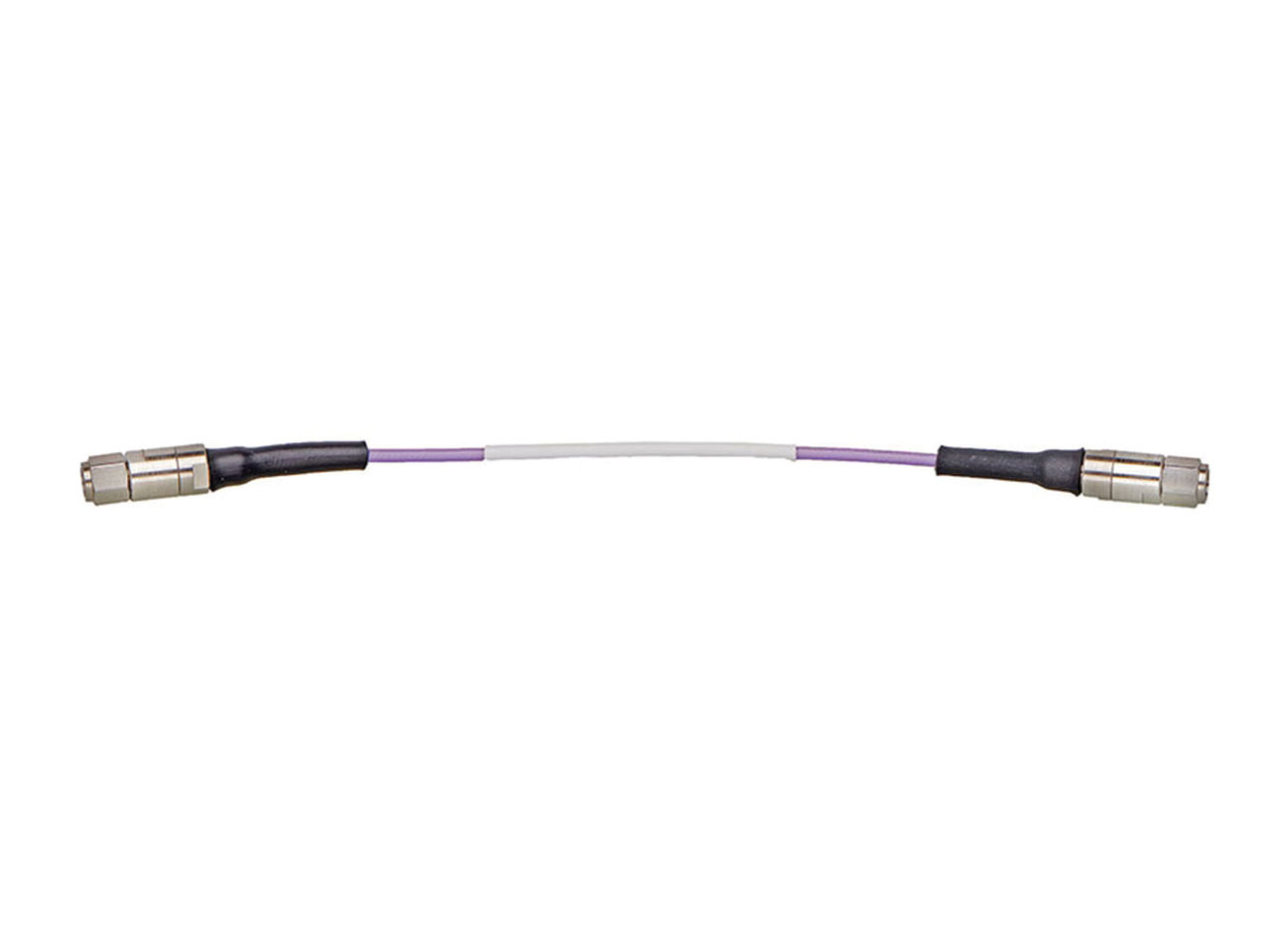
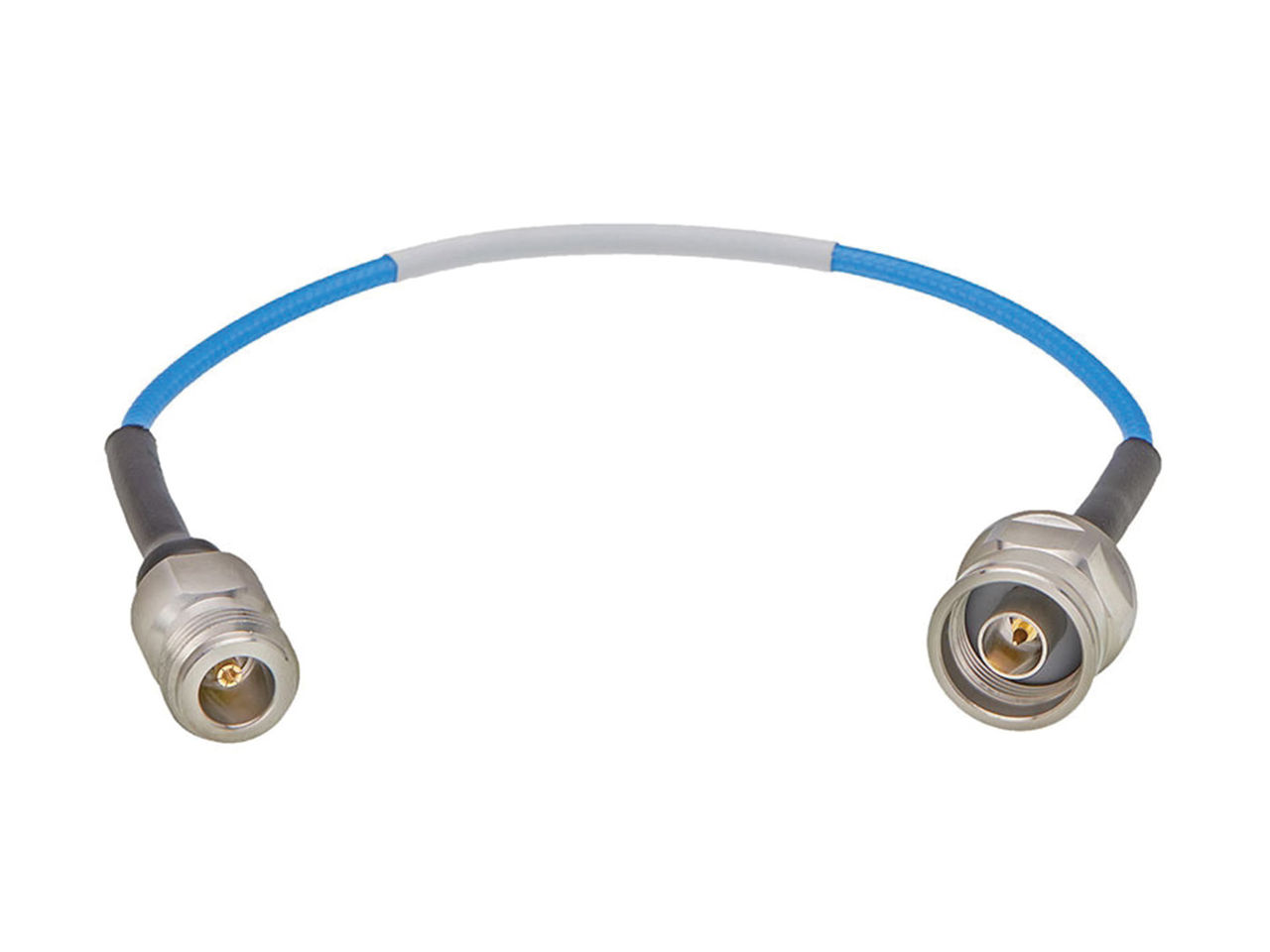
Cardinal Flex High-Frequency Flexible RF Test Cables provide durable, reliable and flexible connectivity solutions for testing and measurement. A phase-stable design with tight impedance tolerances that minimize voltage standing wave ratio (VSWR) help ensure consistent results. Small-OD cable and a rugged design provide reliability across 500+ mating cycles and help withstand use in confined test spaces and handheld/portable setups, simplifying and accelerating test cycles. A wide range of available connector options helps avoid unnecessary adapters, improving system efficiency and performance.
Applications by Industry

224G
448G systems
Automated test equipment
High-speed data transmission systems
Internet of things (IoT) devices
Network systems
Testing and instrumentation devices
Wireless communications equipment

Handheld test sets
Vector network analyzer (VNA) systems
This is not a definitive list of applications for this product. It represents some of the more common uses.
Frequently Asked Questions
What are Cardinal Flex High-Frequency Flexible RF Test Cables?
Cardinal Flex High-Frequency Flexible RF Test Cables from Molex are phase-stable, highly flexible cable assemblies purpose-built for RF test and measurement applications in space-constrained laboratory settings or handheld/portable test setups. These cable assemblies are ruggedized to ensure repeatable results; offer a variety of connector options that support frequencies up to 110 GHz; and provide high-performance, off-the-shelf solutions that help shorten testing lead times.
What are flexible RF test cables used for?
Cardinal Flex cables are used to connect vector network analyzers (VNAs), signal generators, spectrum analyzers, power sensors and text fixtures to a device under test, enabling repeatable, high-frequency measurements (e.g., S-parameters, gain/loss, return loss and phase) in laboratories, automated test environments (ATEs) and portable test setups.
What makes high-frequency flexible RF cables different from standard RF cables?
Compared with standard RF cables, Cardinal Flex cables maintain measurement integrity at higher frequencies, where cable performance can significantly affect the accuracy of results. These test cables emphasize phase stability under handling, tight impedance control of ± 1% to minimize impedance mismatch, high-frequency connector interfaces up to 1.0mm and high-frequency performance up to 110 GHz. Each cable includes test data to support qualification and correlation.
Why is bend radius important in RF test cables?
The bend radius should be considered because tight bends can change the cable geometry enough to cause impedance shifts, added reflections (VSWR), phase changes and potential damage.
How does insertion loss impact RF test performance?
High insertion loss reduces the delivered power and dynamic range, which can increase uncertainty around test results, especially at millimeter-wave (mmWave) frequencies.
What is VSWR and why does it matter in RF cables?
Voltage standing wave ratio (VSWR) indicates how well the cables match the system impedance—typically 50 Ohms. A poor match can cause reflections, which lead to ripples, measurement errors and reduced power transfer.
How do flexible RF cables maintain performance during repeated bending?
By combining a mechanical design optimized for flexibility (small OD featuring flexible and pinch-resistant construction) with electrical stability (phase-stable design and controlled impedance), Cardinal Flex cables minimize the effects of repeated bending.
What applications require precision RF test cables?
Cardinal Flex cables are ideal for any application where cabling uncertainty can mask device performance, including VNA calibration verification and S-parameter characterization, mmWave/5G and wireless front-end validation, high-speed networking/RF link validation, ATE/production testing requiring high repeatability and uptime, and portable/field troubleshooting with frequent handling or rerouting.
How do I choose the right RF test cable for my application?
The correct RF test cable for an application depends on the frequency requirement, interfaces, measurement sensitivity, mechanical constraints, length and availability. The cable must support the maximum frequency, with Cardinal Test cables offering performance up to 110 GHz. The interface should match the instrument or fixture to avoid adapters. Measurement sensitivity should be prioritized if phase/correlation matters, including reliable phase stability and low VSWR performance. Mechanical constraints can include cable OD, routing tightness and whether pinch resistance is needed. Standard cable lengths should be used when possible, depending on the availability of off-the-shelf or custom solutions.
What frequencies can high-frequency RF test cables support?
Cardinal Flex High-Frequency Flexible RF Test Cables support frequencies up to 110 GHz, depending on the connector type. These frequencies are supported by 1.0mm coaxial connectors.