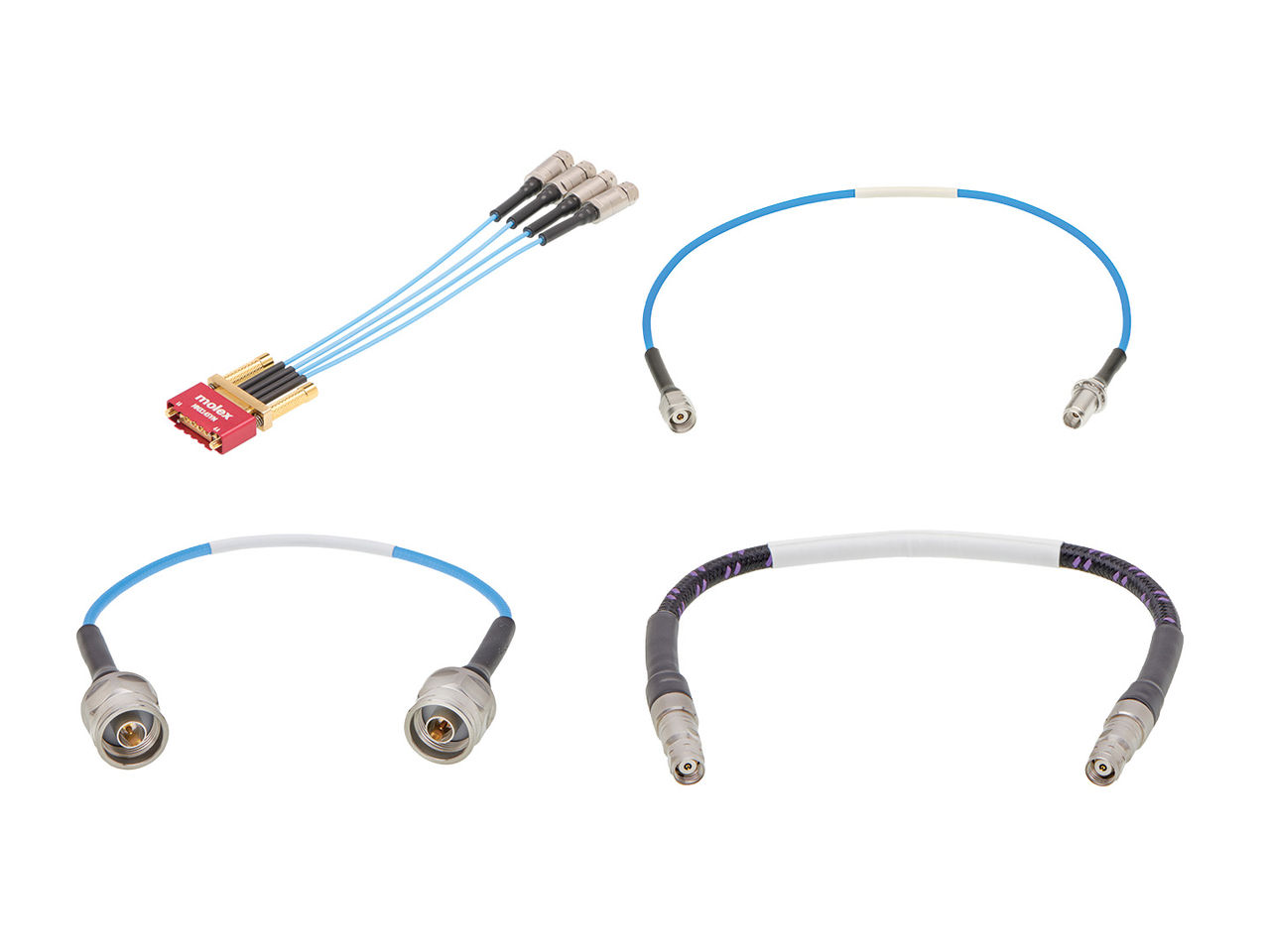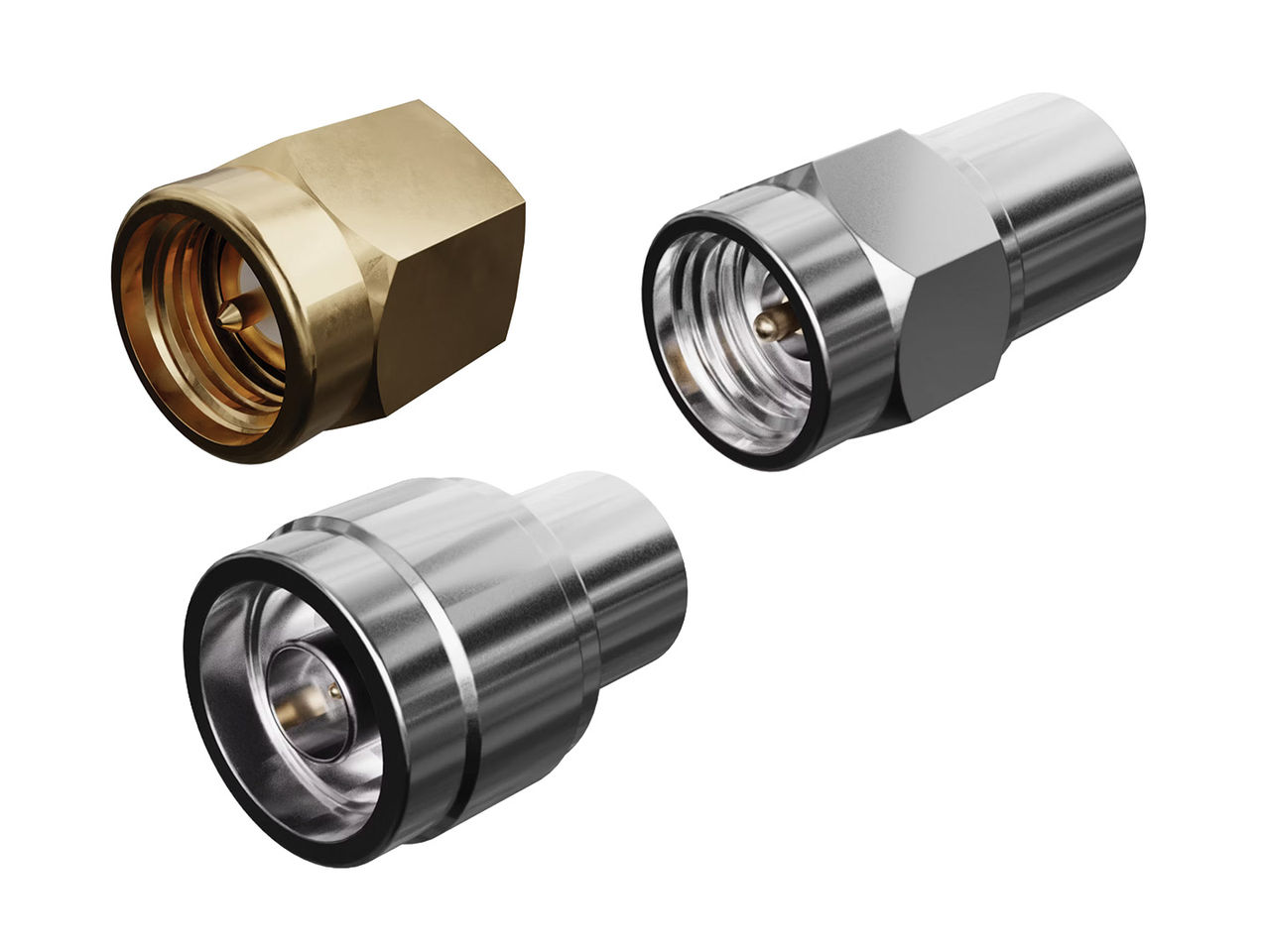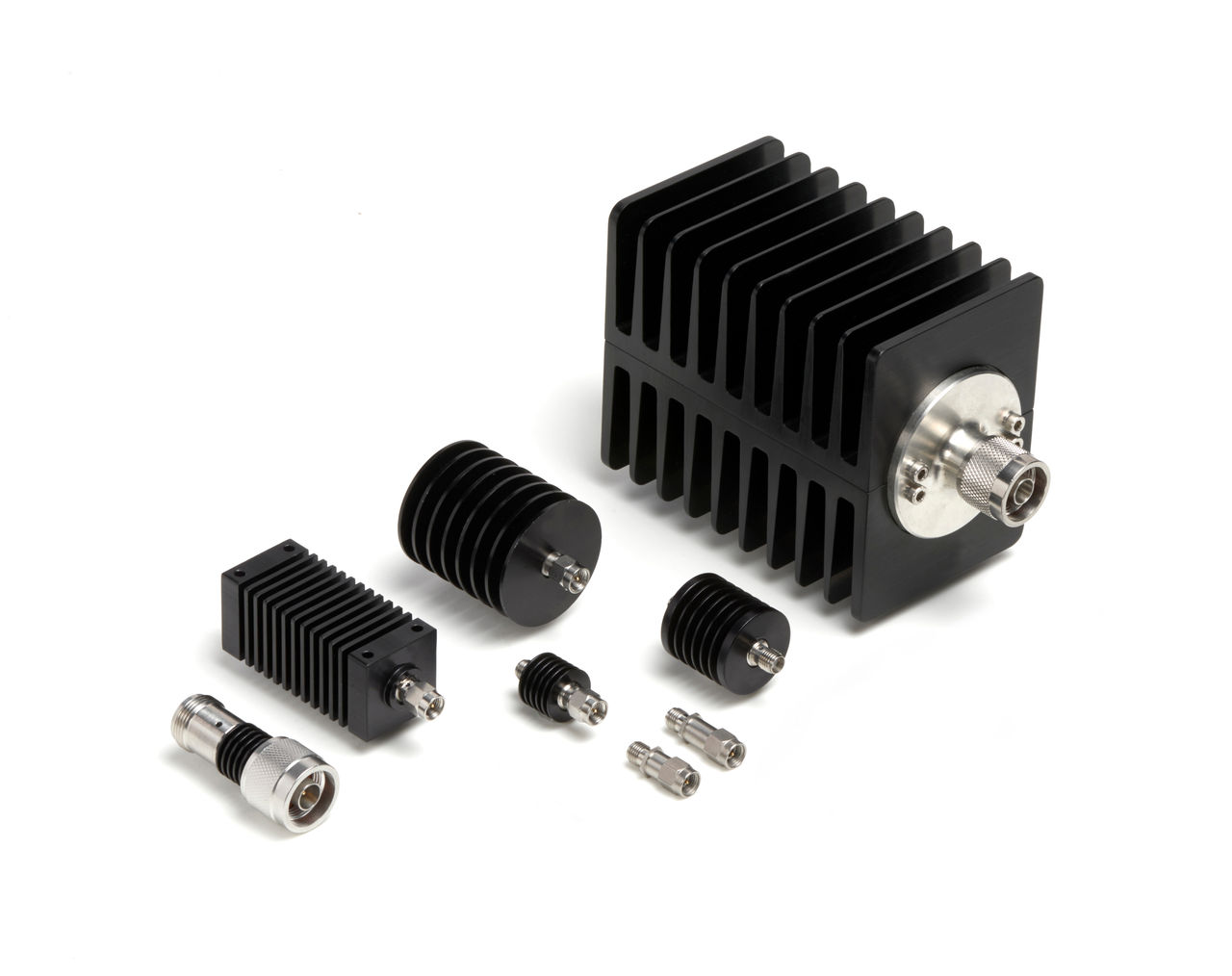

| Frequency Range | Typical VSWR | Phase Stability | Connector Options |
|---|---|---|---|
| DC to 110 GHz (connector dependent) | < 1.4:1 (connector dependent) | < ±5° @ 67 GHz, < ±10° @ 110 GHz (configuration dependent) | 1.0, 1.85, 2.4, 2.9 or 3.5mm, SMA, N Type |
Features and Benefits
With higher-frequency RF testing and measurement becoming more common, interconnect capability is increasingly a limiting factor for accuracy and repeatability. High-utilization test stations require rugged cable connections that deliver high-precision electrical performance despite frequent handling, bend stress and rerouting. Less-durable cables and connectors, and mixed interfaces that require adapter stacks, can cause phase drift and variability that degrade repeatability, increase downtime and lead to time-consuming reruns.
Rugged, high-performance, high-frequency cable assemblies provide reliable and repeatable results for high-cycle test stations. Durable cables enable tight bends; ensure long-term accuracy; and resist the effects of pinching, abrasion and clamp points. Cable assemblies with connectors matched to the device under test (DUT) avoid adapter stacks, minimizing uncertainty and rework.
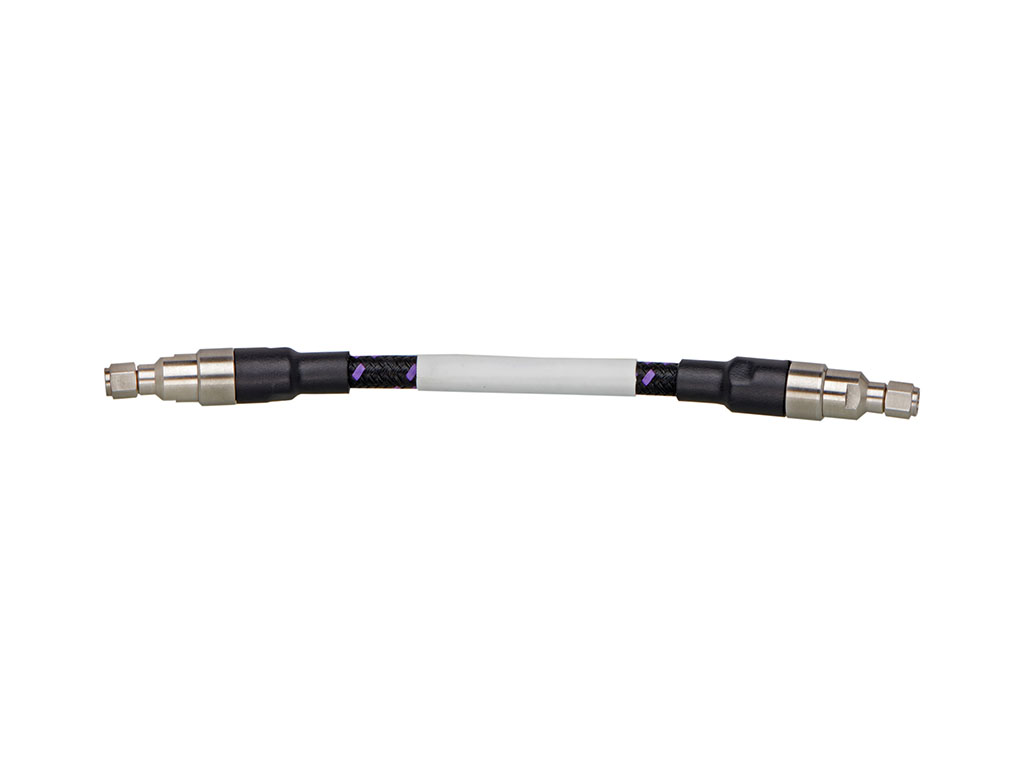
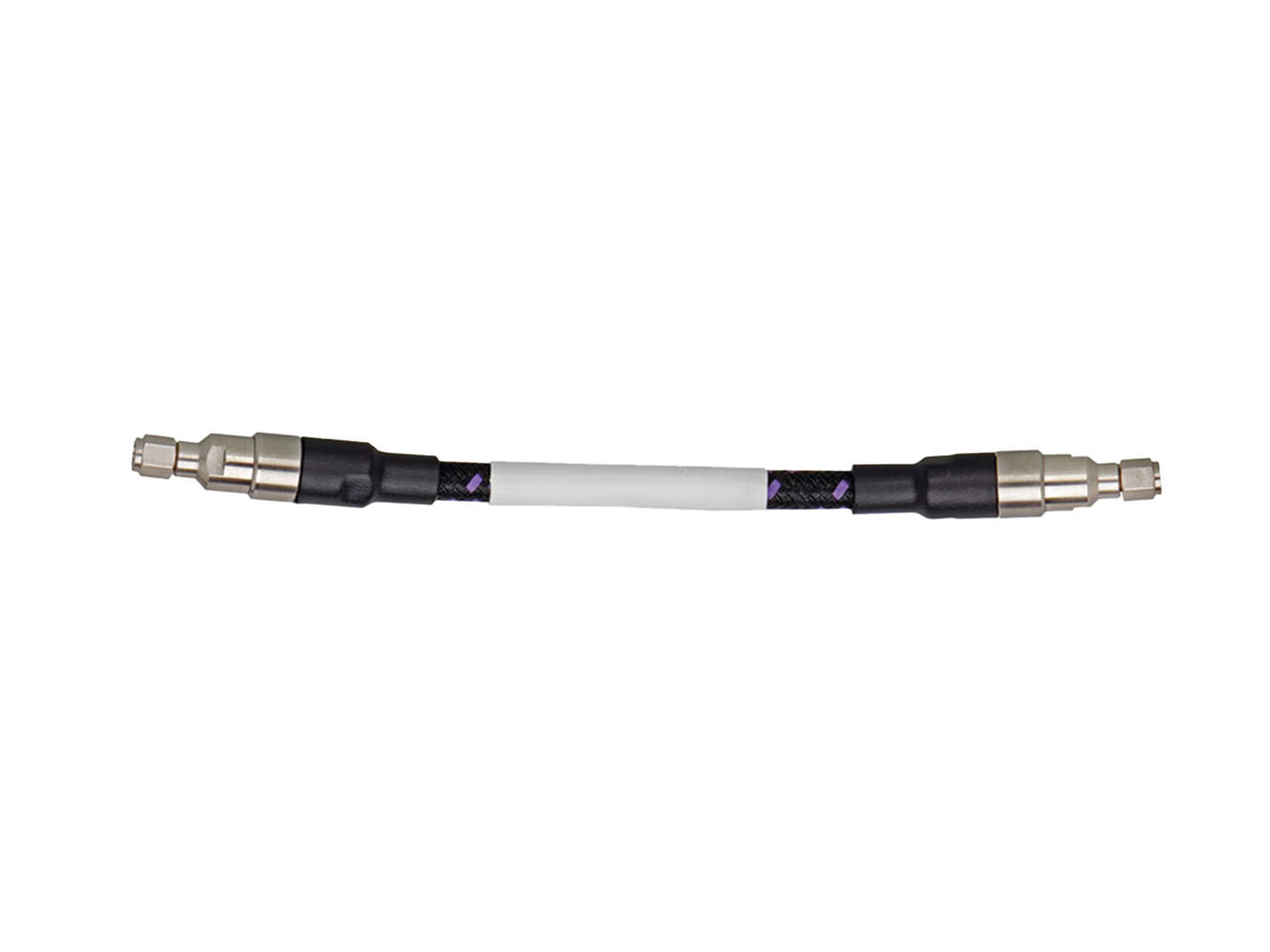
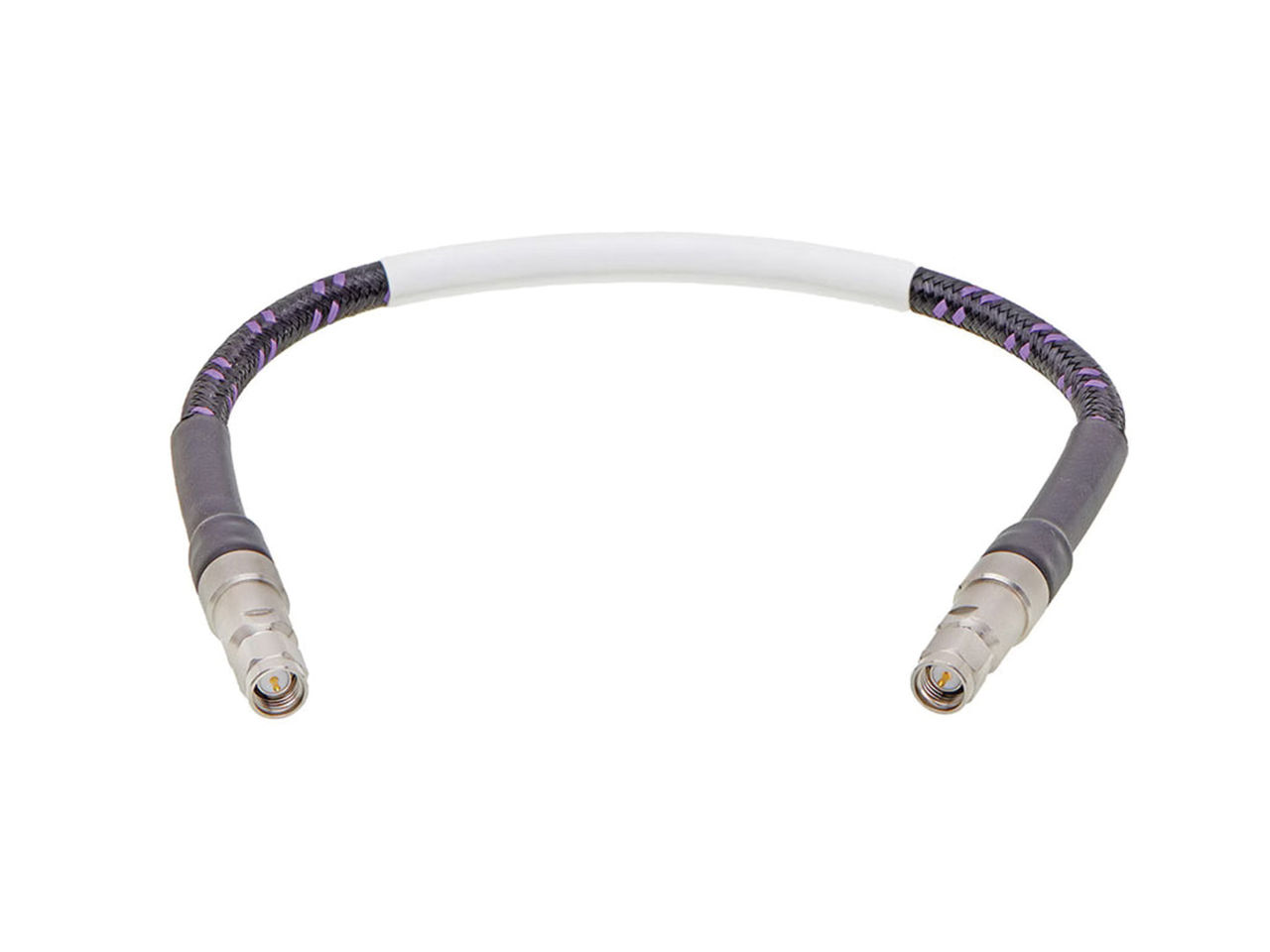
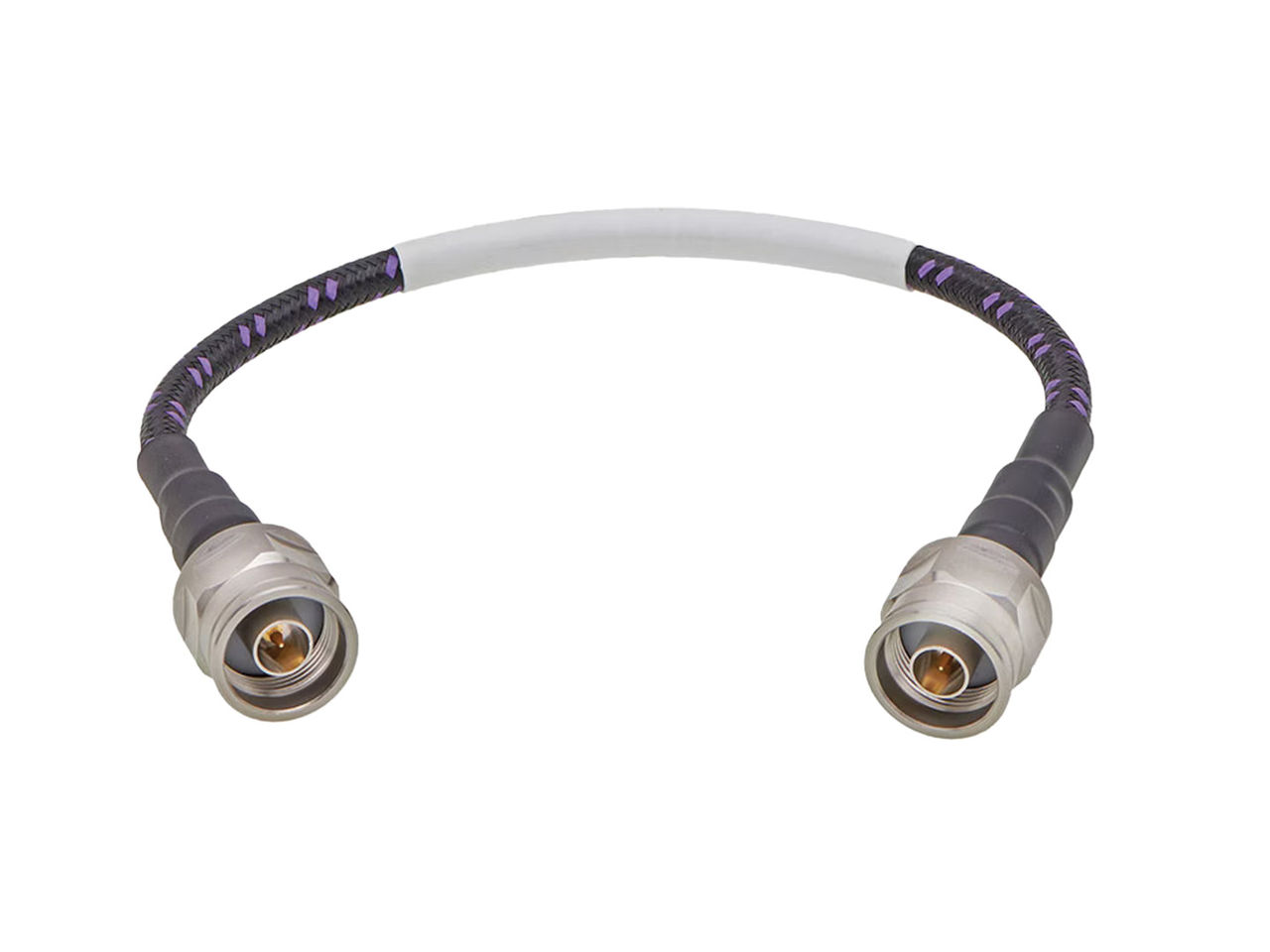
Cardinal Test High-Frequency RF Test Cables are ruggedized, high-frequency cable assemblies engineered for precision test-and-measurement applications. These cable assemblies offer phase-stable, low-loss performance that improves correlation between calibrations, benches and operators, saving debugging time. Robust construction reduces failures and intermittent connections, minimizing downtime and rework. Various connector options and cable lengths reduce measurement uncertainty and variability caused by adapter stacks and suboptimal routing, reducing clutter and improving test result consistency.
Applications by Industry

224G
448G systems
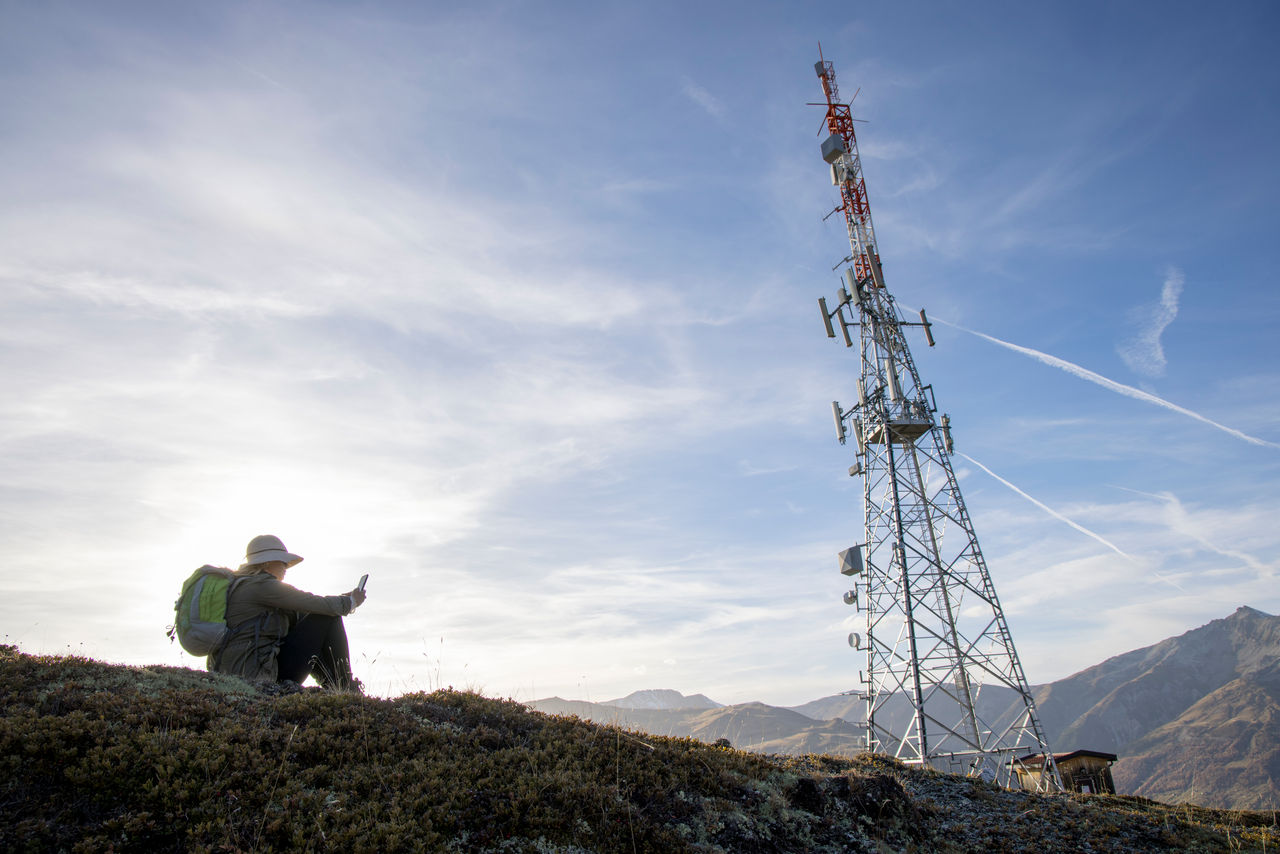
5G applications
Automated test equipment
High-speed data transmission systems
Internet of things (IoT) devices
Network systems
Testing and instrumentation equipment
Wireless communications systems

Handheld test sets
Vector network analyzers (VNAs)
This is not a definitive list of applications for this product. It represents some of the more common uses.
Frequently Asked Questions
What are Cardinal Test High-Frequency RF Test Cables?
Cardinal Test High-Frequency RF Test Cables are armored, ruggedized coaxial cable assemblies designed for reliable, precision performance up to 110 GHz in semi-permanent test applications. These cables offer a variety of connectors, avoiding adapter stack-up, and are engineered to withstand frequent handling, pinching and tight routing without affecting signal integrity.
What problems do Cardinal Test armored cables solve versus "soft" lab jumpers?
Cardinal Test cables are engineered to withstand pinch/crush, abrasion and tight-routing effects that cause premature failures. These cable assemblies are also designed to reduce intermittent "ghost" issues tied to handling wear in benches, racks and fixtures.
Why choose an MXR armored assembly instead of a standard flexible test cable?
Choose MXR armored cable when cables will be routed and left semi-permanently installed in racks/fixtures or will see frequent handling/rerouting, where mechanical wear is the primary driver of downtime.
How do Cardinal Test cables help reduce adapter stacks in a test setup?
With wide frequency coverage (up to 110 GHz) and a range of interface options (N Type through 1.0mm), engineers can more often match instruments, extenders and fixtures directly, minimizing the need for adapters. This helps reduce loss and VSWR contributors as well as avoid mechanical weak points.
What specifications should be prioritized for repeatable VNA S-parameter measurements?
Phase stability and impedance match, measured by impedance control, are essential specifications for ensuring repeatable S-parameter measurements. For example, Cardinal Test cables offer phase stability of less than ±5° at 67 GHz and less than ±10° at 110 GHz, with typical VSWR of less than 1.4:1, depending on the connector and configuration.
What does "tight impedance control" mean for measurements?
Tight impedance control improves the accuracy and repeatability of measurements. It helps reduce reflections, ripple and uncertainty in S-parameter measurements, improving confidence in pass/fail limits and reducing false fails or false passes related to interconnect mismatch.
How do these cables support mmWave testing without sacrificing durability?
Cardinal Test cables combine armored, ruggedized durability with phase-stable, low-loss performance, supporting frequencies up to 110 GHz for laboratory and semi-permanent testing stations.
How can cable lengths affect station build quality?
RF cables that are too short or too long can result in "make it work:" routing that includes tight bends or excess slack, adversely affecting reliability and introducing clutter-related damage risk. Designing test stations using a variety of cable lengths to optimize placement improves system performance and limits risk.
How can these cables help improve the cost-effectiveness of RF test and measurement operations?
Cardinal Test cables are designed to minimize downtime, rework, revalidation and reruns caused by cable damage or measurement drift, especially in high-utilization benches/ATE where cable issues can directly impact throughput. The ruggedized design and superior RF performance help mitigate these potential challenges.
Why is connector compatibility a system-level reliability issue and not just a matter of convenience?
Poor matching can necessitate adapter stacks, which increase the chance of loss/mismatch errors and introduce mechanical weak points—a common source of both measurement uncertainty and failures.
What applications are these cables designed for?
Cardinal Test cables are engineered for use with lab benches, semi-permanent racks and fixtures, and high-utilization environments (including ATE) where engineers need durable routing as well as repeatable VNA/mmWave measurements.