
- Connector retention mechanisms secure both connector interfaces and terminals, helping maintain stable electrical connections under mechanical stress.
- Insufficient connector retention can lead to connector un-mating, terminal back out or intermittent electrical failure caused by vibration, handling or thermal cycling.
- Primary locking features such as housing lances and locks help engineers achieve reliable contact retention. These are often reinforced with secondary locks like Terminal Position Assurance (TPA). Retention strength must be balanced without negatively impacting manufacturability or serviceability.
Connector Contact Retention Guide: At-a-Glance Summary
Securing Connections: The Foundation of Reliable Designs
Connectors come in numerous varieties, each engineered with unique mechanical and electrical features to meet diverse application requirements. A critical aspect of connector selection is the contact retention method. In connector design, retention methods are the mechanical approach used to securely hold mating parts together, maintaining electrical continuity and safeguarding against loosening under vibration, thermal cycling and other operational stresses. This article provides a comprehensive overview of common connector retention methods and the design trade-offs they entail, showing how engineers can weigh simplicity, reliability and cost to select the right connector for their specific application.
Retention Methods: From Connector Housings to Terminals
Connector retention methods operate at two distinct levels: the connector housing and the individual terminals. While connector‑level configurations secure the receptacle and its mating interface, terminal‑level features keep the terminals themselves firmly seated within the housing. The following sections explore each retention method separately, with attention to the trade‑offs inherent in their design.
Connector-Level Retention Methods
Key connector-level retention strategies include friction‑based retention, positive lock, connector position assurance (CPA), screw or bolt retention, bayonet coupling and push‑pull coupling.
Friction-Based Retention
Friction-based retention is one of the simplest and most widely used methods to secure connector components. This approach relies on a controlled interference between mating parts, creating frictional force that resists movement and prevents the parts from disengaging.
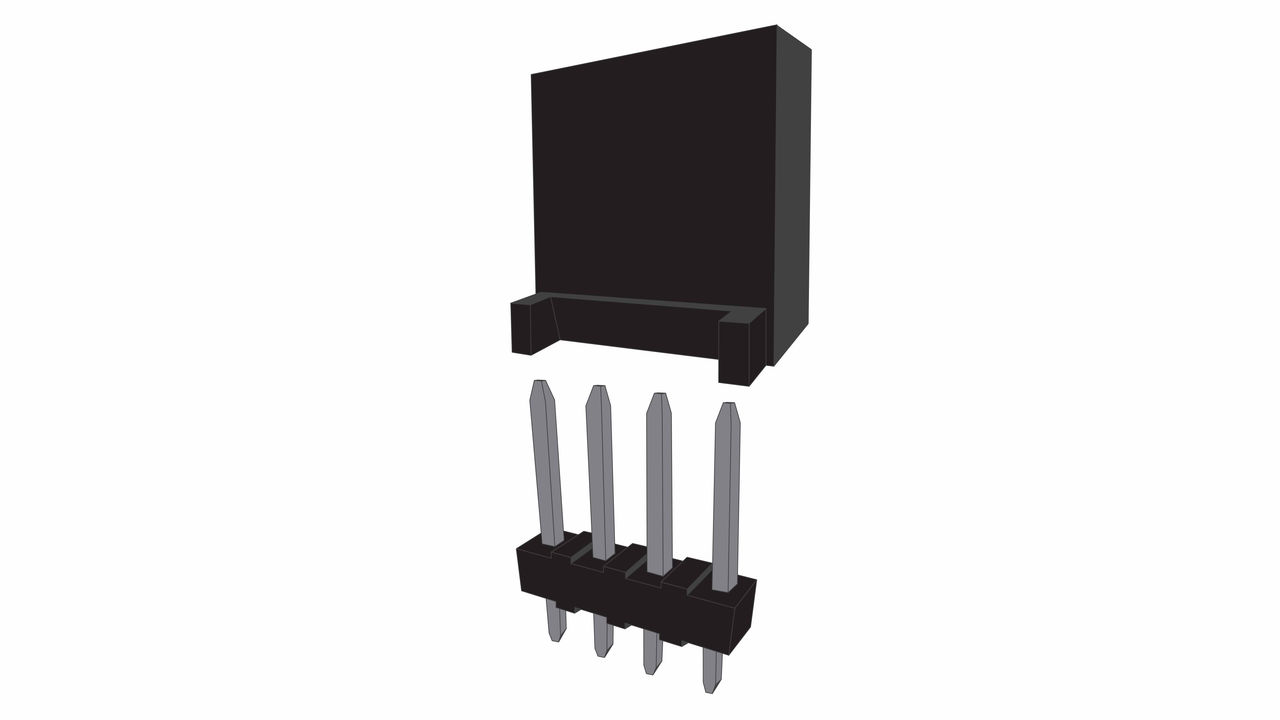
Sometimes referred to as friction‑fit retention, this method avoids any form of clips or latches, resulting in compact connectors with simplified mechanical design. Although it offers benefits like low cost, minimal components, and ease of mating and un-mating, its use is generally limited to low-vibration applications.
To provide added resistance against vibration, some connectors use a technique known as friction-lock retention that employs a raised bump or molded feature fitting into a corresponding recess in the mated part.
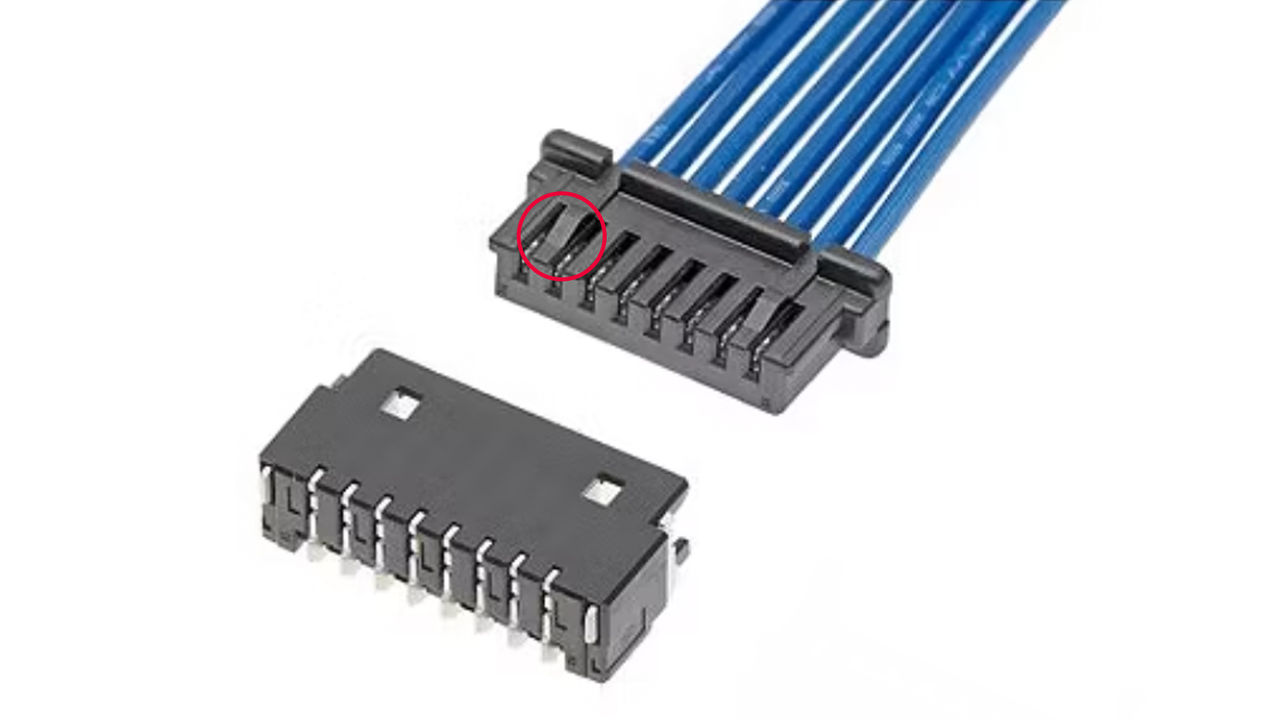
Molex OneBlade Connectors utilize the friction-lock retention method, which employs a molded feature to increase the friction between mated parts.
This configuration provides light locking without the complexity of a full latch. While it offers greater resistance to vibration than basic friction‑fit retention, it disconnects more easily than systems with a positive lock, outlined in the following section.
Positive Lock/Latch Lock
Positive-lock retention involves mechanical features, such as tabs or latches, that actively engage during mating to secure the connector and prevent accidental disconnection.
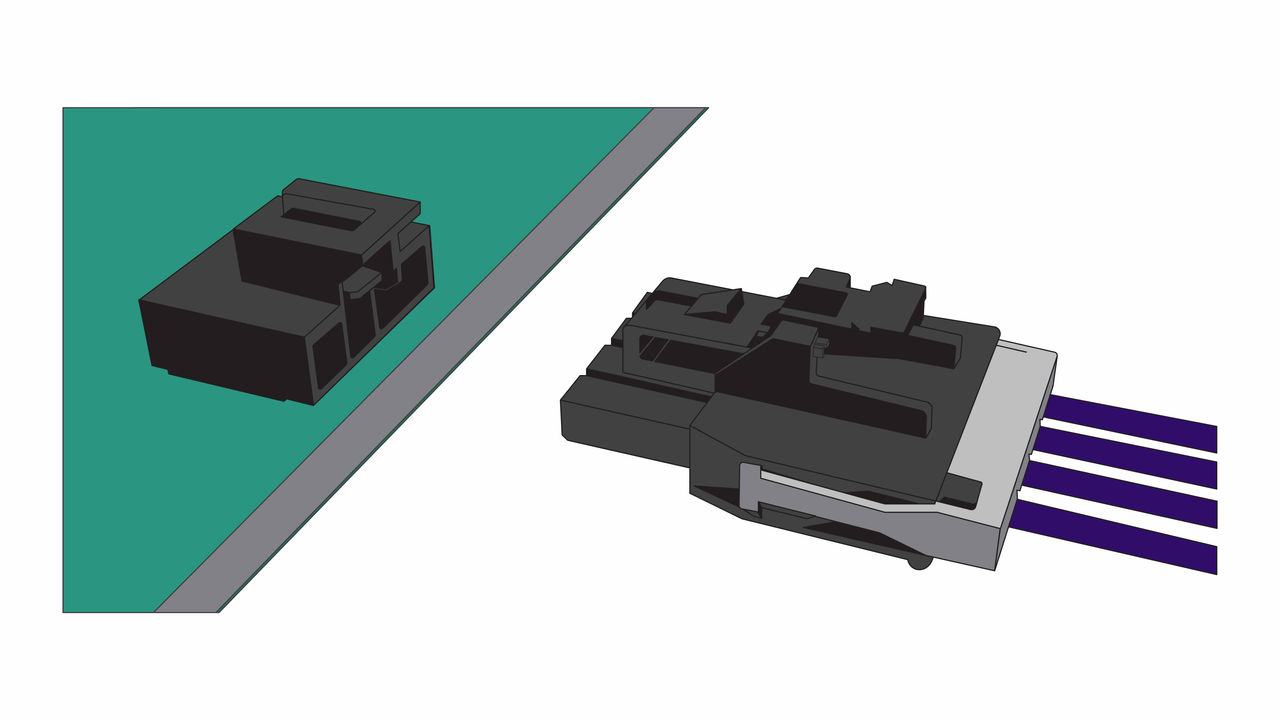
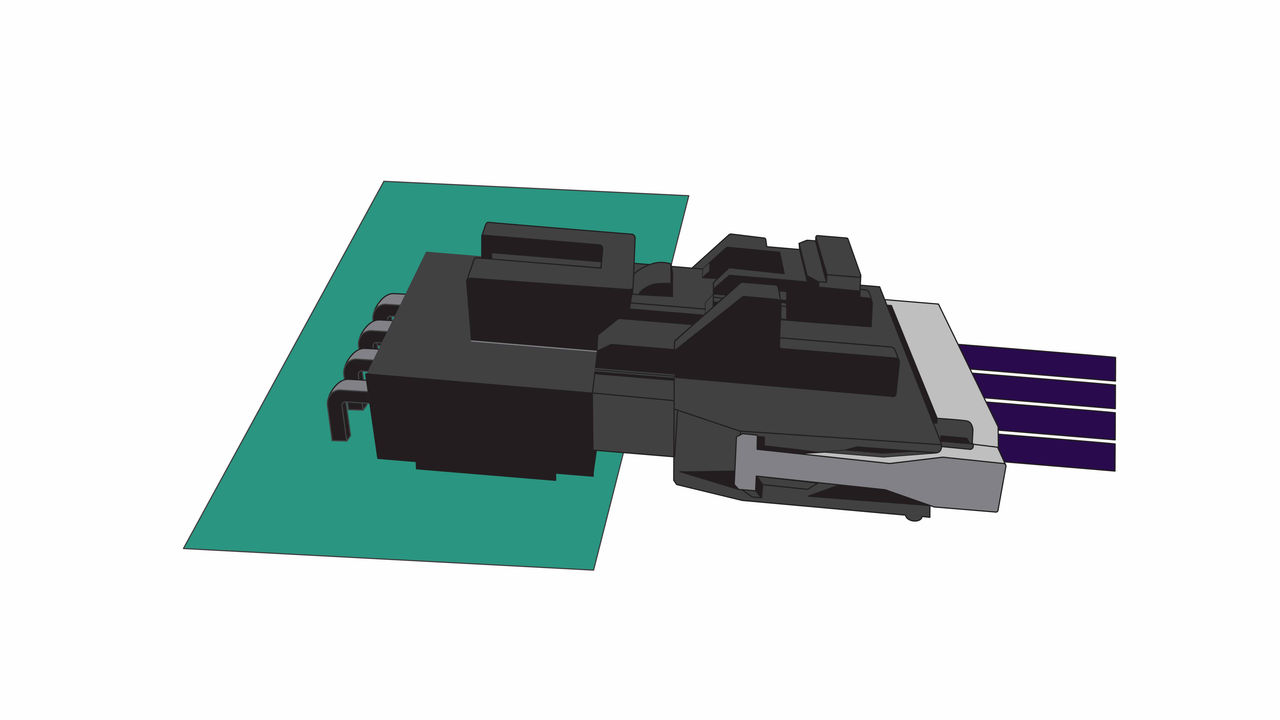
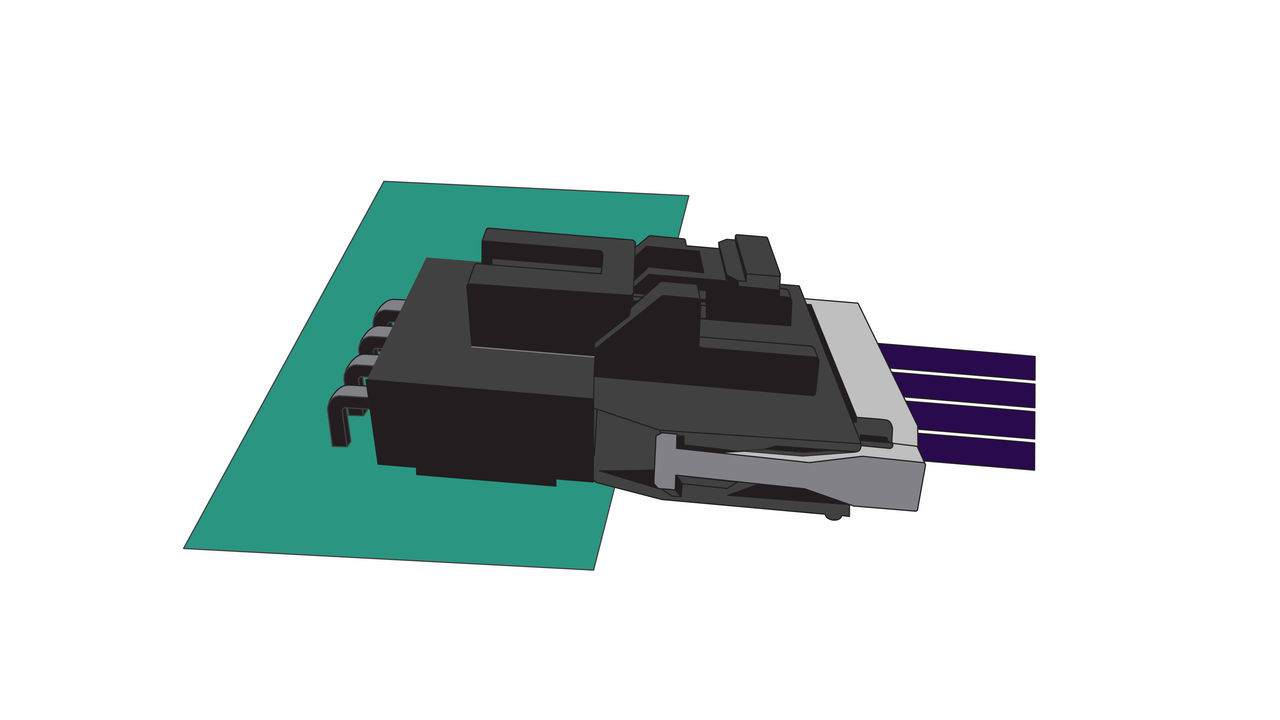
Molex Nano-Fit Power Connectors utilize a positive-lock mechanism to prevent accidental disconnection.
The left image shows the plug and receptacle in their fully separated state. In the middle image, as the receptacle is inserted, the locking feature is temporarily deflected downward. Once the receptacle reaches its fully mated position in the right image, the lock feature snaps into place, securing the connection and preventing accidental un-mating.
This retention mechanism produces an audible “click” upon full mating, providing both tactile and audible confirmation of a secure connection. To unmate the connector, the locking latch must be manually depressed to disengage the retention feature.
Connector Position Assurance (CPA)
While positive‑lock connectors deliver stronger retention than friction‑based designs, their security can be further enhanced with a connector position assurance (CPA) feature serving as a secondary lock. Once installed, the CPA component prevents the primary locking latch from being depressed, ensuring that the mated connector halves remain securely engaged and resist accidental separation.
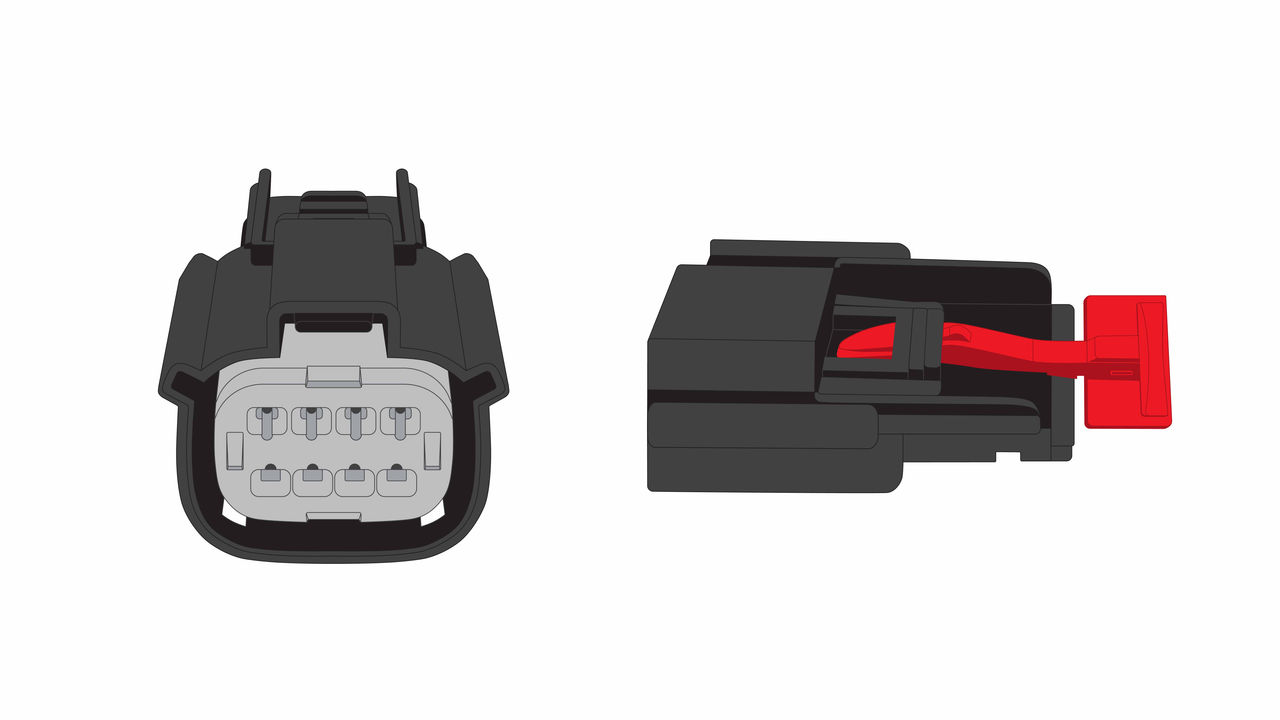
Molex MX150 Connectors employ the CPA (red component), shown above in its pre‑insertion position, aligned to engage the locking mechanism.
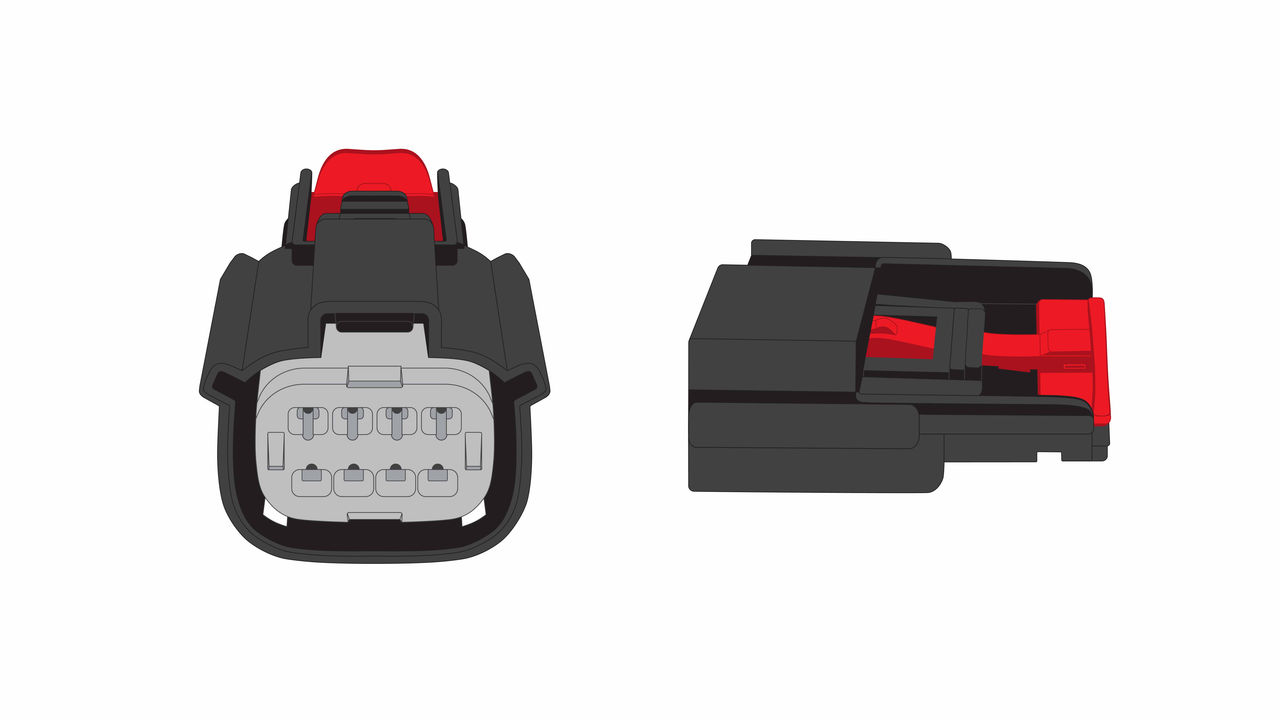
Molex MX150 Connectors feature a CPA that, when fully inserted, locks the primary latch in place to prevent unintended disconnection.
Screw or Bolt Retention
This method employs mating screw threads on the male and female halves to lock them securely together, forming a durable, vibration‑resistant connection. This type of retention is commonly used in circular and industrial connectors where robust mechanical engagement is essential.
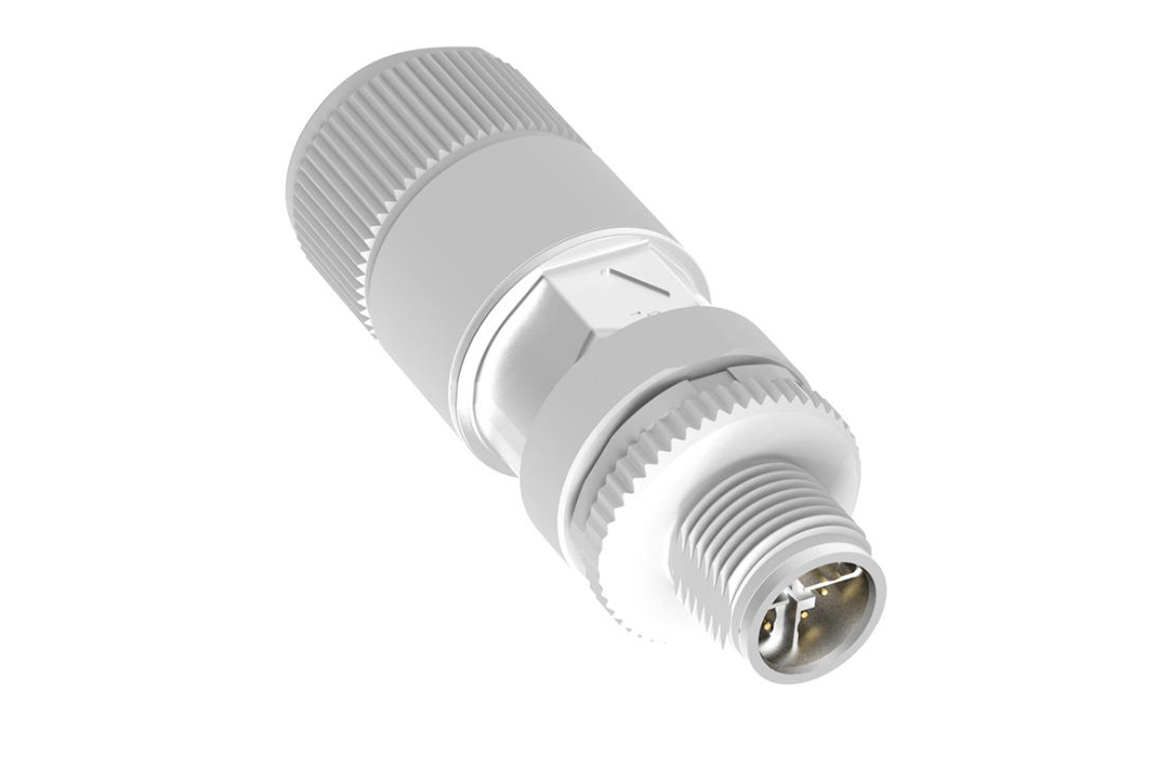
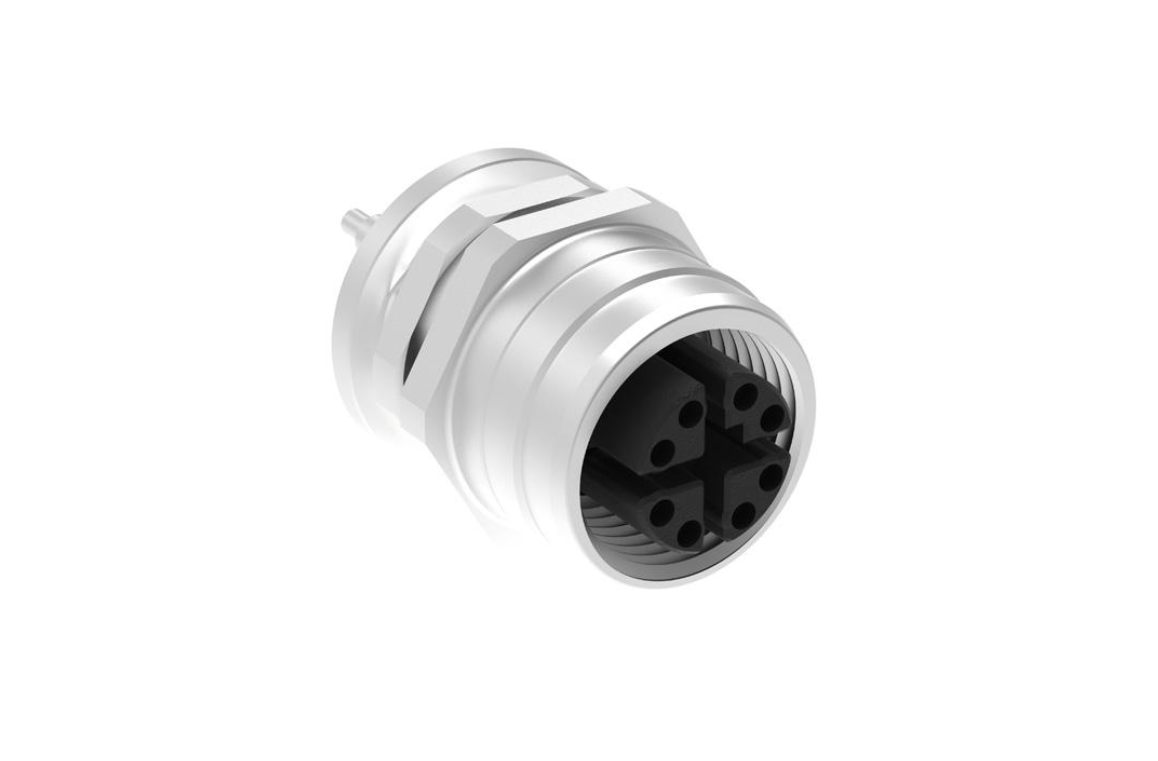
Molex Micro-Change M12 Connectors employ screw retention.
Threaded coupling connectors maintain electrical continuity under shock or vibration and, when combined with gaskets or O‑rings, can also provide environmental sealing. However, this retention method requires tools or controlled manual torque, making assembly slower than latch‑based alternatives. These connectors also carry a risk of cross‑threading and are typically bulkier, which is why they are often favored in aerospace, defense and heavy machinery applications where maximum retention and reliability outweigh assembly speed.
Bayonet Coupling
Bayonet coupling is a quick‑connect mechanism that locks two components together using a simple push‑and‑twist action. Like threaded coupling, this retention method is widely used in circular and industrial connectors.
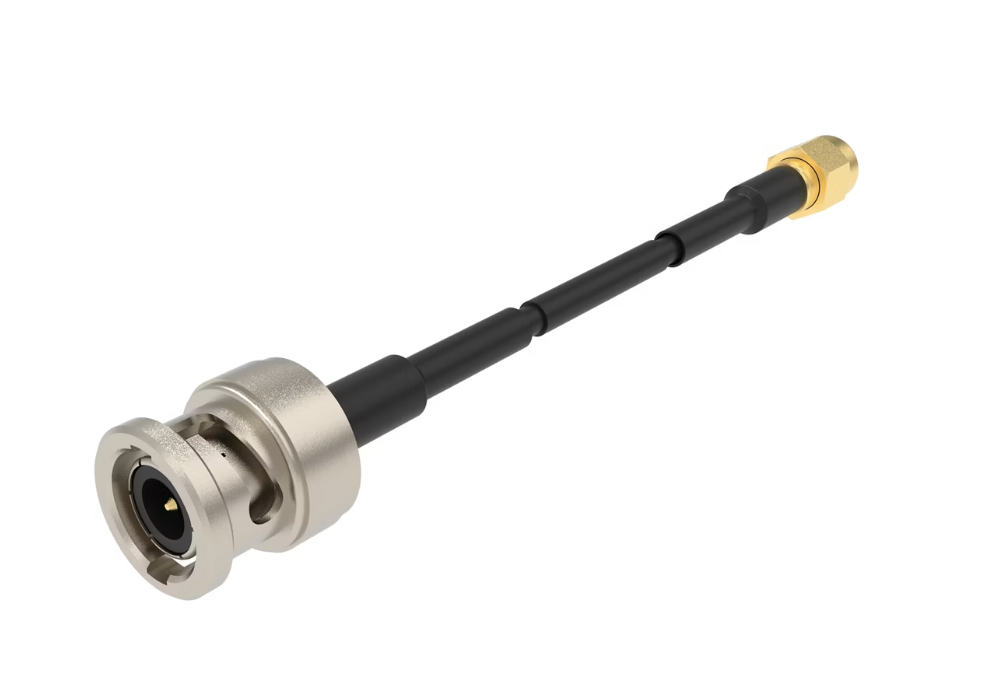
Molex BNC Connectors employ bayonet coupling, helping to ensure connectivity in rugged industrial environments.
Instead of screw threads, bayonet coupling relies on pins and ramps: the receptacle features stud pins, while the plug contains matching slots that engage when rotated approximately one‑third of a turn. This design enables rapid engagement and disengagement, eliminates the risk of cross‑threading, and provides positive feedback through audible, tactile or visual cues. With strong vibration resistance and durability rated for thousands of mating cycles, bayonet connectors are well suited for repeated use in environments subject to shock or mechanical stress.
Push-Pull Coupling
Push‑pull retention engages and disengages with a straight push or pull motion, typically using internal spring‑loaded locking elements to secure the connector in place.
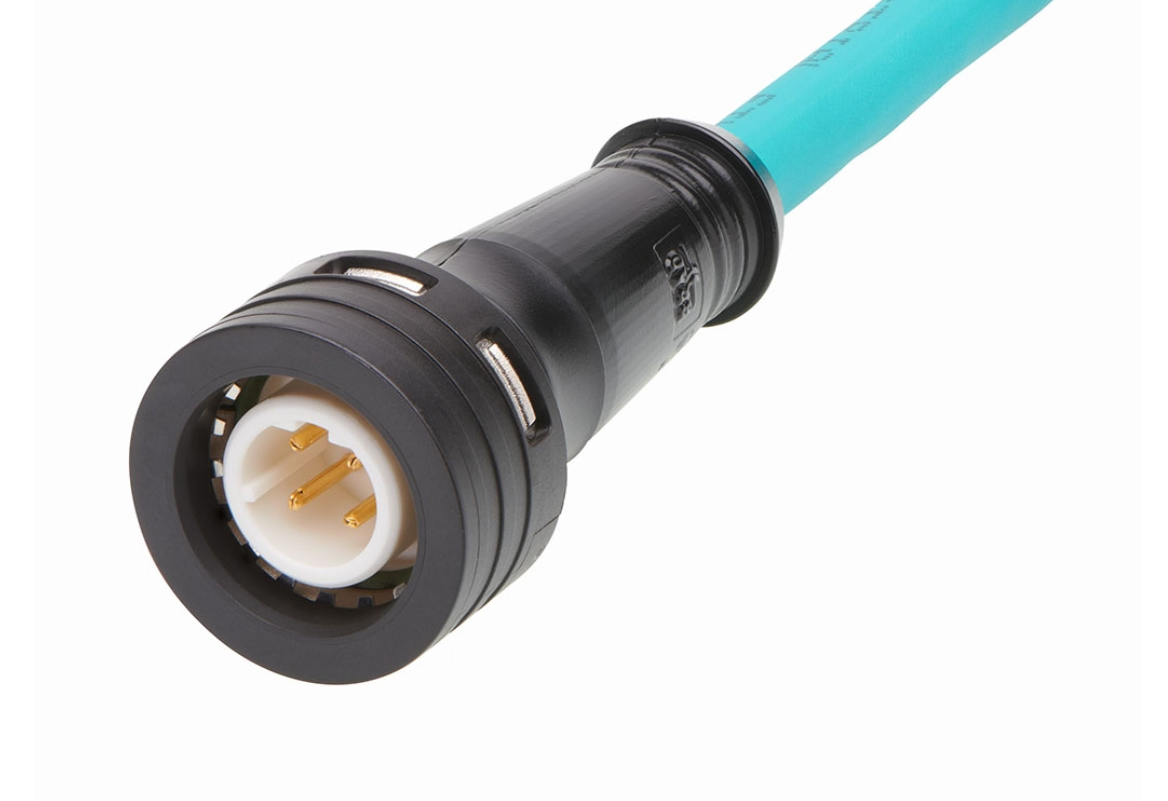
Molex M12 Ultra-Lock 2.0 Connectors help prevent accidental disconnection with push-to-lock coupling.
Push-pull coupling prevents accidental disconnection while allowing rapid tool‑free operation. Compact, durable and vibration‑resistant, these connectors are often rated for thousands of mating cycles, making them ideal for repeated use in high‑density and shock‑prone environments.
Terminal-Level Retention: Lances and TPA Features
Beyond connector‑level retention, manufacturers use terminal lances (primary retention feature) and terminal position assurance (TPA) mechanisms to hold terminals in place within the housing.
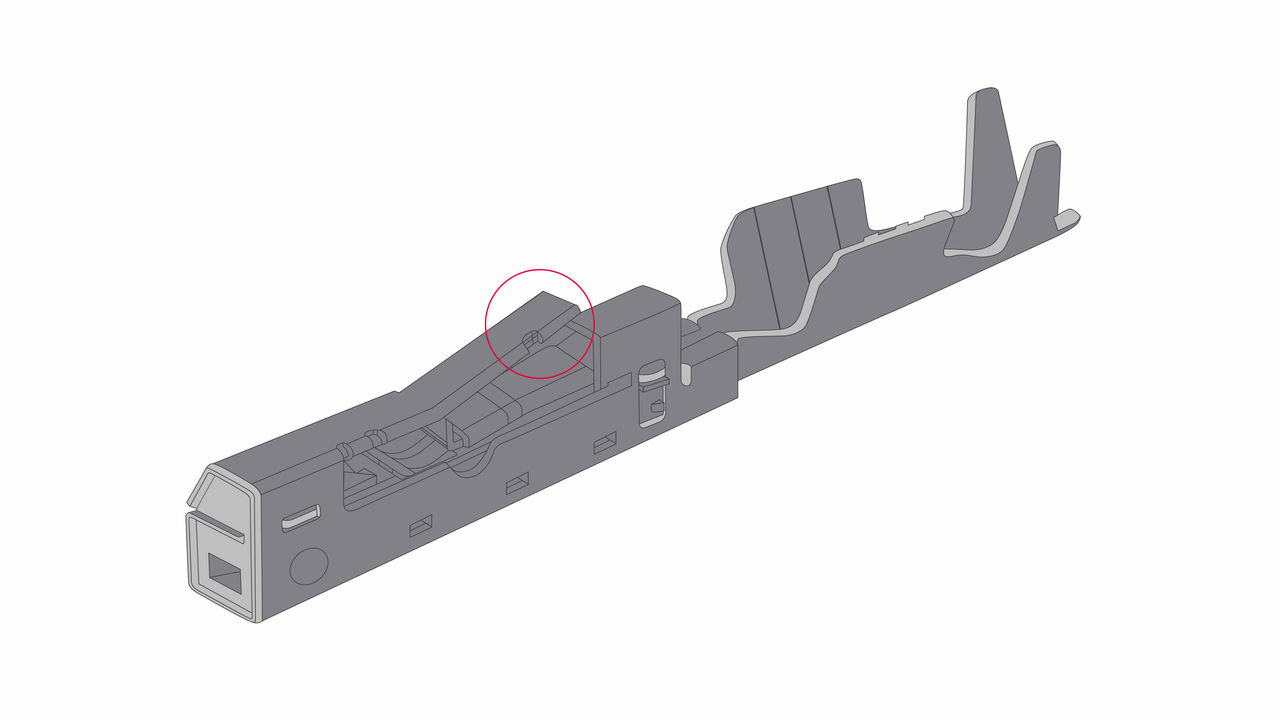
Terminal lances, designed to lock into a housing window during insertion, use a spring-like feature to secure the terminal in place.
To further enhance terminal retention, some connectors incorporate a TPA as a secondary lock. As shown in the image below, the primary locking tabs are identified as callout 1, while the TPA feature is highlighted as callout 2, which is engaged after terminal insertion to provide added retention and confirm proper terminal seating.
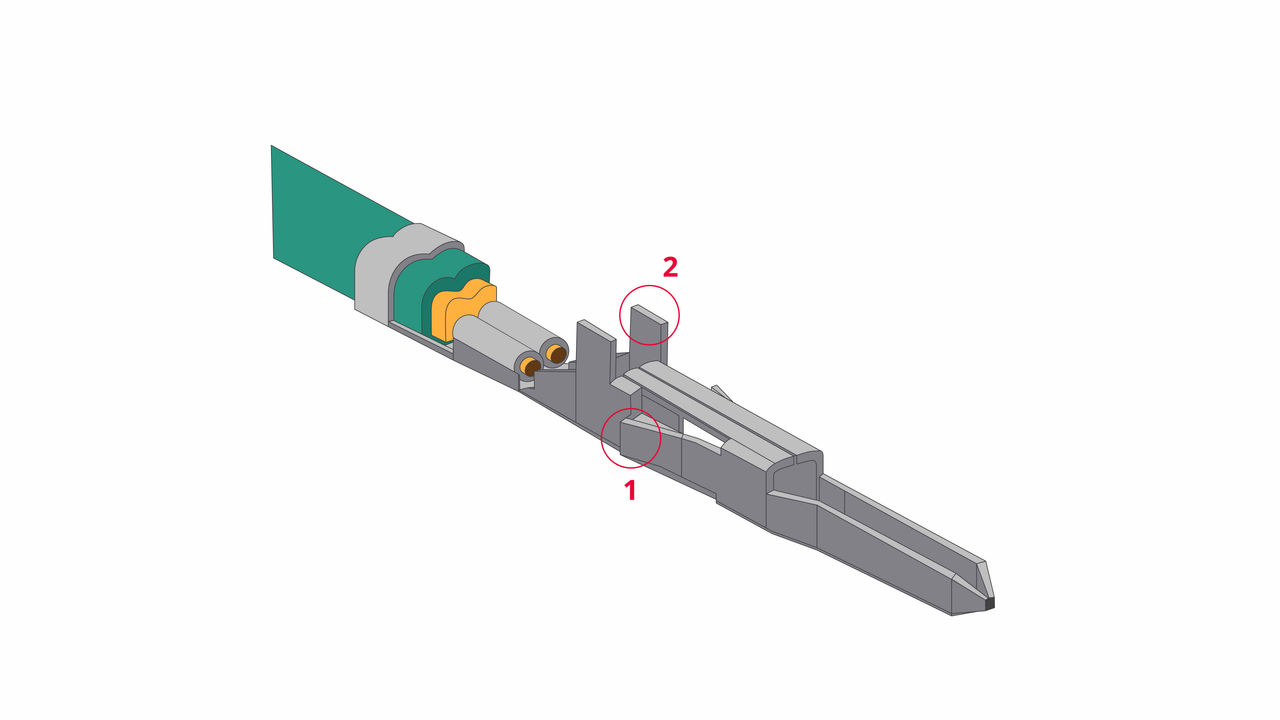
Molex Mini-Fit TPA 2 Connectors utilize a terminal feature designed to engage with the TPA feature for secondary retention.
TPA implementations vary in design.
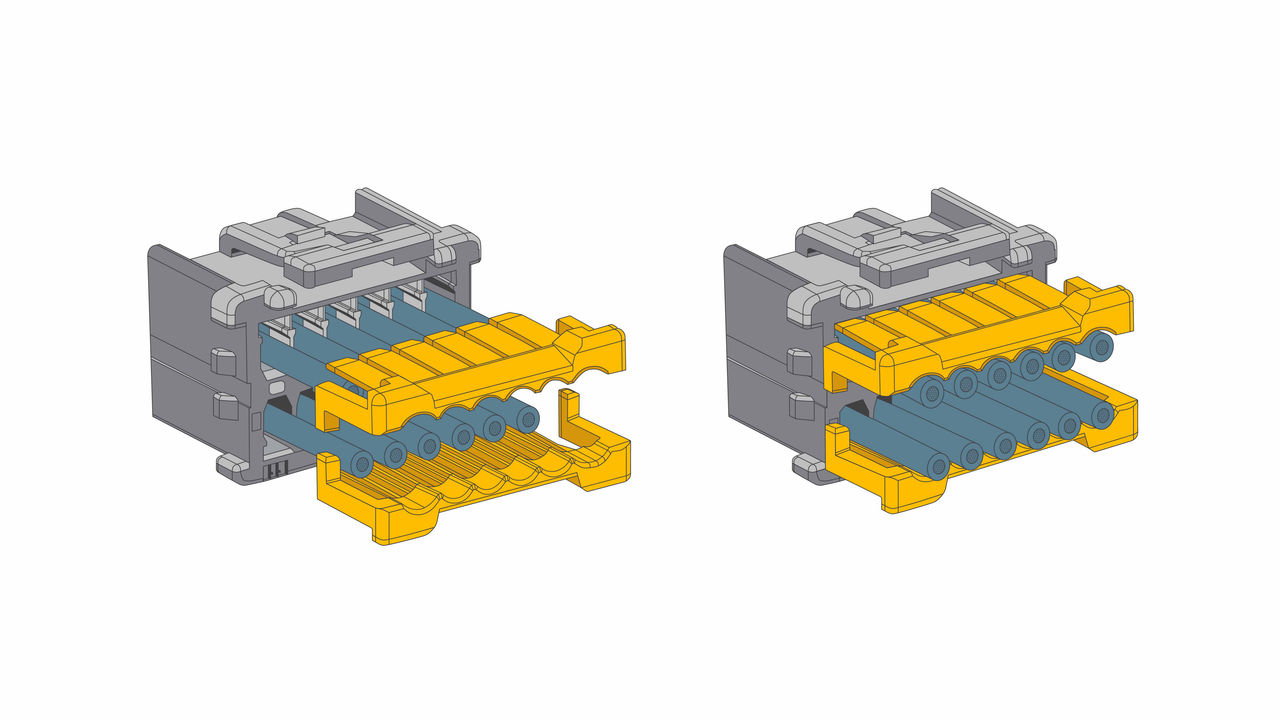
Molex MicroClasp Connectors use Terminal Position Assurance (TPA) to lock terminals securely within the housing.
Before the yellow TPA is installed, the terminals are not retained and may be removed from the housing. However, once the TPA is inserted, the terminals are locked securely within the housing.
With the retention methods understood, the next step is to examine the key factors that influence their selection for a given application.
Key Factors Shaping Retention Method Selection
When determining which retention method to use, engineers must consider factors such as wire gauge, current capacity, vibration severity, environmental exposure and manufacturability.
- Wire Gauge: Larger wires create higher extraction forces that demand stronger retention methods. On the other hand, smaller wires reduce the mechanical engagement between conductor and crimp, requiring careful design measures to maintain reliable retention despite the smaller wire size.
- Current Capacity: As current capacity increases, terminal size typically grows, which in turn raises insertion and extraction forces. Consequently, low‑current connections can rely on compact friction fits, whereas high‑power applications demand more robust, multi‑locking solutions.
- Vibration Level: Vibration introduces repeated mechanical loads that can loosen retention features, causing terminal back-out or lead to accidental un-mating over time. As vibration levels increase, connectors require stronger mechanical locking and often a secondary retention method.
- Environmental Factors: Heat, chemicals and moisture can degrade housing materials and friction-based materials, reducing retention reliability over time.
- Manufacturability: Practical limits are imposed on retention features; for instance, high‑speed assembly processes may exclude screw‑type designs, while dense packaging can restrict latch size or geometry.
Applying the Appropriate Retention Method
Building on the factors outlined earlier, this section moves from principles to practice, showing how operating conditions shape retention choices.
Wire Gauge
Since small‑gauge wires (32 to 28 AWG) generally exert lower extraction forces, they typically use compact retention features such as friction fits, micro‑snaps or small locks, which provide just enough retention. These methods are widely used in wearables, sensor modules and dense PCB‑to‑PCB links, where minimal bulk, low mating force and high‑density layouts are critical.
With increasing extraction forces, large‑gauge wires (22 to18 AWG) demand positive locks, CPA devices or screw retention. In applications such as appliance motors, HVAC units and automotive interior harnesses, these mechanical locks maintain engagement under cable strain and applied pull loads. Effective strain relief becomes more important as wire gauge and cable stiffness increase, helping reduce the mechanical load transferred to the terminal and housing.
Current Capacity
Low‑current signals often use friction fits or light snap locks, which provide adequate retention with minimal mating force. This helps protect small pins and supports efficient assembly in applications such as IoT devices, consumer electronics and sensor boards.
Medium‑current signals typically rely on positive locks, ensuring secure connections under higher load while avoiding unnecessary bulk. Common uses include appliance user interfaces, EV interior electronics and robotics control boards.
High‑current distribution typically employs screw retention, bayonet couplings or secondary retention features such as CPA to manage larger terminals and higher mating forces. Screw and bayonet locks resist vibration and heavy cable strain, while CPA helps ensure terminal seating through thermal cycling. Typical applications are found in industrial automation equipment, power inverters and motor drives.
Vibration Level
Low‑vibration environments typically use friction fits or micro latches to provide sufficient retention without adding extra locking mechanisms. Common applications include consumer electronics such as laptops, printers and small kitchen devices, where low insertion force and compact connectors are preferred.
In medium‑vibration settings, positive locks are needed because friction‑only retention can loosen over time. Ongoing vibration in applications such as EV interior lighting and refrigerators can lead to intermittent electrical connections, which can be avoided by the use of positive-lock mechanisms.
High‑vibration environments demand CPA features, screw retention or bayonet couplings to prevent un-mating under shock and vibration. These mechanisms provide controlled retention force through defined coupling torque, securing connections in demanding uses such as industrial motors and aerospace harnesses.
Environmental Factors
High‑temperature environments should not rely on frictional retention, as heat can soften polymer housings and reduce contact force. Applications such as industrial heating systems, power converters and motor drivers require mechanical locks—particularly screw and bayonet designs—to ensure secure retention under thermal cycling and large temperature swings.
Connectors exposed to fluids require latch‑based or metal-coupling retention, as chemicals can degrade plastic housings and friction interfaces. Systems such as dishwasher pump assemblies and automotive engines fall into this category, requiring metal couplings, sealed locks and secondary retention to prevent swelling‑induced loosening and ensure long‑term integrity.
Outdoor environments often require bayonet or screw-type couplings to ensure sealing and mechanical strength under vibration, moisture, UV and thermal cycling. Push‑pull systems with proper seals can support field servicing while blocking moisture that could corrode terminals. Outdoor telecom, fiber infrastructure and appliances are example applications in this category, requiring connectors that maintain ingress protection through long service life.
Manufacturability
High‑volume automated assembly applications favor frictional retention or positive locks, as simple latches minimize takt time and keep processes tool‑free. Small appliance control boards exemplify this category, where rapid, repeatable assembly is critical.
Applications requiring field service often use push‑pull connectors or positive locks, which support fast servicing and reduce accidental un-mating. Screw‑type retention may be applied for additional security during equipment handling or repositioning. Typical application examples include industrial equipment and medical devices that require frequent service access.
Principles for Effective Connector Retention
Connector retention is not a one‑size‑fits‑all decision. Each method carries trade‑offs, and the right choice depends on the combined influence of several different factors such as current capacity, wire gauge, vibration level, environmental conditions and manufacturability. By weighing these factors, designers can balance reliability, serviceability and cost, ensuring that connectors remain secure and perform as intended across diverse applications.
Connector Contact Retention Frequently Asked Questions
What is the difference between Connector Position Assurance (CPA) and Terminal Position Assurance (TPA)?
CPA locks secure the mated connector halves to prevent latch release and unintended un-mating, while TPA locks ensure that individual terminals are fully seated and mechanically retained within the connector housing. Both CPA and TPA are secondary retention features designed to enhance connector reliability beyond the primary locking mechanisms. TPA features act as a secondary retention mechanism during terminal insertion by blocking terminal back-out if the primary retention lance is not fully engaged, reducing the risk of intermittent contact or open circuits. CPA features are engaged after mating and physically restrain the connector latch to maintain connector engagement under vibration, shock, thermal cycling or handling. TPA provides secondary retention at the terminal level within the housing, while CPA provides secondary retention at the connector interface after full mating.
What causes connectors to un-mate in real-world applications?
In real-world applications, connectors can un-mate due to vibration, cable pull forces, thermal cycling, shock or improperly seated terminals. Dynamic mechanical loads such as continuous vibration and shock can induce latch deflection or fretting at the connector interface, which may progressively reduce effective retention force. Cable tension, improper strain relief and improper harness routing can introduce axial or transverse loads that exceed the connector’s specified retention capabilities. In many cases, the retention method was not properly matched to the mechanical loads and environmental conditions of the application, resulting in a connector system that lacks sufficient primary or secondary retention for the intended application demands.
When should a positive lock be used versus a CPA?
A positive lock is used to provide primary mechanical retention and confirmation that the connector is fully engaged, typically through a physical latch that resists normal operational stress. A CPA is recommended when accidental un-mating could create safety, performance or reliability issues, particularly in automotive or other high‑vibration applications where secondary retention is required. Positive locks are suitable for most general connections, but CPAs are required where additional security and reliability are essential. Use a CPA when the consequences of connector disengagement create significant safety or performance risks.
How can the necessary extraction force of a connector be estimated?
Extraction force can be estimated by considering factors such as terminal size, wire gauge, crimp strength, strain relief design and the connector’s retention geometry. These factors collectively influence how much force is needed to remove a wire or terminal from the connector housing without causing damage or loss of electrical contact. Refer to the connector’s datasheet for specific extraction force ratings, as these are tested values provided by the manufacturer. The application’s maximum expected axial pull, vibration and handling forces should remain below the specified extraction force rating to ensure reliable performance and safety.
Why do terminals back out and how can it be prevented?
Terminals can back out when the lance does not fully engage, when housings deform, when strain relief is insufficient or when vibration exceeds the strength of the primary lock. Incomplete engagement or deformation compromises the mechanical retention features, while inadequate strain relief or excessive vibration can add stress to the connector, leading to terminal movement. These issues result in a loss of electrical contact or intermittent faults, especially in demanding environments. Adding a TPA provides secondary terminal retention, helping ensure terminals are fully seated during vibration, assembly or handling.
How does the contact plating system affect connector reliability and performance?
The choice of a contact plating system involves a fundamental reliability-cost trade-off, as improper selection can result in premature wear and corrosion, gradually increasing contact resistance over time. Several materials exist for contact plating within the performance-versus-cost spectrum, each with its own characteristic mating friction, electrical resistance and inherent sensitivity to fretting corrosion and oxidation. Plating thickness, dependent on the material and operating environment, must be sufficient to resist wear and corrosion over the connector's functional lifespan. Temperature is another key factor in connector plating selection as it directly accelerates the chemical and physical degradation mechanisms that plating is designed to inhibit. Matching the plating material, thickness and operating temperature to the application ensures that the contacts satisfy mating cycle requirements while maintaining stable, low contact resistance and withstanding environmental exposure over the expected product life.
What is the difference between gold and tin plating?
Gold and tin are two of the most common contact finishes, with gold prioritizing performance at a premium and tin offering economy with inherent performance trade-offs. Gold is a non-oxidizing metal that provides low mating friction and superior protection against fretting corrosion and humidity exposure, ensuring minimal contact resistance over thousands of cycles. Tin exhibits higher mating friction and greater susceptibility to corrosion and wear, which can increase contact resistance over time, particularly in low-level signal applications. Consequently, gold is typically specified for high-reliability and low-level signal applications, whereas tin provides a cost-effective alternative for mass production of designs with lower mating cycles.
What are the best practices for verifying terminal retention during assembly and inspection?
To ensure reliable terminal retention, manufacturers should implement both visual and mechanical verification methods during assembly and inspection. Visual examination verifies the initial mechanical state of the connection, confirming full mating of terminals, adequate crimp compression around conductors and insulation, and a lack of physical imperfections that could initiate retention failure. Validating retention force under real-world stress conditions requires conducting mechanical pull tests per industry standards while factoring in application-specific variables like wire gauge, crimp height, insulation diameter and terminal plating. High-volume production environments can achieve reliable retention by utilizing automated inspection systems to detect misalignment or incomplete terminal seating. Implementing this combined verification strategy ensures that retention is not just assumed but actively validated at each key stage of the manufacturing process.