Key Connectivity Challenges in Humanoid Robotics
Humanoid robots combine vision systems, distributed control and high-power actuation into a confined, dynamic frame, creating parallel challenges in signal integrity and long-term mechanical reliability. High-bandwidth camera and sensor data streams require fast interconnect pathways spanning the robot to enable seamless, real-time processing. The data lines often run alongside motor-drive and switching electronics, creating a noisy interconnect environment that threatens signal fidelity. Furthermore, routing connectors and cables through constantly moving joints leads to gradual wear and mechanical stress, compromising operational longevity, especially as form factors continue to shrink.
Connectivity solutions engineered for both electrical performance and mechanical endurance help overcome these complex challenges. Low-loss, shielded data connectors with controlled-impedance structures preserve signal quality along high-speed channels, while low-resistance power connectors minimize voltage drop and power loss. Flexible, space-saving connectors support compact PCB layouts and durable, high-density routing through articulated structures. Vibration-resistant connectors maintain secure mating and consistent operation under continuous movement.
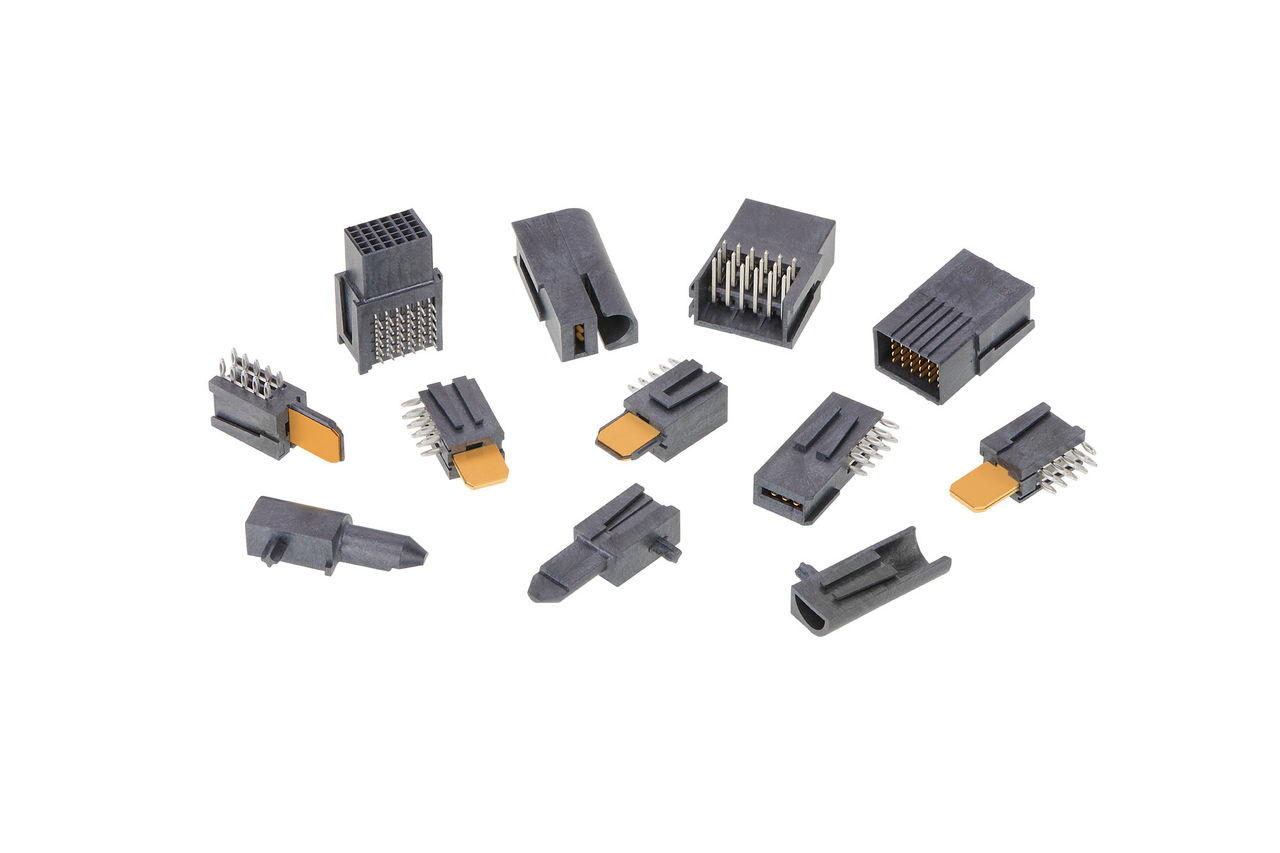
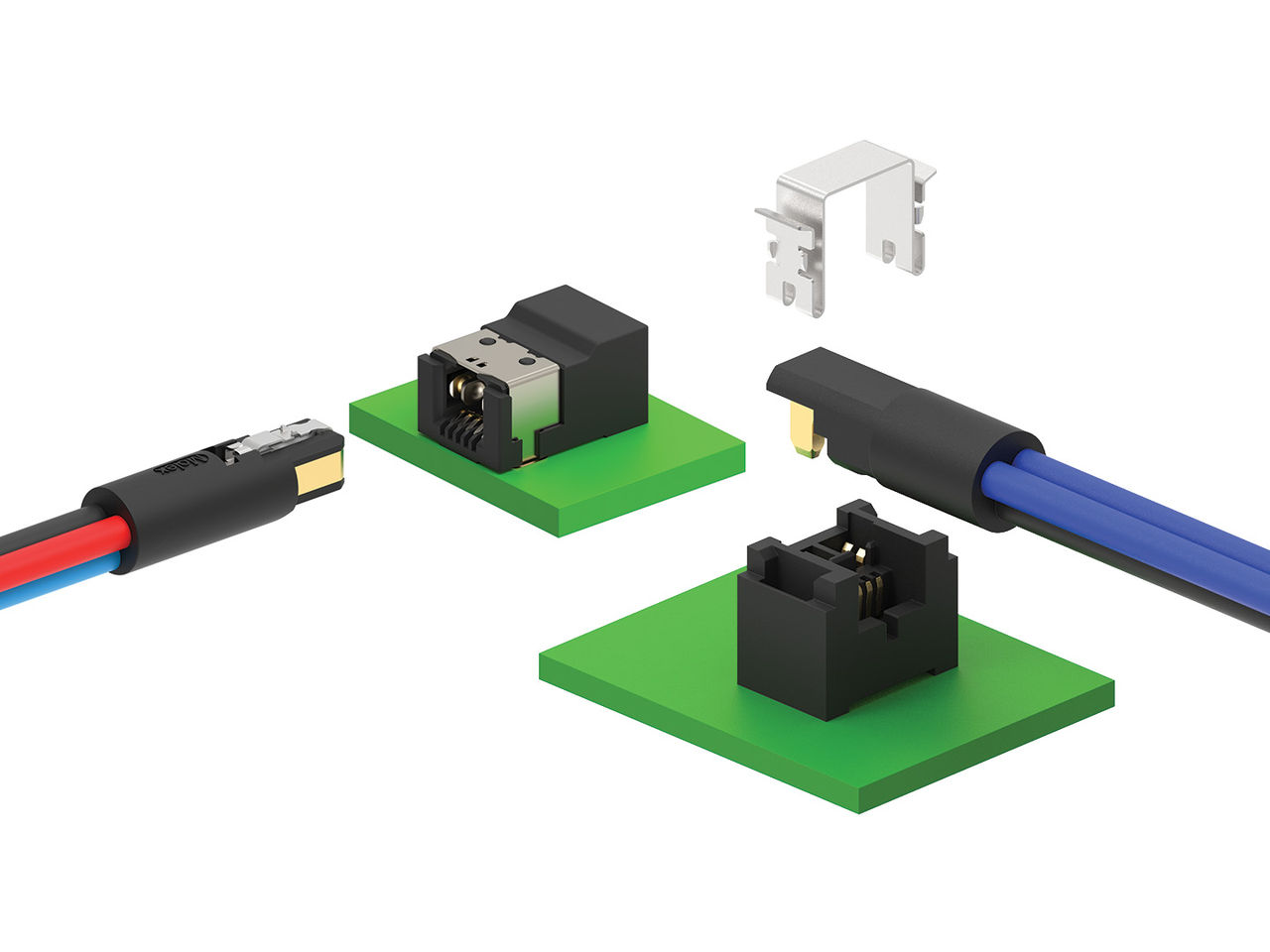
Molex offers high-current power connectors for low-loss power delivery and high-bandwidth interconnects for dependable data transmission in vision and sensing systems. Durable, high-density flat flexible cable/flexible printed circuit (FFC/FPC) and board-to-board connectors simplify routing through joints and tight areas, supporting space-efficient, scalable designs. Molex rugged connectivity solutions incorporate robust locking mechanisms to ensure connection stability within vibration-intensive humanoid robotic environments.
Featured Products
Humanoid Robotics Vision and Perception Systems
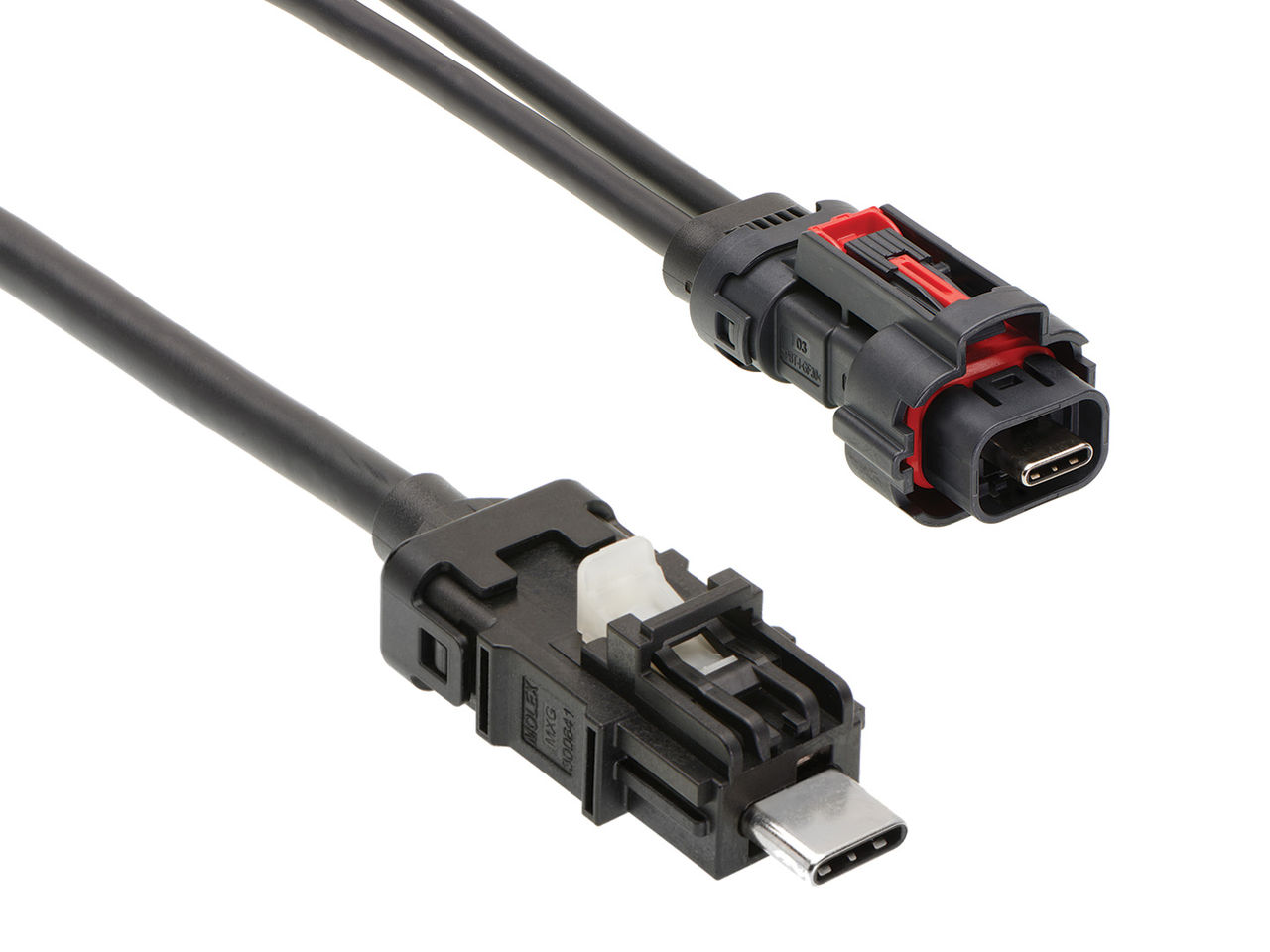
Vision and LiDAR systems generate high-bandwidth data loads that require fast, low-latency transmission, despite significant EMI from adjacent motors and switching electronics. Compact, low-loss interconnects use shielded, controlled-impedance configurations to reliably route high-speed data and power lines in close proximity. Molex high-speed differential connectors, such as HSAutoLink C Connectors, preserve signal quality across vital data paths including LiDAR-to-main-PCBA links in space-constrained robotic designs.
Camera
| Configuration | Pitch | Mated Height | Circuits | Current | Operating Temperature | |
|---|---|---|---|---|---|---|
| Quad Row Connectors | Board-to-board | 0.175mm | 0.50, 0.60, 0.80mm | 12 to 80 | Up to 4.0A | -40 to +85°C |
| SlimStack Connectors | 0.35 to 1.25mm | 0.60 to 16.00mm | 6 to 240 | Up to 18.0A | -40 to +105˚C |
| Configuration | Pitch | Wire Size | Circuits | Current | Voltage | |
|---|---|---|---|---|---|---|
| DuraClik Connectors | Wire-to-board | 2.00mm | 26 to 22 AWG | 2 to 24 | Up to 3.3A | Up to 125V |
| Micro-Lock Plus Connectors | 1.25 to 2.00mm | 30 to 22 AWG | 2 to 42 | Up to 4.7A | Up to 250V | |
| PicoBlade Connectors | 1.25mm | 32 to 26 AWG | 2 to 15 | Up to 2.5A | Up to 125V | |
| Pico-Clasp Connectors | 1.00mm | 32 to 28 AWG | 2 to 50 | Up to 2.0A | Up to 100V | |
| Rely-On Connectors | 1.00mm | 32 to 28 AWG | 2 to 10 | Up to 2.5A | Up to 100V |
| Configuration | Pitch | Height | Circuits | Current | Voltage | |
|---|---|---|---|---|---|---|
| FFC/FPC Connectors | FFC/FPC | 0.20 to 2.00mm | 0.65 to 11.95mm | 2 to 120 | Up to 0.5A per circuit | Up to 50V |
| Configuration | Current | Voltage | Operating Temperature | Data Transfer Speed | Data Rate | |
|---|---|---|---|---|---|---|
| High-Speed FAKRA-Mini Interconnect System | High-speed I/O | Up to 1.0A | -40 to +105°C | Up to 28Gbps | ||
| HSAutoLink C Interconnect System | Up to 1.25A | Up to 48V | -40 to +105°C | Up to 40Gbps | ||
| USB Type-C Connectors | Up to 6.0A | Up to 48V | -30 to +85°C; -40 to +85°C | Up to 40Gbps |
LiDAR
| Configuration | Pitch | Mated Height | Circuits | Current | Operating Temperature | |
|---|---|---|---|---|---|---|
| Quad Row Connectors | Board-to-board | 0.175mm | 0.50, 0.60, 0.80mm | 12 to 80 | Up to 4.0A | -40 to +85°C |
| SlimStack Connectors | 0.35 to 1.25mm | 0.60 to 16.00mm | 6 to 240 | Up to 18.0A | -40 to +105˚C |
| Configuration | Pitch | Wire Size | Circuits | Current | Voltage | |
|---|---|---|---|---|---|---|
| DuraClik Connectors | Wire-to-board | 2.00mm | 26 to 22 AWG | 2 to 24 | Up to 3.3A | Up to 125V |
| Micro-Lock Plus Connectors | 1.25 to 2.00mm | 30 to 22 AWG | 2 to 42 | Up to 4.7A | Up to 250V | |
| Pico-Clasp Connectors | 1.00mm | 32 to 28 AWG | 2 to 50 | Up to 2.0A | Up to 100V | |
| Pico-EZmate Connectors | 1.00 to 1.80mm | 30 to 22 AWG | 2 to 7 | Up to 5.0A | Up to 250V | |
| Pico-SPOX Connectors | 1.50mm | 32 to 24 AWG | 2 to 15 | Up to 3.5A | Up to 250V AC (RMS)/DC | |
| Rely-On Connectors | 1.00mm | 32 to 28 AWG | 2 to 10 | Up to 2.5A | Up to 100V |
| Configuration | Pitch | Height | Circuits | Current | Voltage | |
|---|---|---|---|---|---|---|
| FFC/FPC Connectors | FFC/FPC | 0.20 to 2.00mm | 0.65 to 11.95mm | 2 to 120 | Up to 0.5A per circuit | Up to 50V |
| Configuration | Current | Voltage | Operating Temperature | Data Transfer Speed | Data Rate | |
|---|---|---|---|---|---|---|
| HSAutoLink II Interconnect System | High-speed I/O | Up to 1.5A | Up to 36V | -40 to +105°C | Up to 13.5Gbps | |
| HSAutoLink C Interconnect System | Up to 1.25A | Up to 48V | -40 to +105°C | Up to 40Gbps | ||
| USB Type-C Connectors | Up to 6.0A | Up to 48V | -30 to +85°C; -40 to +85°C | Up to 40Gbps |
| Configuration | Current | Voltage | IP Rating | Operating Temperature | |
|---|---|---|---|---|---|
| M12 Connectors | Circular | Up to 16.0A (L code) | Up to 250V | IP67, IP68 | -30 to +85°C |
| MiniCirc Circular Connectors | Up to 3.0A (2 to 5 pins) Up to 2.5A (6 pins) |
Up to 60V DC | IP68 | -40 to +85°C |
Humanoid Robotics Human Interaction Interfaces
In dense humanoid interfaces, low power and low-level signals and control lines used by microphones and interface electronics are susceptible to electrical noise from surrounding components. Compact connectors with reliable contact performance at a fine pitch deliver consistent electrical performance and secure mating to support miniaturized interface systems. Molex flexible, low-profile connectors maintain signal integrity with secure locking mechanisms, ensuring reliable operation in human–robot interaction applications.
LED
| Configuration | Pitch | Wire Size | Circuits | Current | Voltage | |
|---|---|---|---|---|---|---|
| CLIK-Mate Connectors | Wire-to-board | 1.25 to 2.00mm | 30 to 22 AWG | 2 to 34 | Up to 4.0A | Up to 250V |
| DuraClik Connectors | 2.00mm | 26 to 22 AWG | 2 to 24 | Up to 3.3A | Up to 125V | |
| Micro-Lock Plus Connectors | 1.25 to 2.00mm | 30 to 22 AWG | 2 to 42 | Up to 4.7A | Up to 250V | |
| Pico-Clasp Connectors | 1.00mm | 32 to 28 AWG | 2 to 50 | Up to 2.0A | Up to 100V |
| Configuration | Pitch | Height | Circuits | Current | Voltage | |
|---|---|---|---|---|---|---|
| FFC/FPC Connectors | FFC/FPC | 0.20 to 2.00mm | 0.65 to 11.95mm | 2 to 120 | Up to 0.5A per circuit | Up to 50V |
| Flexible Printed Circuits (FPCs) | Flexible interconnect solutions |
Microphone
| Configuration | Pitch | Wire Size | Circuits | Current | Voltage | |
|---|---|---|---|---|---|---|
| DuraClik Connectors | Wire-to-board | 2.00mm | 26 to 22 AWG | 2 to 24 | Up to 3.3A | Up to 125V |
| Micro-Lock Plus Connectors | 1.25 to 2.00mm | 30 to 22 AWG | 2 to 42 | Up to 4.7A | Up to 250V | |
| Pico-Clasp Connectors | 1.00mm | 32 to 28 AWG | 2 to 50 | Up to 2.0A | Up to 100V | |
| Zero-Hachi Connectors | 0.80mm | 32 to 28 AWG | 2 to 30 | Up to 2.5A | Up to 30V |
| Configuration | Pitch | Height | Circuits | Current | Voltage | |
|---|---|---|---|---|---|---|
| FFC/FPC Connectors | FFC/FPC | 0.20 to 2.00mm | 0.65 to 11.95mm | 2 to 120 | Up to 0.5A per circuit | Up to 50V |
| Flexible Printed Circuits (FPCs) | Flexible interconnect solutions |
Humanoid Robotics Central Control and Motion Sensing Systems
The main control board and motion sensing systems in humanoid robots route high-speed data and power in close proximity, introducing significant EMI and crosstalk challenges. Shielded, high-bandwidth interconnects that combine a high-current, fine-pitch configuration with stable electrical contact performance support reliable, high-density routing in control and motion systems. Molex controlled-impedance solutions join compact, high-pin-count designs with robust power delivery in a single system, supporting higher system integration. Engineered for contact durability and current-carrying capability, these connectors ensure consistent electrical performance in demanding robotic applications.
Main Control Board
| Configuration | Pitch | Mated Height | Circuits | Current | Operating Temperature | |
|---|---|---|---|---|---|---|
| C-Grid Connectors | Board-to-board | 2.54mm | 9.40 to 13.80mm | 2 to 80 | Up to 3.0A | -40 °C to +105 °C (tin), -55 °C to +120 °C (gold) |
| EXTreme Ten60 High-Power Connectors | 2.00 to 7.50mm | 10.00mm | 1 to 72 | Up to 94.0A | -40 to +105°C | |
| Mirror Mezz Connectors | 1.50 by 4.00mm | 5.00, 8.00 and 11.00mm | Up to 270 differential pairs | Up to 1.0A | -40 to +105°C | |
| SlimStack Connectors | 0.35 to 1.25mm | 0.60 to 16.00mm | 6 to 240 | Up to 18.0A | -40 to +105˚C | |
| ZN Stack Connectors | 0.50mm | 10.00 to 30.00mm | 60 to 200 | Up to 40.0A (power pin), 0.5A (signal pin) | -40 to +125°C |
| Configuration | Pitch | Wire Size | Circuits | Current | Voltage | |
|---|---|---|---|---|---|---|
| Clik-Mate Connectors | Wire-to-board | 1.25 to 2.00mm | 30 to 22 AWG | 2 to 34 | Up to 4.0A | Up to 250V |
| DuraClik Connectors | 2.00mm | 26 to 22 AWG | 2 to 24 | Up to 3.3A | Up to 125V | |
| Micro-Fit Connectors | 3.00mm | 30 to 18 AWG | 2 to 24 | Up to 10.5A | Up to 600V | |
| Micro-Lock Plus Connectors | 1.25 to 2.00mm | 30 to 22 AWG | 2 to 42 | Up to 4.7A | Up to 250V | |
| Mini50 Connectors | 2.00mm | 26 to 22 AWG | 2 to 38 | Up to 4.0A | Up to 14V DC | |
| Nano-Fit Connectors | 2.50mm | 26 to 20 AWG | 2 to 16 | Up to 8.0A | Up to 250V AC (RMS)/DC | |
| PicoBlade Connectors | 1.25mm | 32 to 26 AWG | 2 to 15 | Up to 2.5A | Up to 125V |
| Configuration | Pitch | Height | Circuits | Current | Voltage | |
|---|---|---|---|---|---|---|
| FFC/FPC Connectors | FFC/FPC | 0.20 to 2.00mm | 0.65 to 11.95mm | 2 to 120 | Up to 0.5A per circuit | Up to 50V |
| Configuration | Current | Voltage | Operating Temperature | Data Transfer Speed | Data Rate | |
|---|---|---|---|---|---|---|
| High-Speed FAKRA-Mini Interconnect System | High-speed I/O | Up to 1.0A | -40 to +105°C | Up to 28Gbps | ||
| HSAutoLink C Interconnect System | Up to 1.25A | Up to 48V | -40 to +105°C | Up to 40Gbps | ||
| USB Type-C Connectors | Up to 6.0A | Up to 48V | -30 to +85°C; -40 to +85°C | Up to 40Gbps |
| Configuration | Current | Voltage | IP Rating | Operating Temperature | |
|---|---|---|---|---|---|
| M12 Connectors | Circular | Up to 16.0A (L code) | Up to 250V | IP67, IP68 | -30 to +85°C |
| MiniCirc Circular Connectors | Up to 3.0A (2 to 5 pins) Up to 2.5A (6 pins) |
Up to 60V DC | IP68 | -40 to +85°C |
Inertial Sensing and Balance (IMU)
| Configuration | Pitch | Mated Height | Circuits | Current | Operating Temperature | |
|---|---|---|---|---|---|---|
| EXTreme Ten60 High-Power Connectors | Board-to-board | 2.00 to 7.50mm | 10.00mm | 1 to 72 | Up to 94.0A | -40 to +105°C |
| SlimStack Connectors | 0.35 to 1.25mm | 0.60 to 16.00mm | 6 to 240 | Up to 18.0A | -40 to +105˚C |
| Configuration | Pitch | Wire Size | Circuits | Current | Voltage | |
|---|---|---|---|---|---|---|
| DuraClik Connectors | Wire-to-board | 2.00mm | 26 to 22 AWG | 2 to 24 | Up to 3.3A | Up to 125V |
| Micro-Lock Plus Connectors | 1.25 to 2.00mm | 30 to 22 AWG | 2 to 42 | Up to 4.7A | Up to 250V | |
| Nano-Fit Connectors | 2.50mm | 26 to 20 AWG | 2 to 16 | Up to 8.0A | Up to 250V AC (RMS)/DC | |
| PicoBlade Connectors | 1.25mm | 32 to 26 AWG | 2 to 15 | Up to 2.5A | Up to 125V |
Humanoid Robotics Power and Energy Management System
Humanoid robotic battery systems must deliver consistent high-current power from a compact architecture, posing challenges for implementing reliable interconnects with low voltage drop and dependable thermal management. Secure, low-resistance connectors enable efficient energy transfer within dense power distribution systems. Incorporating high-power contact designs, Molex connectivity solutions ensure low-loss power delivery with robust thermal stability. Among these, EXTreme Power Connectors integrate power and signal lines in a low-profile form factor, supporting hybrid power distribution in space-constrained robot actuators.
Battery Pack
| Configuration | Pitch | Mated Height | Circuits | Current | Operating Temperature | |
|---|---|---|---|---|---|---|
| EXTreme Guardian System | Board-to-board | 5.15, 5.78mm | 7.50 to 25.90mm | 2 to 70 | Up to 80.0A | -40 to +125°C |
| EXTreme Ten60 High-Power Connectors | 2.00 to 7.50mm | 10.00mm | 1 to 72 | Up to 94.0A | -40 to +105°C | |
| SlimStack Connectors | 0.35 to 1.25mm | 0.60 to 16.00mm | 6 to 240 | Up to 18.0A | -40 to +105˚C |
| Configuration | Pitch | Wire Size | Circuits | Current | Voltage | |
|---|---|---|---|---|---|---|
| Clik-Mate Connectors | Wire-to-board | 1.25 to 2.00mm | 30 to 22 AWG | 2 to 34 | Up to 4.0A | Up to 250V |
| Micro-Lock Plus Connectors | 1.25 to 2.00mm | 30 to 22 AWG | 2 to 42 | Up to 4.7A | Up to 250V | |
| MX150 Mid-Voltage Connectors | 3.50mm | 22 to 14 AWG | 4 to 20 | Up to 22.0A | Up to 60V | |
| Nano-Fit Connectors | 2.50mm | 26 to 20 AWG | 2 to 16 | Up to 8.0A | Up to 250V AC (RMS)/DC |
| Configuration | Pitch | Height | Circuits | Current | Voltage | |
|---|---|---|---|---|---|---|
| FFC/FPC Connectors | FFC/FPC | 0.20 to 2.00mm | 0.65 to 11.95mm | 2 to 120 | Up to 0.5A per circuit | Up to 50V |
| Configuration | Beta Range | Resistance Range | Operating Temperature | |
|---|---|---|---|---|
| NTC Ring Temperature Sensor | Cable assembly | 3K to 5K | 1K to 100K Ohms | -40 to +105°C |
Humanoid Robotics Motion Actuation and Manipulation Systems
Actuation and manipulation systems within humanoid robots must reliably transmit power and control signals through compact joints, where repeated motion and vibration lead to wear and intermittent connectivity. Rugged, fine-pitch connectors maintain dependable connectivity across large, vibration-intensive joints and confined hand and finger assemblies. Molex offers a portfolio of durable, space-saving interconnects engineered for constantly moving robotic joints, including rugged, IP68-rated MiniCirc Circular Connectors for servo motors and ultra-thin Printed Electronics Touch Foils for precise touch sensing in dexterous hands.
Arms and Legs
| Configuration | Pitch | Wire Size | Circuits | Current | Voltage | |
|---|---|---|---|---|---|---|
| CLIK-Mate Connectors | Wire-to-board | 1.25 to 2.00mm | 30 to 22 AWG | 2 to 34 | Up to 4.0A | Up to 250V |
| Micro-Lock Plus Connectors | 1.25 to 2.00mm | 30 to 22 AWG | 2 to 42 | Up to 4.7A | Up to 250V | |
| Pico-Lock Connectors | 1.00 to 3.00mm | 16 to 32 AWG | 2 to 12 | Up to 10.0A | Up to 250V AC (RMS)/DC |
| Configuration | Current | Voltage | IP Rating | Operating Temperature | |
|---|---|---|---|---|---|
| Flexible Printed Circuits (FPC's) | Flexible interconnect solutions | ||||
| Industrial SPE Connectors | Circular | Up to 4.0A (+60°C); 1.5A (+85°C) | Up to 60V DC | IP20, IP65, IP67 | -40 to +85°C |
| MiniCirc Circular Connectors | Up to 3.0A (2 to 5 pins) Up to 2.5A (6 pins) |
Up to 60V DC | IP68 | -40 to +85°C |
Dexterous Hand
| Configuration | Pitch | Wire Size | Circuits | Current | Voltage | |
|---|---|---|---|---|---|---|
| DuraClik Connectors | Wire-to-board | 2.00mm | 26 to 22 AWG | 2 to 24 | Up to 3.3A | Up to 125V |
| Pico-EZmate Connectors | 1.00 to 1.80mm | 32 to 28 AWG | 2 to 7 | Up to 5.0A | Up to 100V | |
| Zero-Hachi Connectors | 1.00 to 0.80mm | 32 to 28 AWG | 2 to 30 | Up to 2.5A | Up to 30V |
| Configuration | Pitch | Mated Height | Circuits | Current | Operating Temperature | |
|---|---|---|---|---|---|---|
| Flexible Printed Circuits (FPCs) | Flexible interconnect solutions | |||||
| SlimStack Connectors | Board-to-board | 0.35 to 1.25mm | 0.60 to 16.00mm | 6 to 240 | Up to 18.0A | -40 to +105˚C |
Frequently Asked Questions
What are the key connector requirements for managing cross-joint connectivity in humanoid robots?
When routing signal and power lines through compact humanoid robot joints, engineers need miniature, low-profile connectors that offer reliable electrical performance within tightly constrained mechanical spaces. Space-saving connectors with small-diameter cables are crucial for efficient threading through joints without increasing assembly complexity. Beyond compactness, constantly moving joints require vibration-resistant connectors that provide secure retention and ingress protection, such as IP68 sealing. Molex MiniCirc connectors with application-appropriate IP ratings deliver robust wire-to-board connectivity solutions for tight articulation points while ensuring long-term reliability in dynamic, ingress-prone environments.
How do hybrid connectors optimize routing efficiency in space-constrained humanoid robots?
Hybrid connectors optimize routing efficiency in space-constrained humanoid robots by combining power, signal and data transmission into a single interconnect interface, reducing cable bulk and connector count within tightly packaged designs. Hybrid connectors also simplify the bill of materials while streamlining the assembly process. The consolidated design of these connectors minimizes potential failure points in complex, articulated assemblies. Molex EXTreme Ten60 hybrid connectors offer an integrated platform for efficient, high-current power delivery and signal integration, supporting compact, reliable connectivity in humanoid designs.
What connector characteristics are essential for maintaining signal integrity in compact humanoid robots?
Maintaining signal integrity in humanoid robots requires high-bandwidth, EMI-shielded connectors with strong retention mechanisms to provide fast, uninterrupted signal transmission. High-speed paths rely on low-loss connectors with controlled-impedance configurations to prevent signal degradation. Since these signals are often routed in close proximity to power lines, contact designs must incorporate optimized shielding and grounding features to minimize EMI and crosstalk. Another factor that threatens signal fidelity is constant vibration, which can lead to signal intermittency. High-density, fine-pitch connectors with consistent contact performance and dependable mating must be selected to ensure stable performance in tight, motion-intensive robot architectures.
What cable characteristics are essential for wiring through multi-degree-of-freedom (DOF) humanoid robot joints?
Wiring through multi-DOF humanoid robot joints requires cables with a high flex life, durable insulation, strain relief support and stable signal performance to withstand repeated flexing, rotation and vibration. The ongoing mechanical stress can accelerate wear and fatigue in both the connector and cable. The challenge intensifies as routing paths grow more complex and sensing demands rise in humanoid robots. To address this, Molex Premo-Flex Flat Flexible Cables offer connectivity solutions engineered for strain relief and high flex life spanning 10K to 5M cycles, supporting reliable connections through confined, vibration-prone joints.
What design features help prevent connector un-mating and cable stress in dynamic humanoid robot applications?
Humanoid robots can combine secure mechanical connector retention with proper cable management techniques to prevent the unintended un-mating of connectors while minimizing mechanical stress on cables during repeated motion and vibration. Common connector retention methods are friction locks, positive latches and secondary locking features such as connector position assurance (CPA). Depending on the application’s vibration level and routing constraints, engineers should choose the retention approach that provides secure mating without undermining serviceability or assembly efficiency. To further enhance the durability of connections, cable management and strain relief features can be used to control routing and reduce stress concentration from sharp bends or repeated flexing near the connector interface. Together, these measures improve connector reliability and service life in high-motion robotic applications.
What connector features are essential for high-speed AI data transfer in humanoid robotic systems?
To integrate AI and edge computing capabilities, humanoid robots require compact, high-speed connectors that maintain signal integrity in electrically noisy environments with increasing data rate demands. The tight confines of robots often force designers to route high-speed data paths alongside power electronics, exposing sensitive signals to electromagnetic interference. Shielded connectors with controlled-impedance designs help minimize signal degradation and crosstalk between signal and power lines, preserving data fidelity. Molex MirrorMezz Connectors offer space-saving, high-bandwidth connectivity solutions that support mezzanine-style board stacking, ensuring fast, reliable data transfer in AI-driven robotic systems.