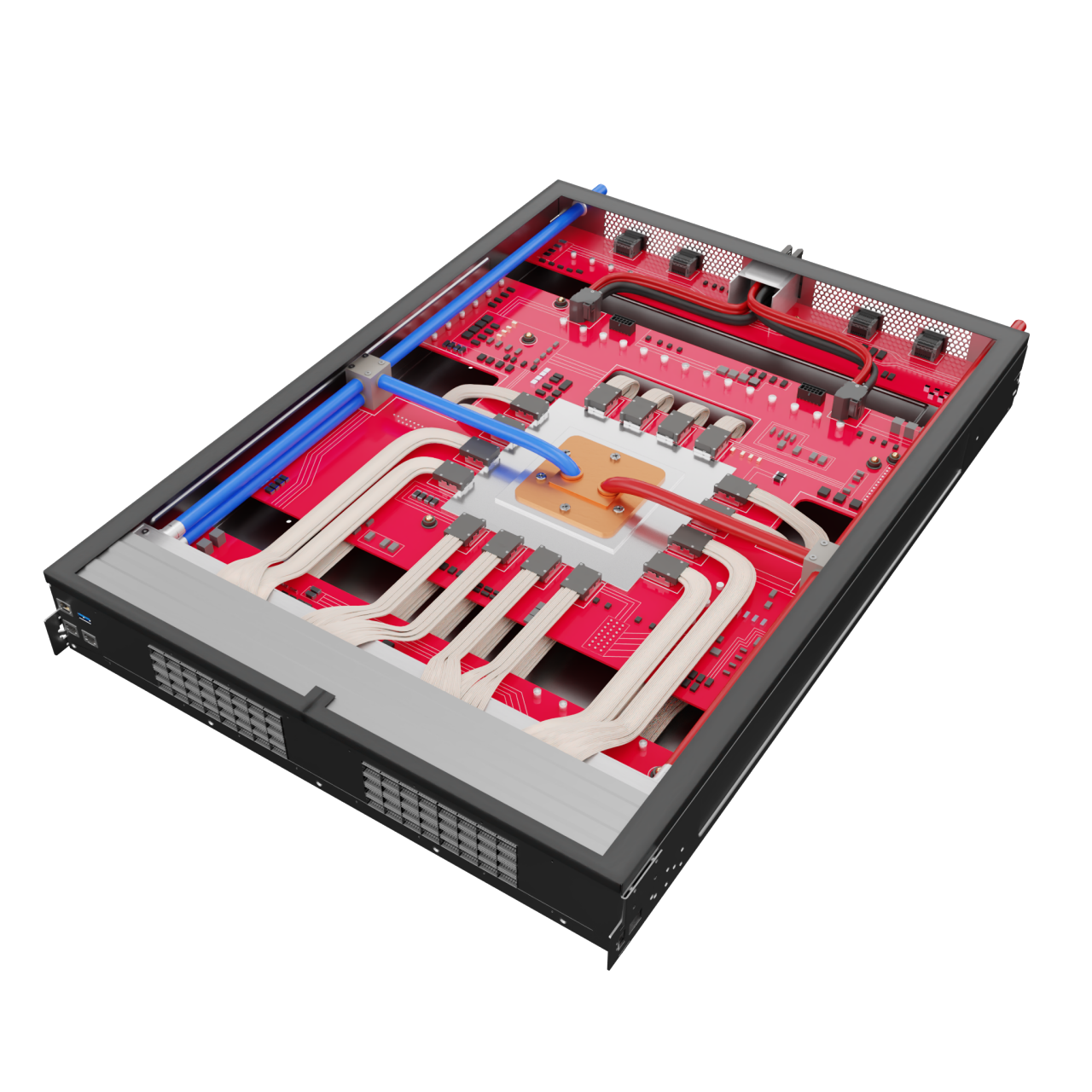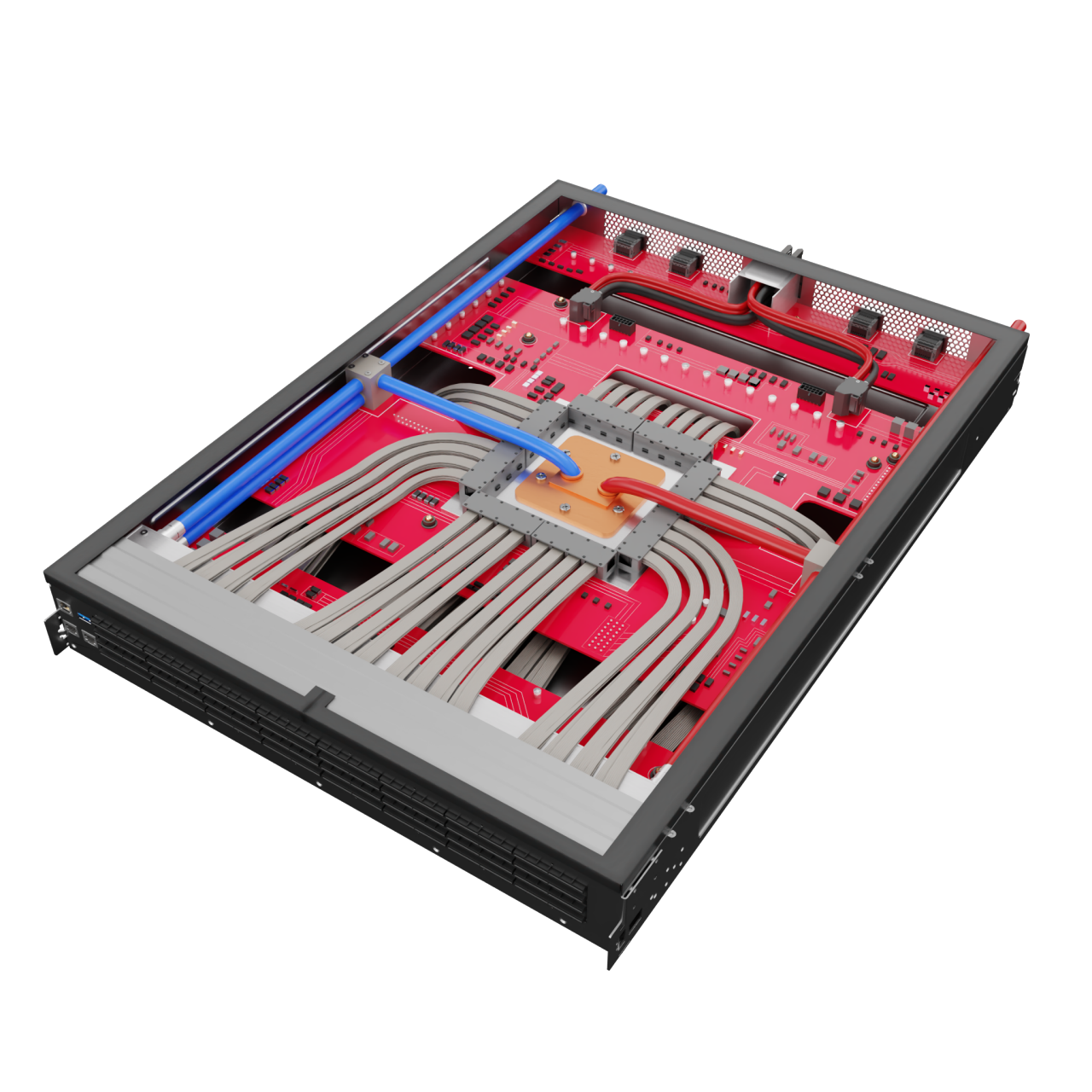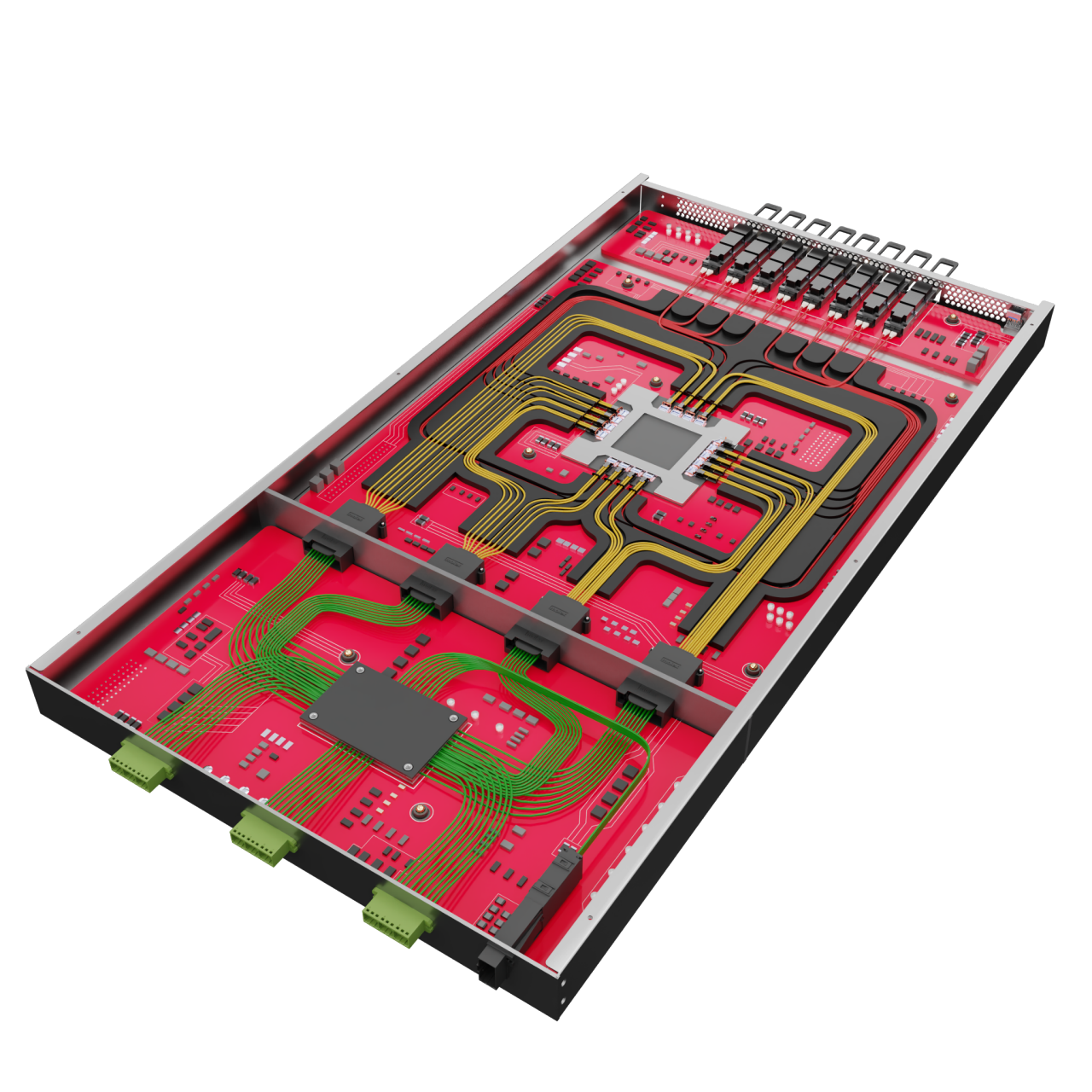
As AI switch tray data rates increase, PCB trace loss becomes increasingly difficult to manage, creating challenges in supporting high-bandwidth ASIC-to-I/O connectivity while balancing routing density, thermal constraints and ease of maintenance. Integrating AI switch trays into larger systems requires high-bandwidth switch-to-switch connectivity over distances that can exceed the practical reach of electrical copper links. Accommodating numerous ports within constrained front-panel and backplane space complicates connector integration and signal routing, while rising tray power makes thermal and power-delivery decisions vital to the connectivity design.
Near-package and co-packaged copper (NPC and CPC) architectures bring high-speed connectivity closer to or onto the ASIC package, reducing dependence on long PCB traces and extending high-speed electrical reach. Co-packaged optics (CPO) architectures integrate optical interfaces at or near the ASIC package, supporting switch-to-switch data paths well beyond copper's limit. The appropriate interconnect topology facilitates a cohesive design across the tray, from front-panel and backplane I/O to power distribution, helping preserve signal performance while streamlining routing, cooling and assembly.
Molex supports high-speed connectivity across the switch tray with solutions for NPC, CPC and CPO architectures that help preserve signal integrity and support greater bandwidth density. Space-efficient solutions for system I/O, backplane ports and power delivery support a cohesive tray design that addresses the application’s mechanical and thermal requirements while retaining serviceability.