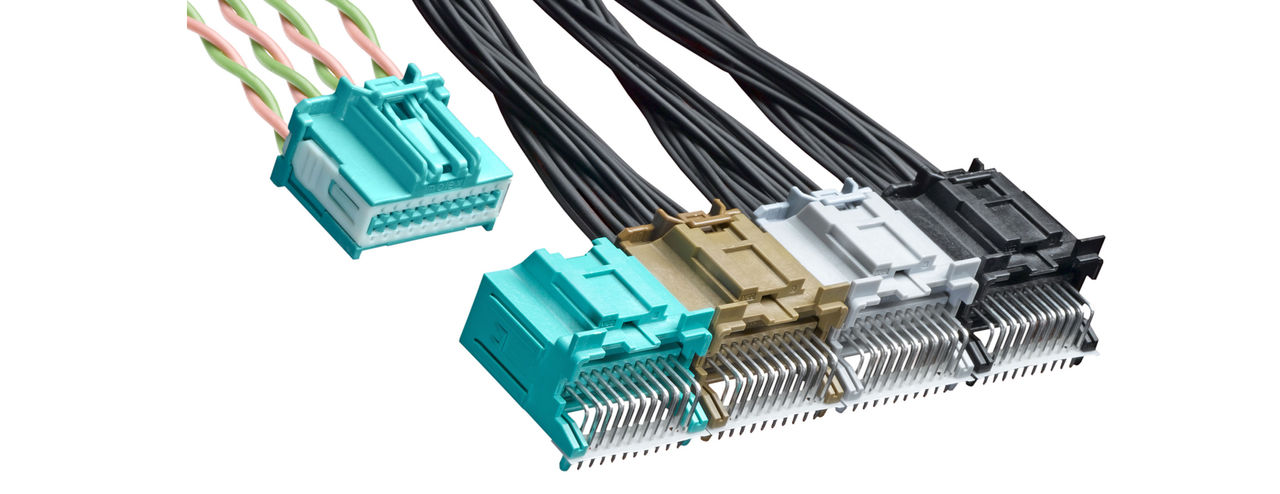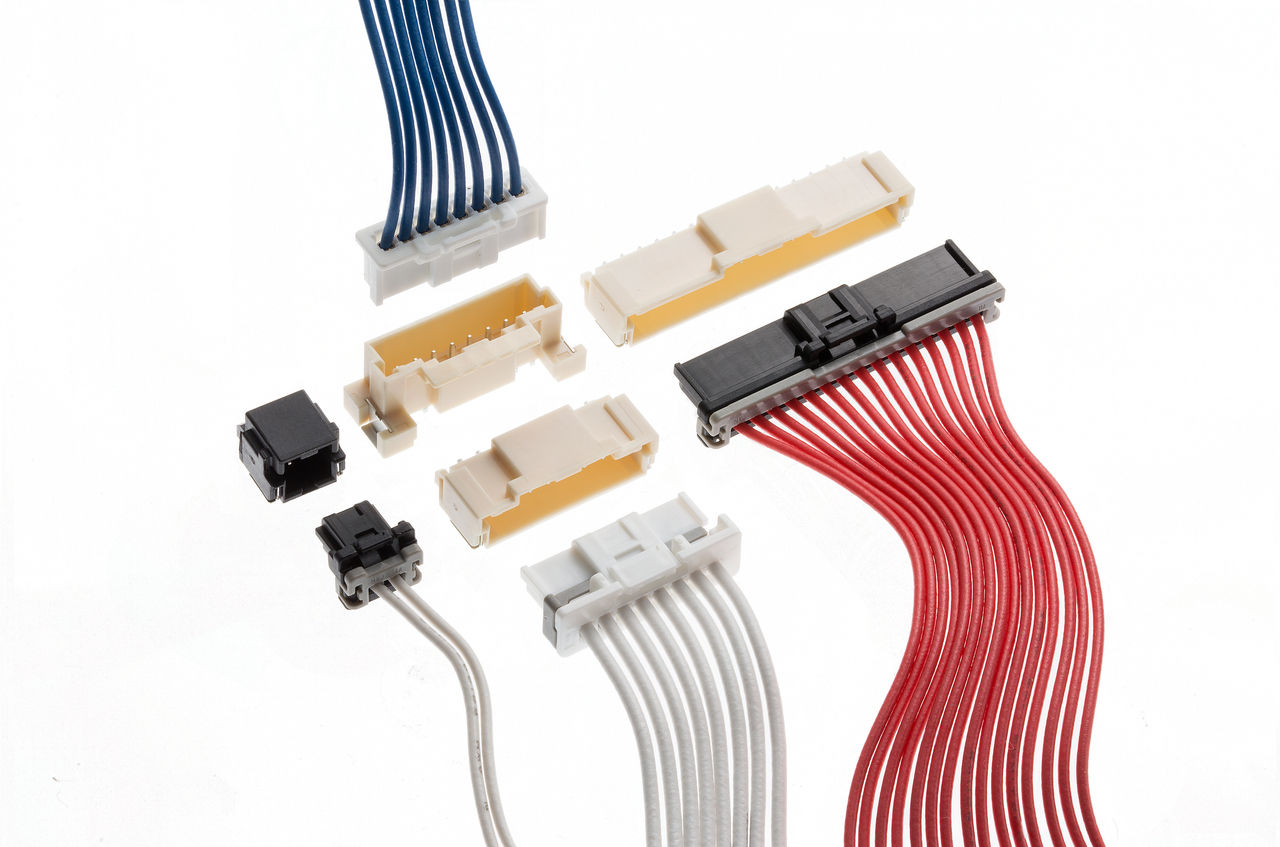
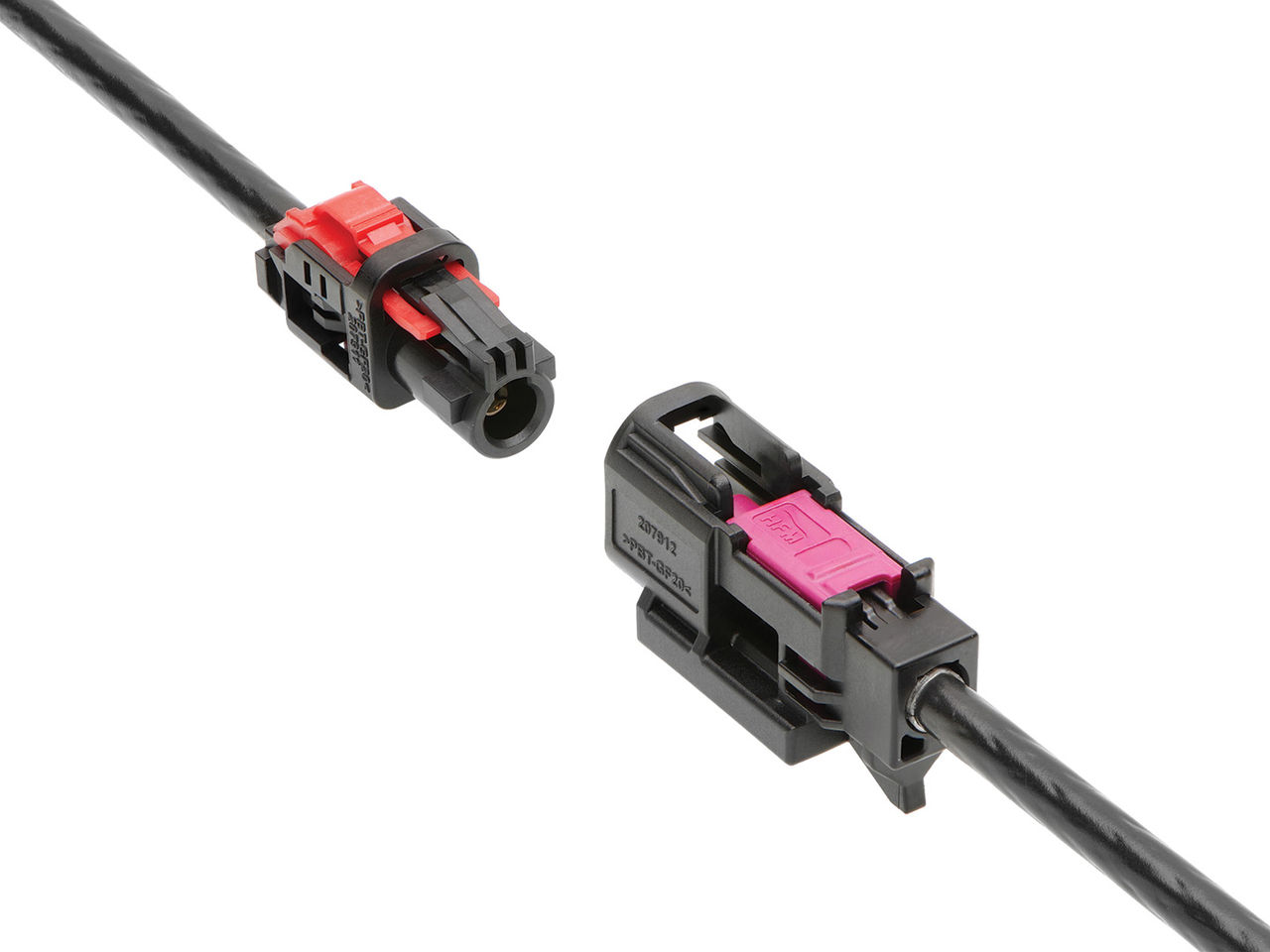
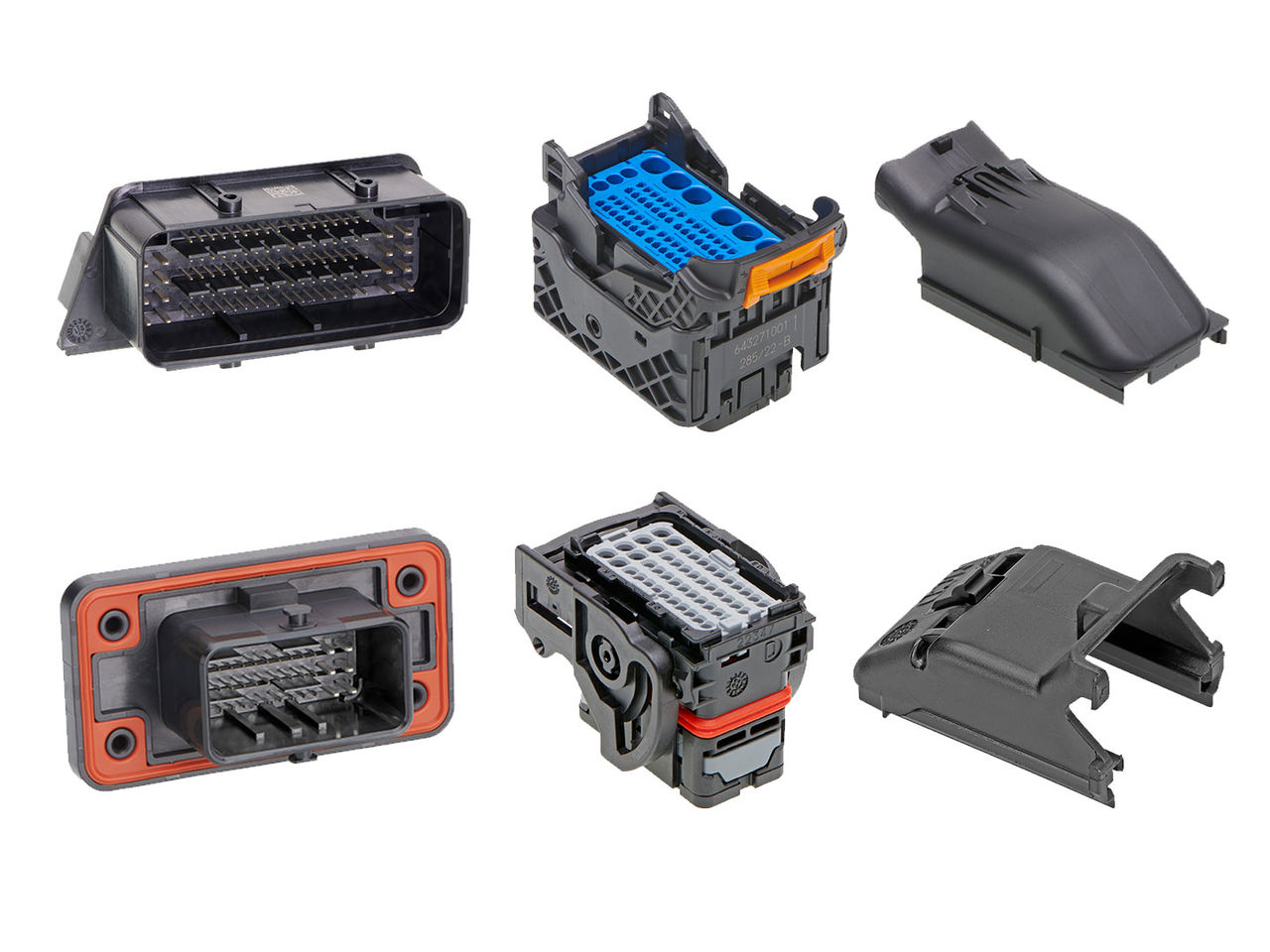
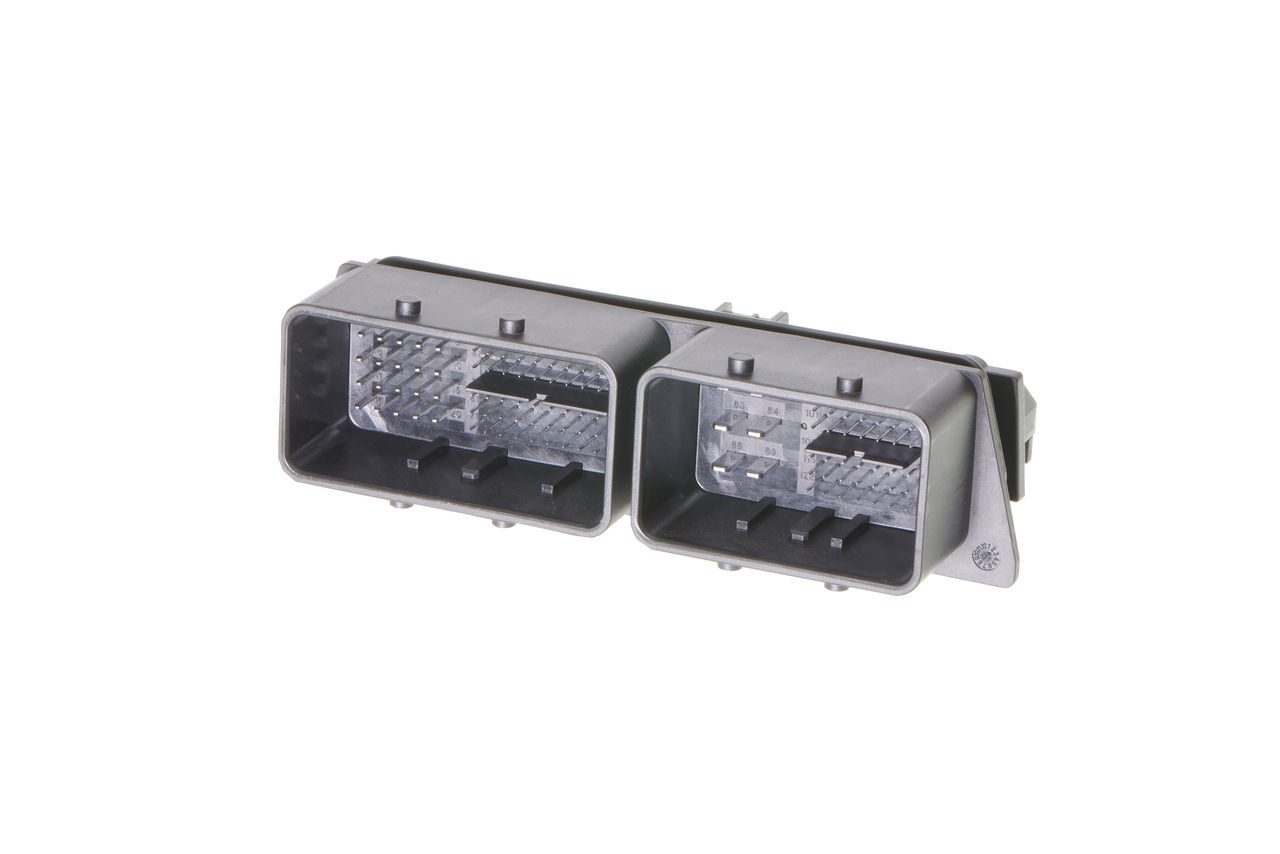
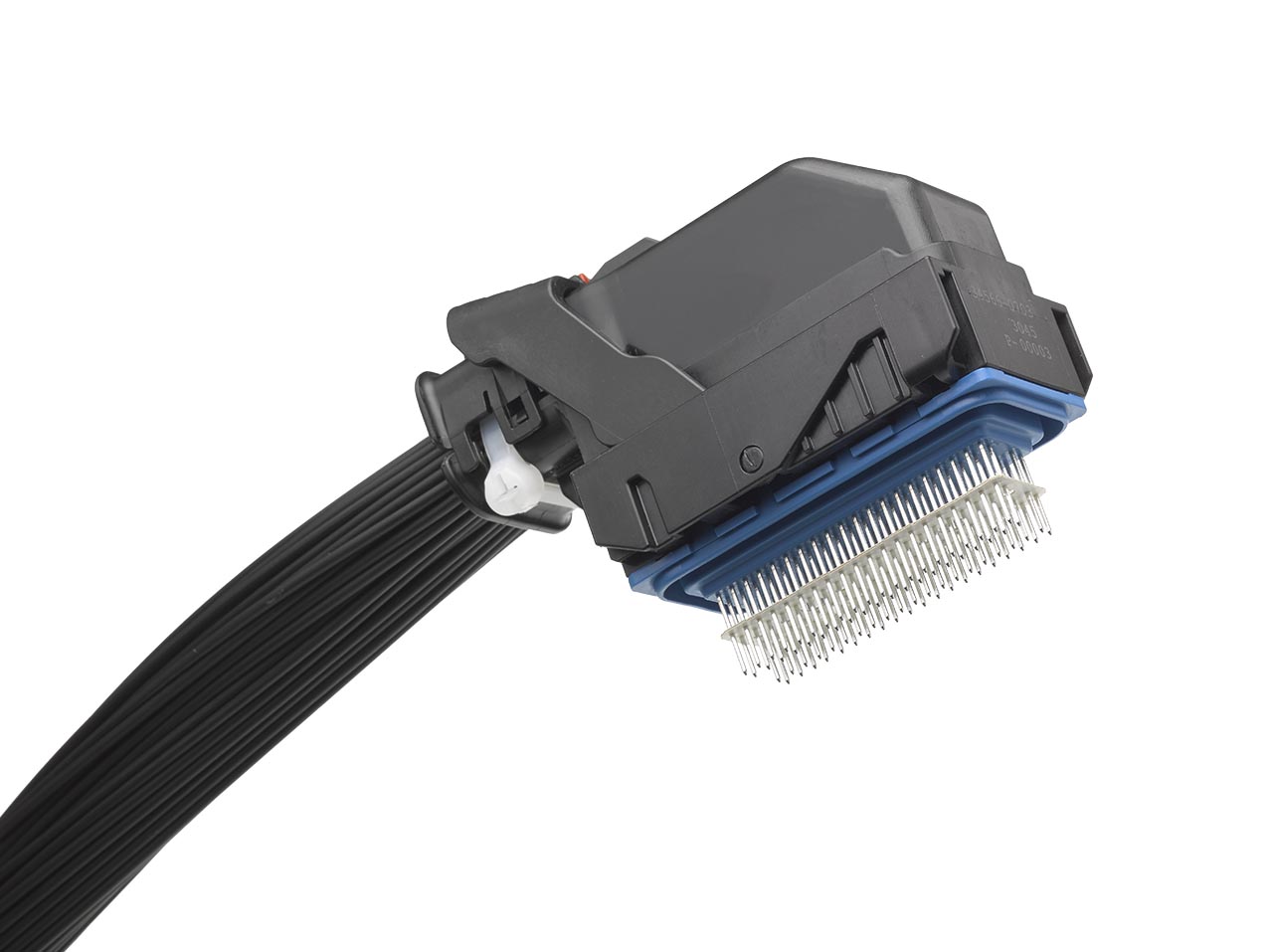
Modern vehicle with visible illustration of connectivity in the cabin and under the hood.

Automotive Connectivity for Vehicle Domain Architectures

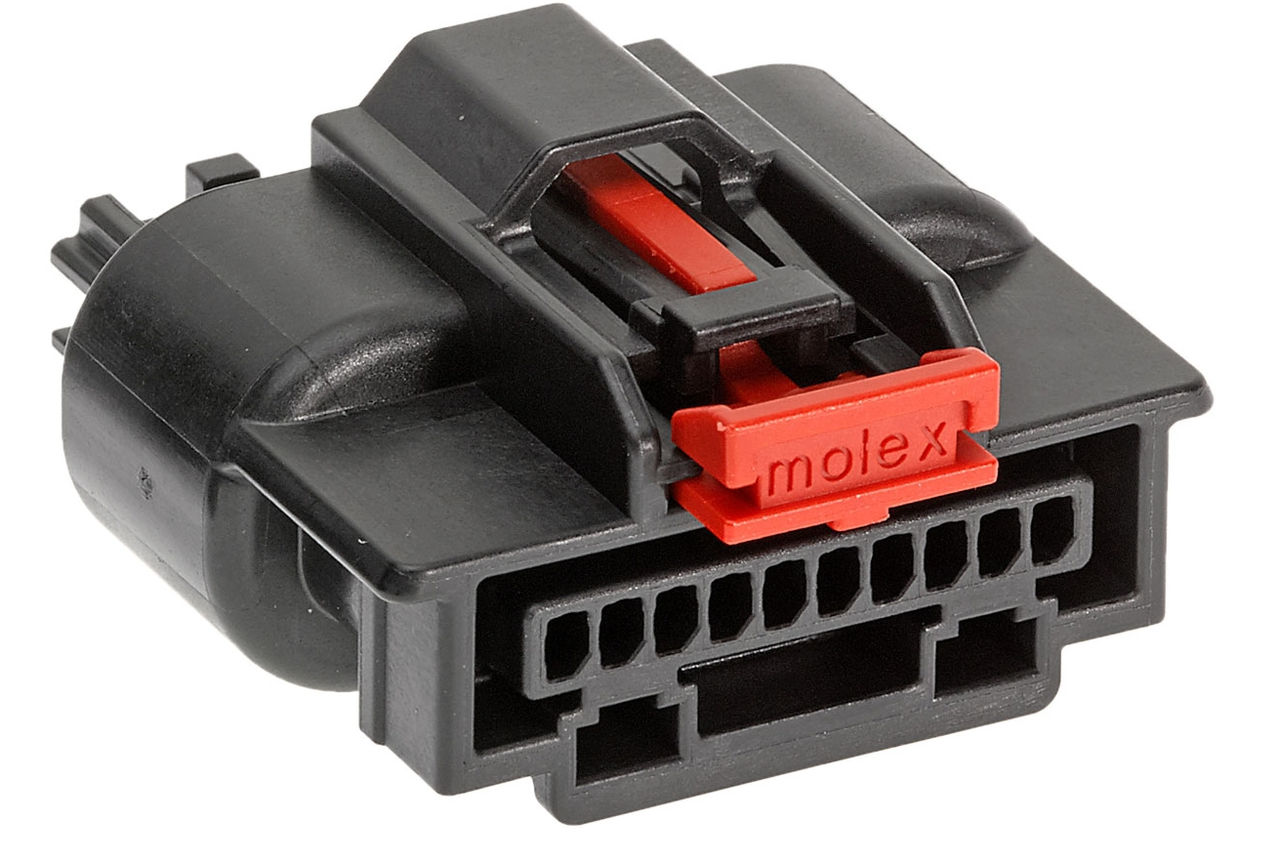
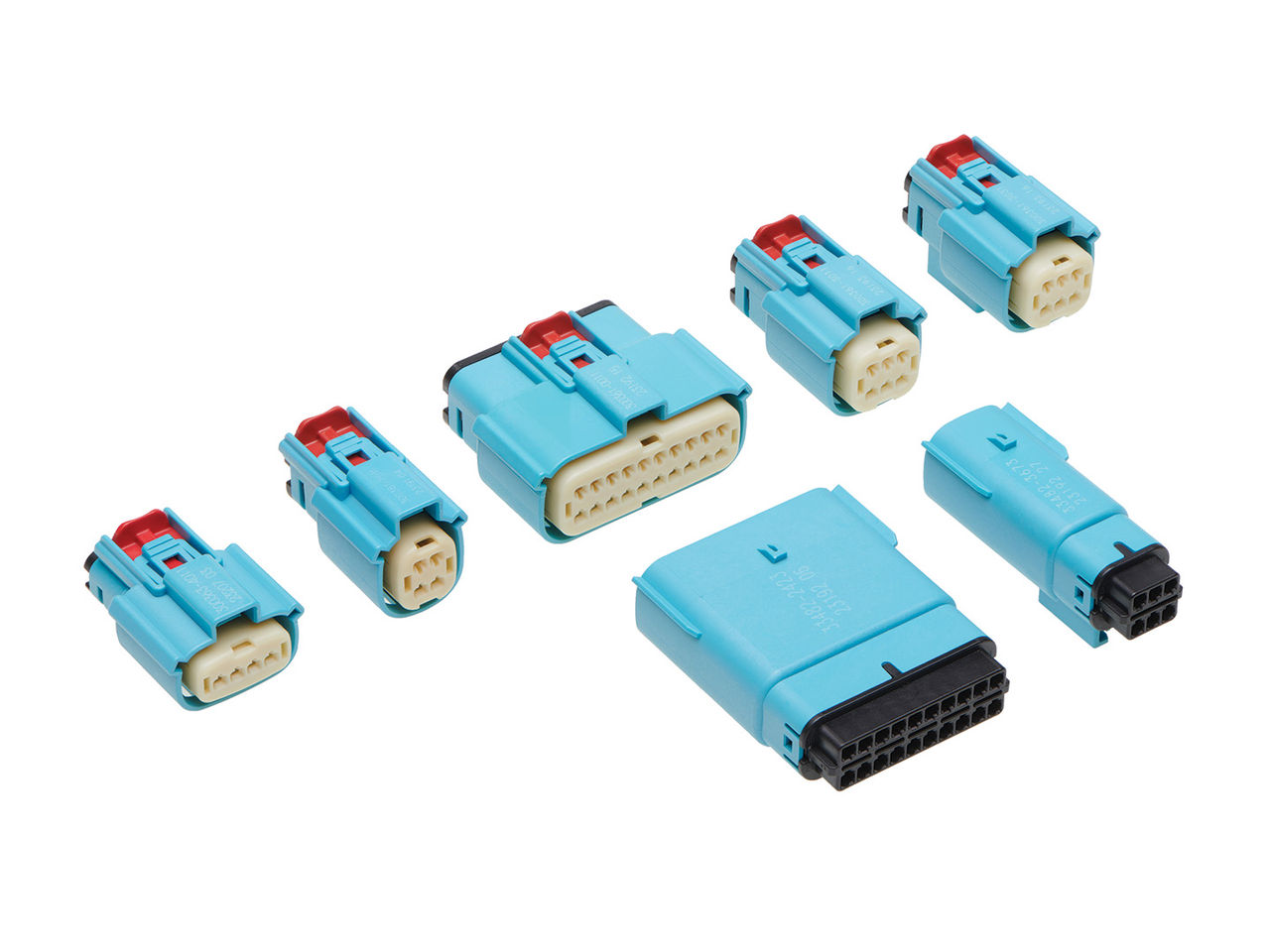
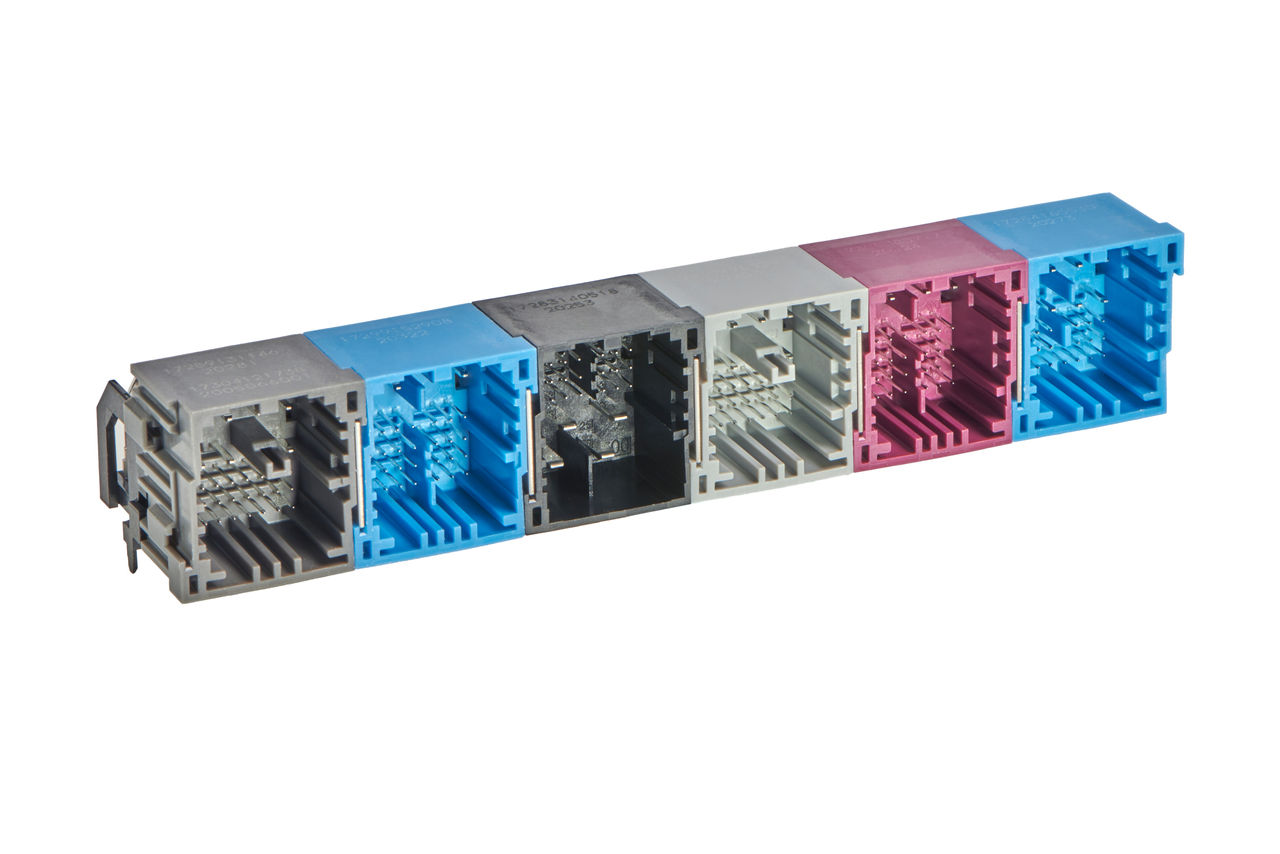
As domain-based vehicle architectures expand to support more sensors, data and power, increasingly dense circuits are routed through confined packaging envelopes exposed to heat and vibration. These systems demand compact, rugged interconnects that can carry higher power loads and scale across domain, hybrid and emerging zonal platforms. Molex provides space-saving connector systems engineered to reduce complexity and cost while enabling reliable power distribution, durable performance and scalability.

Strategic Connectivity for Domain and Hybrid Architectures


Vehicle architectures are evolving rapidly. Engineers must integrate multiple new systems and functions into more optimized domain-specific networks without increasing vehicle complexity. This includes body control modules (BCMs), domain control units (DCUs), engine control modules (ECMs), transmission control units (TCUs) and vehicle control units (VCUs). At the same time, routing high-current power and high-speed data through the same constrained spaces raises the risk of electromagnetic interference (EMI), thermal stress and signal disruption. The resulting challenge is clear: More functionality, wiring and performance must be packed into less space without impacting reliability.

To move forward, manufacturers need interconnect strategies that make domain and hybrid architectures easier to scale. Standardized connector bodies can support platform flexibility without requiring full hardware redesigns. Meanwhile, shielded and high-temperature-rated interconnects help protect signal integrity and connection stability in harsh environments. High-density, space-saving configurations also enable engineers to expand system functionality while reducing the packaging pressure created by heavier, more complex harnesses.

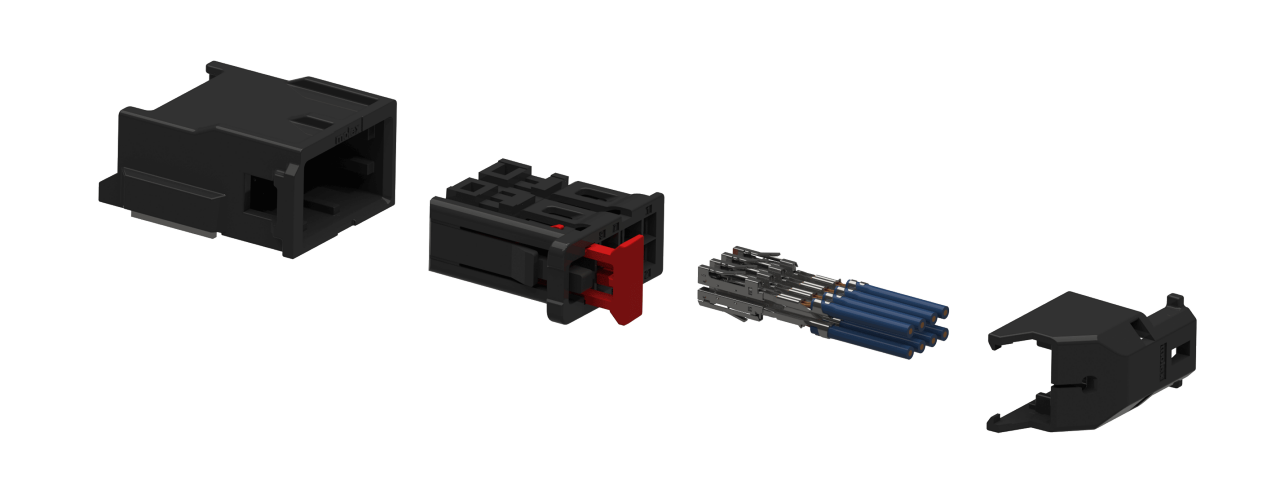
Molex helps OEMs address these demands with modular interfaces, ruggedized connector systems and compact, high-density designs engineered for both domain and zonal architectures. Single-board modularity enables lower R&D investment and reduced harness volume, while terminal position assurance (TPA) features and EMI shielding ensure reliable assembly and durable performance under vibration. By combining low-profile packaging with scalable power, signal and data connectivity, Molex enables engineers to reduce harness mass, optimize space and build more adaptable vehicle platforms.

Connectivity Solutions for Domain Architecture Systems

Body Control Modules

As BCMs manage more electronic functions in smaller spaces, engineers need compact connectivity that can withstand vibration, moisture and extreme temperatures. High-density, modular interconnects support scalable power distribution and high pin-count signal density while helping prepare domain-based platforms for future upgrades.

Domain Control Units

DCUs are consolidating multiple ECU functions into compact control units, where high-speed sensor data, EMI exposure and rugged environmental demands must be managed together. Modular power, signal and data connector systems combine miniaturized density, shielding and secure locking features to support scalable DCU architectures and reliable high-speed communication.

Engine Control Modules

Advanced internal combustion management and hybrid powertrain coordination place greater pressure on ECM connectivity in hot, high-vibration engine environments. Compact, ruggedized interconnects combine sealed housings, positive locking features, high-temperature performance and power-plus-signal connectivity to support reliable control where durability is crucial.

Transmission Control Units

Real-time inputs from hybrid drivetrains and advanced driver assistance systems (ADAS) require TCU connectivity that can protect high-speed communication from thermal loads, EMI and environmental stress. Modular connector systems combine power and signal transmission, sealed durability, secure locking and shielded high-speed data paths to support reliable communication between sensors and transmission systems.

Vehicle Control Units

VCUs coordinate data from multiple vehicle subsystems and sensors, making compact, safety-focused connectivity essential inside increasingly restricted module spaces. High-density hybrid interconnects offer flexible configurations, sealed compact housings, positive locking and high-speed data performance to help maintain signal integrity and fail-safe operation in demanding vehicle environments.

Overcoming Connectivity Challenges in Domain Architecture


Stable Connectivity Under Harsh Conditions

Constrained spaces and harsh environments threaten the reliability of complex, high-speed domain and hybrid architectures. Engineers need automotive connectors that maintain structural integrity and stable performance through constant vibration, extreme temperatures and demanding power requirements. Molex delivers high-density, space-optimized connectivity that supports faster data transmission and reliable power distribution within restricted vehicle footprints.

A technician wearing gloves securing wires together for automotive applications.

High-Density Solutions for Compact Modules

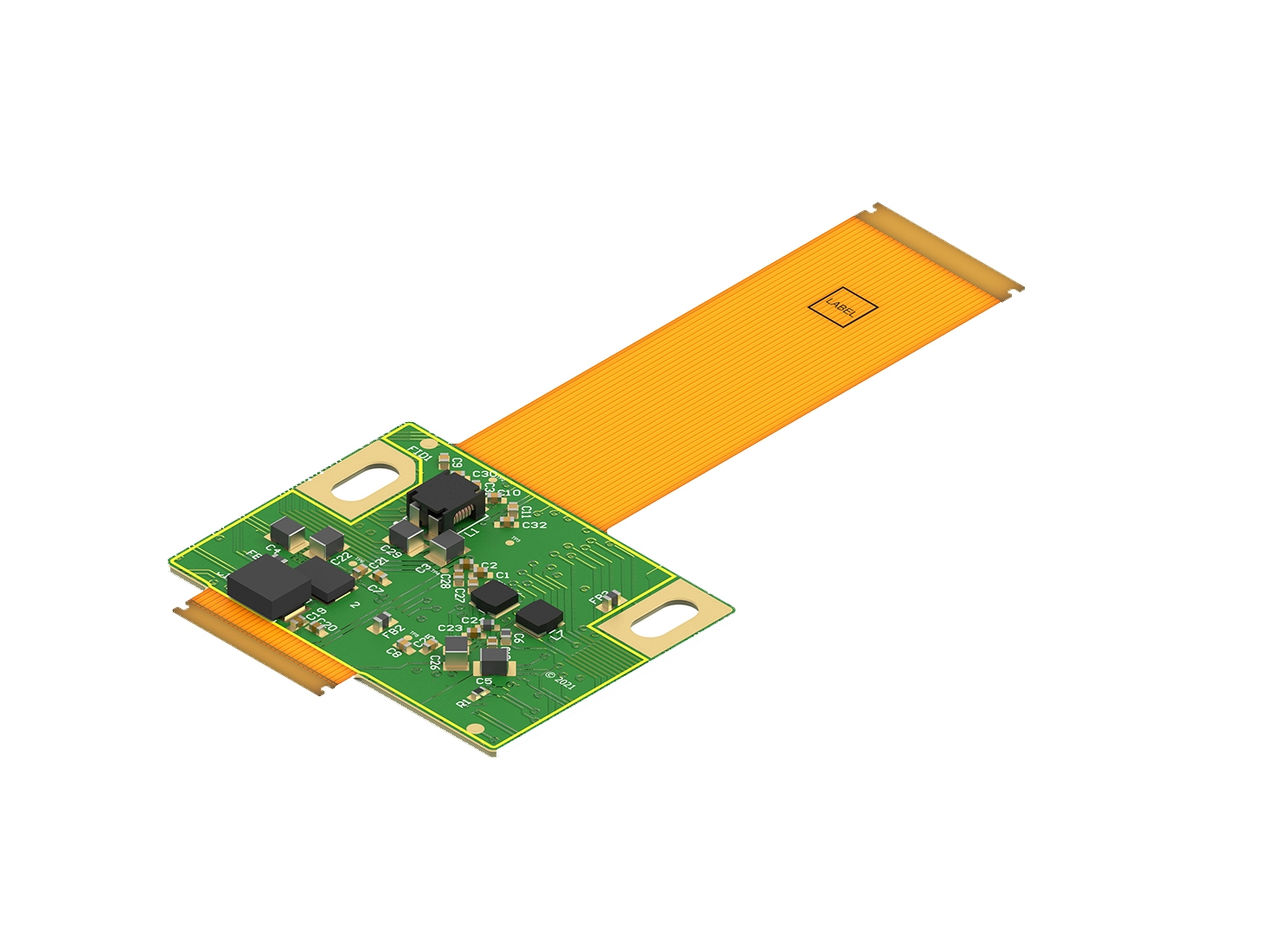
Sourcing connectors with the right circuit count and profile is essential to prevent assembly issues in increasingly compact vehicle modules. These applications require ultra-low-profile components capable of supporting dozens of signal lines with profiles of just a few millimeters. Molex flat flexible cable (FFC) solutions can be folded, bent and routed through space-constrained areas, helping increase design flexibility while reducing packaging pressure.

A Molex Flexible Printed Circuit Assembly with a PCB.

Connectors Designed for High Reliability

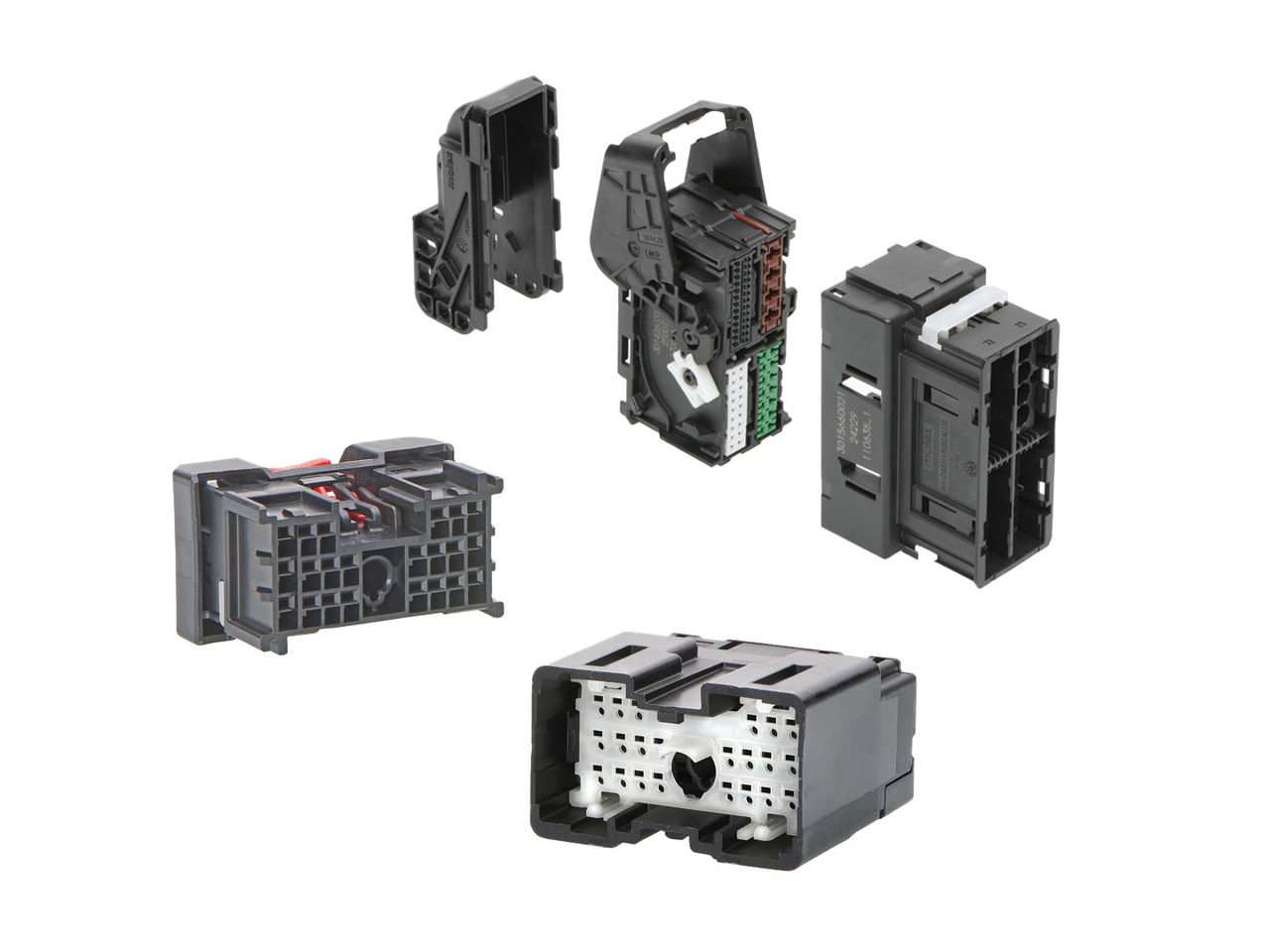
Maintaining reliable power connections and signal integrity becomes more difficult as high-current circuits, high-frequency data lines and dense control-unit layouts converge. Engineers need customizable, high-current connectors that integrate data, signal and power within shielded housings designed to reduce EMI, crosstalk and signal degradation. The MX-DaSH Connector System supports optimized component layouts by securely isolating high-speed data from adjacent low-voltage power pins, enabling more stable operation and uninterrupted signal performance.

MX-DaSH automotive connectors shown in multiple configurations.