A woman opens a stainless steel refrigerator with a built-in water and ice dispenser in a modern kitchen.

High-Performance Consumer Appliance Connectors

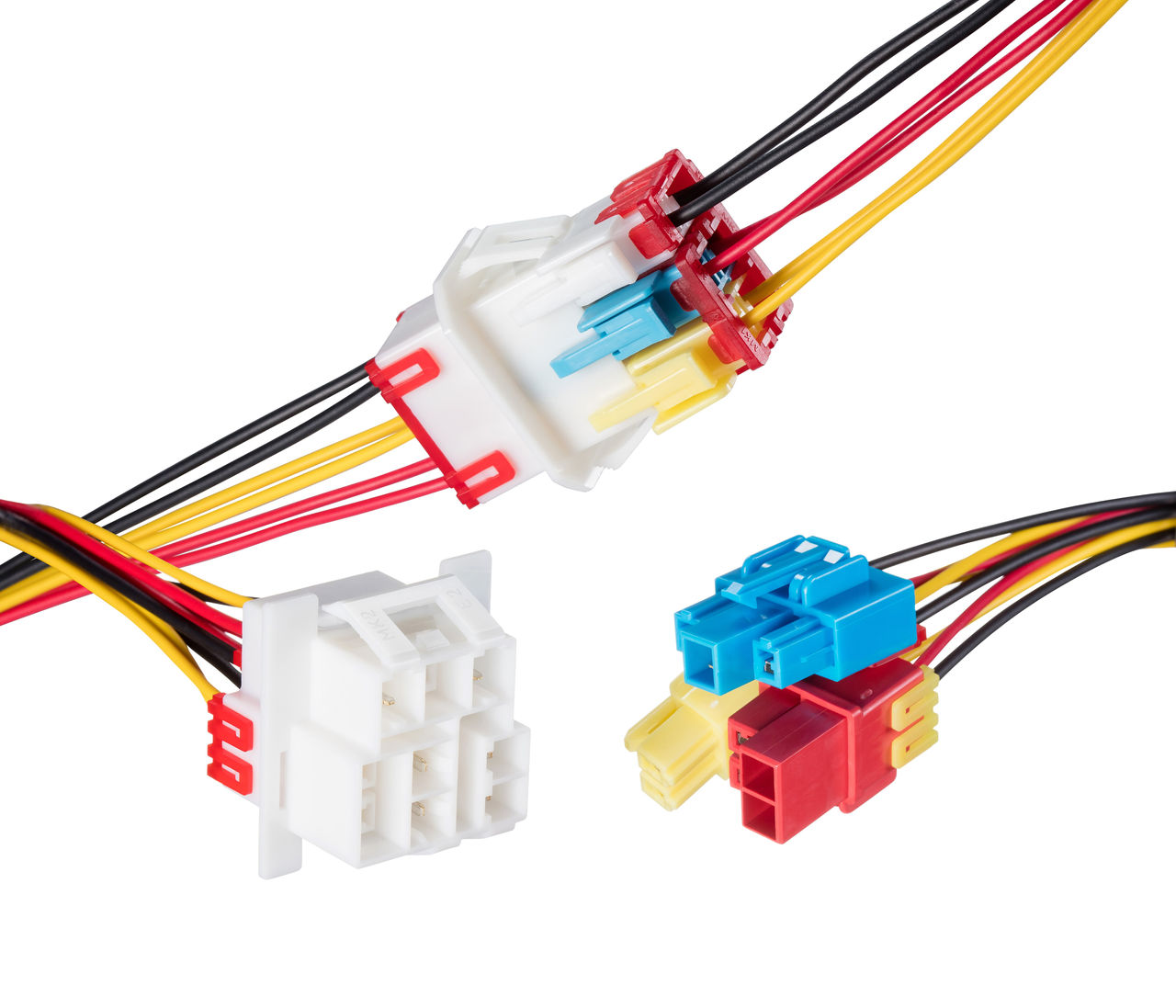
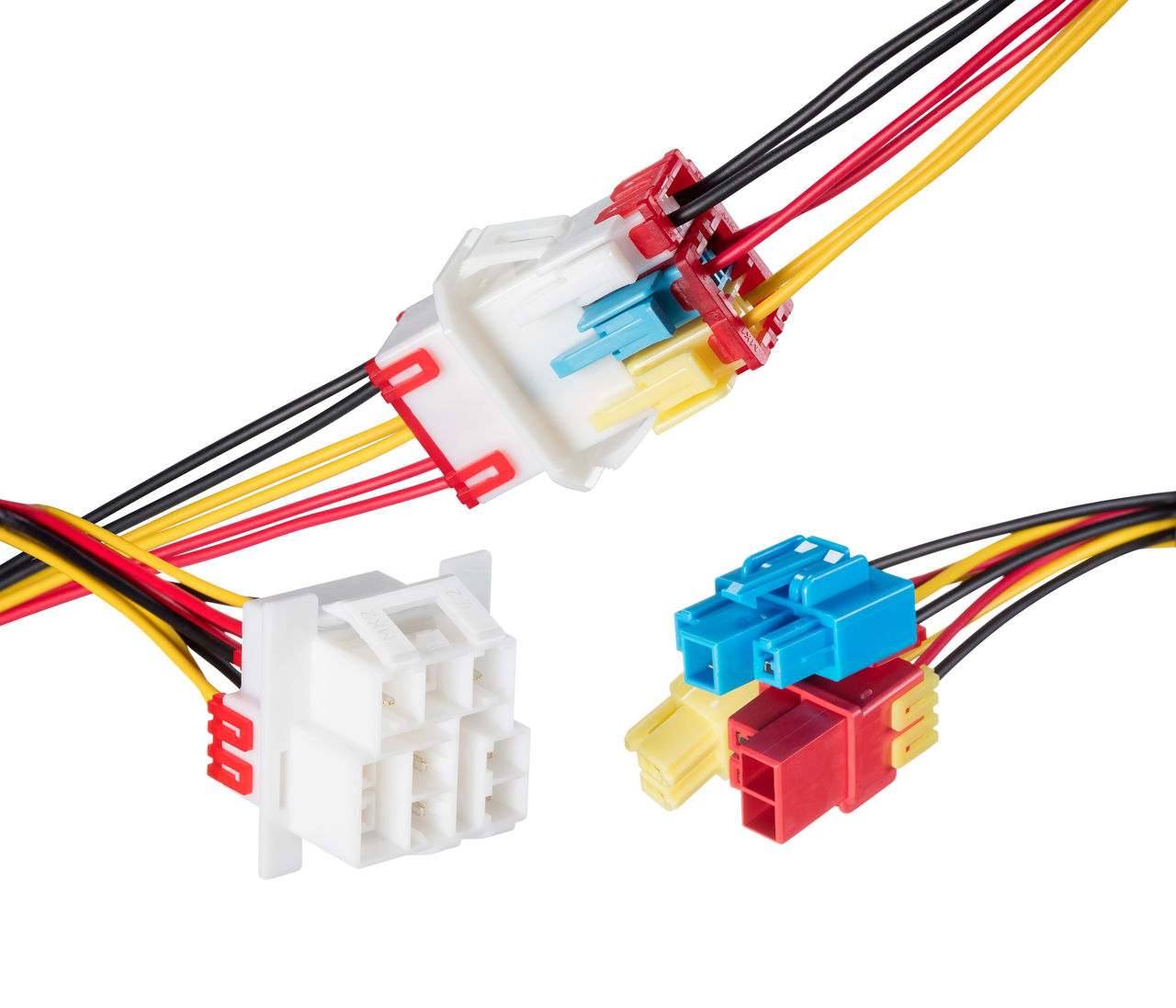
Designing modern consumer appliances requires meeting demanding safety standards without slowing production or limiting user interface innovation. This calls for interconnect solutions engineered for safer power distribution, efficient assembly and greater design flexibility for integrated controls. Molex combines IEC 60335-1 Glow Wire-capable and UL94V-0-rated power connectivity with error-reducing terminal designs and flexible PEDOT-printed circuits to support safer, more streamlined appliance designs.

Innovative Connectors for Smart and Connected Home Appliances


Consumer appliance design brings together three distinct engineering disciplines within the same development cycle: safety compliance, manufacturing efficiency and human-machine interface (HMI) innovation. Engineers working on modern appliances must navigate stringent flammability requirements while managing increasingly dense wire harnesses that can slow assembly and increase the risk of connection errors. Adding to these challenges is the shift toward flexible touch interfaces, which introduce material and integration hurdles that traditional rigid indium tin oxide (ITO)-based designs cannot solve.

Engineering connectivity around both finished appliances and production at scale helps designers meet these demands. Fire-resistant materials can address thermal ignition risks, while innovative connector designs help accelerate dense harness assembly and minimize errors. Flexible conductive materials also give engineers new options to integrate capacitive touch functionality into surfaces where rigid sensors are limiting.

Molex supports these requirements with power interconnects designed to meet Glow Wire and UL94V-0 standards, along with low-mating-force connector systems that use polarization and terminal position assurance (TPA) to improve assembly accuracy. For next-generation HMI designs, PEDOT-printed conductive polymer technology provides a flexible alternative to rigid ITO sensors, helping bring durable capacitive touch interfaces to more appliance surfaces.


Home Appliance Applications

A New Spin on Washing Machine Connectors

A lifetime of agitation and spin cycles can loosen connections inside washing machines, causing premature failure. Molex brings a range of new solutions that maintain reliability in high-vibration settings, provide smaller footprints on control boards and allow designers greater assembly flexibility when bringing model updates to market.

Reliable Connectivity Solutions for High-Performance Dryer Designs

Achieving long-term dryer reliability homeowners depend on relies on the motor, sensors and control board being able to endure the rigors of frequent use in harsh conditions. Molex connectivity solutions combine durability, secure locks and customizable features to support reliable performance in modern dryers.

The Cold Standard for Refrigerator Design

The latest innovations in kitchen appliances require a new set of best practices to maintain reliability, free up space and incorporate new sensors and controls. Compact and engineered for quality, Molex connectivity solutions support the next generation of refrigerators.

Engineered Connectivity for Smarter Dishwasher Designs

Dishwasher connections endure unyielding exposure to heat, moisture, and vibration, calling for solutions that ensure lasting reliability. Engineered to excel in these harsh conditions, Molex connector solutions deliver dependable power and signal integrity from pump to control board.

Meeting Strict Safety and Glow Wire Compliance Standards


Reliable Connectors for High-Temperature Environments

High temperatures can accelerate connector wear in cooking appliances, while terminal backout or mis-mating compromises long-term reliability and complicates regulatory compliance. Engineers need interconnects designed for sustained heat exposure that utilize materials meeting IEC 60335-1 Glow Wire requirements and UL94V-0 flammability ratings. Molex combines Glow Wire-capable materials with secure mating features in connectors engineered for space-constrained, high-heat environments, helping reduce thermal ignition risks and maintain dependable connections over product lifecycle.

A person presses a button on the touchscreen control panel of a modern electric oven.

Glow Wire Testing for Flame-Resistant Connectors

Overheating components in unattended appliances can create ignition risks that extend beyond the initial point of failure. Engineers need connector materials that resist thermal ignition, limit flame propagation and perform to IEC Glow Wire requirements. Molex interconnects leverage Glow Wire-capable materials and UL94V-0-rated resins to support flame-resistant designs in applications where fire safety cannot be left to chance.

Robust and Intuitive Connectivity Solutions for Next-Generation Home Appliances


Supporting Ergonomics on the Production Line

As appliances add more electronic features, increasing connector counts contribute to operator fatigue while ambiguous terminations introduce assembly errors and slow production. Connector architectures with low insertion force can make dense wire harnesses easier and more intuitive to assemble. Molex designs low-mating-force interconnects around the assembler, using ergonomic housings with keying and terminal position assurance to reduce effort while helping confirm each connection is fully and correctly mated.

A production worker connects wiring on an appliance assembly line designed to support ergonomic manufacturing.

Designing Next-Generation Smart Appliances

Smart appliances continue to raise consumer expectations for functionality while challenging manufacturers to meet stricter energy requirements and improve overall product performance. Incorporating this added intelligence requires consumer appliance connectors that deliver reliable power, signal and data transmission without adding unnecessary complexity. How can smart appliance technology create greater value for both manufacturers and end users?

A person presses a button on the control panel of a modern washing machine with a digital display.

Capacitive Touch Interfaces for HMI

Rigid ITO sensors can constrain capacitive touch designs as appliance interfaces move onto curved and more complex surfaces. Engineers need flexible conductive materials that maintain responsive touch performance while providing greater freedom to shape and integrate the interface. Molex PEDOT-printed flexible circuits use an additive conductive-polymer process to reduce processing complexity and create conformable capacitive touch controls for custom HMI applications.

A person uses a wall-mounted touchscreen to control connected home appliances in a modern kitchen.