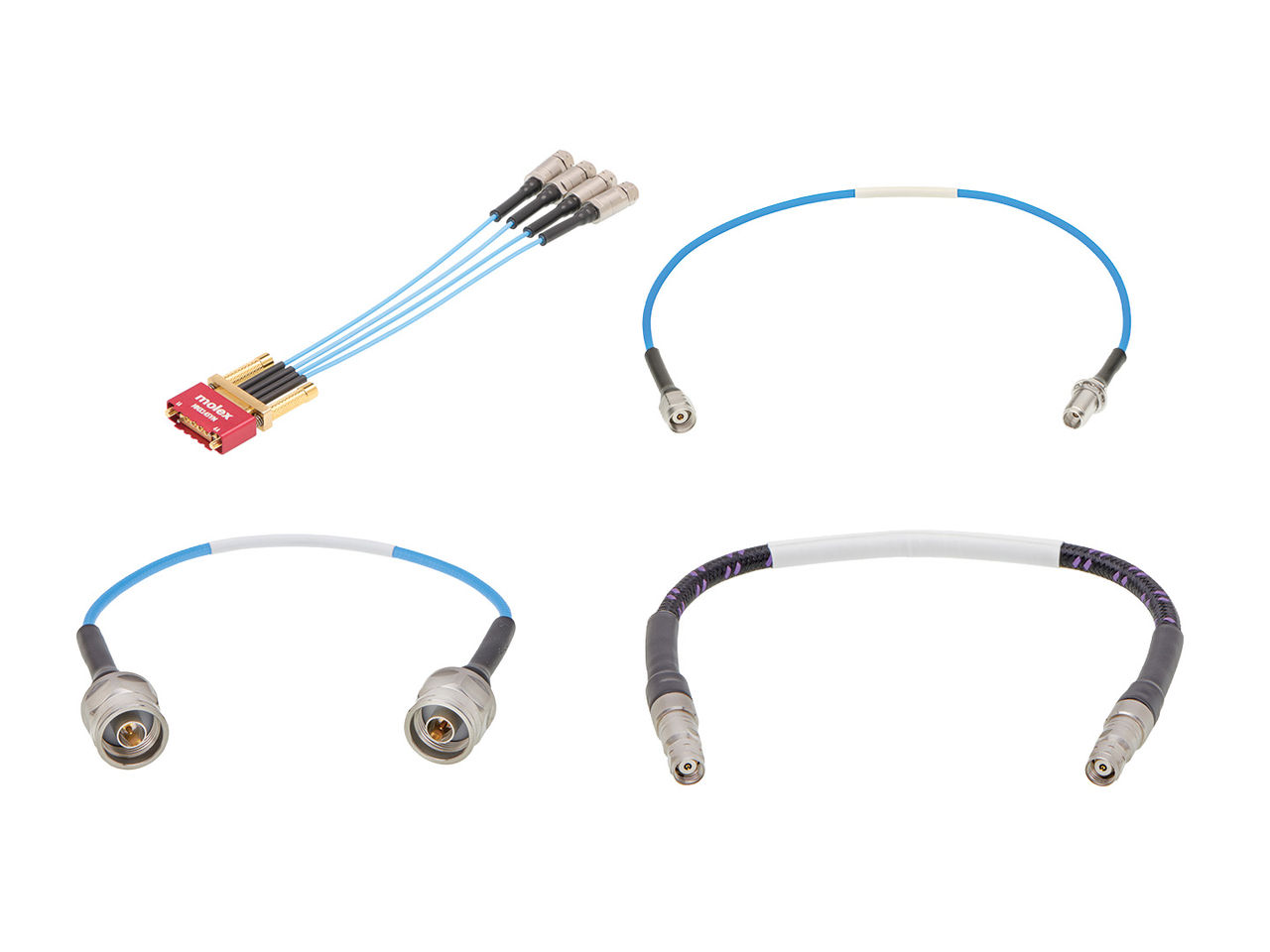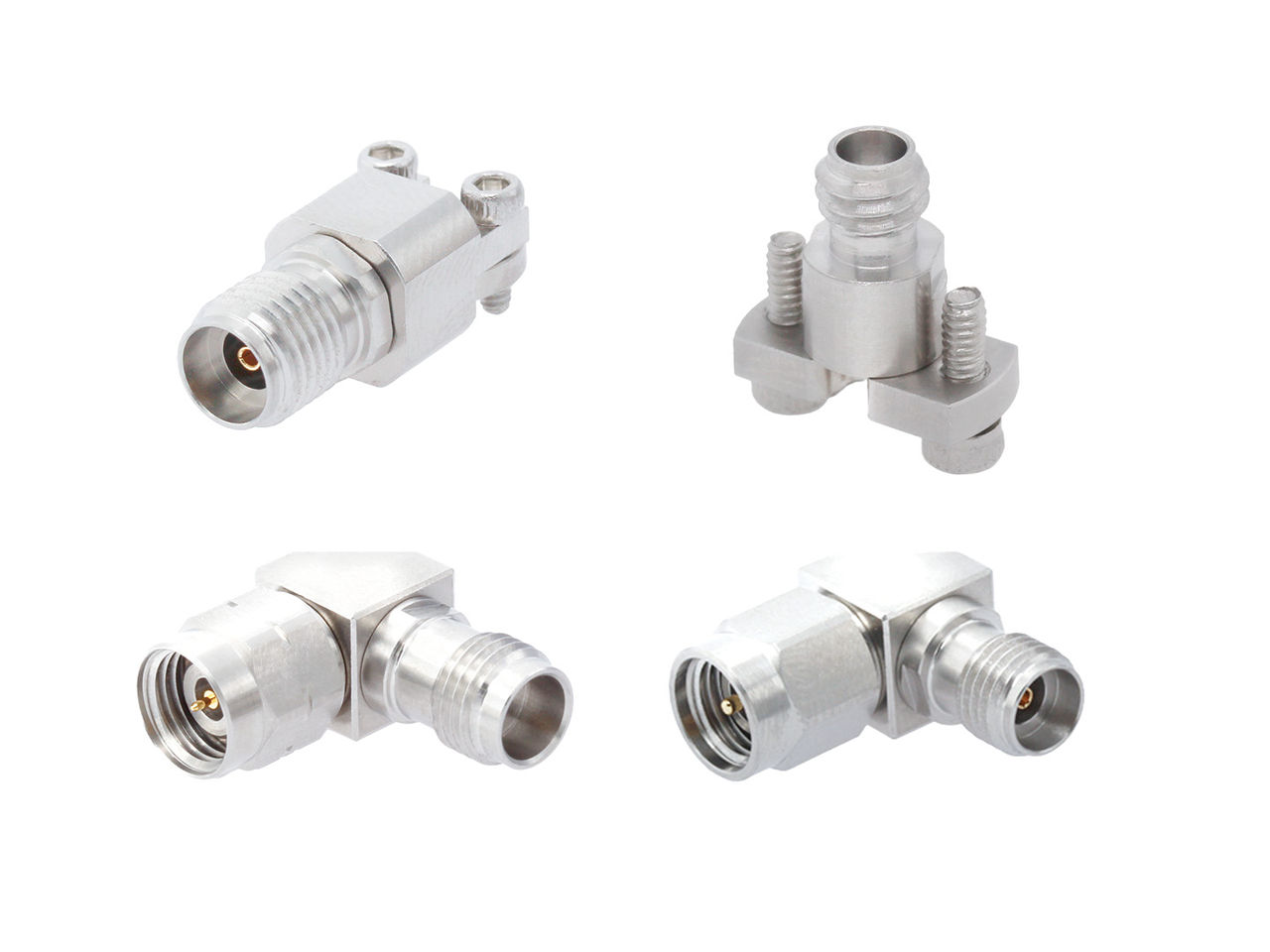

| Connectors | Frequencies | VSWR (max.) |
|---|---|---|
| 1.85, 2.4 and 2.92mm; N-type; SMA | DC to 50 GHz (1.85, 2.4mm); DC to 40 GHz (2.92mm); DC to 18 GHz (N-type, SMA) | 1.75:1 (1.85, 2.4mm); 1.40:1 (2.92mm); 1.35:1 (N-type, SMA) |
Features and Benefits
Precise control of RF power at high frequencies is increasingly a priority for designers as systems move into higher-frequency and millimeter-wave (mmWave) bands. Reliable broadband power attenuation is necessary to minimize loss, reflections (voltage standing wave ratio, or VSWR) and distortion, helping prevent overloading, stabilizing system operation and maintaining device compatibility. Designers must ensure reliable signal integrity, power handling and thermal management at increasing frequencies and power levels.
High-precision RF attenuators that can handle power levels safely and reliably in harsh conditions and high temperatures help prevent signal loss and reduce risks to system components. Precise attenuation across the full operating band—with validated frequency range and impedance matching—helps optimize system efficiency while minimizing overheating and performance drift.
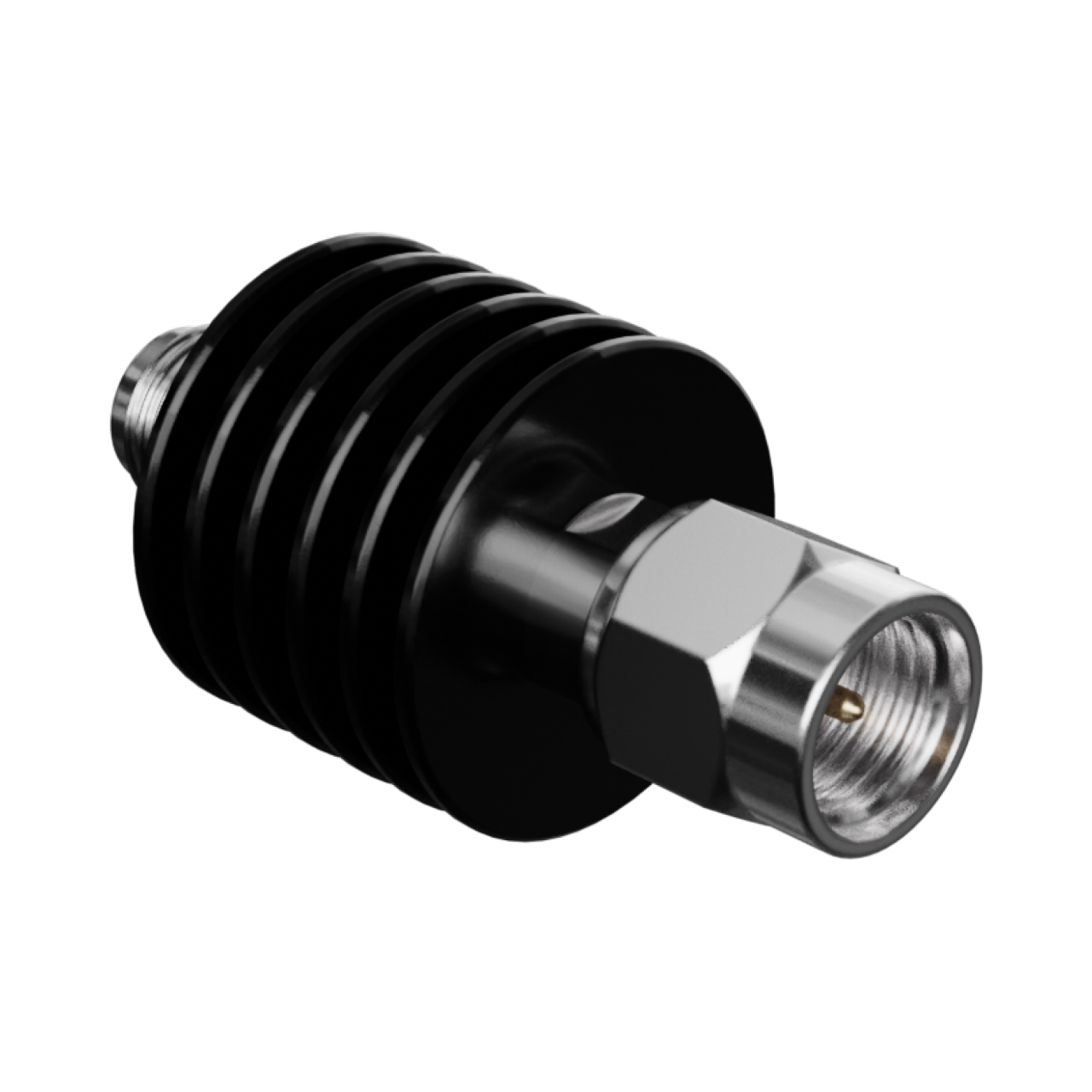
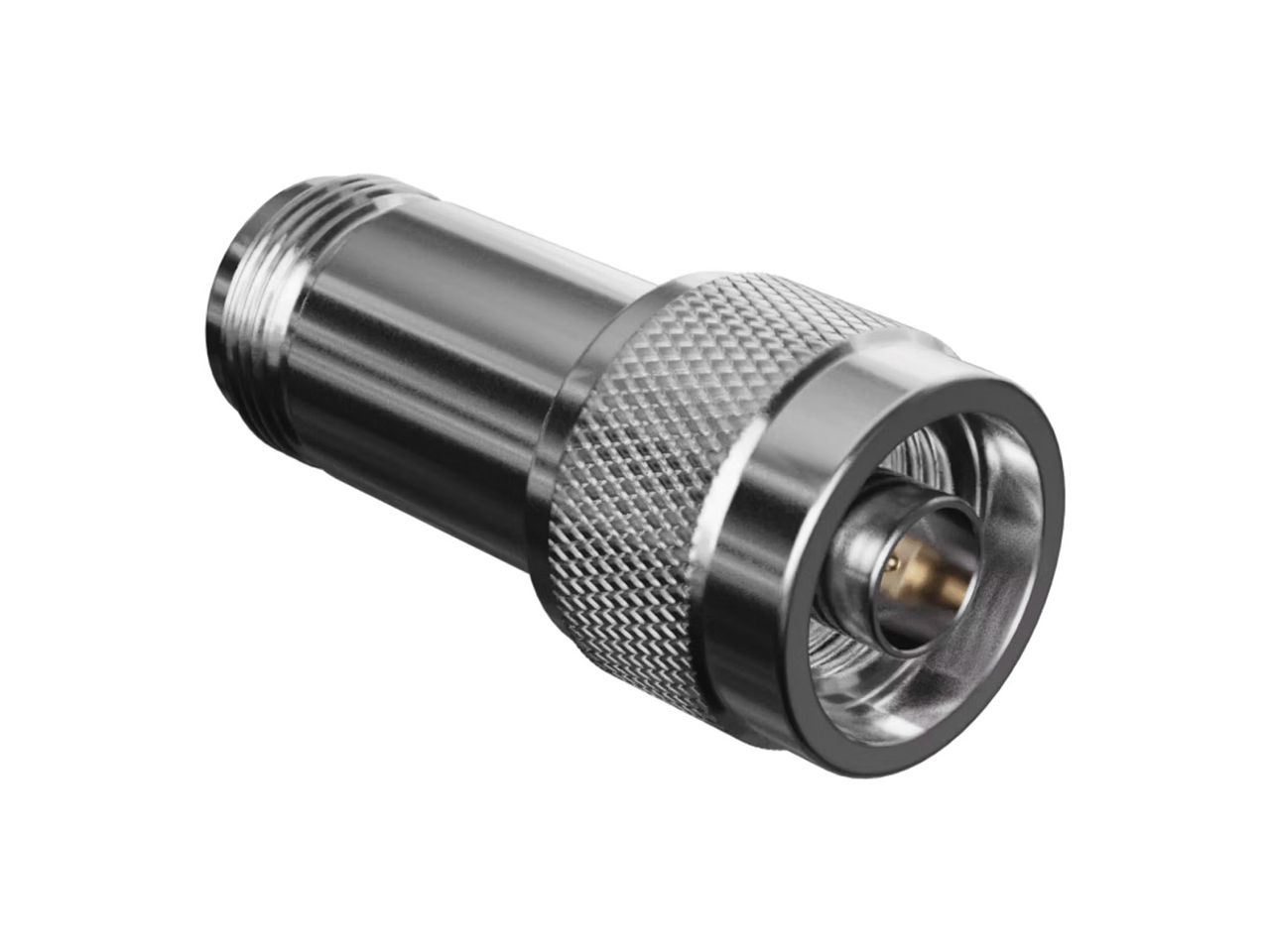
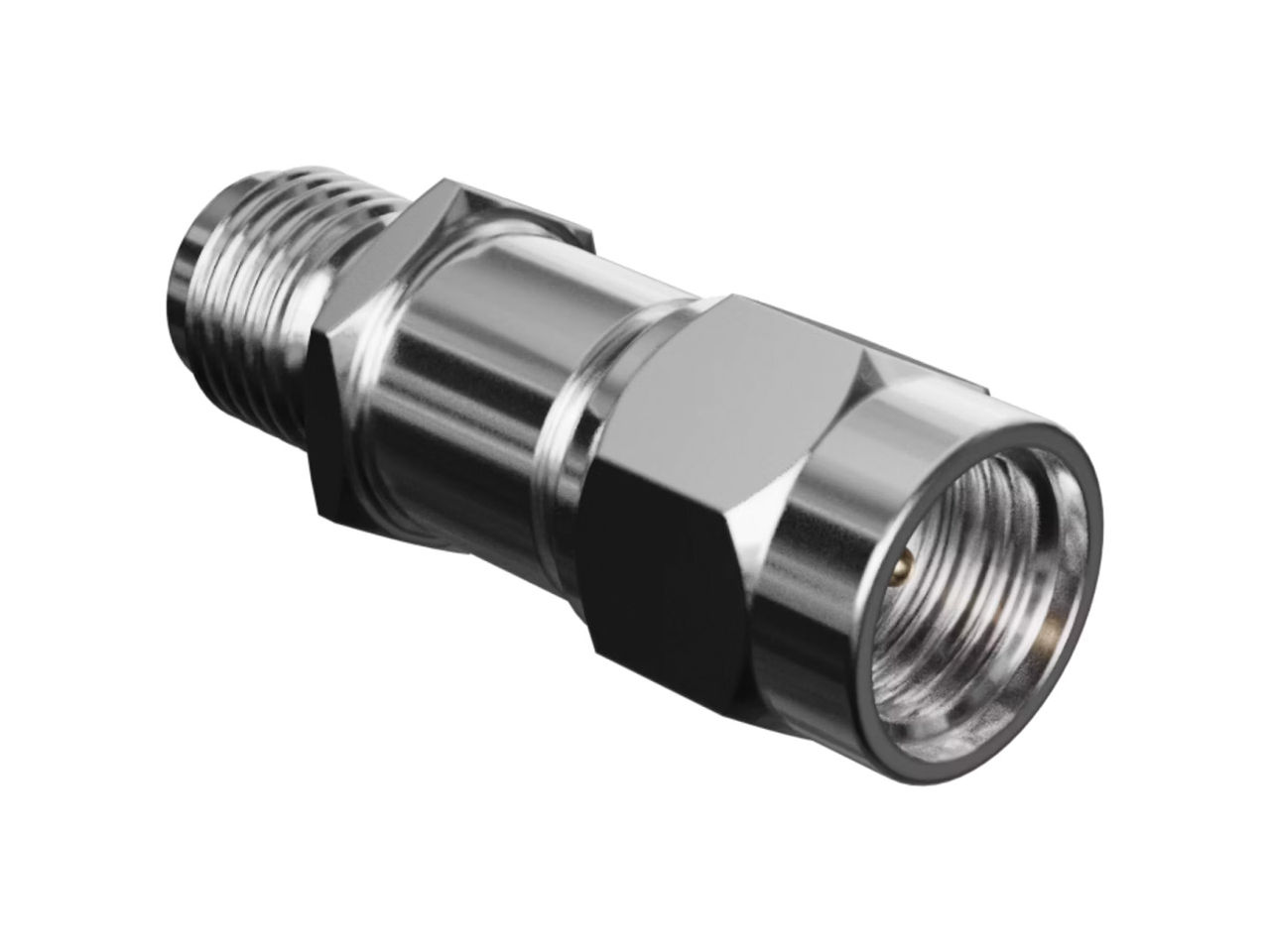
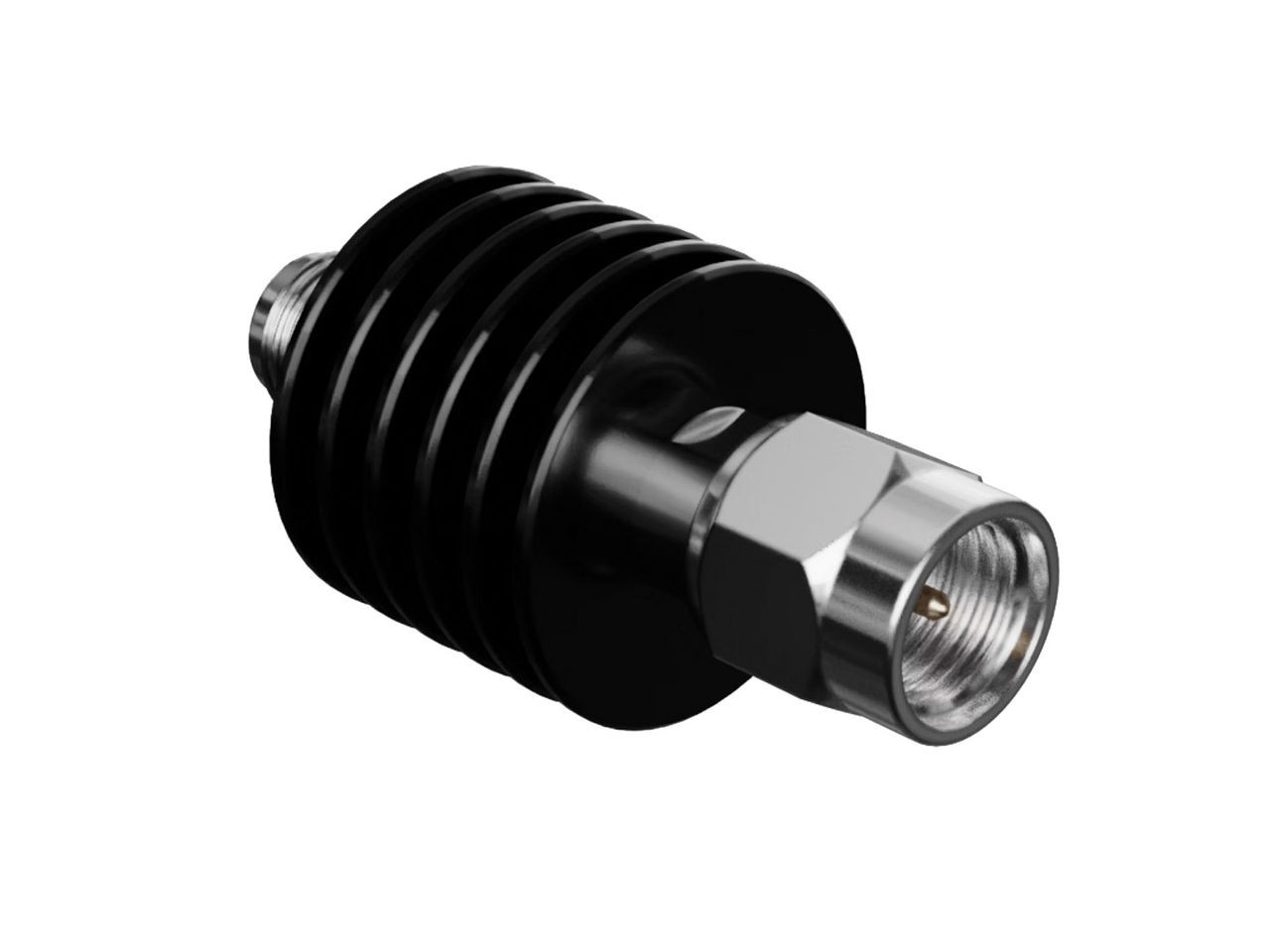
RF Coaxial Attenuators from Molex are engineered for high-accuracy attenuation and predictable signal control, providing reliable power reduction to ensure consistent system performance and measurement confidence. Varied options for the frequency range and connector interface help maintain compatibility and reliability across multiple applications. Rugged construction ensures durability and stable long-term operation in applications subject to mechanical stress, shock, vibration and temperature extremes.
Applications by Industry

Global positioning system (GPS) devices
Radar systems
Simulation systems

Test environment applications

Counter-IED systems
Electronic warfare systems
Military aircraft
Military radios
Missile defense systems
Satellite communication (SATCOM) uplinks
Ship signal-exploitation devices

Broadcasting and multimedia devices
Mobile network testing equipment
Network analyzers
RF Antennas
Signal generators
Spectrum analyzers
Test and measurement equipment
Wireless communications test systems

5G/6G backplane testing
Automated test equipment
Chipset validation equipment
High-speed datacom applications
mmWave systems
Radar systems
SATCOM equipment
Vector network analyzer benchtop testing setups

4G/5G/6G test and measurement equipment
Cell-site infrastructure
Distributed antenna systems
In-flight wireless systems
Point-to-point communication systems
Public safety and transportation systems
RF generators
Wireless devices
This is not a definitive list of applications for this product. It represents some of the more common uses.
Frequently Asked Questions
What is an RF coaxial attenuator?
RF coaxial attenuators are passive, precision RF components used to reduce signal power by a specified dB value while maintaining a controlled impedance (typically 50 Ohms), helping engineers set signal levels, prevent overdrive/damage to sensitive components, improve measurement setups and stabilize RF chains by managing levels between stages.
What frequency ranges do Molex RF Coaxial Attenuators support?
RF Coaxial Attenuators from Molex support wide frequency ranges up to 50 GHz (depending on the model/connector). The exact maximum frequency varies by series and connector interface, so engineers should select components based on the published frequency rating for the specific attenuator and connector type used.
How do connector sizes impact power handling in precision RF coaxial attenuators?
Connector sizes and styles can affect RF coaxial attenuator selection because they influence the mechanical interface, typical frequency capability and practical thermal/mechanical constraints. In general, designs optimized for higher frequencies (often smaller, high-precision connectors) may have different power-handling limits than larger, lower-frequency interfaces, so engineers should match the attenuator’s power rating and temperature derating to the application rather than assuming connector size alone guarantees higher power handling.
What are the key specifications to consider when selecting a coaxial attenuator for an RF design?
When selecting an RF coaxial attenuator, engineers should consider frequency range, power handling (derating versus temperature), VSWR/return loss, fixed attenuation value and accuracy (tolerance/flatness), and the connector interface. These parameters directly affect signal integrity, measurement uncertainty and safe operation of a specific application.
How do RF coaxial attenuators prevent equipment overload and minimize waveform distortion in RF systems?
RF coaxial attenuators reduce signal amplitude by a controlled amount to keep downstream components within their safe input range. By helping prevent excessive power from reaching sensitive stages (e.g., low-noise amplifiers, receivers and analyzers), attenuators help avoid compression/overload effects and support more consistent system behavior.
What is the typical power-handling capability of Molex RF Coaxial Attenuators, and how does this affect their use in higher-power applications?
Molex RF Coaxial Attenuators are available in multiple power ratings, depending on the specific component and connector style. For higher-power applications, it is important to match the attenuator’s rated power and follow temperature derating guidance to ensure safe dissipation and stable performance under real operating conditions.
How do Molex RF Coaxial Attenuators help achieve low VSWR, and why is this important in RF applications?
Molex RF Coaxial Attenuators are designed to maintain a controlled impedance match (typically 50 Ohms) to help achieve low VSWR, which reduces reflections. Low VSWR is important because reflections can distort signals, reduce available power to the load and increase measurement uncertainty, especially at higher frequencies.
Can Molex RF Coaxial Attenuators be customized for specific applications, and what customization options are available?
Yes, customization may be available depending on program requirements. Common options can include custom attenuation values, connector interfaces and mechanical/housing variations. Contact Molex engineering to review feasibility, targets and qualification needs.
What environmental conditions can Molex RF Coaxial Attenuators withstand, and how do the attenuators maintain performance in demanding settings?
Molex RF Coaxial Attenuators are designed for reliability across demanding conditions such as temperature variation, mechanical stress and other environment-driven challenges. Performance durability is supported through robust construction and appropriate design/qualification practices for the intended market (e.g., test and measurement, high-reliability communication systems and wireless infrastructure).
How can RF coaxial attenuators be integrated into an existing RF system, and what considerations should be addressed?
Integration starts with selecting an attenuator that meets system requirements for attenuation value, frequency range, VSWR, power handling/derating and connector compatibility. Additional considerations include stack-up effects (adapters/cables), available physical space and how the attenuator will be used (inline leveling, protection, calibration or test-point conditioning).