

Person checking biometric readings on a smartwatch with a digital health interface.

Connectors for Wearable Devices

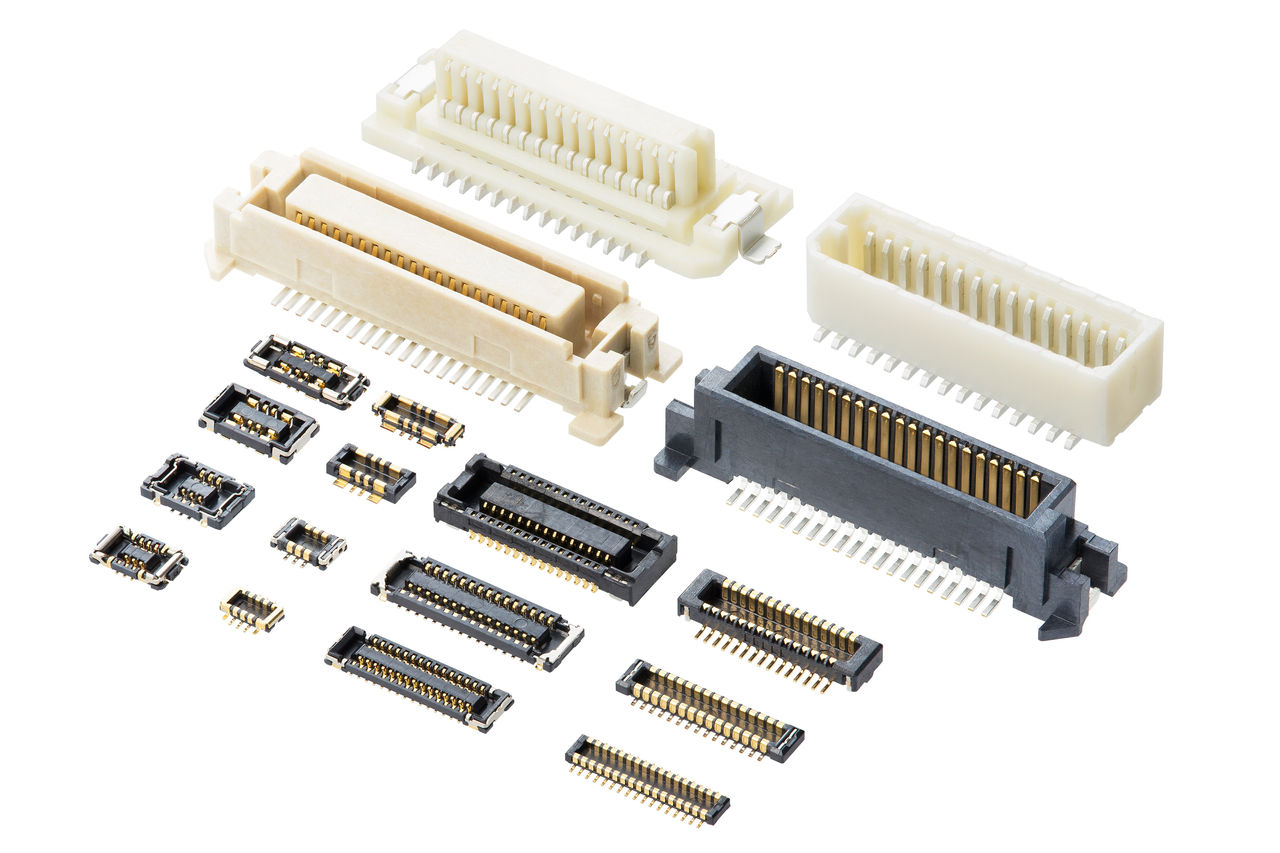
Next-generation wearable devices must deliver more features in smaller spaces without sacrificing durability, power delivery or signal integrity. Engineers need low-profile connectors that handle mechanical stress, efficiently deliver power and minimize RF interference. Molex hybrid connectivity solutions meet these demands, enabling compact designs without forcing compromises between size, fast charging and high-frequency performance.

Solving Connectivity Engineering Challenges in Wearable Device Design


Wearable devices are especially vulnerable to mechanical stress during assembly, where off-axis mating can damage connector housings, bend pins and lower manufacturing yields. Modern fast-charging requirements introduce another constraint by increasing current density in layouts with little room for heat dissipation. Meanwhile, dense internal architectures create EMI crosstalk that complicates standard connector placement.

Overcoming these challenges requires interconnects designed for both mechanical resilience and electrical efficiency. Reinforced housings and internal self-alignment features help connectors absorb mating stress, while high-deflection contact springs support reliable engagement in compact layouts. Hybrid architectures establish dedicated power paths, and as signal density rises, shielding and impedance control become essential for preserving performance.

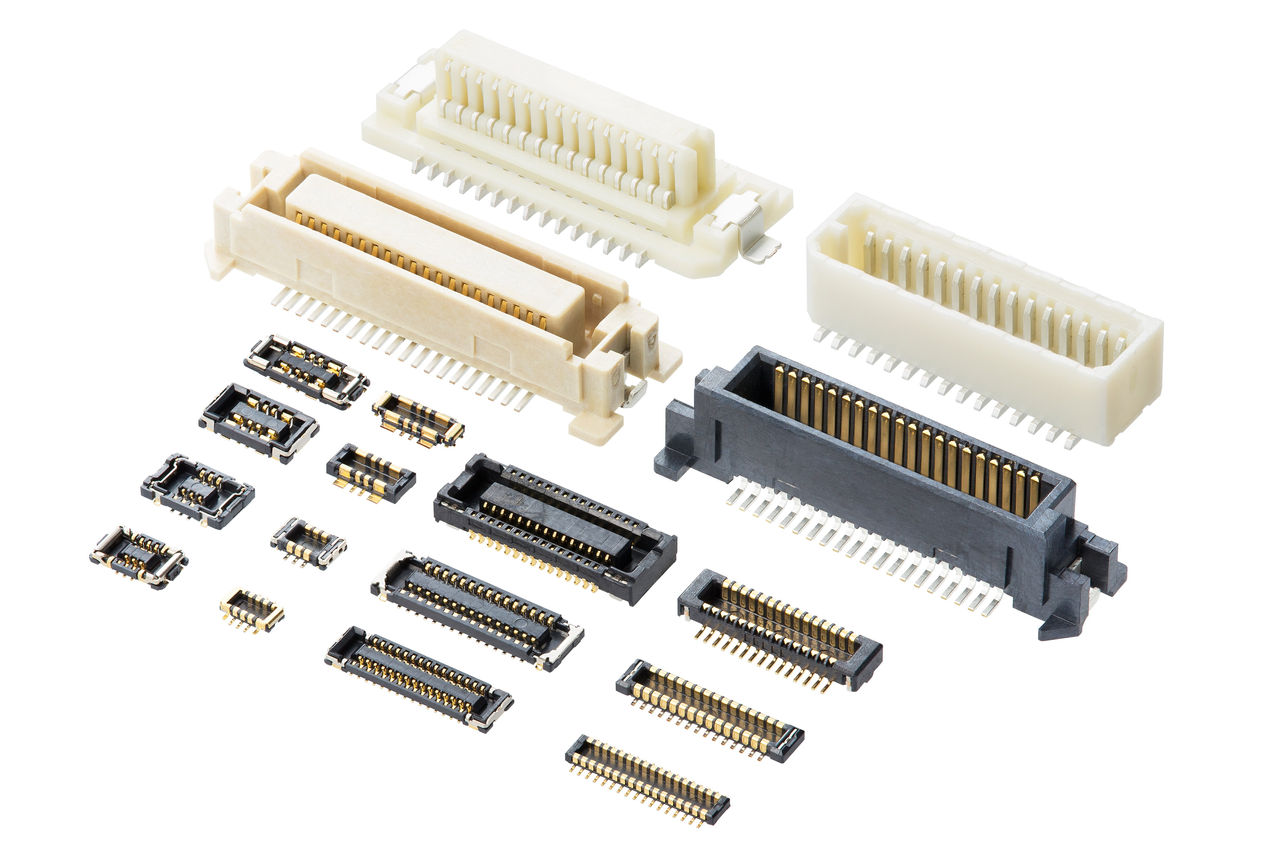
Molex armored board-to-board connectors maintain reliable contact under demanding assembly conditions. Fine-pitch hybrid designs combine power and signal paths in a single PCB footprint, while fully shielded interconnects help reduce EMI in dense assemblies. Additionally, Molex offers custom design services to adapt connector geometry to space-constrained and non-standard wearable architectures.

Applications for Wearable Device Connectors

Earbud Design

Consumer expectations for high-fidelity sound, longer battery life and smart features are driving an earbud design challenge: How do you fit all these features into such a compact device? Find out how miniaturized connectors from Molex aid the design of wireless earbuds, freeing up more space for advanced new features.

Smartwatch Design

Discover connectivity solutions designed to address the challenges of smartwatch design, from miniaturization to power efficiency. Designers can create sleek, reliable and feature-rich wearables with advanced PCB-space savers like Quad-Row Connectors from Molex.

Mixed Reality Glasses Design

Discover how MR Glasses design challenges, from miniaturization to enhancing immersive experiences, can be overcome with advanced connectivity solutions. Enable sleek, reliable, and high-performing mixed reality experiences with innovative solutions that can save up to 30% space.

VR Headsets and Controllers Design

Immersive experiences and responsive controls are pushing the boundaries of VR design. How do you integrate high-speed connectivity and seamless feedback into compact headsets and controllers? Discover how miniaturized connectors from Molex enable advanced VR designs, optimizing space while enhancing performance and interaction.

Engineering Resources and Design Insights for Wearable Device Electronics 


Solving for Miniaturization and Mechanical Stress in Wearable Enclosures

Ultra-compact connector bodies can crack or peel when thin housing walls face blind-mating shear forces and assembly strain. This requires reinforced interconnects with self-aligning features and compact PCB footprints that can absorb stress without consuming valuable internal space. Molex micro-connectors use integrated steel armor and space-saving mid-mount designs to protect housings while leaving more room for components such as larger batteries.

Kota Kamezaki, Group Product Manager at Molex, collaborates on connector development for the Quad-Row micro connector in an office setting.

Power and Signal Integrity in Compact Wearable Device Applications


Managing High-Current Power and Thermal Dissipation

Fast charging in compact wearables can create localized heat that disrupts optical biosensor accuracy and can cause skin discomfort. A successful design requires low-resistance power paths and connector structures that help move heat away from sensitive circuitry. Molex fine-pitch hybrid connectors route charging current through dedicated power contacts while isolating signal paths and supporting heat dissipation through the PCB ground structure.

Molex SlimStack Board-to-Board Connectors in multiple sizes and configurations.

Optimizing Compact 5G RF Connectivity

Incorporating 5G antennas alongside power and display circuitry can introduce interference that degrades receiver performance. Preserving signal integrity requires tightly controlled RF paths and effective shielding without taking up additional space. Molex fully shielded hybrid interconnects combine RF, power and signal connectivity in a single footprint, reducing the need for separate shield cans.

Molex 5G mmWave RF flex-to-board receptacle and plug connectors.

Solving Key Engineering Challenges in Wearable Device Design


Maximizing Reliability in Wearable Devices

Repeated exposure to daily wear, moisture and cleaning solvents can corrode sub-board contacts, increasing the risk of electrical shorts. Sealed interconnects resist fluid ingress while protecting contact surfaces from long-term degradation. Molex corrosion-resistant interfaces combine low-porosity gold-palladium plating, molded micro-gaskets and tail-potting methods to help preserve connection reliability, reducing device failures and warranty returns.

Person wearing a smartwatch while tying running shoes outdoors.

Ensuring Successful High-Volume Manufacturing and Assembly Yields

Incomplete flexible printed circuit (FPC) insertion and board-level warpage during surface-mount technology (SMT) processing can lead to solder defects, weak retention and higher scrap rates. Improving assembly yield calls for connectors designed for manufacturability (DfM), making cable seating easier to verify while maintaining tight terminal coplanarity (0.10mm maximum) through automated processing. Molex cable-guided housings and zero-insertion-force actuators provide positive locking and clear alignment feedback to boost high-volume assembly yields.

Automated soldering equipment assembling components on small printed circuit boards.

Advancing Smart Device Connectivity

Routing separate flex connections for displays, cameras, sensors, RF subsystems and batteries can consume valuable enclosure space and increase component complexity. Engineers need high-density interconnect architectures that consolidate multiple functions in limited PCB footprints. Molex hybrid interconnects combine high-speed data, power and RF connectivity into a single compact interface to simplify internal routing and make room for other device functions.

Smart device circuit board showing multiple Molex connector locations beside the device battery.

Custom Connector Development for Wearable Devices

Non-standard enclosures and tightly packed internal layouts can make off-the-shelf connectors difficult to integrate. Custom guide geometries, stress modeling and rapid prototyping help engineers validate tailored interconnect architectures earlier in the design cycle. Molex custom housings, specialized plating and flex assemblies support precise fit, reliable signal performance and faster development of application-specific connections.

Engineers at a table reviewing plans.

Additional Connectivity Resources for Wearable Devices


Application

Accelerate Innovation in Wearable Medical Devices

Late-stage mechanical mismatches, material compatibility issues and manufacturing re-spins can delay wearable device launches. Early system-level support helps align interconnect design, skin-contact materials and production requirements before they become costly downstream problems. Learn how Molex combines flexible electronics, custom interconnects, DfM expertise and rigorous quality processes to support device fit, patient safety and faster commercialization.

Person wearing a medical sensor patch on the upper arm.

BLOG

Miniaturization for AR/VR Headsets

High-resolution displays, eye tracking and high-speed data routing place heavy demands on compact, weight-sensitive headset designs. Ultra-low-profile (sub-0.50mm-height) interconnects with integrated shielding and high-current capability help preserve performance without adding unnecessary bulk. Discover how Molex miniaturized connectors support cleaner signal transmission, smaller PCB footprints and more balanced headsets that improve user comfort.

Person wearing a virtual reality headset in a colorful immersive environment.

BLOG

Overcoming Medical Wearable Design Challenges

Medical wearables must balance battery capacity, dense sensor integration and reliable wireless performance in space-constrained, lightweight designs. Fine-pitch interconnects, hybrid power routing and 360° RF shielding help manage those competing demands without forcing late-stage design compromises. Learn how Molex system-level connectivity can preserve signal integrity, maximize battery space and support dense multi-sensor architectures.

Person checking a wearable glucose sensor on the upper arm with a handheld reader.