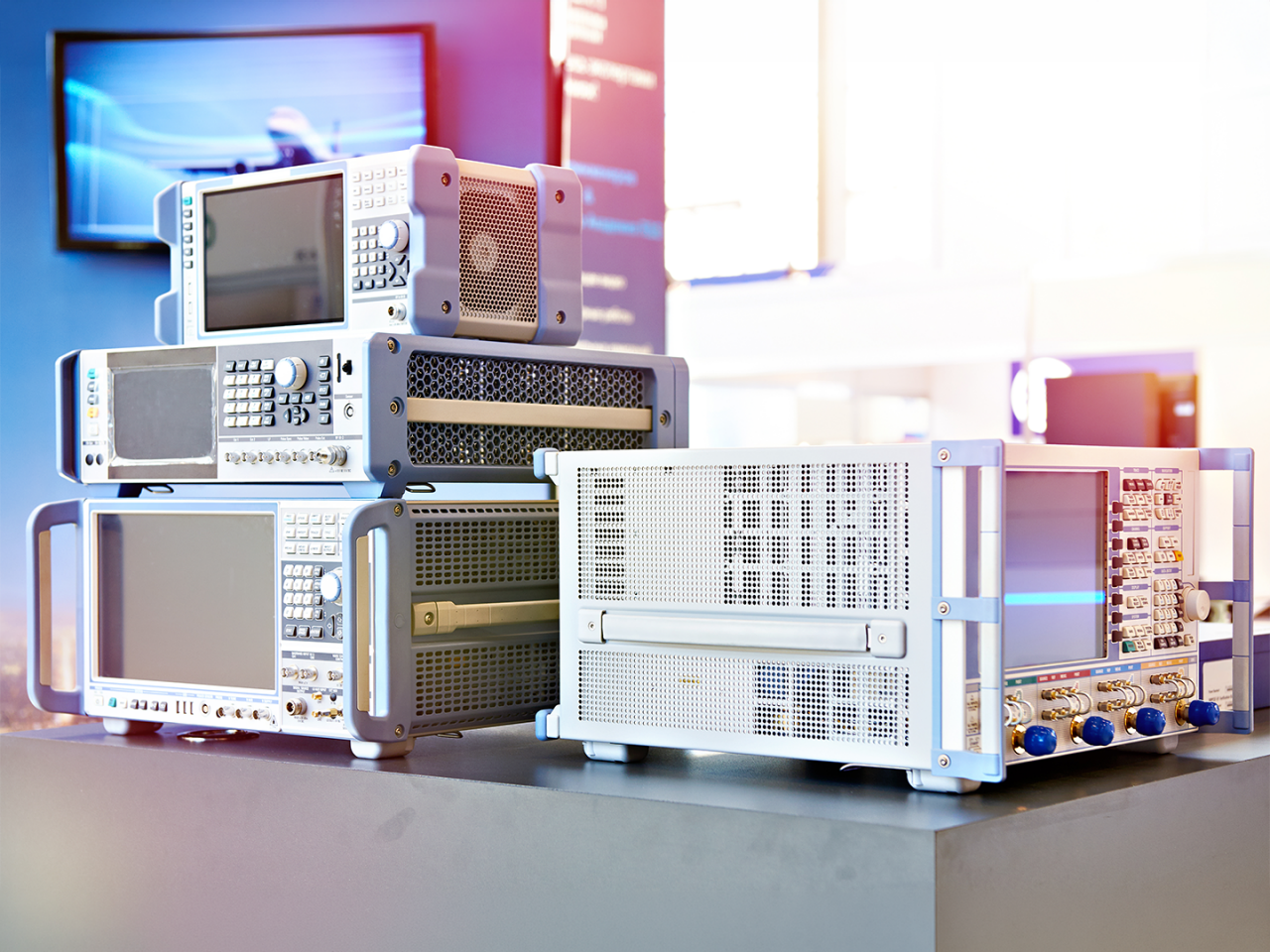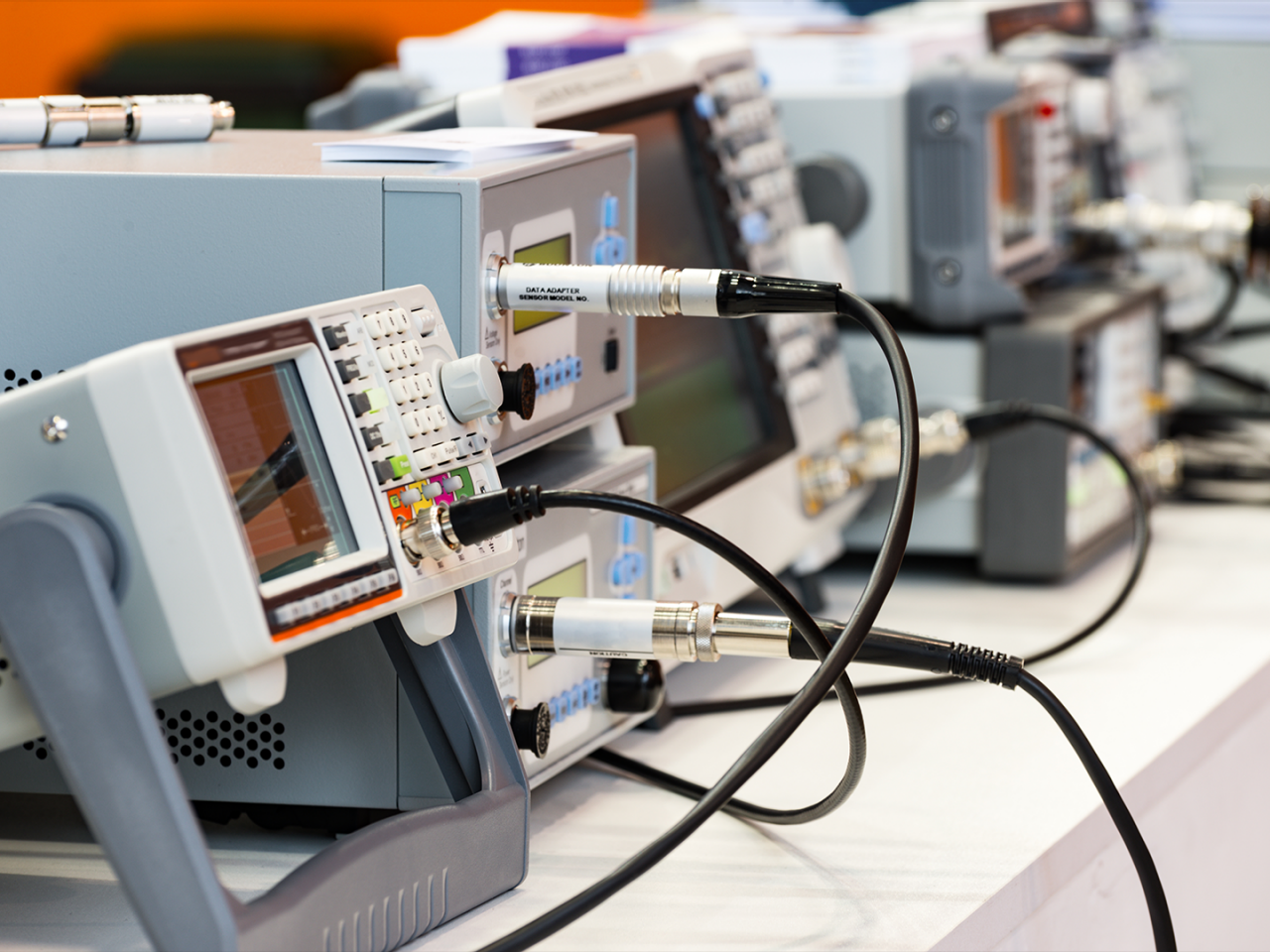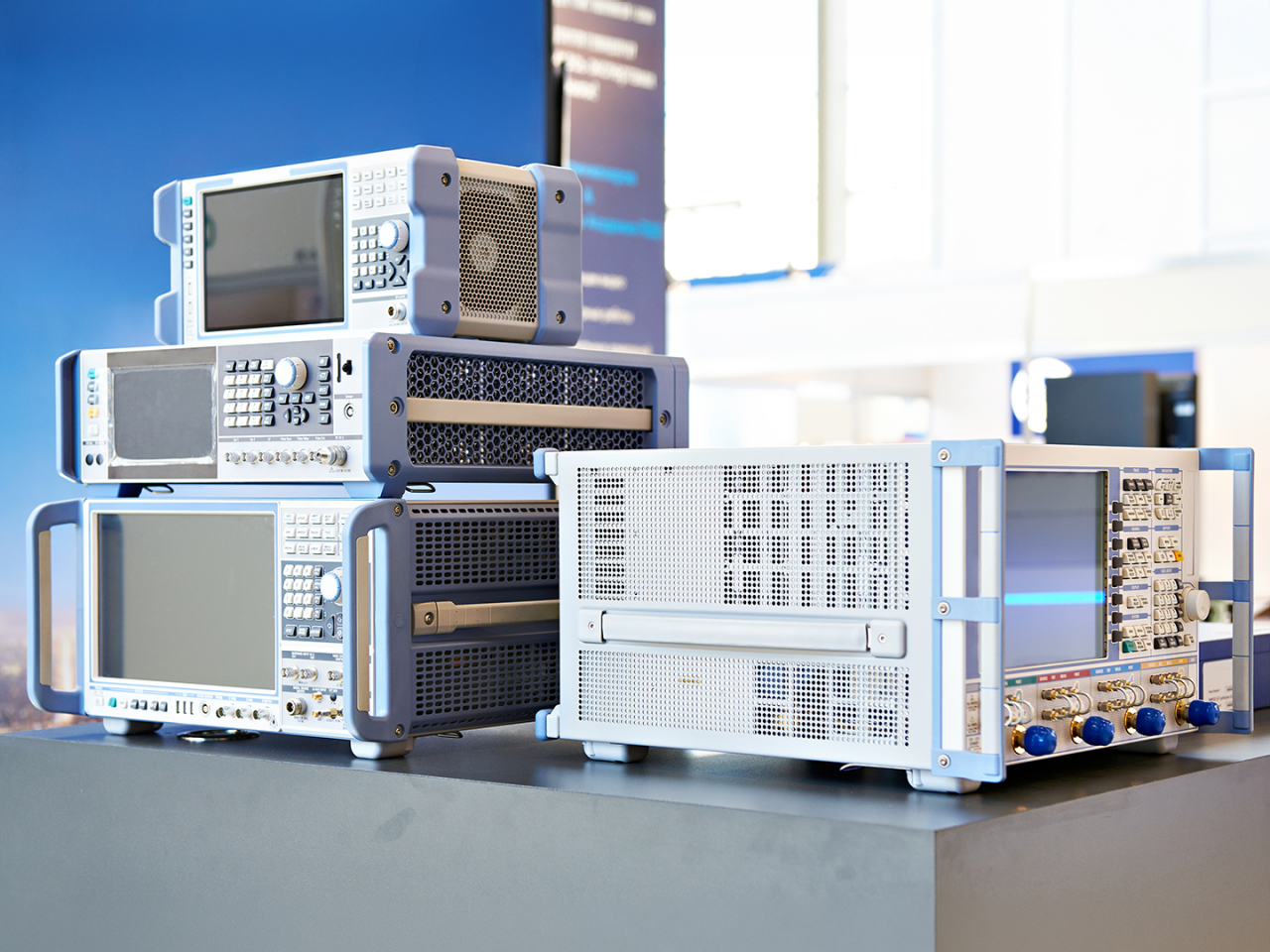
Digital spectrum analyzer and RF test equipment display signal measurements in an electronics laboratory.

Solution Guide

RF Connectors, Cables and Passive Components for Test and Measurement

The RF testing landscape is evolving rapidly as 5G/6G and radar technologies push frequencies to 110 GHz and beyond. In these advanced setups, connectors function as vital measurement elements. Engineers face the challenge of balancing measurement accuracy with physical durability. They also navigate signal complexity and setup sensitivity to maintain lab-to-production correlation. Exceptional phase stability and high mating cycle durability stand out as top priorities for these testing environments.

Meeting Changing Testing Requirements


Interconnects are the catalyst for RF testing innovation, enabling modern systems to function reliably. Engineers expect solutions that offer exceptional phase stability and withstand high mating cycles. These components also need to adapt to dense multi-port configurations without degrading signal integrity. As testing environments grow more complex, the ability to implement modular interconnect architectures becomes a distinct competitive advantage.

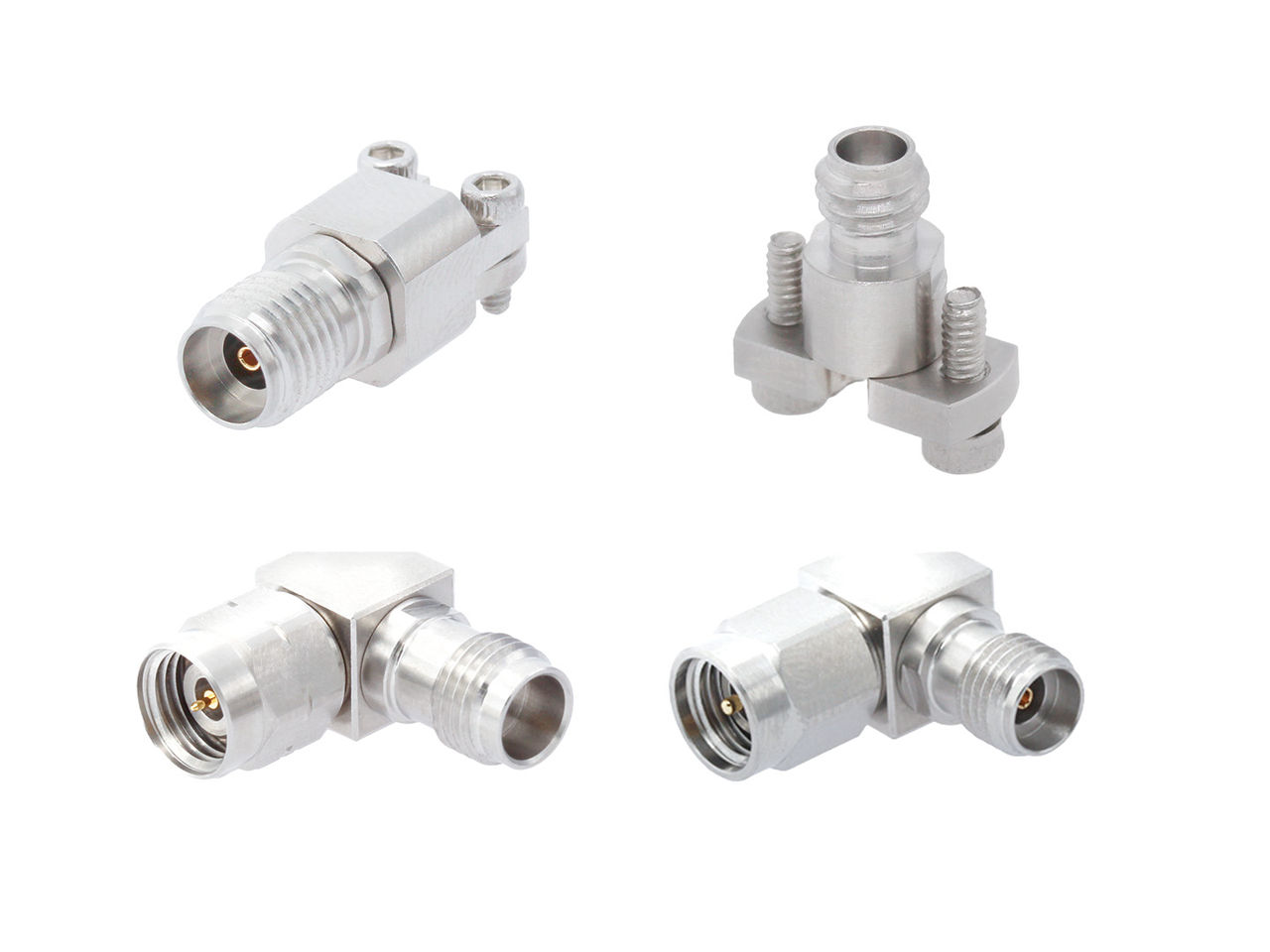
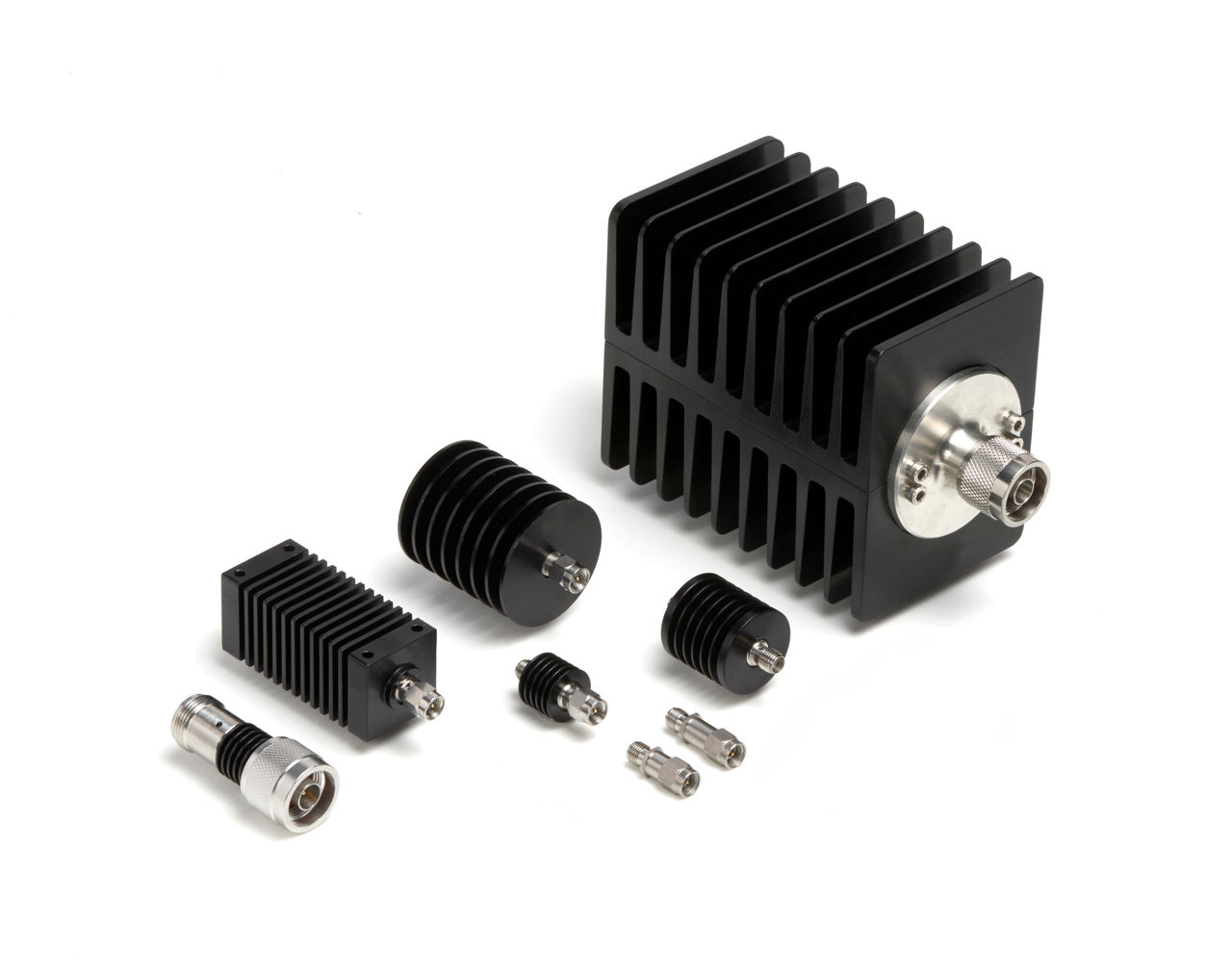
Molex supplies engineers with a comprehensive portfolio of RF connectors for test and measurement that addresses these high-frequency demands. The Molex portfolio of advanced RF connectors and test cables delivers the high-frequency performance required for modern testing environments. From highly accurate precision connectors for lab validation to ruggedized assemblies for automated manufacturing, Molex provides the mechanical flexibility and electrical stability required to advance the next generation of RF testing.
Challenges and Opportunities in RF Test and Measurement


Today’s RF testing landscape is rapidly evolving as the industry embraces higher frequencies and wider bandwidths. The shift toward automated testing and harsh field environments introduces new design challenges. Engineering teams face the dilemma of balancing advanced testing functionality with tighter accuracy targets and greater reliability demands.

High-Frequency Signal Degradation

Frequencies moving into millimeter wave (mmWave) expose the limits of legacy connectors, where interfaces begin to bottleneck overall test capabilities. Small connector imperfections introduce insertion loss and return loss variability, while also causing phase distortion. These factors directly affect error vector magnitude (EVM). At higher frequencies and bandwidths, connector variations directly compromise phase stability and overall system margin.

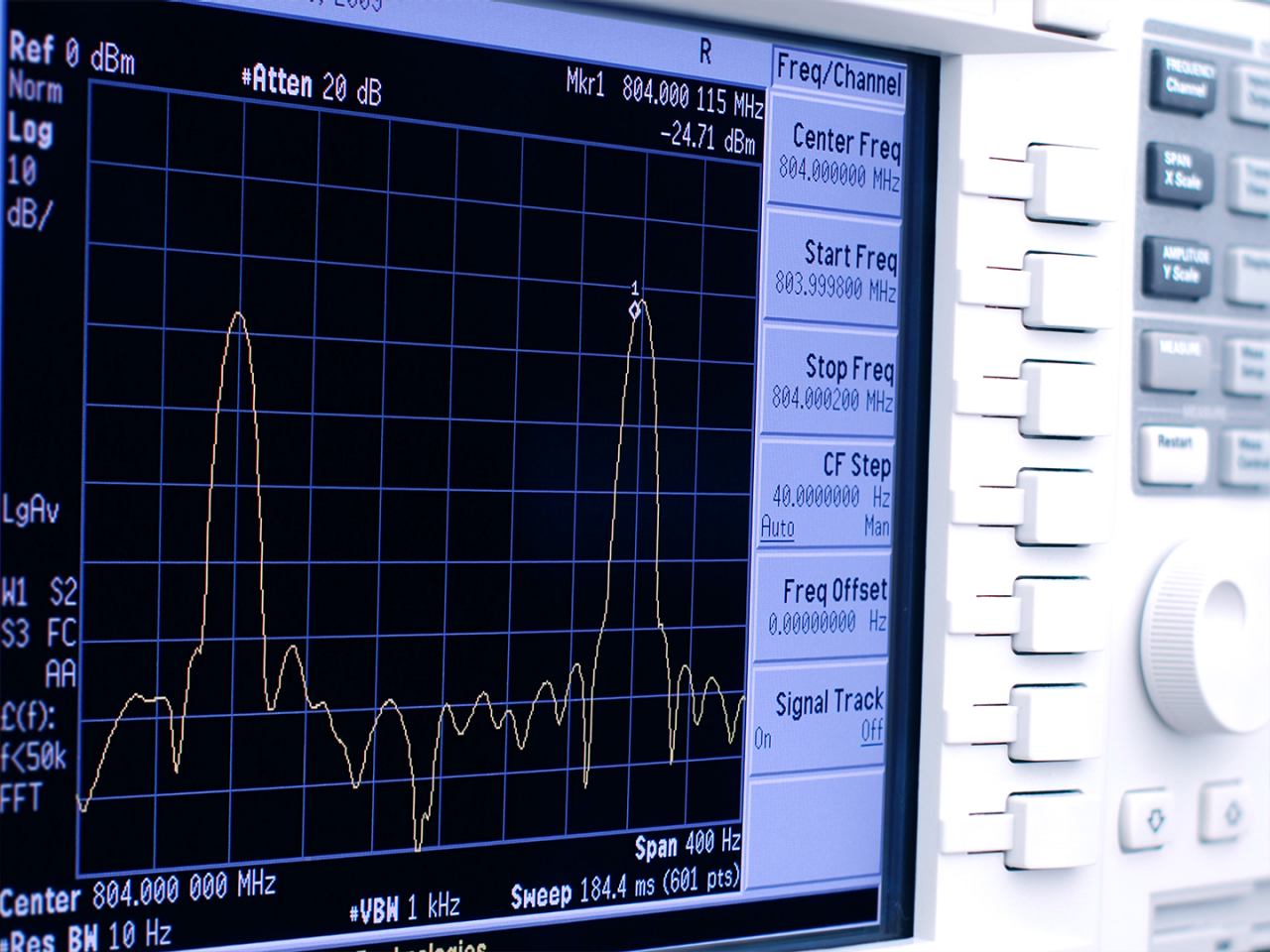
Spectrum analyzer displays RF signal peaks during high-frequency testing and measurement.

Measurement Instability and Transitions

Inconsistent mating and transition errors mimic false device-under-test (DUT) behavior and consume significant debug time. Engineers spend valuable resources determining whether performance issues stem from the device itself or from a connector mismatch. Accurate calibration relies on moving the reference plane directly to the connector to isolate interconnect effects.

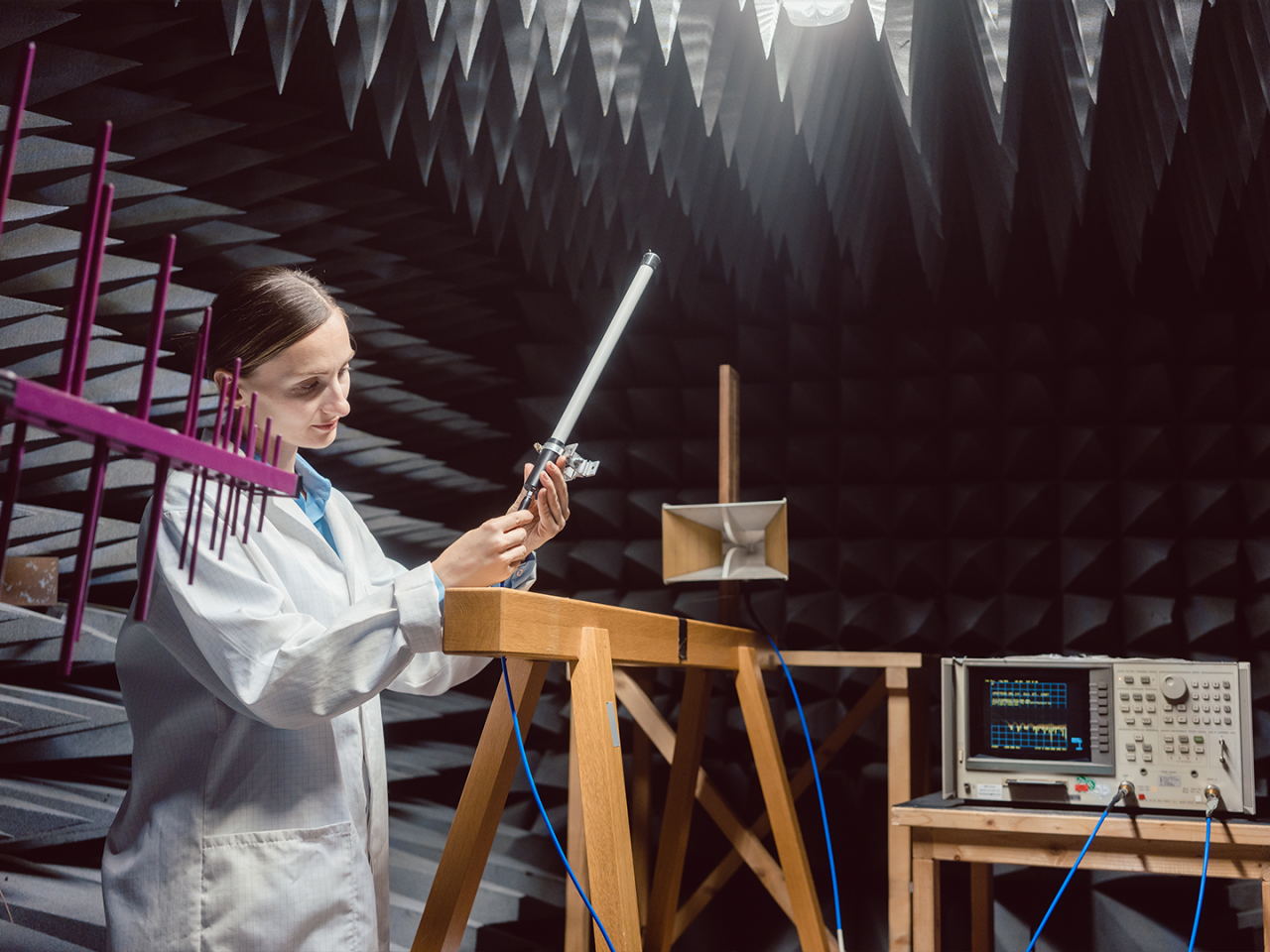
Engineer performs antenna testing with RF measurement equipment in an anechoic chamber.

Physical Wear and Environmental Stress

High cycle counts in automated testing degrade connector performance. This turns durability into a test-system reliability issue rather than just a mechanical concern. Harsh field environments expose equipment to thermal cycling, vibration, moisture and mechanical strain. These factors accelerate interconnect degradation and cause costly downtime.

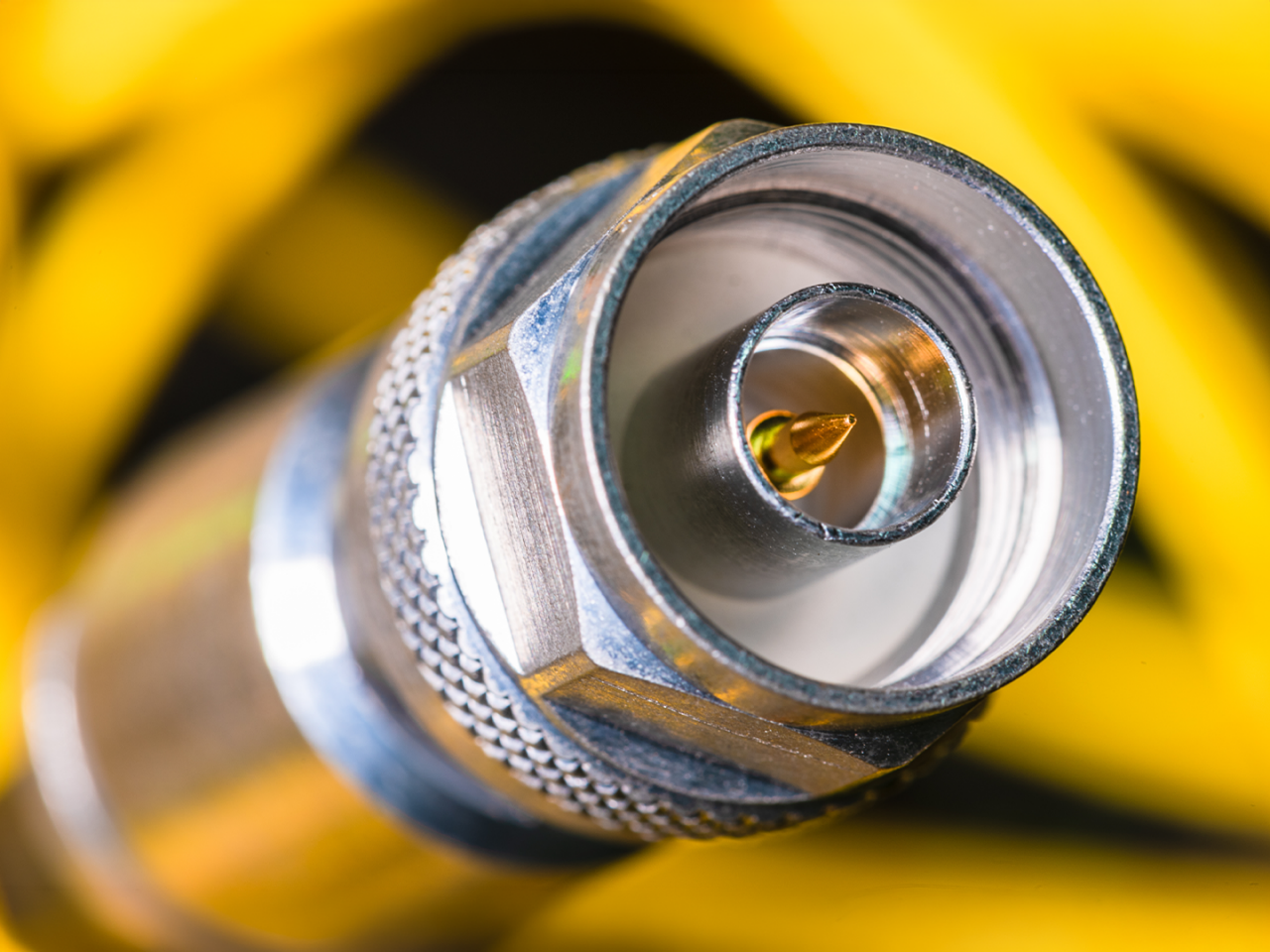
Close-up of a coaxial connector used for RF testing and measurement.

Hardware Obsolescence and Complex Setups

Evolving standards and dense multi-port configurations create lab-to-production correlation issues. Unrecognized connector variations can cause these data discrepancies. Different connector types are often used across design validation labs and manufacturing test fixtures. This split creates measurement offsets and disagreements between lab and factory data. Inflexible setups force costly rework of established test fixtures and interconnect layouts.

The combination of higher frequencies and complex multi-port setups creates a demanding environment for RF design. Success relies heavily on selecting the right RF connectors for test and measurement.

Engineer operates electronic RF test and measurement equipment in a modern laboratory.

Desired Capabilities in RF Connectors and Cables for Test and Measurement


As RF testing systems grow more advanced, expectations rise for the connectors that support them. These systems require components that meet high-frequency data needs while reflecting evolving design priorities, from exceptional signal integrity to modular architectures. Connector systems balance performance with practicality, offering secure and repeatable solutions that align with long-term testing goals.

Exceptional Signal Integrity

Managing connectors as performance-critical components helps preserve phase stability and reduce high-frequency loss. Precision RF connectors and adapters feature tight mechanical tolerances that stabilize the measurement path. This consistency allows engineers to confidently move the reference plane directly to the connector and isolate interconnect effects.

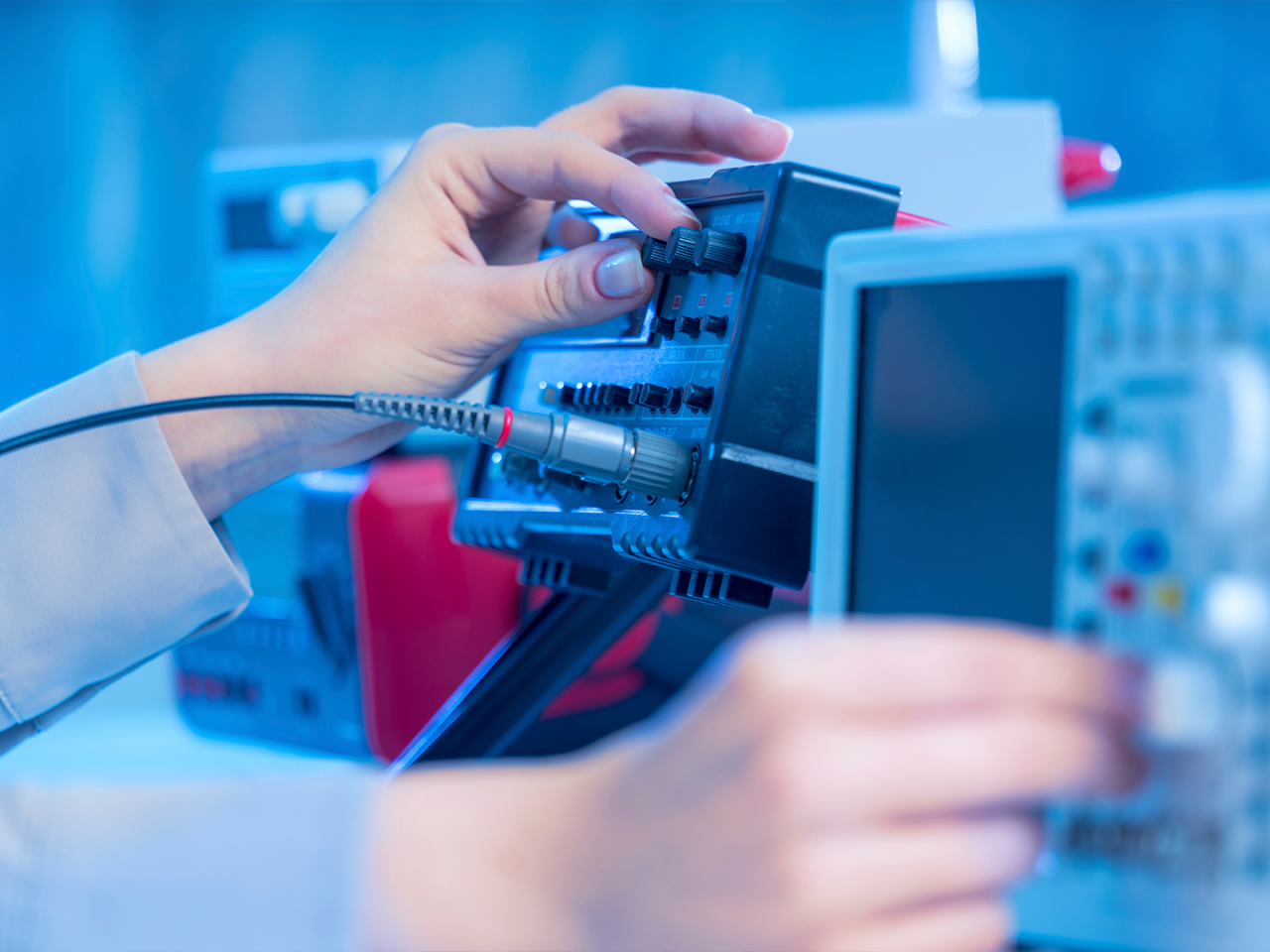
Close up on hand connecting test cables to equipment in a electronics testing lab.

Design for Repeatability and Durability

Precision interfaces minimize torque sensitivity and operator variability. Robust mating mechanics preserve consistent electrical performance despite high cycle counts and physical stress.

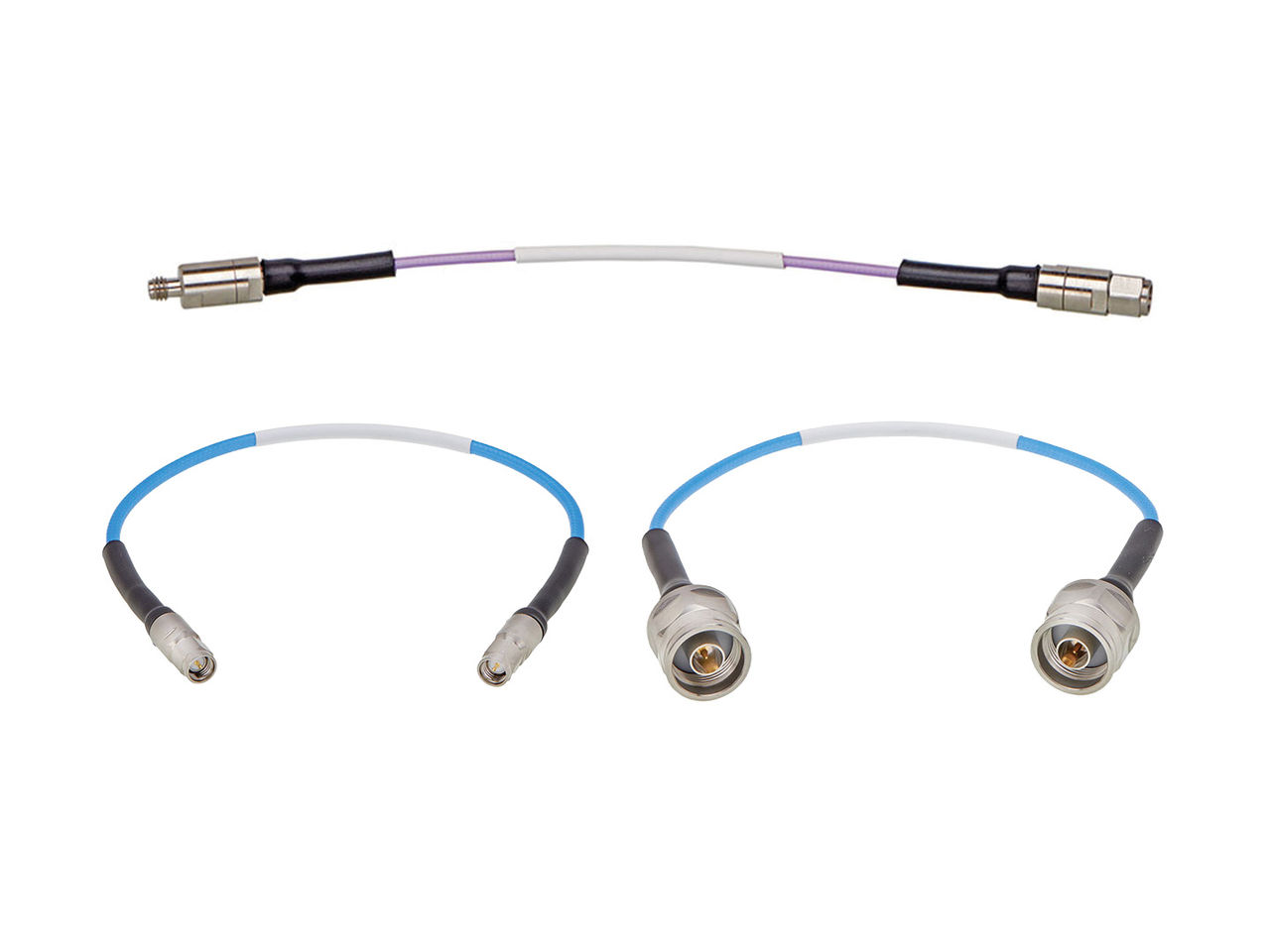
Heavy-duty coaxial cables connect to RF test and measurement equipment.

Modular and Scalable Architectures

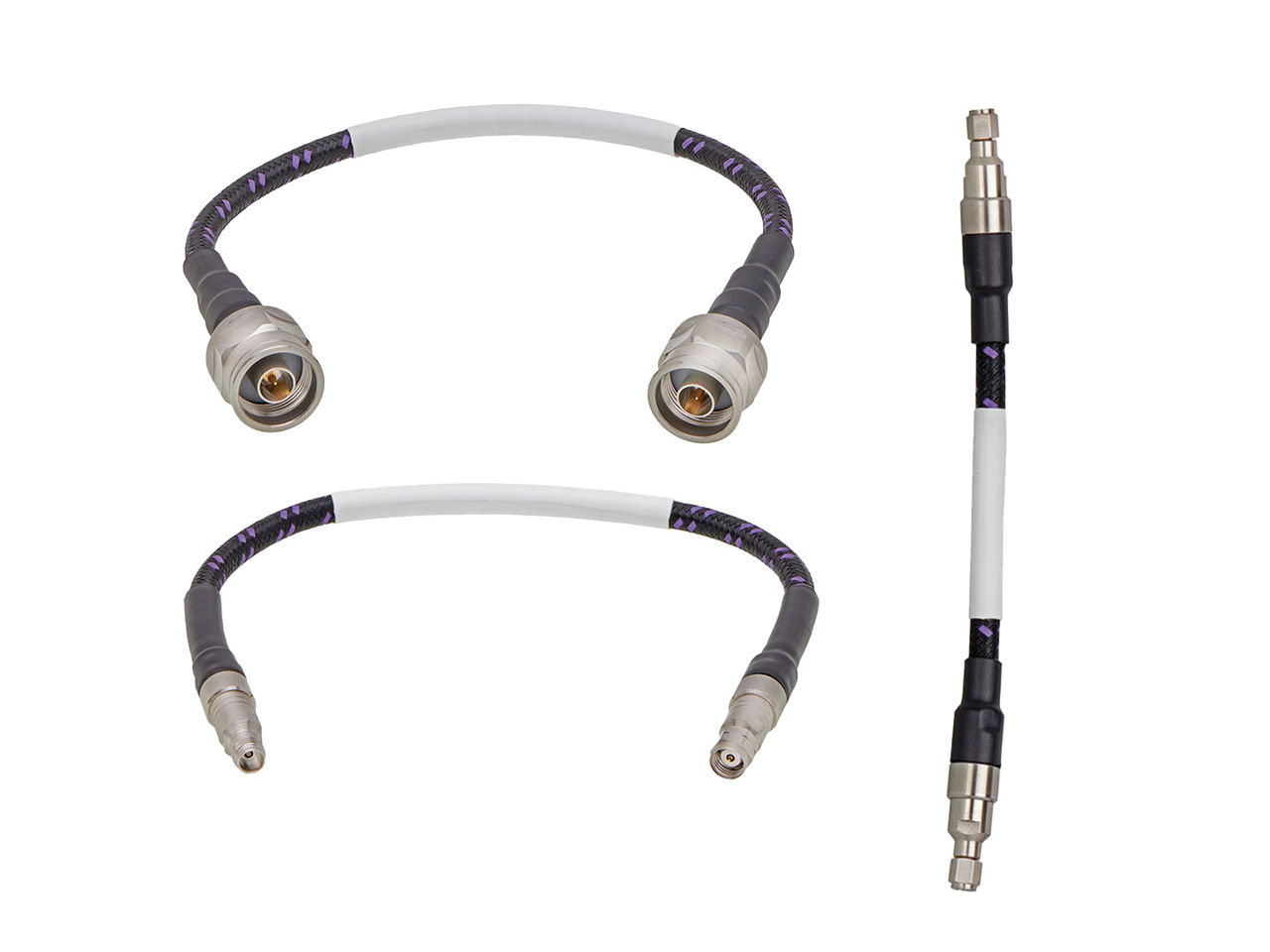
Configurable multi-port-ready interconnects adapt to changing test requirements like 5G/6G and mmWave without rebuilding the entire setup. Solutions like Cardinal Multi-Port Test Cables streamline dense configurations and eliminate the transition errors that often mimic false device behavior.

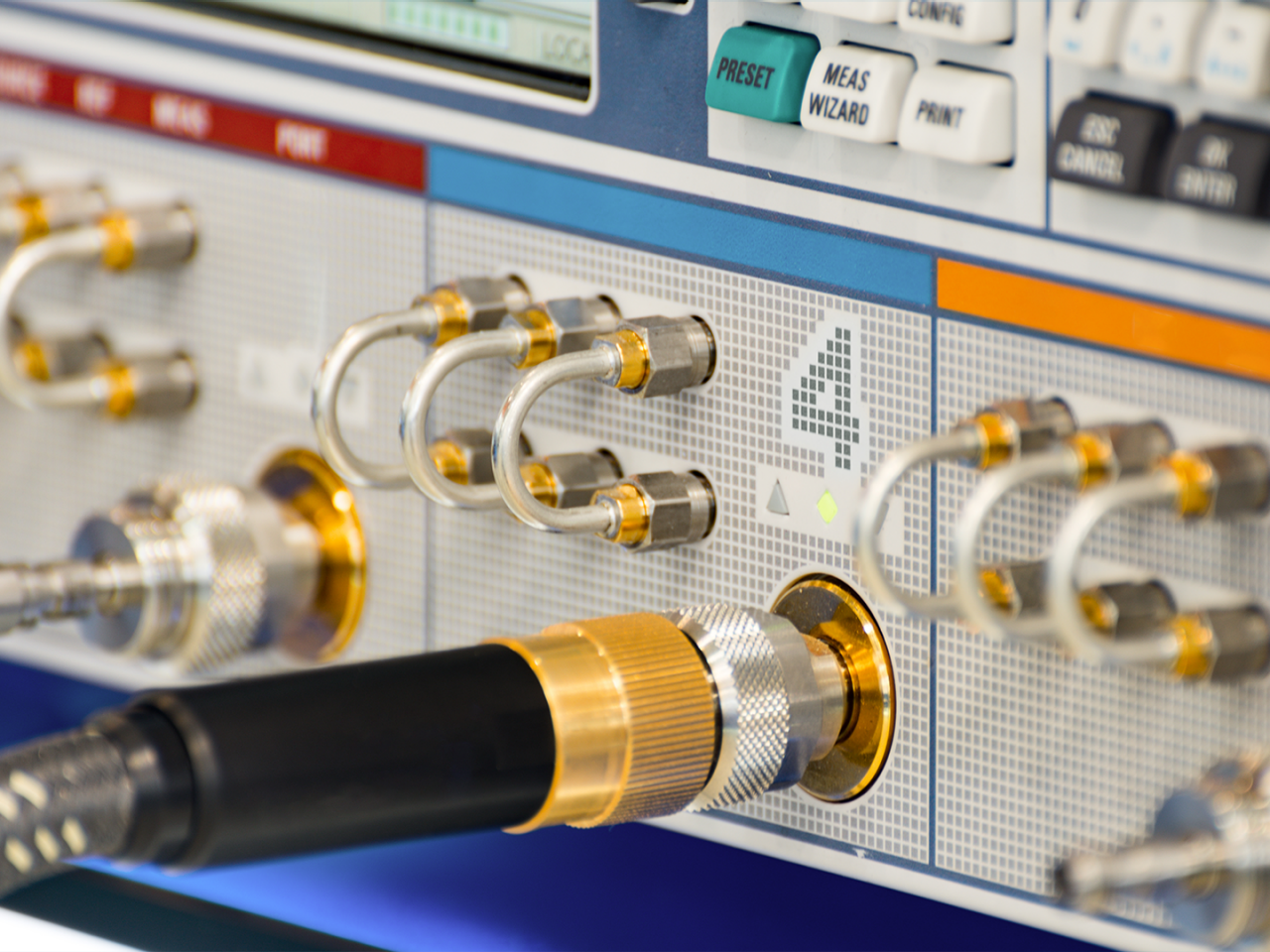
Modern RF test and measurement system with multiple ports for scalable testing.

Proactive Lifecycle Management

Separating highly accurate lab interfaces from ruggedized production interfaces protects hardware. Standardizing connector choices across design validation, production and field test teams improves consistency. This unified approach eliminates the measurement offsets and data discrepancies that frequently occur between the lab and the manufacturing floor.

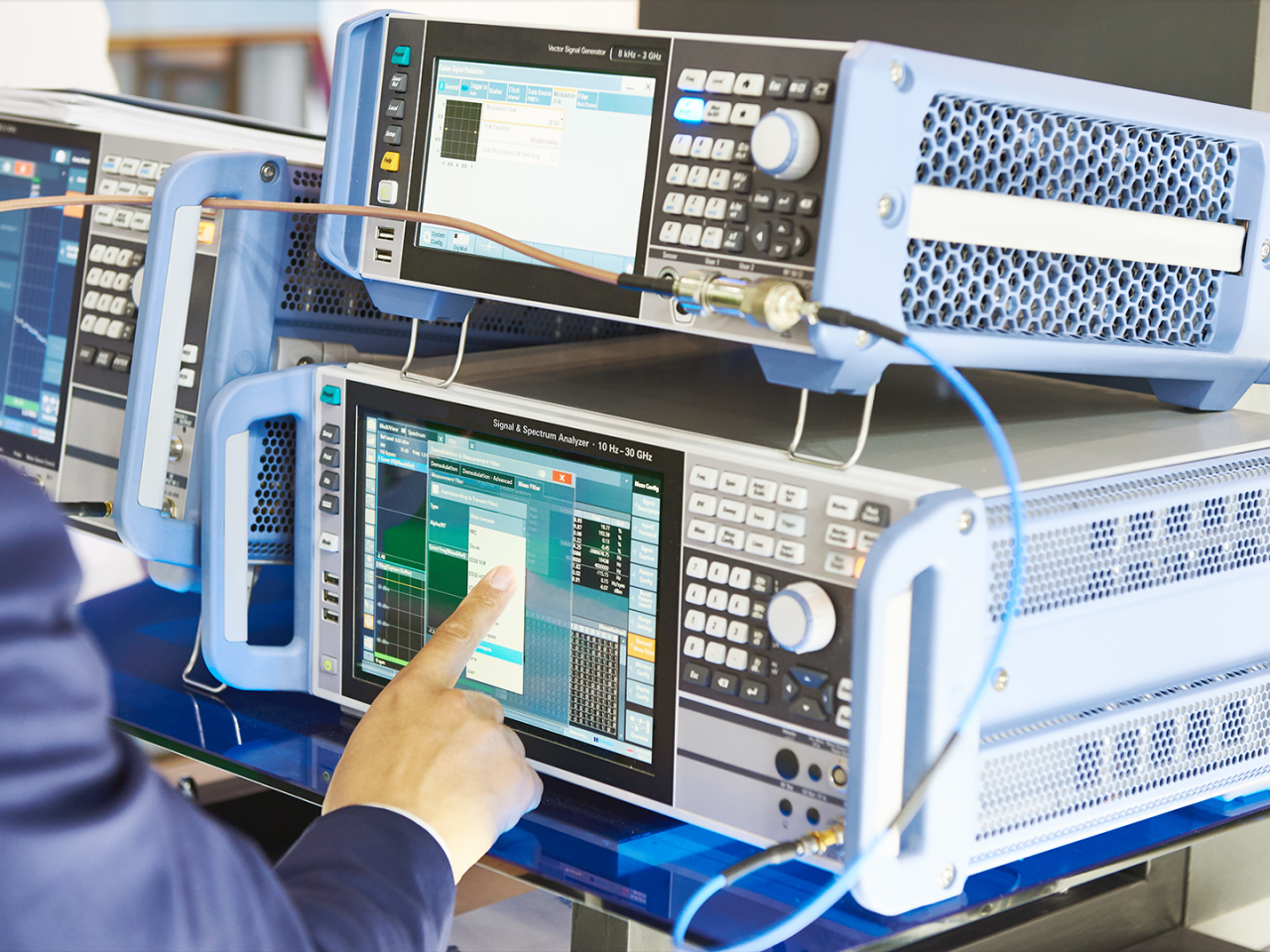
Engineer reviews RF signal measurements on a spectrum analyzer and signal generator in a test laboratory.

RF Testing Innovation Across Applications


From validation labs to production lines and field environments, dependable signal integrity is essential for confident measurements. Molex RF connectors and test-cable solutions help maintain accuracy while supporting the bandwidth, durability and environmental resilience needed for evolving applications.

Lab Validation and Characterization

High-precision connectors and Cardinal Test cables optimize bandwidth and DUT-adjacent calibration. High-frequency capabilities enable chipset validation and next-generation protocol testing.

Digital test and measurement instruments connected by coaxial cables in an electronics laboratory.

High-Volume Manufacturing and Automation

Ruggedized interfaces and highly repeatable assemblies extend cycle life and throughput. These components bridge the gap between lab accuracy and production ruggedness to improve data correlation.

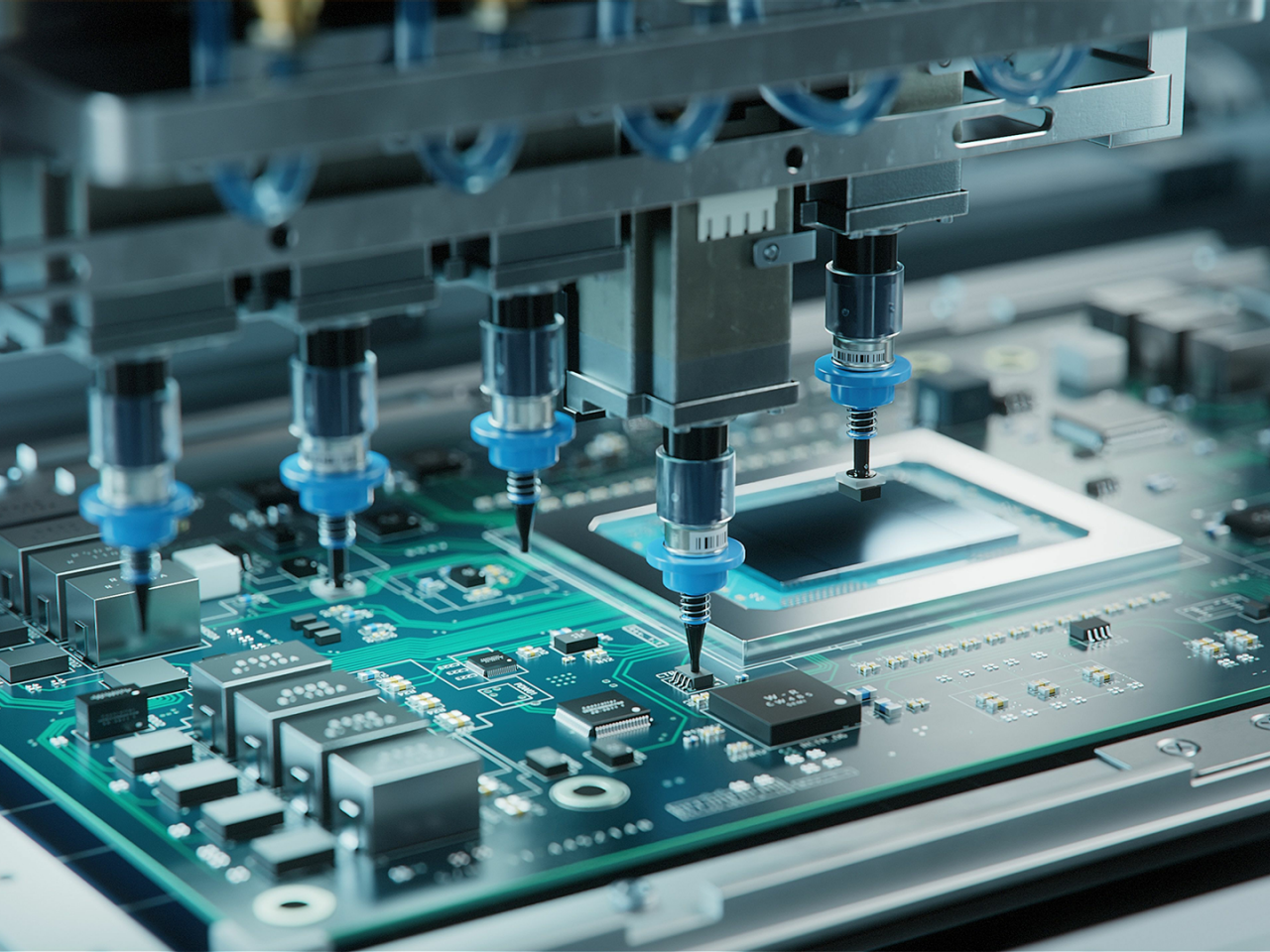
Automated equipment installing components on a circuit board during manufacturing.

Field Testing and Harsh Environments

Armored cables and connectors support outdoor 5G base stations, aerospace equipment, satellite communications (SATCOM) installations and radar systems. High-performance materials withstand extreme temperatures, vibration, moisture and mechanical wear.

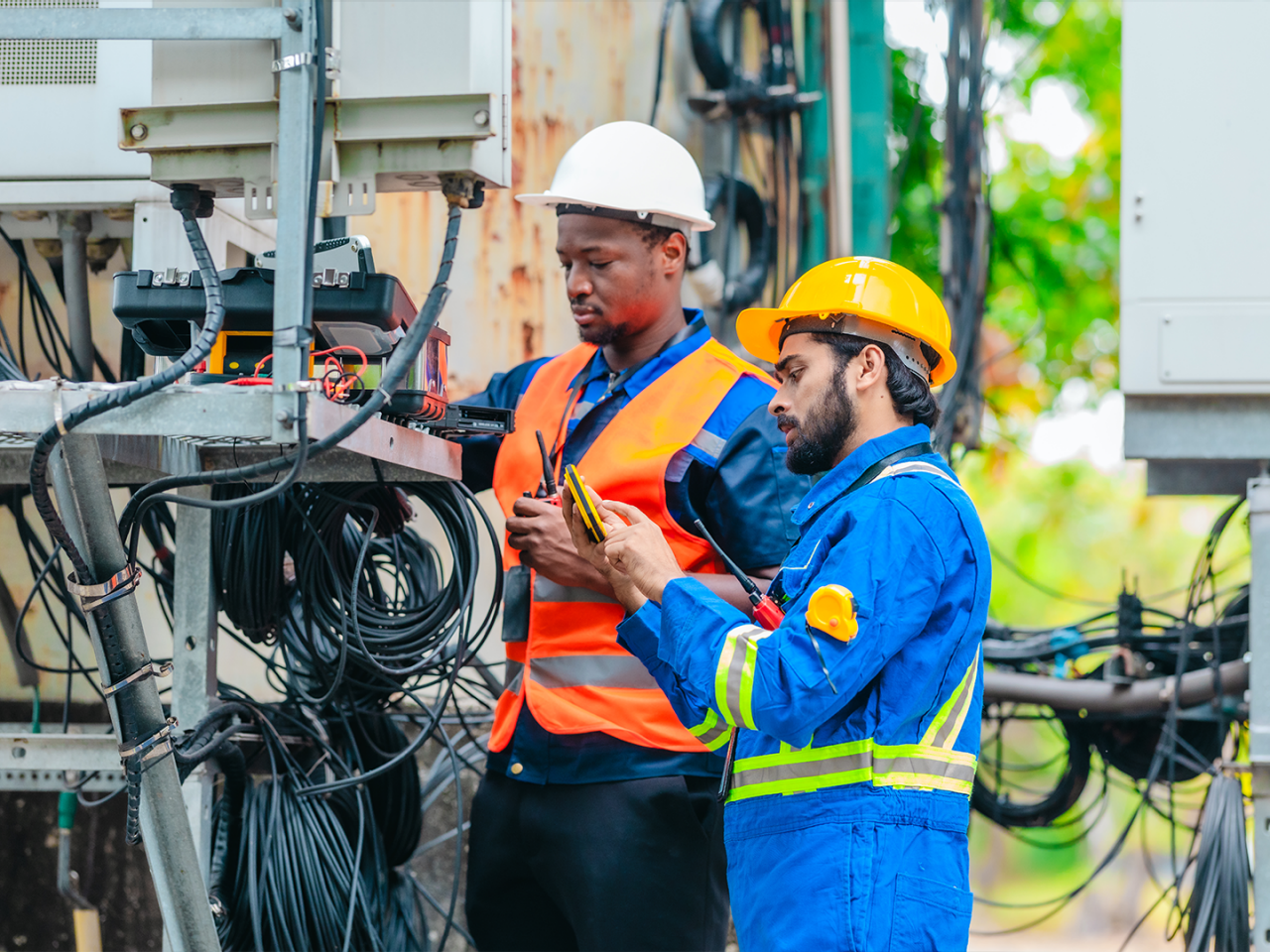
Field technicians inspect telecommunications equipment during on-site network testing and maintenance.

Advancing the Next Generation of Smarter, More Accurate RF Testing


Moving into the mmWave spectrum forces engineering teams to rethink interconnect strategies. Maintaining signal integrity, scaling multi-port setups and bridging the data gap between lab validation and high-volume manufacturing remain top priorities. The Molex portfolio addresses these demands through high-accuracy RF connectors and phase-stable Cardinal cables. These components work alongside modular interconnects to reduce measurement uncertainty and prevent costly test downtime.

Engineering teams trust Molex at 110 GHz and beyond due to vertically integrated manufacturing and proprietary materials science. Innovations like Temp-Flex technology deliver the exacting mechanical precision required to eliminate measurement uncertainty. Treating connectors as performance-crucial RF components empowers engineering teams to accelerate development cycles. Purposeful interconnect management turns overlooked measurement variables into a distinct competitive advantage.

Additional Resources


Blog

Precision RF Connectors for High-Frequency Signal Integrity Testing

As frequencies climb rise into mmWave territory, even the smallest physical defects or improper torque can cause signal loss and varied results. Read about how Molex precision RF solutions maintain low signal loss, stable connections across thousands of mating cycles.

RF test and measurement instruments with multiple coaxial connector ports in an electronics laboratory.