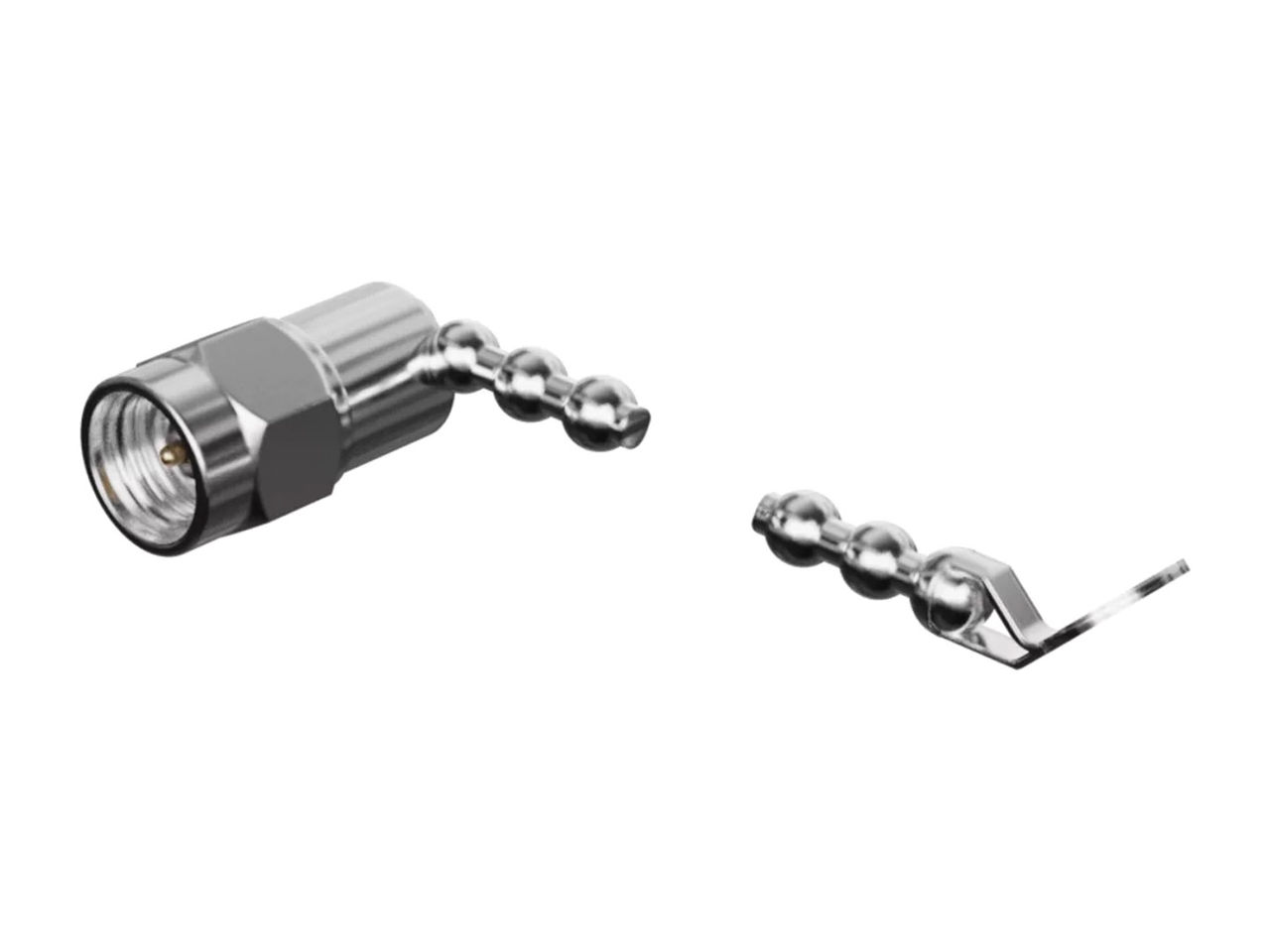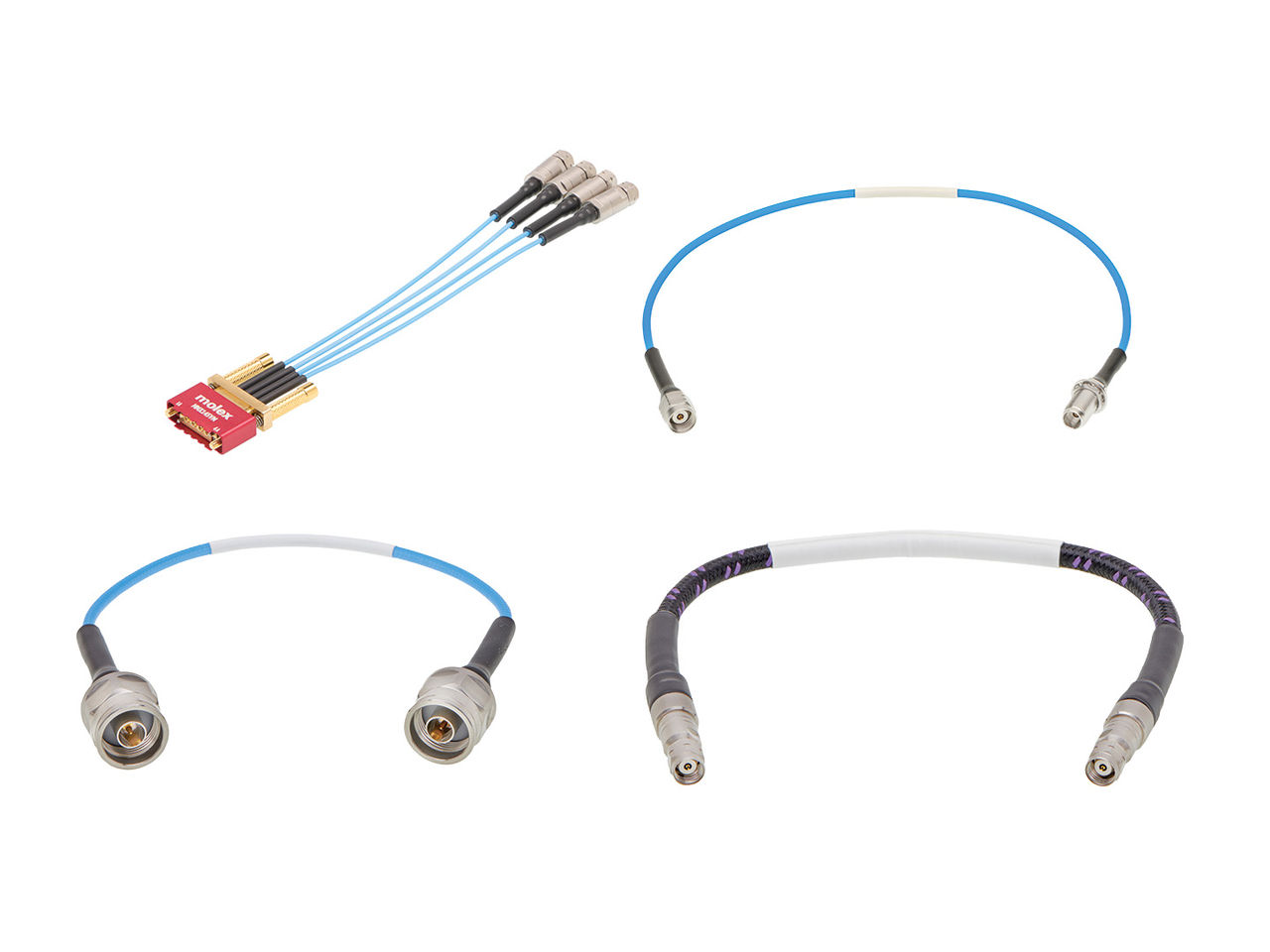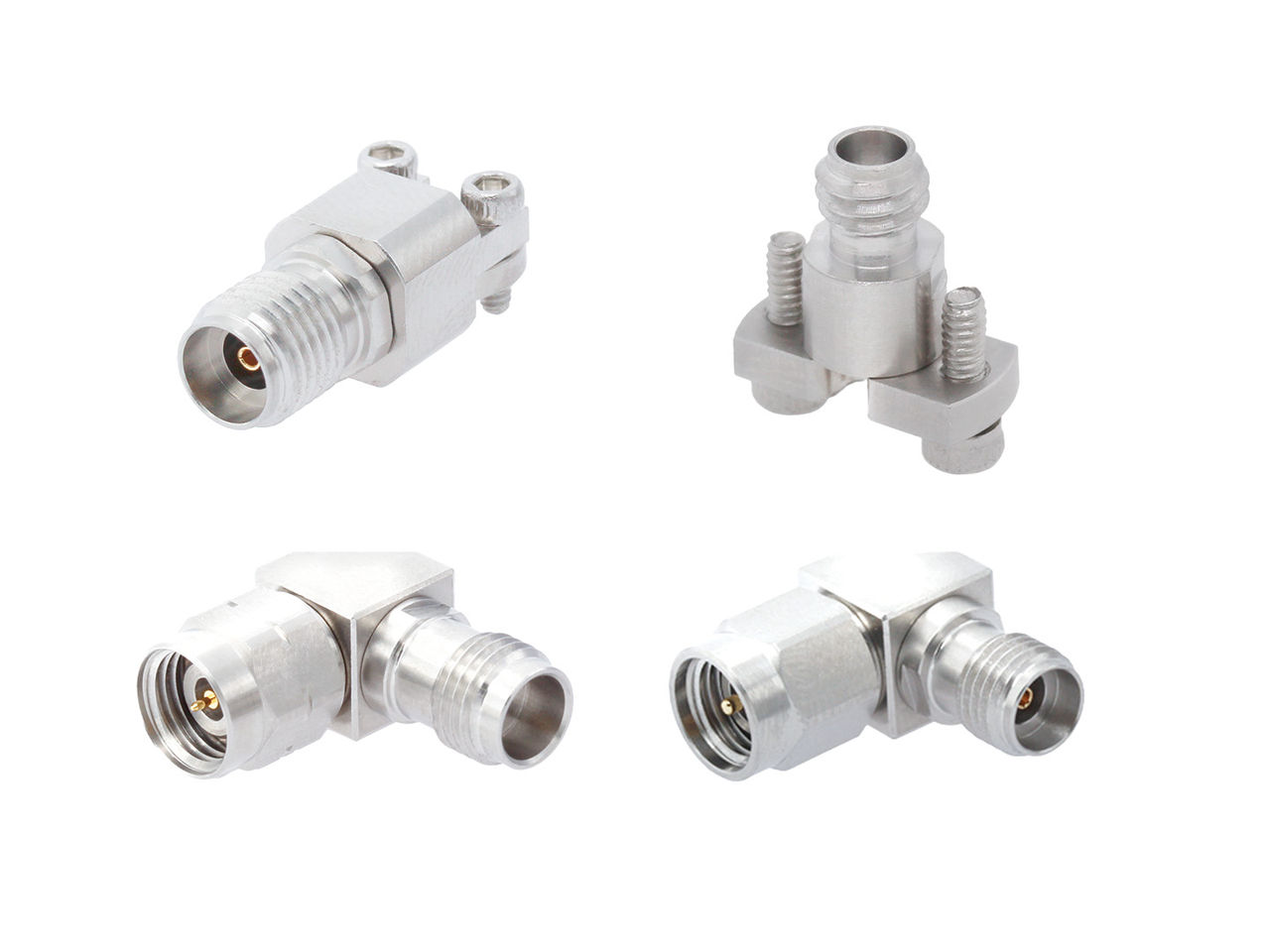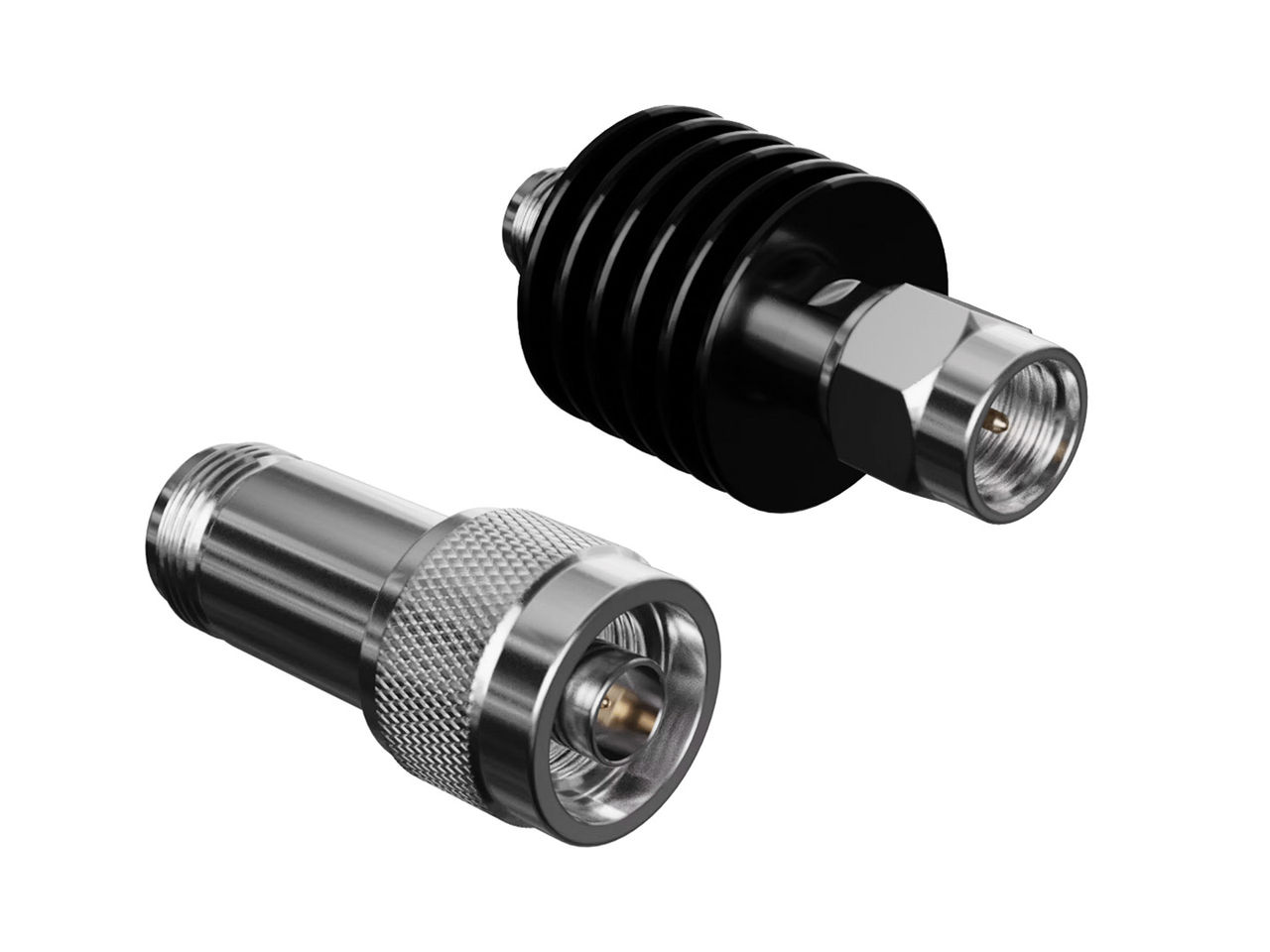
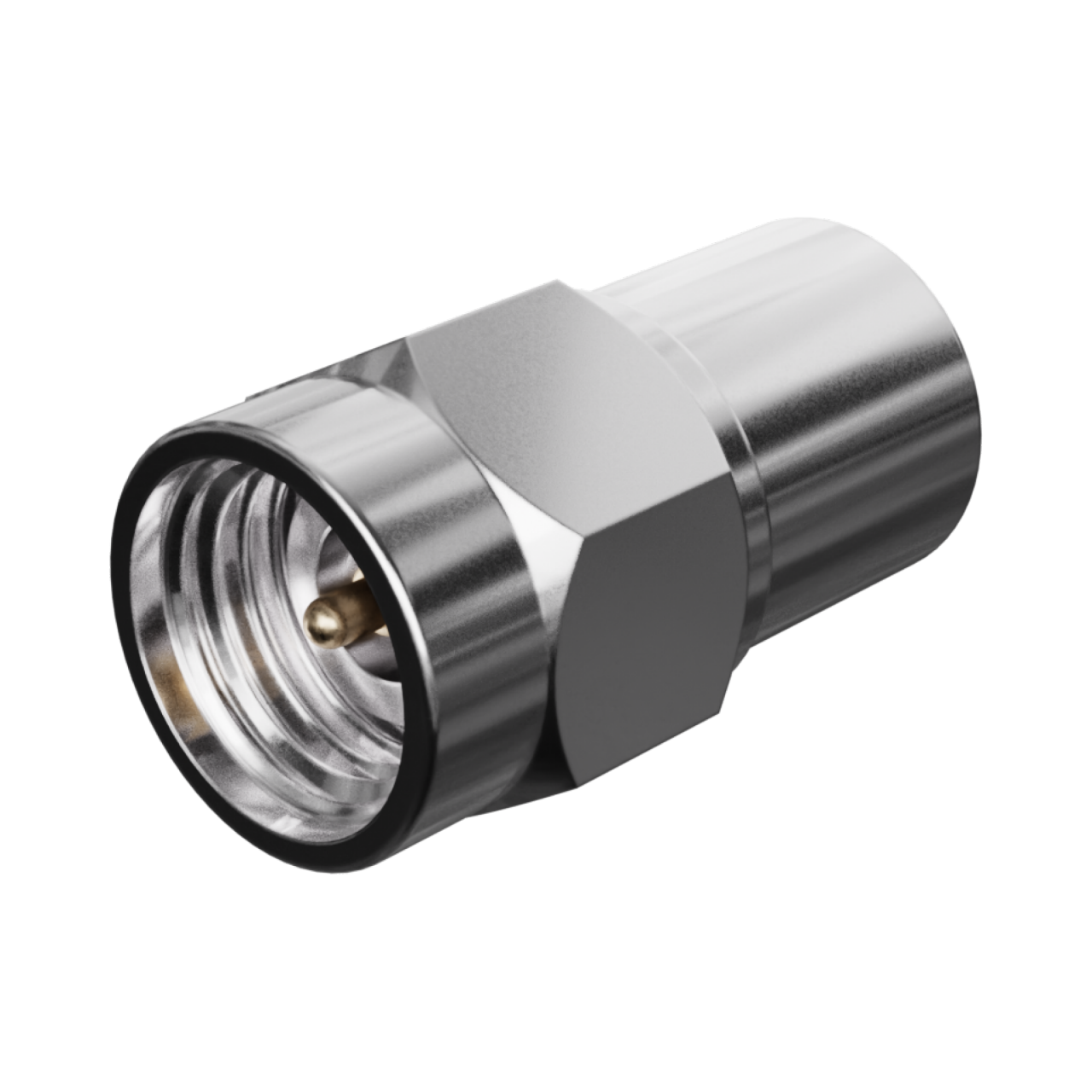
Molex high-precision RF coaxial terminators with 2.92mm and SMA connectors.

Precision RF Coaxial Terminators

Helping ensure accuracy and repeatability for the next generation of high-frequency applications, Precision RF Coaxial Terminators from Molex deliver tight impedance matching and low voltage standing wave ratio (VSWR) to provide exceptional signal integrity up to 65 GHz. These rugged corrosion- and wear-resistant terminators offer multiple connector types and unit-traceable test data. Ideal for high-precision test-and-measurement, calibration, telecommunications and harsh-environment applications, these RF termination solutions help streamline system integration, ensure accuracy and minimize variability.

RF Terminators

Molex 2.92mm RF Coaxial Terminator.

Features and Benefits


With frequencies for high-performance RF applications increasing, there is an acute need for signal integrity and accuracy at ranges up to millimeter wave (mmWave). Coaxial terminators, vital to maintaining port discipline and repeatability, must maintain tight impedance control, ensure consistent performance, and streamline validation and test auditing in applications subject to high cycle counts and harsh environmental conditions.

RF coaxial terminators designed specifically for precise impedance matching, traceability and robust durability in challenging conditions can help deliver reliable and repeatable results through numerous mating cycles. Terminators with comprehensive characterization and traceable data provide accurate, reproducible measurements and comply with strict requirements for high-precision test-and-measurement processes.

Precision RF Coaxial Terminators from Molex are engineered for tight impedance control and reliable operation at frequencies from DC to mmWave. These terminators deliver low VSWR, stable matching and documented characterization data by unit, ensuring repeatable results and simplified processes for testing, calibration and high-performance applications. Robust construction with wear-resistant materials and installer-friendly features help reduce failures and minimize any impact on signal integrity. Multiple RF connector interface types and frequency-range options help streamline integration and simplify sourcing by providing a unified family of high-precision RF termination solutions.
Connector Frequencies Average Power
1.85mm DC to 65 GHz 1W at 25°C, derated linearity to 0.1W at 125°C
2.4mm DC to 50 GHz 0.5 at 25°C, derated linearity to 0.1W at 125°C
2.92mm DC to 40 GHz 1W
N-type DC to 18 GHz 2, 5, 10, 25 or 50W
SMA DC to 26.5 GHz 1, 5, 10, 25 or 50W

Extended Frequency Range and mmWave Performance up to 65 GHz

Using durable, controlled-geometry construction to maintain high-frequency performance, Molex Precision RF Coaxial Terminators offer various connector types that support DC to millimeter wave (mmWave) test setups and calibration workflows. These terminators are validated to deliver reliable performance without adding frequency-dependent mismatch, parasitics or resonance that can corrupt measurements at high frequencies.

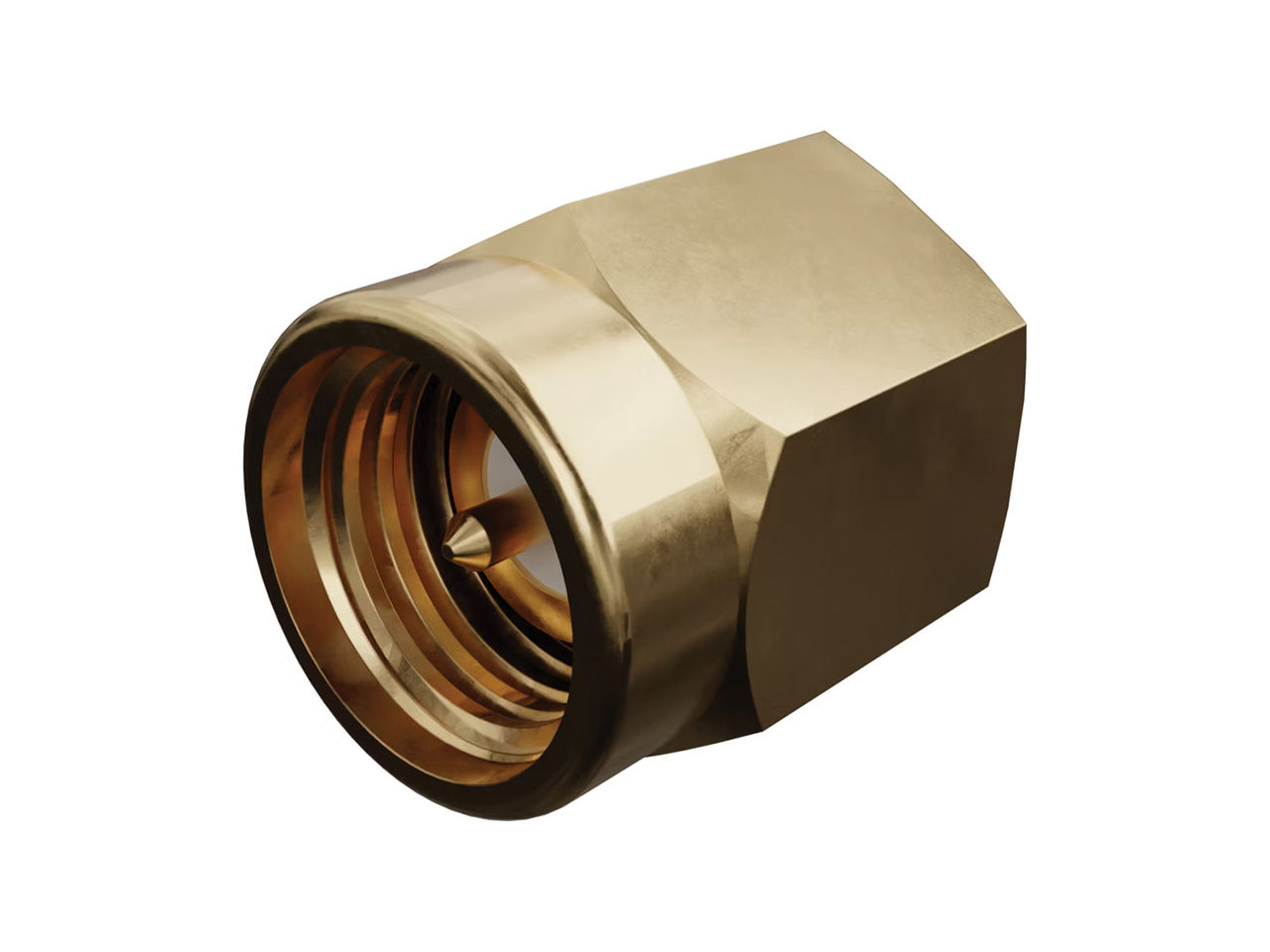
Molex SMA Plug RF Coaxial Terminator with controlled-geometry construction.

Superior Match Quality Through Low VSWR and Stable 50-Ohm Impedance

Tight impedance control using precision resistive networks and material selection helps minimize reflections, reduce mismatch errors, protect sensitive front ends and ensure accurate S-parameter results at high frequencies. Precision RF Coaxial Terminators from Molex offer low VSWR, tight 50-Ohm impedance control, and verification with unit-traceable calibration/S-parameter data to improve measurement confidence and repeatability.

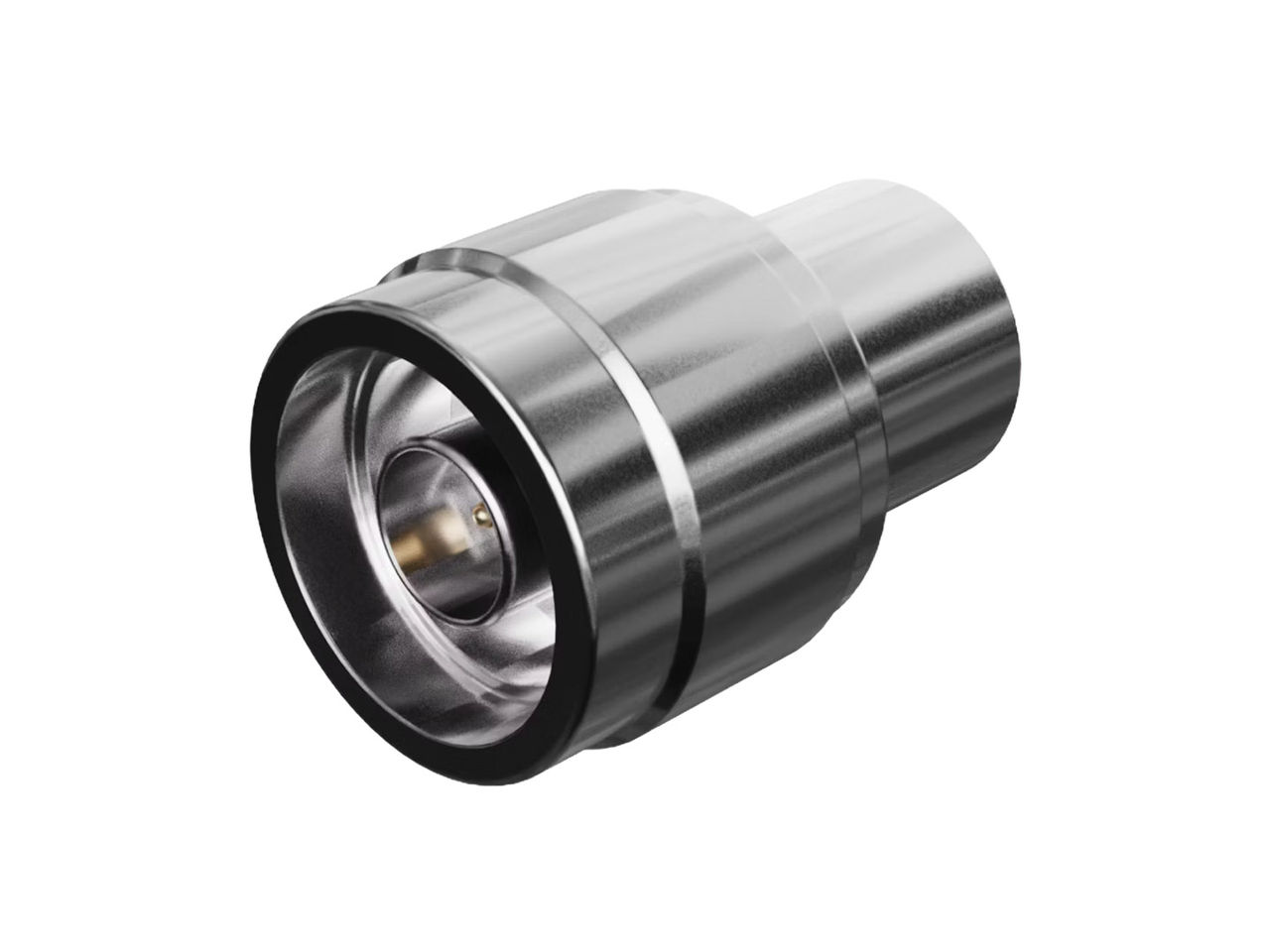
Molex N Type RF Coaxial Terminator for low VSWR and tight impedance control.

Robust Mechanical Interface and Power-Handling Performance

Frequent mating cycles, real-world handling and overheating can degrade RF performance or cause failures in RF components. Precision RF Coaxial Terminators from Molex use rugged corrosion- and wear-resistant mechanical construction, and installer-friendly features like lead-in and torque marks, to ensure durability and consistent performance in high-cycle applications, while validated power/thermal derating information helps avoid overheating damage at power levels up to 50W.

Molex 2.92mm RF Coaxial Terminator with rugged construction for high-cycle applications.

Reduces variability that can cause false failures and retests
A variety of connector options, including SMA, N-type, 1.85, 2.4 and 2.92mm, enables use of a consistent termination family across different test setups and sites, simplifying sourcing and ensuring standardized measurements while meeting various frequency and robustness needs.

Minimizes supply chain risks
Vertically integrated US-based manufacturing enhances supply chain control.

Minimizes debug time by supporting consistent port discipline
Removal of "open-port" variables by using precision terminators improves measurement consistency and accelerates test-and-measurement processes.

Offers exceptional durability and environmental resilience
The terminators are constructed with solderless contacts and corrosion-resistant materials to withstand wide temperature ranges, shock and vibration forces, and harsh environmental conditions.

Reduces space requirements in high-density setups
Compact fixture-friendly RF coaxial terminators enable easier access and fewer handling errors in dense racks and fixtures, streamlining rapid A/B checks to separate device-under-test issues from cables, adapters and fixtures.

Documents and Resources


Applications by Industry


Global positioning system devices
Military aircraft
Radar systems

Military radios
Missile defense systems
Simulation systems

Broadcasting and multimedia equipment
Mobile network testing devices
Network analyzers
Signal generators
Spectrum analyzers
Wireless communications testers and systems

Lab, production and field RF testing equipment

4G/5G testing equipment
Cell-site infrastructure
Distributed antenna systems (DAS)
In-flight wireless devices
Point-to-point communications systems
Public safety and transportation systems
RF generators
Wireless devices

This is not a definitive list of applications for this product. It represents some of the more common uses.

Frequently Asked Questions


What is an RF coaxial terminator?

An RF coaxial terminator, also called an RF coaxial termination or a 50-Ohm load, is a passive component with a coaxial connector (such as SMA, N-type or 2.92mm) that presents a known impedance at an RF port. The terminator absorbs incident RF energy and converts it to heat via internal resistive elements. It provides a matched load, typically at 50 Ohms, to properly terminate the port and prevent reflections that can distort signals or measurements. The terminator also protects equipment by safely dissipating power when a port would otherwise be unterminated. Coaxial terminators are used to provide a stable load or terminate unused ports in VNA calibration and verification as well as lab, field or production RF testing.

How do frequency range and VSWR impact coaxial terminator performance?

The frequency range indicates the frequency at which the terminator maintains its specified match and behavior. Above that range, parasitics (such as lead inductance, capacitance and connector discontinuities) can dominate, and the load will no longer behave like a clean 50-Ohm resistor. VSWR is a direct indicator of match quality: Lower VSWR means less reflected power and less ripple/error in measurements. In a VNA setup, a poorly matched termination can increase measurement uncertainty; degrade calibration quality; and create standing waves that skew gain, noise and power readings. For high-frequency or precision measurement work, terminators should always be selected based on the specified band.

Which RF coaxial terminator type should I choose?

The coaxial terminator chosen should feature a connector that matches the application’s hardware and frequency/robustness needs. N-type connectors are rugged and commonly used for lower microwave frequencies; SMA connectors are common and cost-effective, typically used for lower mmWave limits depending on quality; 2.92mm connectors mate with SMA types and support higher frequencies; and lastly, 2.4 and 1.85mm connectors are used for higher mmWave performance with tighter mechanical tolerances. Connector families should not be mixed unless they are explicitly mate-compatible and performance trade-offs are taken into account.

Do I need a "calibration-grade" terminator or is a standard load fine?

For VNA calibration, verification or metrology-grade measurements, calibration-grade terminators with traceable calibration and given S-parameters (and known uncertainty) should be used. For general signal routing, basic port protection or non-crucial testing, a standard terminator may be sufficient if power, frequency range and VSWR are acceptable.

How much torque should I apply, and does it matter?

Yes, torque matters. Under-torqued connections can cause intermittent contact and degraded repeatability, while over-torqued connections accelerate wear and can damage the connector interface. Using the recommended torque specification for the connector type (8 inch-pounds, or 0.9N-m, for 1.85 and 2.4mm; 12 to 15 inch-pounds, or 1.4 to 1.7N-m, for N-type; and 7 to 10 inch-pounds, or 0.8 to 1.1N-m, for SMA) and a calibrated torque wrench will help ensure proper operation and repeatability, especially for high-precision mmWave and calibration setups.

Can I use the coaxial terminator at frequencies below its rated range (including DC)?

Yes, a coaxial terminator can usually be used at lower frequencies if it is specified for DC or the range is "DC to x GHz." Some designs are AC-coupled or have construction features that may not be intended for true DC use, so checking the datasheet is recommended. For vital DC applications, verify resistance tolerance and any specified DC return path behavior.

What happens if I exceed the coaxial terminator’s power rating?

Exceeding the coaxial terminator’s power rating can cause resistor drift, degraded VSWR/match, intermittent behavior or catastrophic failure (open/short). Even if the terminator doesn’t fail immediately, overheating can permanently change performance. Always apply the derating curve; consider peak versus average power; and account for hot-ambient, poor-airflow and high-duty-cycle operation.