


| Current | Voltage | Latch Type | Operating Temperatures |
|---|---|---|---|
| Up to 140.0A | Up to 600V | Screw hold-down | -40 to +105°C |

Features and Benefits
Miniaturization is driving the need to pack more functionality into less space across a variety of industries and applications. A particular challenge is power transfer in space-constrained packages where confined routing and dense architectures make busbars or traditional wiring difficult to install. Tight bends, heat and vibration can also pose reliability risks for traditional wiring harnesses.
FPCs are ideal for connections in tight spaces. Using high-power connectors and robust materials, FPCs enable designers to achieve efficient, compact power transfer in harsh environments without relying on heavier, bulkier and more complex traditional solutions.
Sentrality FPCs from Molex combine the flexibility of FPCs and the robust, high-current capacity of Sentrality power connectors to provide versatile power delivery in space-constrained applications. These assemblies use flex circuits to carry up to 140.0A in a lighter-weight, more compact format than traditional wires or busbars. Sentrality connectors ensure rugged, thermally stable connections with built-in self-alignment and secure screw hold-downs to deliver reliable performance. The fully terminated assemblies reduce component counts, streamline assembly and simplify system integration.


Applications by Industry

Battery packs and management systems
Charging stations
Electric vehicles
Engine control units (ECUs)
Inverters and electric drive units
Power distribution units (PDUs)

Battery energy storage systems
Power distribution panels
Renewable energy systems
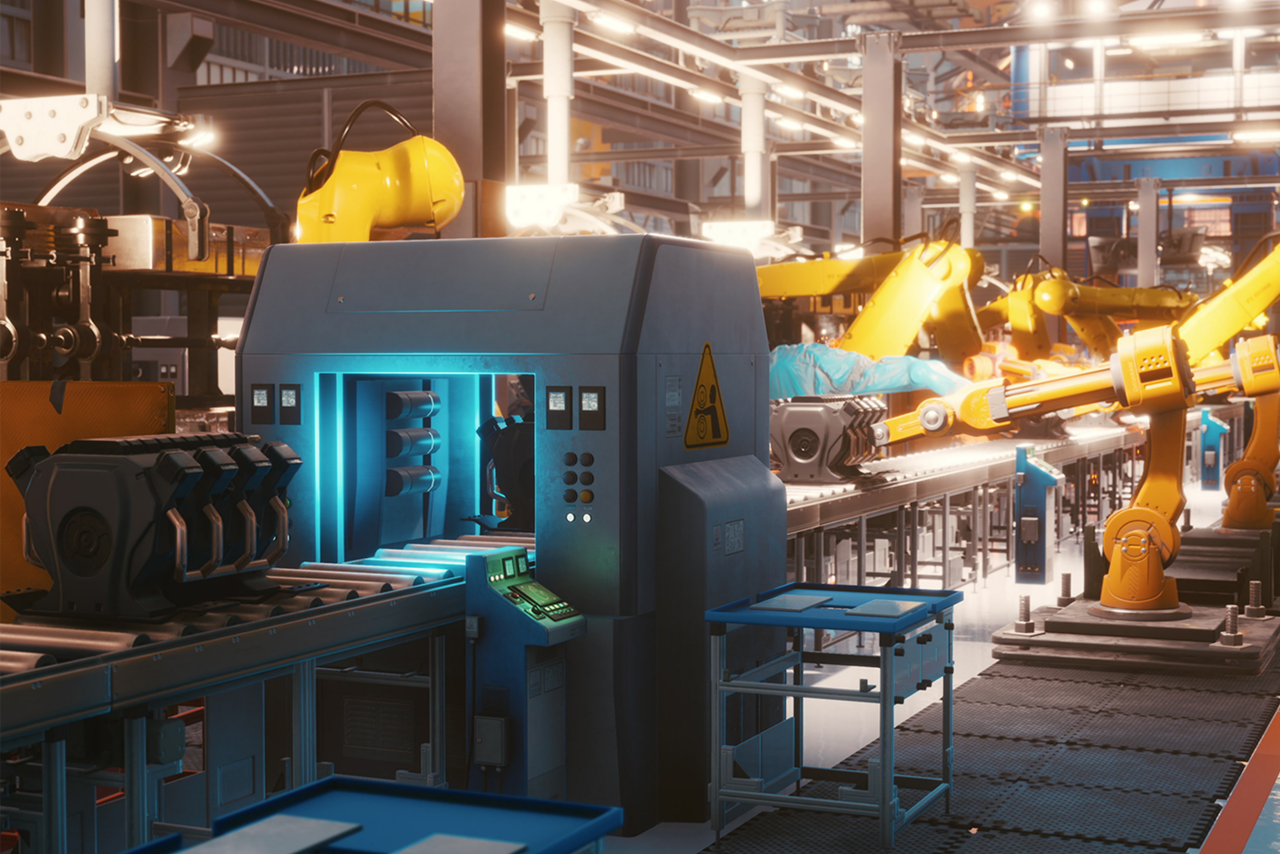
Automated equipment
Railway equipment
Robotics systems

Defibrillators
Diagnostic and monitoring equipment
Medical devices
Medical support systems
Radiation therapy equipment
Surgical and imaging systems
Therapeutic equipment
Uninterruptible power supplies (UPSs)

Backup power systems
Internal server power distribution systems
Networking and server racks
PDUs
UPSs


5G cell towers
5G modules
Battery backup systems
Cellular base stations
This is not a definitive list of applications for this product. It represents some of the more common uses.
Frequently Asked Questions
What are Sentrality Flexible Printed Circuits?
Sentrality Flexible Printed Circuits are fully terminated FPC cable assemblies with Sentrality power connectors on both ends. A Sentrality FPC is a complete interconnect solution and not just raw flex material. This is the first standard, off-the-shelf FPC interconnect available in this format.
How can Sentrality FPCs help with my design?
Sentrality FPCs help improve designs by replacing heavier, bulkier cable assemblies or rigid busbars with flexible, lighter-weight solutions. These FPCs are ideal for miniaturized devices and space-constrained packages, enabling flexible routing and durable construction that minimizes discrete components, labor and potential failure points. Incorporating Sentrality FPCs enhances design freedom and enables more compact, versatile and reliable architectures.
What is the advantage of a Sentrality FPC over traditional wiring?
Sentrality FPCs improve on traditional wiring by providing a lighter-weight, easier-to-assembly connectivity solution. Better bending/flexing capability and a compact footprint make these solutions ideal for ensuring consistent electrical performance in space-constrained and dynamic applications.


