


| Isolation | Axial Tolerance | RF Ports | Board-to-Board Distance |
|---|---|---|---|
| Better than 80 dB up to 10 GHz | ±1.00mm assembly tolerance | 4, 6 or 8 | 10.00 to 40.00mm |

Features and Benefits
High-density RF systems such as automotive antennas, network modules and miniaturized multi-channel architectures present unique challenges relating to density, signal integrity, reliability and scalability. Board-to-board interconnects must integrate multiple RF paths within a compact space yet minimize crosstalk and RF coupling between adjacent paths. Connectors must support consistent and reliable performance at high production volumes, meaning the design must balance signal quality with assembly tolerance and cost.
Multi-port connectivity platforms help increase channel counts and reduce PCB space, enabling higher RF channel density. By ensuring high isolation between RF ports, these connectors can minimize coupling and maintain signal integrity. Design-for-manufacturing features, such as mechanical tolerances and automated assembly, support cost-effective scalability without sacrificing performance.
High-Isolation RF Connectors from Molex provide high-density board-to-board connectivity that simplifies system design and assembly for complex RF systems by reducing the connector count. These connectors use selective-plating shielding to minimize crosstalk and interference, improving signal quality while increasing channel density and optimizing PCB space. The USCAR-validated connector is designed for simple system integration, automation-friendly assembly and reliable mating, supporting high-volume production and cost-effective scalability for automotive, telecom and harsh-environment applications.


Applications by Industry

Shark‑fin antennas
Telematics modules

Magnetic resonance imaging and other imaging equipment

5G/6G radio heads and modules
Broadband radio equipment
Massive multiple-input/multiple-output (MIMO) systems
System modules

Bluetooth personal area networks
RF system modules
Wide area network modules
Wireless local area networks
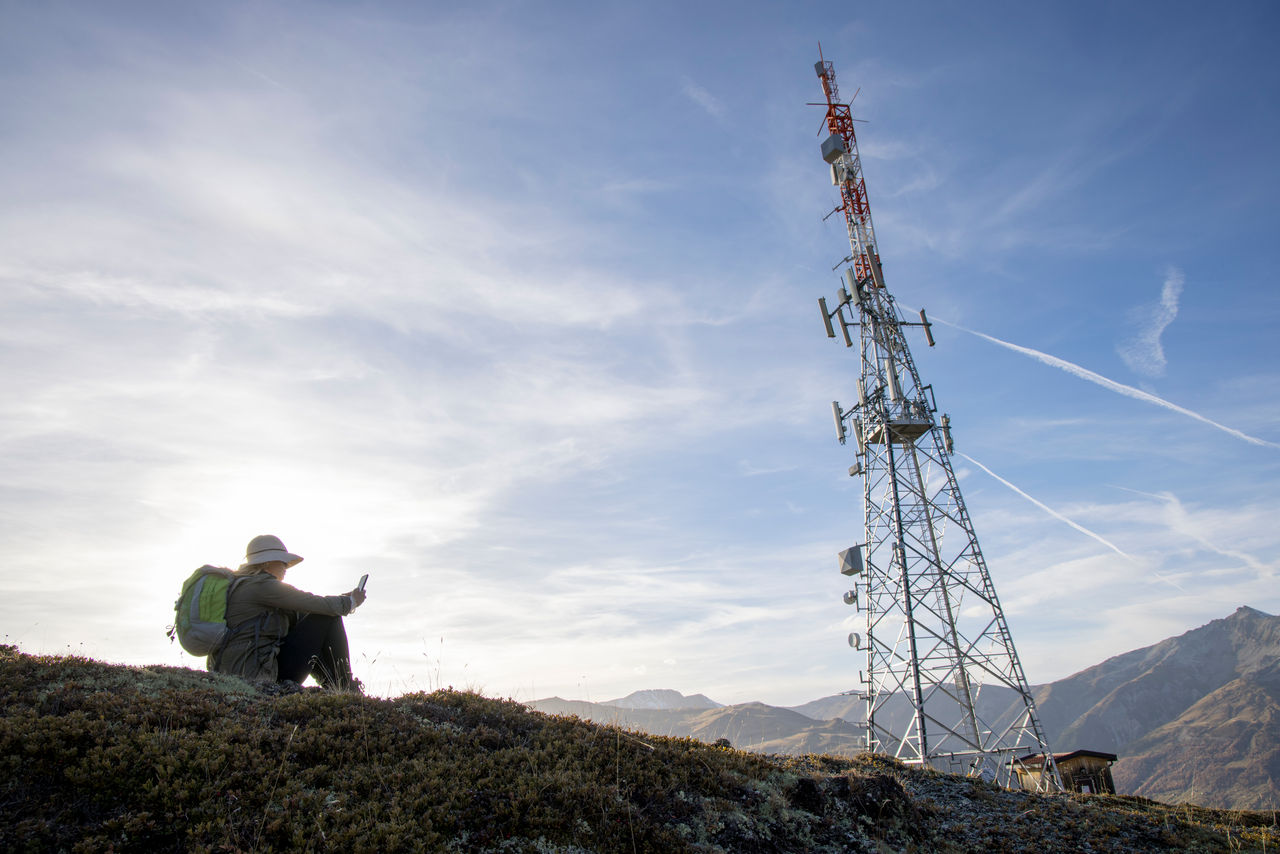
5G/6G radio heads and modules
Broadband radio equipment
Massive MIMO systems
System modules
This is not a definitive list of applications for this product. It represents some of the more common uses.
Frequently Asked Questions
What are High-Isolation RF Connectors?
High-Isolation RF Connectors are multi-port RF interconnect solutions designed to minimize crosstalk and interference between adjacent signal paths. Molex utilizes unique array architecture to deliver better-than-80 dB isolation while supporting high-density board-to-board RF connectivity.
How does array architecture improve RF isolation?
Array architecture combines multiple RF signal paths within a compact board-to-board interface while incorporating isolation-enhancing design features that help minimize coupling between adjacent channels. This enables high RF channel density without compromising signal integrity.
Why use High-Isolation RF Connectors instead of individual RF connectors?
High-Isolation RF Connectors from Molex consolidate multiple RF channels into a compact interface, reducing connector count, preserving PCB real estate, simplifying assembly and reducing channel-to-channel interference in dense RF systems.
What applications are best suited for High-Isolation RF Connectors?
Typical applications include wireless communications equipment, networking systems, antenna platforms, RF modules and other applications where high channel density and signal isolation are crucial.
What makes Molex High-Isolation RF Connectors different from traditional machined RF interconnects?
Designed for automated, high-volume manufacturing, these connectors deliver high-performance connectivity with better than 80 dB isolation and ±1.00mm board-to-board distance tolerance, providing a scalable, cost-effective multi-port RF solution without sacrificing performance.
How much isolation do these connectors provide?
High-Isolation RF Connectors from Molex deliver better-than-80 dB port-to-port isolation through 10 GHz, helping reduce crosstalk and maintain signal integrity in high-density RF applications.
What board-to-board spacing does the connector support?
High-Isolation RF Connectors are designed for a board-to-board distance of 10.00 to 40.00mm (28.50mm versions are available off the shelf, with other distances available as custom solutions). These connectors also offer ±1.00mm of Z-axis tolerance, simplifying assembly and improving performance.
How much board-to-board tolerance can the connector accommodate?
The design supports ±1.00mm of board-to-board axial tolerance while maintaining reliable mechanical engagement and consistent RF performance.
Do I need guide pins or a special PCB footprint?
No, the connector does not require guide pins. This helps simplify system integration while preserving PCB space and maintaining design flexibility.
Is the measured RF performance data available?
Yes, measured RF performance data is available through 15 GHz, including return loss, insertion loss and isolation measurements.
Are these connectors suitable for use in automotive applications?
Yes, High-Isolation RF Connectors from Molex are validated to USCAR2, USCAR49 and EIA-364-23 requirements for electrical and mechanical performance in challenging automotive environments.

